
Boston, the historic heart of New England, transforms into a picturesque winter wonderland when draped in snow. For prospective tourists, understanding the city’s snowfall patterns is not just about curiosity; it’s essential for planning, packing, and making the most of a frosty visit. While visions of cobblestone streets dusted with white and iconic landmarks shimmering under a blanket of snow are enchanting, preparing for the reality of Boston’s winter weather is key to an enjoyable and seamless experience. From navigating public transport to choosing appropriate attire, the inches of snow that fall can significantly shape your journey. This guide delves into the statistical averages, seasonal nuances, and practical advice to help you embrace Boston’s unique charm, even when winter is in full swing.
Unpacking Boston’s Winter: Average Snowfall and Seasonal Patterns
Boston experiences a true four-season climate, with winters that are undeniably cold and often marked by significant snowfall. While the exact amount can vary dramatically from year to year, understanding the historical averages provides a solid foundation for what visitors can generally expect. This isn’t just about statistics; it’s about anticipating the ambiance, the challenges, and the unique beauty that snow brings to this vibrant city.
The Historical Averages: What to Expect Annually
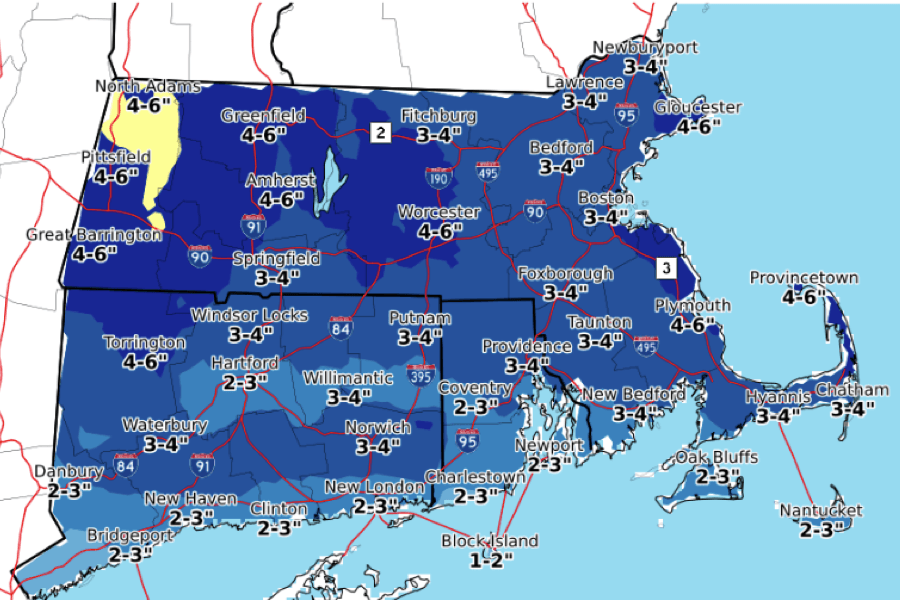
Historically, Boston receives an average of around 43 to 44 inches of snow per year. This average is compiled from decades of meteorological data, providing a reliable benchmark for travelers. It’s important to remember that this is an average; some winters might be remarkably mild with minimal accumulation, while others can be exceptionally harsh, surpassing the average by a considerable margin. What this average signifies for tourists is the high probability of encountering snow at some point during a winter visit. It suggests that visitors should come prepared for snow on the ground, icy conditions, and the potential for new snowfall, all of which contribute to the quintessential Boston winter experience. This snowfall contributes to the visual appeal of the city, transforming familiar sights into serene, postcard-worthy scenes, but it also necessitates practical considerations for mobility and comfort.
Understanding Peak Snow Months
While winter officially spans from December to March, the bulk of Boston’s snow typically falls during specific months. January and February are historically the snowiest months, each often seeing an average of 12-15 inches of snow. December can also bring significant snowfall, particularly in the latter half of the month, often coinciding with the festive holiday season. March, while signaling the approach of spring, can still deliver powerful late-season storms, sometimes resulting in substantial accumulations. Tourists planning a trip during these peak months should be acutely aware of the higher likelihood of encountering snowstorms, which can range from light dustings to major blizzards. These periods also tend to be colder, with average temperatures often hovering around freezing or below, making warm clothing an absolute necessity. Understanding these peak months allows for more strategic planning, from booking flights and accommodation to preparing an itinerary that accounts for potential weather disruptions.
Extreme Winters: When Boston Gets Buried
While the average snowfall gives a general idea, Boston is no stranger to extreme winters that defy expectations. The winter of 2014-2015, for instance, saw an astounding 110.6 inches of snow, crushing previous records and effectively burying the city. Such extreme events, though infrequent, can bring the city to a standstill. Public transportation, including the MBTA (Massachusetts Bay Transportation Authority), can experience significant delays or even shutdowns, roads can become impassable, and daily life is heavily impacted. For tourists, an extreme winter means a heightened need for flexibility, patience, and readiness to adapt plans. While these historic snowfalls offer unparalleled photographic opportunities and a truly immersive winter experience, they also underscore the importance of staying informed about weather advisories, having backup plans, and prioritizing safety. It’s a vivid reminder that while Boston’s winter average is manageable, the city can occasionally transform into a truly challenging, albeit beautiful, snowy landscape.
Preparing for a Snowy Boston Trip: Essential Tips for Tourists
A trip to Boston during winter can be incredibly rewarding, offering a unique perspective on its historic streets and vibrant culture. However, to truly enjoy the charm of a snowy Boston, preparation is paramount. From what you wear to how you get around, smart planning ensures comfort, safety, and a seamless travel experience, regardless of how many inches of snow greet you.
Packing Smart for the Cold and Snow
Appropriate attire is the single most critical factor for enjoying a winter trip to Boston. Layers are your best friend. Start with a moisture-wicking base layer, add insulating mid-layers like fleece or wool sweaters, and top it off with a waterproof and windproof outer shell. A high-quality winter coat that covers your hips is essential. Don’t forget accessories: a warm hat that covers your ears, a thick scarf, and waterproof gloves or mittens are non-negotiable. For footwear, invest in waterproof boots with good traction. Boston’s sidewalks can become slushy, icy, or covered in deep snow, making regular sneakers impractical and potentially dangerous. Bring extra pairs of warm socks, preferably wool or synthetic, to keep your feet dry and warm. Even if you plan on spending most of your time indoors, the walk between attractions, restaurants, and your accommodation will expose you to the elements.
Navigating Transportation in Winter Conditions
Boston’s public transportation system, the MBTA, commonly known as “the T,” is generally efficient but can be impacted by heavy snowfall. Buses may run slower or be rerouted, and subway lines, particularly above-ground sections, can experience delays. It’s advisable to check the MBTA website or app regularly for real-time service updates, especially during or after a snowstorm. Walking, while picturesque, requires caution due to potentially icy sidewalks; always look where you’re stepping. Ride-sharing services like Uber and Lyft are available but may have surge pricing and longer wait times during peak snow events. If you’ve rented a car, be aware that driving in Boston during winter can be challenging, with narrow streets, limited parking, and snow-covered roads. Prioritize safety, allow extra travel time, and consider sticking to public transport or walking for most of your sightseeing.
Health and Safety in Snowy Weather
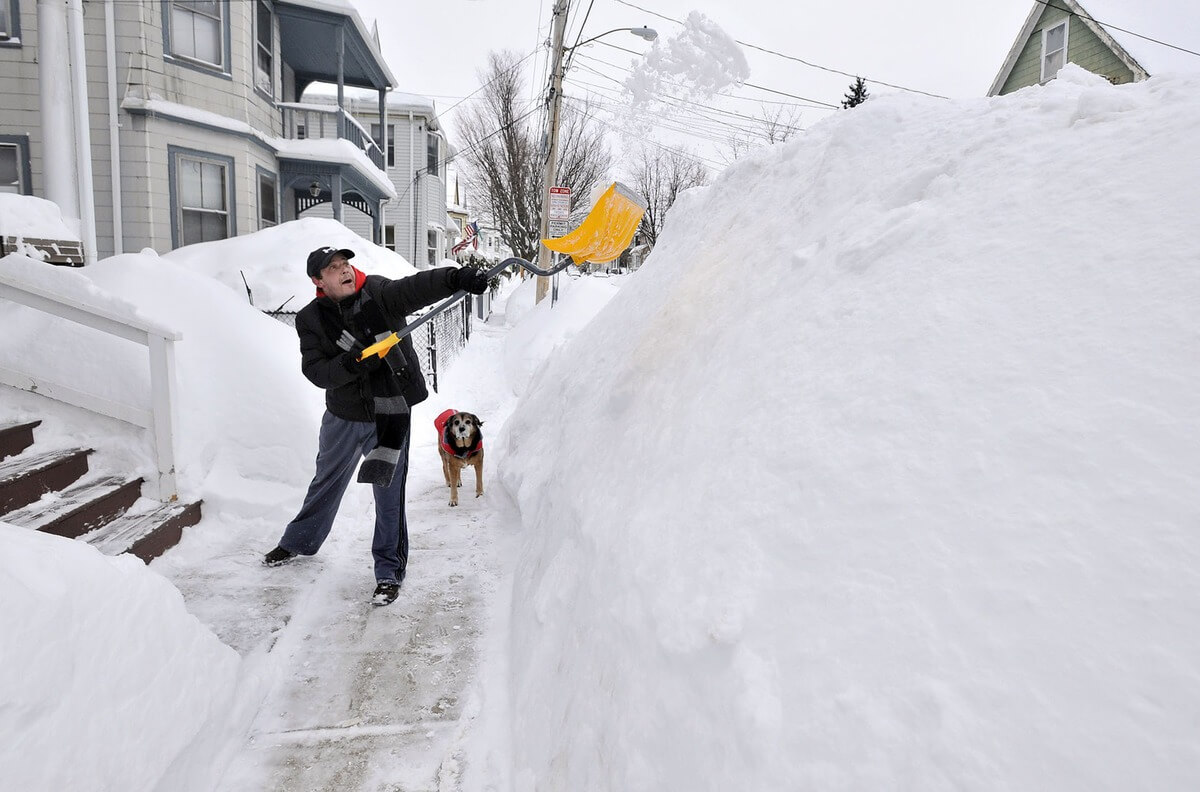
Beyond staying warm, winter weather presents other health and safety considerations. The risk of slips and falls on icy surfaces is significant. Walk slowly, pay attention to your footing, and utilize handrails where available. Be mindful of falling ice or snow from buildings. Hydration is also important, even in cold weather; bring a reusable water bottle. If you plan to spend extended periods outdoors, be aware of the signs of hypothermia and frostbite. Take frequent breaks indoors to warm up. Sun protection might seem counterintuitive in winter, but the sun’s glare off snow can be intense, so sunglasses are recommended. Lastly, keep your electronic devices charged, as cold temperatures can drain batteries faster, and you’ll want them for navigation, communication, and checking weather updates. Local authorities are generally very responsive to snow removal, but staying informed and prepared will make your visit much smoother and safer.
Embracing the Winter Wonderland: Activities and Experiences in Boston
While the inches of snow might present logistical challenges, they also unlock a unique set of experiences that only a winter visit to Boston can offer. The city takes on a special charm when blanketed in white, transforming familiar sights and offering cozy indoor retreats. Embracing the season means knowing how to make the most of both the frosty outdoors and the warm interiors.
Iconic Boston Landmarks Under a Blanket of White
Many of Boston’s most famous attractions gain an extra layer of magic when dusted with snow. A walk along the Freedom Trail becomes even more atmospheric, with historical sites like the Old State House and Faneuil Hall Marketplace offering stunning photographic opportunities against a white backdrop. The Boston Common and Public Garden transform into serene landscapes, perfect for a leisurely, bundled-up stroll or even a spontaneous snowball fight. The bare branches of trees outlined with snow, contrasting with the vibrant red brick of Beacon Hill or the elegant brownstones of Back Bay, create breathtaking scenes. Many indoor sections of these landmarks, such as museums along the Freedom Trail, remain open and provide excellent opportunities to learn about Boston’s rich history while staying warm. Don’t let the cold deter you from seeing these sites; they truly shine in winter.
Outdoor Adventures for Snow Enthusiasts
For those who love the cold, Boston offers several opportunities to engage with the snow. Ice skating is a quintessential winter activity, with popular rinks like the Frog Pond on Boston Common drawing crowds. Gliding across the ice with the city skyline as a backdrop is an unforgettable experience. Depending on the snowfall, cross-country skiing or snowshoeing might be possible in larger parks like the Emerald Necklace or on the outskirts of the city. While Boston itself isn’t a ski destination, several excellent ski resorts in New Hampshire and Vermont are within a few hours’ drive, offering day trips for more serious winter sports enthusiasts. Even a simple walk through the picturesque streets of Beacon Hill or the North End after a fresh snowfall can feel like an adventure, revealing hidden nooks and charming architectural details intensified by the clean white canvas.
Warming Up with Indoor Cultural and Culinary Delights
When the cold becomes too biting or the snow too deep, Boston’s wealth of indoor attractions provides a perfect refuge. Immerse yourself in art at the Museum of Fine Arts or the enchanting Isabella Stewart Gardner Museum, both offering world-class collections. Discover marine life at the New England Aquarium or delve into science at the Museum of Science. Boston’s culinary scene is another excellent way to warm up. Cozy up in a historic tavern with a hearty bowl of New England clam chowder or enjoy a rich Italian meal in the North End. The city boasts numerous cafes, bakeries, and fine dining establishments where you can escape the chill and savor delicious food and drink. Catch a performance at a historic theater or explore the unique boutiques and shops, all while staying comfortably out of the cold.
Beyond the Snowfall: The Unique Charm of Boston in Winter
While the quantity of snow certainly impacts a winter visit, the true allure of Boston during the colder months extends far beyond mere inches. It’s about the atmosphere, the local spirit, and the unique opportunities that only this season can provide. A winter trip offers a different perspective, revealing a city that is both resilient and remarkably beautiful.
Photography and Scenic Beauty
There’s an undeniable magic to Boston after a fresh snowfall. The city’s iconic architecture, from the red-brick Federal-style homes of Beacon Hill to the grand brownstones of Back Bay, appears even more striking when contrasted with pristine white snow. The bare trees, often adorned with twinkling lights during the holiday season, add to the picturesque quality. The Public Garden and Boston Common become a photographer’s dream, with reflections shimmering on frozen ponds and statues standing majestically amidst the white landscape. Even the gritty charm of the North End takes on a serene quality. Capture the steam rising from sewer grates, the warm glow emanating from cozy cafes, or the footprints tracing paths through untouched snow. A winter visit promises a unique visual narrative, distinct from any other season.
Experiencing Local Life and Resilience
Winter in Boston reveals the true character and resilience of its residents. While tourists might be captivated by the beauty of the snow, locals are adept at navigating its challenges. Observing how Bostonians embrace and overcome the winter elements offers an authentic glimpse into the city’s spirit. You’ll see neighbors helping each other shovel, people commuting with a determined stride, and the city’s infrastructure working tirelessly to keep things moving. The cozier atmosphere of local pubs, coffee shops, and restaurants becomes even more inviting, providing warm havens where you can mingle with locals and experience their camaraderie. There’s a particular sense of community and shared experience that emerges during the winter months, offering tourists a more intimate and genuine connection to the city beyond its major attractions.

Winter Events and Holiday Spirit
If your visit coincides with December, Boston is alight with festive cheer. The city comes alive with holiday markets, elaborate light displays, and seasonal events that capitalize on the frosty atmosphere. The Columbus Park trellis illuminated with blue lights, the towering Christmas tree on the Boston Common, and the festive decorations adorning historic streets create a truly magical experience. Beyond the holidays, winter festivals, cultural performances, and sporting events (especially ice hockey) continue throughout the colder months. Many museums and galleries host special winter exhibitions, providing even more reasons to venture out. These events leverage the season, transforming potentially challenging weather into an integral part of the city’s vibrant winter calendar, ensuring there’s always something engaging to do, even when the snow is deep.
In conclusion, while “How Many Inches Of Snow In Boston?” is a practical question for any winter traveler, the answer opens the door to a richer understanding of what makes this city so special during the colder months. With an average of over 40 inches annually, and the potential for much more, visitors should certainly prepare for snow. However, armed with the right gear, a flexible mindset, and an eagerness to embrace the unique winter experiences, Boston in snow is not just navigable, but truly unforgettable. It’s a season that highlights the city’s enduring beauty, its resilient spirit, and its endless array of cultural and culinary delights, all waiting to be discovered under a blanket of white.
LifeOutOfTheBox is a participant in the Amazon Services LLC Associates Program, an affiliate advertising program designed to provide a means for sites to earn advertising fees by advertising and linking to Amazon.com. Amazon, the Amazon logo, AmazonSupply, and the AmazonSupply logo are trademarks of Amazon.com, Inc. or its affiliates. As an Amazon Associate we earn affiliate commissions from qualifying purchases.