
The question, “How many inches of snow is in New York?” is more than just a simple query about meteorological conditions; it’s a gateway to understanding a vital aspect of the New York travel experience. Whether you’re a seasoned winter enthusiast planning your next ski trip, a family looking for festive holiday activities, or a business traveler hoping for smooth commutes, knowing the snow forecast can significantly shape your plans. This article delves into the world of New York snow, from its typical patterns to how it influences travel, accommodation, and the overall lifestyle experienced within this dynamic state.

Understanding New York’s Snowfall Patterns
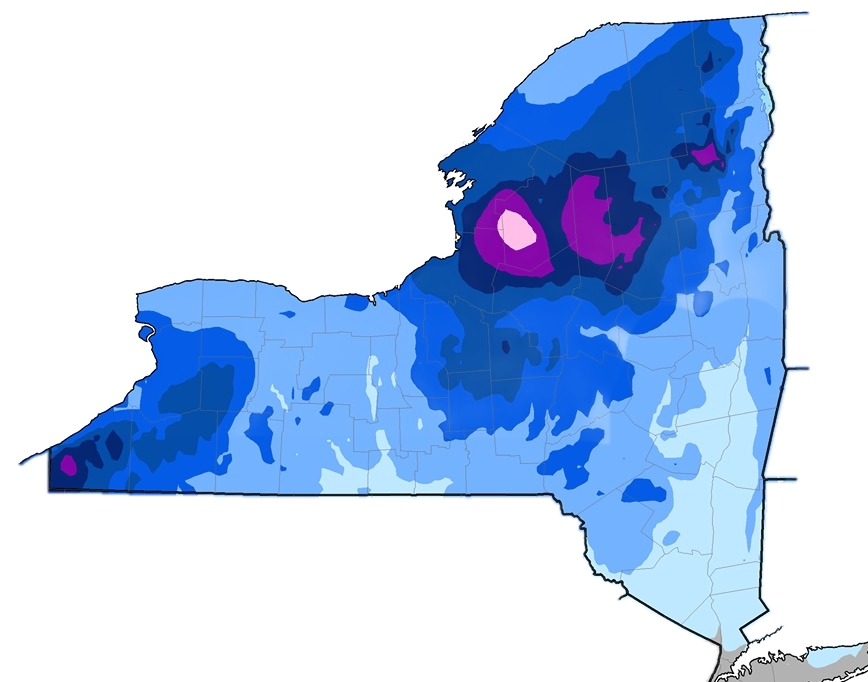
New York State experiences a wide range of snowfall, heavily influenced by its diverse geography. From the lake-effect snow belts near the Great Lakes to the snow-capped peaks of the Adirondacks, the amounts can vary dramatically. Understanding these regional differences is crucial for accurate forecasting and planning.
Lake Effect Snow: A Powerful Phenomenon
One of the most significant drivers of heavy snowfall in New York is the phenomenon known as lake-effect snow. This occurs when cold air masses move across the relatively warmer waters of the Great Lakes, picking up moisture. As this moist air moves inland and is forced to rise, it cools, condenses, and produces intense bands of snowfall. Areas downwind of Lake Erie and Lake Ontario, such as Buffalo and Rochester, are particularly prone to these heavy snow events.
- Buffalo, New York: Known for its significant lake-effect snow, Buffalo can receive some of the highest snowfall totals in the state. The infamous “Snowvember” events are a testament to the power of this weather pattern, sometimes burying the city in feet of snow in a matter of days.
- Rochester, New York: Similarly, Rochester experiences substantial lake-effect snow, impacting daily life and travel.
These regions can often see totals far exceeding other parts of the state, sometimes reaching accumulations of over a foot in a single day during intense lake-effect storms. This makes them prime destinations for those seeking a true winter wonderland experience, but also necessitates careful planning for travel and daily routines.
Mountain Snowfall: The Adirondack and Catskill Regions
The higher elevations of New York also play a significant role in snowfall accumulation. The Adirondack Mountains and the Catskill Mountains receive considerably more snow than the lower-lying areas, thanks to orographic lift and colder temperatures at higher altitudes.
- Adirondack Mountains: This vast mountain range is a haven for winter sports enthusiasts. Towns like Lake Placid, home of two Winter Olympic Games, are accustomed to heavy snowfall, creating ideal conditions for skiing, snowboarding, and other outdoor activities. Resorts in this region often boast reliable snow bases throughout the winter season.
- Catskill Mountains: While perhaps not as dramatic as the Adirondacks, the Catskills also offer substantial snowfall, attracting visitors seeking a more tranquil, yet still snowy, mountain escape. Ski resorts like Hunter Mountain benefit from these consistent snowfalls.
The predictable winter snow in these mountain regions makes them reliable destinations for winter tourism, drawing visitors from all over for their pristine slopes and charming mountain towns.
Urban Snowfall: The New York City Experience
New York City, while not typically a heavy snow destination compared to upstate regions, can still experience significant snowfall events. The city’s proximity to the Atlantic Ocean and its unique urban environment influence how snow falls and accumulates. While the average snowfall might be lower, a well-timed blizzard can bring the bustling metropolis to a standstill, transforming iconic landmarks into snow-covered spectacles.
- Central Park: This iconic green space in the heart of Manhattan offers a picturesque setting for snow. When significant snow falls, Central Park becomes a magical winter landscape, attracting locals and tourists alike for sledding, snowball fights, and admiring the beauty of the snow-dusted trees.
- Times Square: Even in an urban setting, a blanket of snow can add a unique charm to the vibrant lights of Times Square.
Understanding the snowfall patterns across New York State is the first step in appreciating how winter shapes the landscape and the experiences available.
Winter Travel and Accommodation in New York
The amount of snow in New York directly impacts travel plans, the availability of accommodations, and the types of experiences visitors can enjoy. Whether you’re seeking adventure on the slopes or a cozy urban retreat, the winter weather plays a crucial role.
Navigating Winter Travel
When planning a trip to New York during the winter months, being aware of snow conditions is paramount for seamless travel. Heavy snowfall can affect everything from flight schedules to road conditions.
- Road Travel: Snow and ice can make driving hazardous, especially in upstate New York and during major snowstorms. It is essential to check road conditions and weather advisories before embarking on any road trip. Many rental car companies offer winter tires, and in some regions, snow chains may be recommended. Driving through a snow-covered countryside can be breathtaking, but safety must always be the top priority.
- Air Travel: Airports across New York, including John F. Kennedy International Airport (JFK), LaGuardia Airport (LGA), and Buffalo Niagara International Airport (BUF), can experience delays or cancellations due to heavy snow and ice. It’s always advisable to check with your airline for the latest updates before heading to the airport.
- Public Transportation: New York City‘s extensive public transportation system, including the New York City Subway, is generally well-equipped to handle snow. However, extreme weather can sometimes lead to service disruptions or delays on buses and commuter rail lines. Upstate, intercity bus services and Amtrak trains can also be affected by significant snowfall.
Accommodation Options for Snowy Getaways
The type of snow and its location often dictate the kind of accommodation sought. For those chasing powder, mountain resorts are the obvious choice, while others might prefer the convenience and warmth of city hotels.
- Mountain Resorts: In the Adirondacks and Catskills, ski resorts offer a full winter experience. Many resorts have on-site lodging, ranging from luxurious suites to charming cabins, providing easy access to the slopes. Popular destinations include those near Lake Placid and ski areas like Hunter Mountain. Booking in advance is highly recommended, especially during peak ski season and holiday periods.
- City Hotels: For those visiting New York City or other urban centers, hotels offer a warm refuge from the cold. Hotels ranging from budget-friendly options to luxury accommodations in Manhattan provide proximity to attractions, dining, and entertainment. Even with snow, the city continues to buzz, and a well-located hotel ensures you can experience its winter charm. Consider hotels near Central Park for a picturesque snowy stroll or hotels in the Theater District for a cozy evening out.
- Cozy Inns and Bed & Breakfasts: Many smaller towns throughout New York boast charming inns and bed & breakfasts, offering a more intimate and often snow-centric experience. These can be found in the countryside or nestled near ski areas, providing a perfect base for exploring the winter landscape.
Choosing the right accommodation depends on your travel goals. If the primary goal is to experience deep snow and winter sports, a mountain resort is ideal. If the aim is to explore the cultural offerings of a city while still enjoying the possibility of snow, a city hotel is more appropriate.
Lifestyle and Activities During a Snowy New York
New York transforms into a winter wonderland when snow falls, offering a unique set of activities and lifestyle adjustments for both residents and visitors. From outdoor adventures to cozy indoor pursuits, the presence of snow adds a special charm to the state.
Embracing Winter Sports and Outdoor Adventures
Heavy snowfall is an invitation for a multitude of outdoor activities that are only possible in winter.
- Skiing and Snowboarding: The Adirondack and Catskill Mountains are prime destinations for skiing and snowboarding. Resorts like those near Lake Placid and Hunter Mountain offer world-class slopes for all skill levels. The quality of the snow is a critical factor for a good skiing experience, and New York‘s winter climate often delivers.
- Snowshoeing and Cross-Country Skiing: For a more serene experience, snowshoeing and cross-country skiing are excellent ways to explore the snow-covered trails of state parks and national forests. The quiet solitude of a snow-laden forest is truly magical.
- Ice Skating: Outdoor ice rinks pop up in various locations, from New York City‘s Rockefeller Center to smaller community rinks. Skating under the winter sky, perhaps with snowflakes gently falling, is a quintessential winter pastime.
- Sledding and Snow Tubing: For families and those seeking pure fun, hills across the state become natural playgrounds for sledding and snow tubing. This is a joy that transcends age.

Cozy Indoor Pursuits and Cultural Experiences
When the snow is too heavy for outdoor activities, or simply for those who prefer warmth, New York offers plenty of indoor options.
- Museums and Galleries: New York City boasts some of the world’s most renowned museums, such as the Metropolitan Museum of Art and the Museum of Modern Art (MoMA). These offer a perfect escape from the cold, allowing for hours of cultural immersion.
- Theater and Arts: The vibrant performing arts scene, especially in New York City‘s Broadway district, provides world-class entertainment. A snowy evening is an ideal time to catch a show.
- Culinary Delights: New York‘s diverse culinary landscape offers plenty of opportunities to warm up with delicious food and drinks. From cozy cafes serving hot chocolate to restaurants offering hearty winter fare, dining is an integral part of the winter lifestyle. Exploring the food scenes in neighborhoods like Greenwich Village or experiencing the diverse offerings in Queens can be a delightful way to spend a snowy afternoon.
- Shopping: Whether it’s browsing boutiques in Manhattan or exploring charming shops in upstate towns, shopping can be a satisfying indoor activity during winter.
The presence of snow in New York does not halt life; rather, it transforms it, offering a unique blend of exhilarating outdoor adventures and comforting indoor experiences that define the New York winter lifestyle. From the serious pursuit of powder in the mountains to the simple joy of a warm drink in a city cafe, snow is an integral part of the New York narrative.
LifeOutOfTheBox is a participant in the Amazon Services LLC Associates Program, an affiliate advertising program designed to provide a means for sites to earn advertising fees by advertising and linking to Amazon.com. Amazon, the Amazon logo, AmazonSupply, and the AmazonSupply logo are trademarks of Amazon.com, Inc. or its affiliates. As an Amazon Associate we earn affiliate commissions from qualifying purchases.