
Florida, often dubbed the Sunshine State, is a premier global destination, drawing millions of international visitors annually for its pristine beaches, vibrant cities, world-renowned theme parks, and diverse cultural experiences. To accommodate this immense influx of global travelers, Florida boasts an extensive network of air travel infrastructure. Far from having just a few key gateways, the state is home to a remarkable 19 international airports, each equipped with U.S. Customs and Border Protection facilities, allowing direct international flights to arrive and depart. This robust system of air travel points is critical not only for tourism but also for business, trade, and cultural exchange, solidifying Florida’s position as a crucial nexus in the global travel landscape.
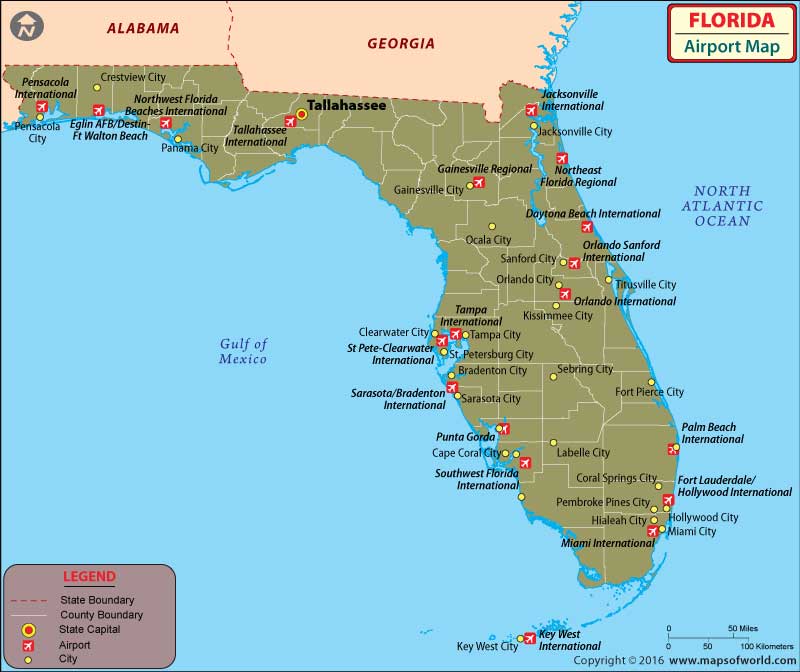
Florida’s Major International Gateways: Hubs of Global Connectivity
While 19 airports hold international status, a handful stand out as major hubs, processing the vast majority of international passengers and cargo. These airports are vital arteries connecting Florida to continents across the globe.
Miami International Airport (MIA)
Miami International Airport (MIA) is unequivocally Florida’s’s busiest and most significant international airport. As a primary gateway to Latin America and the Caribbean, MIA serves as a critical air cargo hub and a major connecting point for passengers traveling between the Americas and Europe. Located in Miami-Dade County, it offers an astounding number of direct international flights, linking Miami to cities worldwide. The airport’s extensive facilities, including multiple terminals, diverse dining and shopping options, and comprehensive ground transportation, cater to its status as a top-tier global airport. Its strategic location makes it an indispensable asset for international business and leisure travel to South Florida and beyond.
Orlando International Airport (MCO)
Orlando International Airport (MCO) is another titan among Florida’s international airports, primarily driven by the unparalleled attraction of Orlando’s theme parks, including Walt Disney World Resort and Universal Orlando Resort. While it handles a significant volume of domestic traffic, MCO also serves a vast array of international destinations, particularly from Europe, Canada, and Latin America. The airport is continually expanding and modernizing to manage its ever-increasing passenger numbers, focusing on efficiency, customer service, and a welcoming atmosphere for families traveling to the region’s famous attractions. Its design and services are geared towards providing a seamless experience for visitors eager to begin their magical Florida vacation.
Fort Lauderdale-Hollywood International Airport (FLL)
Just north of Miami, Fort Lauderdale-Hollywood International Airport (FLL) has emerged as a significant player in international travel, especially for budget-conscious travelers and those seeking alternatives to MIA. FLL is a major hub for several low-cost carriers, offering a broad spectrum of international routes, particularly to the Caribbean, Central America, and parts of South America and Europe. Its proximity to cruise ports in Fort Lauderdale makes it a popular choice for cruise passengers flying in from international locations. The airport’s ongoing modernization efforts aim to enhance passenger experience and capacity, cementing its role as a crucial international gateway for the South Florida region.
Regional International Airports: Expanding Florida’s Reach
Beyond the top three, numerous other airports across Florida hold international designations, providing crucial direct access to specific regions of the state for international travelers and supporting localized economies.
Tampa International Airport (TPA)
Tampa International Airport (TPA) serves the vibrant Tampa Bay area, known for its business opportunities, cultural attractions, and stunning Gulf Coast beaches. TPA has consistently received accolades for its efficiency and passenger experience. It offers a growing number of international flights, connecting Tampa to destinations in Canada, the Caribbean, and Europe, catering to both leisure and business travelers. The airport’s design, featuring landside and airside terminals connected by automated people movers, ensures a smooth and stress-free transit for international arrivals and departures.
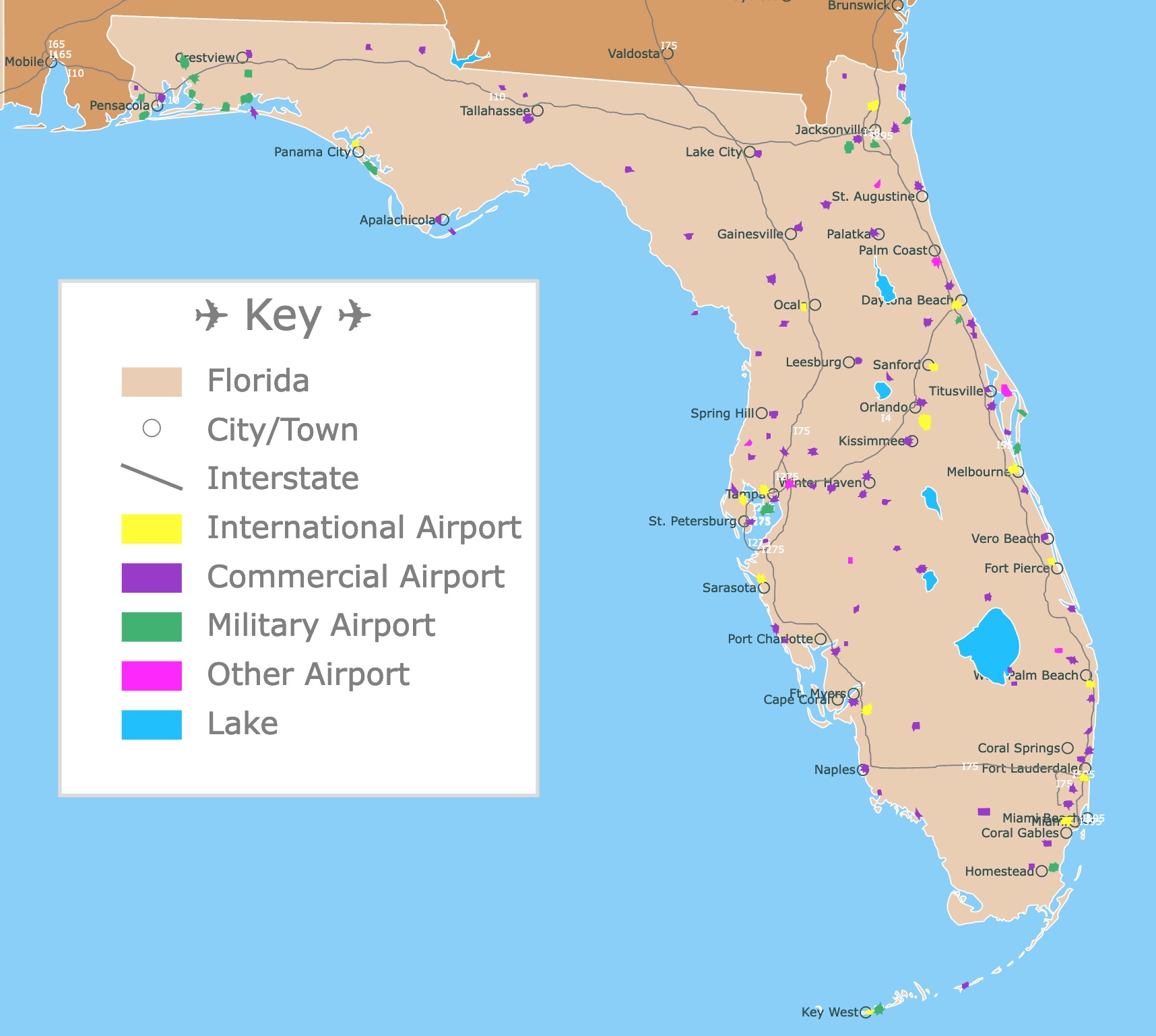
Southwest Florida International Airport (RSW)
Located in Fort Myers, Southwest Florida International Airport (RSW) is the primary gateway to the beautiful Gulf Coast region of Southwest Florida, including popular destinations like Naples, Sanibel Island, and Captiva Island. RSW handles a significant volume of international charter flights and scheduled services, particularly from Canada and seasonal flights from Europe, serving a demographic often seeking sunny escapes and pristine natural beauty.
Palm Beach International Airport (PBI)
Palm Beach International Airport (PBI) serves the affluent Palm Beach County area, known for its luxury resorts, golf courses, and cultural institutions. PBI offers international flights primarily to Canada and the Caribbean, catering to both vacationers and seasonal residents. Its convenient location and highly-rated passenger experience make it a preferred choice for those traveling to Southeast Florida’s more upscale destinations.
Other Key International Airports
The remaining international airports play crucial roles in their respective regions:
- Jacksonville International Airport (JAX): Serving Northeast Florida and Southeast Georgia, with connections to Canada and the Caribbean.
- Orlando Sanford International Airport (SFB): An important secondary airport for the Orlando area, popular with European charter airlines.
- Sarasota-Bradenton International Airport (SRQ): Serving the beautiful Gulf Coast cities of Sarasota and Bradenton, with international connections.
- St. Pete–Clearwater International Airport (PIE): A hub for low-cost carriers, offering international flights to Canada and the Caribbean from the Tampa Bay area.
- Northwest Florida Beaches International Airport (ECP): Serving Panama City Beach and the Emerald Coast, with some international services.
- Pensacola International Airport (PNS): Providing international access to the Florida Panhandle.
- Key West International Airport (EYW): The southernmost airport, offering international flights to the Caribbean and facilitating travel to the Florida Keys.
- Melbourne Orlando International Airport (MLB): Serving the Space Coast with international flight capabilities.
- Daytona Beach International Airport (DAB): Offering international services to the Daytona Beach area.
- Gainesville Regional Airport (GNV): A smaller gateway with customs facilities, serving Gainesville and North Central Florida.
- Tallahassee International Airport (TLH): Serving Florida’s capital, with the capability to handle international arrivals.
- Punta Gorda Airport (PGD): A rapidly growing airport focused on low-cost carriers, offering international services to parts of Canada.
- Destin–Fort Walton Beach Airport (VPS): A military-civilian airport in the Florida Panhandle with international capabilities.
The Economic and Travel Impact of Florida’s Air Travel Network
The sheer number of international airports in Florida underscores the state’s global importance. Each airport, whether a mega-hub or a regional gateway, plays a crucial role in the state’s economy, particularly in its massive tourism industry. These facilities not only bring in millions of visitors who contribute significantly to local economies through spending on accommodation, dining, attractions, and retail but also facilitate international trade and commerce. The presence of numerous international entry points enhances accessibility for business travelers, fostering investment and economic development across various sectors.
For travelers, this extensive network translates into convenience and choice. Depending on their final destination within the state, international visitors can often find a direct flight to an airport relatively close to their desired location, minimizing further travel time and enhancing their overall experience. This distributed network reduces congestion at any single point of entry and provides a more localized welcome to the diverse regions of Florida.
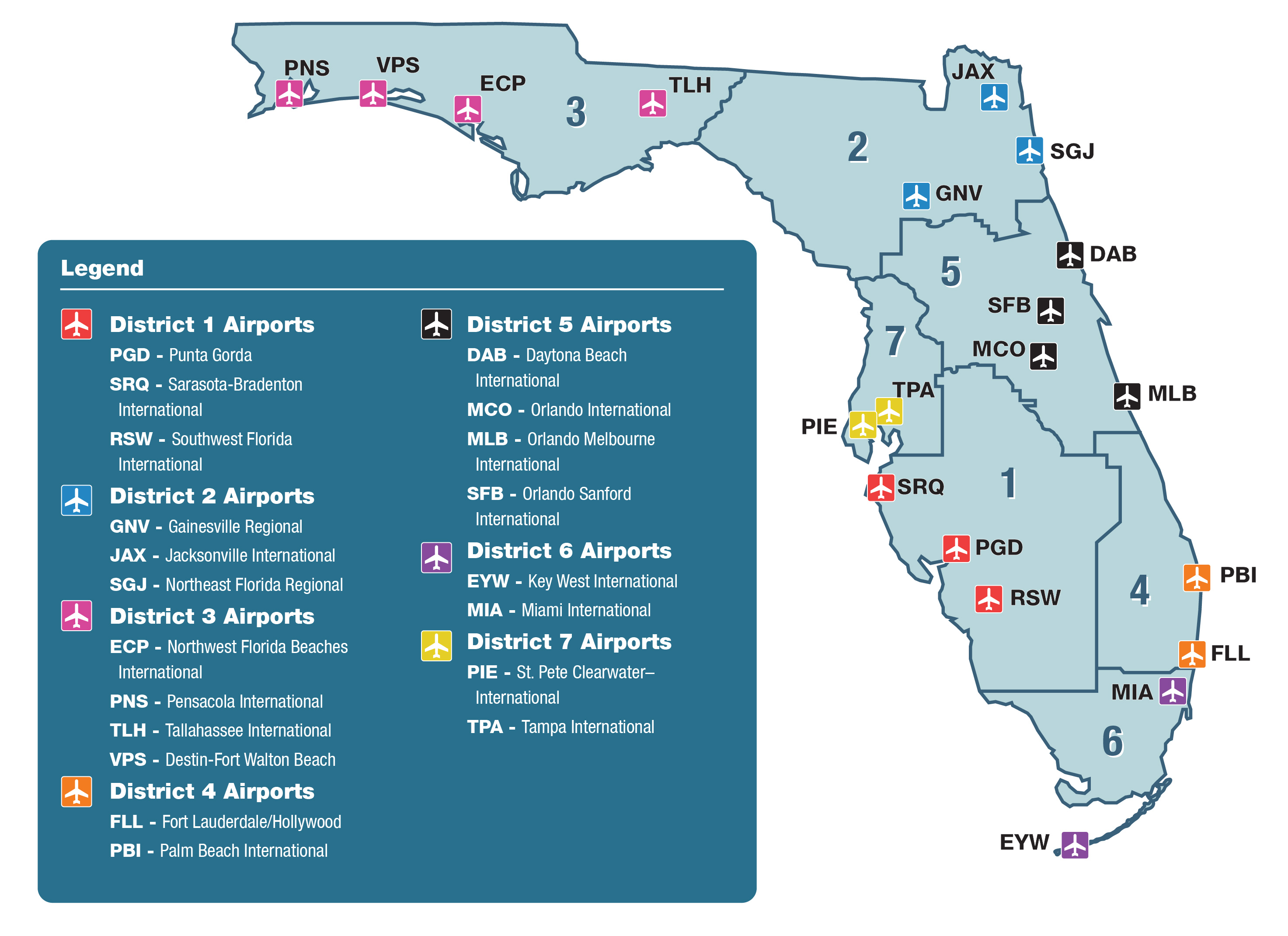
Navigating Florida’s International Airports: Tips for Travelers
Understanding the landscape of Florida’s international airports can significantly enhance a traveler’s journey. When planning an international trip to Florida:
- Consider Your Final Destination: Choose an airport that offers the most direct route and is geographically closest to your lodging or primary attractions to save time and reduce ground transportation costs.
- Check Customs Wait Times: Major airports like MIA and MCO can have longer wait times for customs and immigration, especially during peak travel seasons. Utilize tools like the Mobile Passport Control app or Global Entry for expedited processing if eligible.
- Explore Airline Options: International flights can vary widely in price and availability across different airports. Low-cost carriers often operate out of secondary international airports like SFB or FLL, potentially offering more budget-friendly options.
- Plan Ground Transportation: Research transportation options from your arrival airport to your destination. Major airports offer extensive car rental services, rideshares, taxis, and public transit. Smaller airports might have more limited options, making pre-booking essential.
In conclusion, Florida’s’s impressive tally of 19 international airports is a testament to its status as a world-class travel destination. This robust infrastructure not only welcomes visitors from every corner of the globe but also forms the backbone of the state’s vibrant tourism economy and international business relations, ensuring seamless connectivity for all who seek to experience the unique charm of the Sunshine State.
LifeOutOfTheBox is a participant in the Amazon Services LLC Associates Program, an affiliate advertising program designed to provide a means for sites to earn advertising fees by advertising and linking to Amazon.com. Amazon, the Amazon logo, AmazonSupply, and the AmazonSupply logo are trademarks of Amazon.com, Inc. or its affiliates. As an Amazon Associate we earn affiliate commissions from qualifying purchases.