
The allure of the Hawaiian Islands is undeniable. A remote archipelago nestled in the vast Pacific Ocean, Hawaii represents a dream destination for millions, synonymous with pristine beaches, lush landscapes, vibrant culture, and unparalleled natural beauty. When planning a visit to this captivating United States state, a fundamental question often arises: how many of these stunning islands are actually inhabited and accessible to travelers?
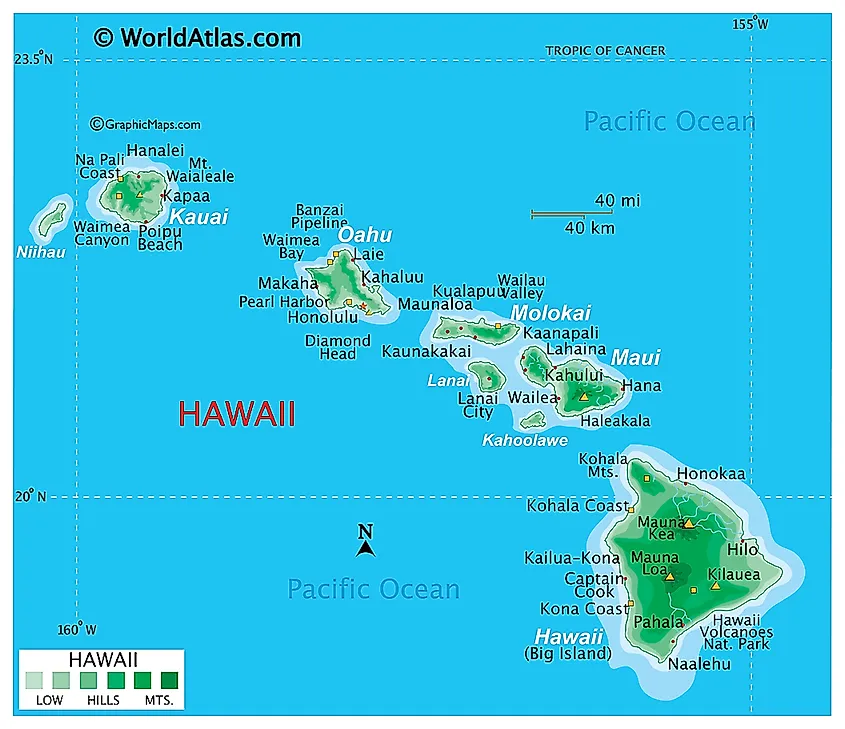
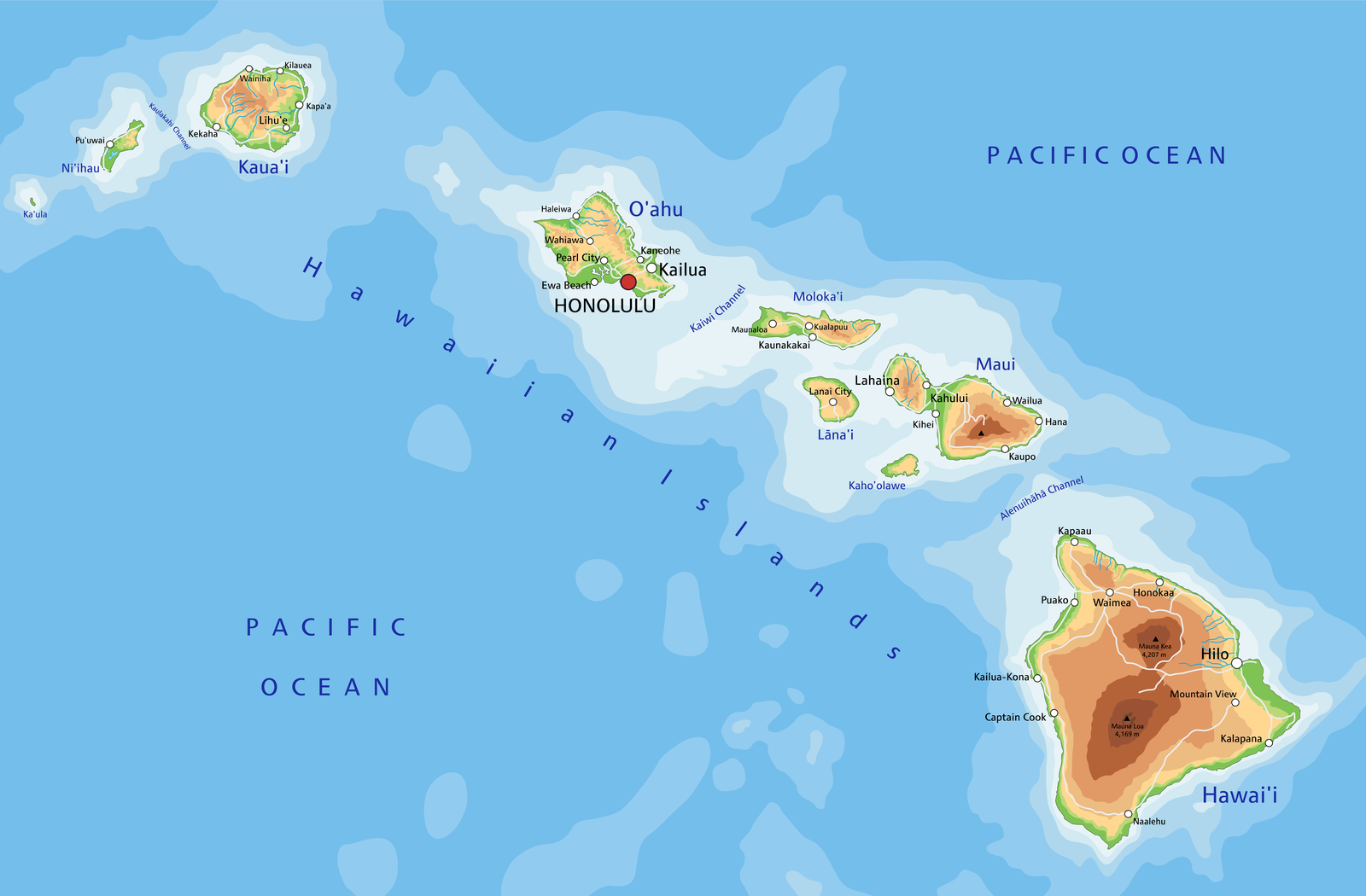
While the entire Hawaiian archipelago consists of 137 islands, islets, and atolls stretching over 1,500 miles, the reality for human habitation and tourism is far more concentrated. Geographically, these islands are divided into two main groups: the eight main (high) islands to the southeast and the much smaller, older, and mostly uninhabited Northwestern Hawaiian Islands to the northwest. For most travelers, the focus narrows significantly to the select few islands that offer infrastructure, communities, and the renowned experiences that define a Hawaiian vacation. Understanding which islands host bustling towns, vibrant resorts, and welcoming communities is key to unlocking the perfect island escape.
The Eight Main Islands: A Closer Look at Habitation
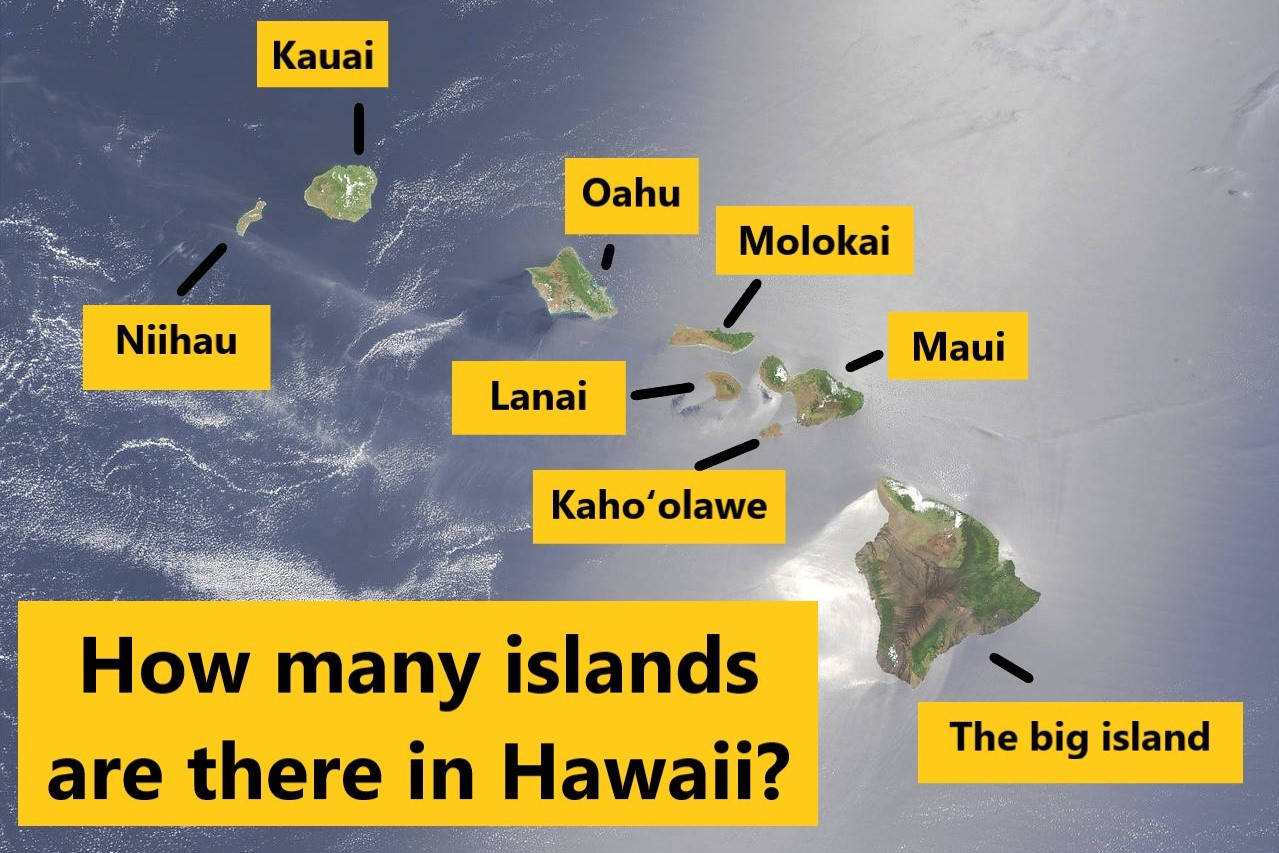
Of the eight largest islands, six are readily accessible and widely considered inhabited for public travel and residence. A seventh, Niihau, maintains a unique, restricted form of habitation. The eighth, Kahoolawe, is uninhabited and serves historical and environmental purposes. This distinction is crucial for travelers, as it guides where one can realistically plan to stay, explore, and immerse themselves in island life.
Oahu: The Gathering Place
Often considered the heart of Hawaii for its population and economic activity, Oahu is undoubtedly the most inhabited and visited island. Home to the state capital, Honolulu, and the iconic Waikiki Beach, Oahu offers a dynamic blend of cosmopolitan sophistication and natural splendor. Its population density and extensive infrastructure provide a vast array of hotels, restaurants, shops, and attractions. From the historic significance of Pearl Harbor to the scenic vistas atop Diamond Head and the world-famous surf breaks of the North Shore, Oahu caters to every type of traveler seeking an energetic and diverse experience. The Polynesian Cultural Center is another significant draw, offering deep insights into Polynesian heritage.
Maui: The Valley Isle
Maui, known as “The Valley Isle,” is Hawaii’s second-largest and second-most populated island, renowned for its luxurious resorts, stunning beaches, and diverse landscapes. Its western and southern coasts, particularly around Lahaina and Wailea, are well-developed tourist hubs. Visitors flock to Maui for its breathtaking drive along the Road to Hana, sunrise views from the summit of Haleakala National Park, and world-class whale watching during winter months. The island’s vibrant culinary scene and abundant outdoor activities, from snorkeling to surfing, make it a perennial favorite for both relaxation and adventure.
Hawaii Island: The Big Island
Simply called the “Big Island” to avoid confusion with the state itself, Hawaii is the largest island in the archipelago, continually expanding due to active volcanoes. It is home to Hawaii Volcanoes National Park, where visitors can witness the raw power of creation at Kilauea and Mauna Loa volcanoes. The Big Island boasts an incredible diversity of ecosystems, from black sand beaches to snow-capped mountains and lush rainforests. Major population centers and tourist areas include Kona on the west coast, famous for its coffee and marine activities, and Hilo on the east, known for its waterfalls and botanical gardens. Its vastness means a less dense population feel than Oahu or Maui, offering a more spread-out, adventurous experience.
Kauai: The Garden Isle
Kauai, often called “The Garden Isle,” is the oldest and fourth-largest of the main islands, celebrated for its dramatic, verdant landscapes, including the majestic Na Pali Coast and the vast Waimea Canyon. It offers a more tranquil and natural experience compared to its busier counterparts. While there are popular resort areas like Poipu and Princeville, much of Kauai remains untouched and wild, appealing to hikers, nature lovers, and those seeking a peaceful retreat. The main airport and administrative center is Lihue.
Molokai: The Friendly Isle
Molokai is an island that prides itself on maintaining its strong Hawaiian traditions and rural charm. Known as “The Friendly Isle,” it offers a glimpse into old Hawaii, with fewer crowds and no traffic lights. The primary town is Kaunakakai. While it possesses stunning natural beauty, including the world’s highest sea cliffs and remote Kalaupapa Peninsula, its tourism infrastructure is minimal. Visitors come here for an authentic experience, to connect with local culture, and to enjoy undisturbed natural environments, often through eco-tourism activities.
Lanai: The Pineapple Isle
Once almost entirely dedicated to pineapple plantations, Lanai has transformed into a luxury retreat. It offers a unique blend of high-end resorts and rugged, off-road adventures. Often referred to as “The Pineapple Isle,” it is the smallest publicly accessible inhabited island. Its population is small, centered around Lanai City. Visitors can enjoy world-class golf, secluded beaches, and explore vast tracts of wilderness. The transition from agricultural hub to exclusive getaway has preserved much of its natural beauty, providing a distinct travel experience.
Niihau: The Forbidden Isle
Niihau holds a special place in the Hawaiian archipelago. Privately owned since 1864 by the Robinson family, it is famously known as “The Forbidden Isle.” Access is strictly limited, primarily to family members, invited guests, and a few government officials. Its small, permanent population consists almost entirely of native Hawaiians who maintain a traditional lifestyle, speaking the Hawaiian language as their primary tongue and living off the land and sea. There are no paved roads, cars, or modern amenities. While inhabited, it is not accessible for general tourism, though limited, supervised excursions (like helicopter tours over portions of the island) are occasionally offered from Kauai. For all intents and purposes, it remains a secluded enclave.
The Uninhabited Wonders: Conservation and Mystery
Beyond these seven, the remaining “eighth” main island, Kahoolawe, remains uninhabited. Historically used as a bombing range by the United States Navy for decades, it is now undergoing extensive restoration efforts and is culturally significant to native Hawaiians. Access is restricted for most, focusing on cultural practices, environmental restoration, and unexploded ordnance removal.
Further northwest lie the Northwestern Hawaiian Islands – a chain of small islands, atolls, and shoals. These remote, low-lying landforms are largely uninhabited by humans but serve as critical habitats for a vast array of marine life and seabirds. They are protected within the Papahanaumokuakea Marine National Monument, one of the largest protected marine areas in the world, designated as a UNESCO World Heritage site. Access to these islands is heavily restricted and requires special permits, primarily for scientific research and conservation purposes. They represent the wild, untamed essence of Hawaii, untouched by human development.
Planning Your Hawaiian Adventure: Choosing Your Inhabited Isle
With seven inhabited islands (six generally accessible) providing a spectrum of experiences, choosing the right Hawaiian island for your travel depends entirely on your preferences.
- For first-time visitors or those seeking a vibrant mix of city life, history, and beaches: Oahu is an excellent choice.
- For luxury, romance, and stunning natural beauty with a touch of adventure: Maui delivers.
- For dramatic volcanic landscapes, diverse ecosystems, and a more expansive feel: The Big Island offers unparalleled exploration.
- For lush, dramatic scenery, outdoor adventure, and a more laid-back pace: Kauai is the ideal “Garden Isle.”
- For an authentic, traditional Hawaiian experience away from the crowds: Molokai provides a unique cultural immersion.
- For an exclusive, luxurious retreat combined with rugged exploration: Lanai offers a distinct blend.
Each of these inhabited islands presents its own unique character, attractions, and cultural nuances. While the entire Hawaiian archipelago is vast, the magic of a Hawaiian vacation truly unfolds across these select, welcoming islands, each inviting travelers to discover its distinct charm and spirit of aloha. By understanding which islands are inhabited, you can tailor your journey to create an unforgettable adventure in this tropical paradise.
LifeOutOfTheBox is a participant in the Amazon Services LLC Associates Program, an affiliate advertising program designed to provide a means for sites to earn advertising fees by advertising and linking to Amazon.com. Amazon, the Amazon logo, AmazonSupply, and the AmazonSupply logo are trademarks of Amazon.com, Inc. or its affiliates. As an Amazon Associate we earn affiliate commissions from qualifying purchases.