
Hawaii, the 50th state of the United States, evokes images of pristine beaches, lush rainforests, and volcanic landscapes. This tropical paradise is a dream destination for travelers worldwide, offering a unique blend of natural beauty, vibrant culture, and unparalleled hospitality. But a common question that often arises when planning a trip to this Pacific gem is: exactly how many islands make up the Hawaiian archipelago? The answer, like the islands themselves, is multifaceted and fascinating, revealing a rich geological history and a diverse array of experiences waiting to be discovered.
While most people are familiar with the major tourist destinations, the full scope of Hawaii’s island chain extends far beyond the well-trodden paths. From bustling metropolitan centers to secluded natural wonders, the islands collectively represent a journey through time and nature. Understanding the number and nature of these islands is crucial for appreciating the depth of experiences Hawaii offers, whether you’re seeking adventure, relaxation, cultural immersion, or simply breathtaking scenery. This guide will delve into the geographical makeup of Hawaii, highlighting the main islands, their distinct characteristics, and what makes each a unique point of interest for any traveler.
The Hawaiian Archipelago: A Geographic Marvel
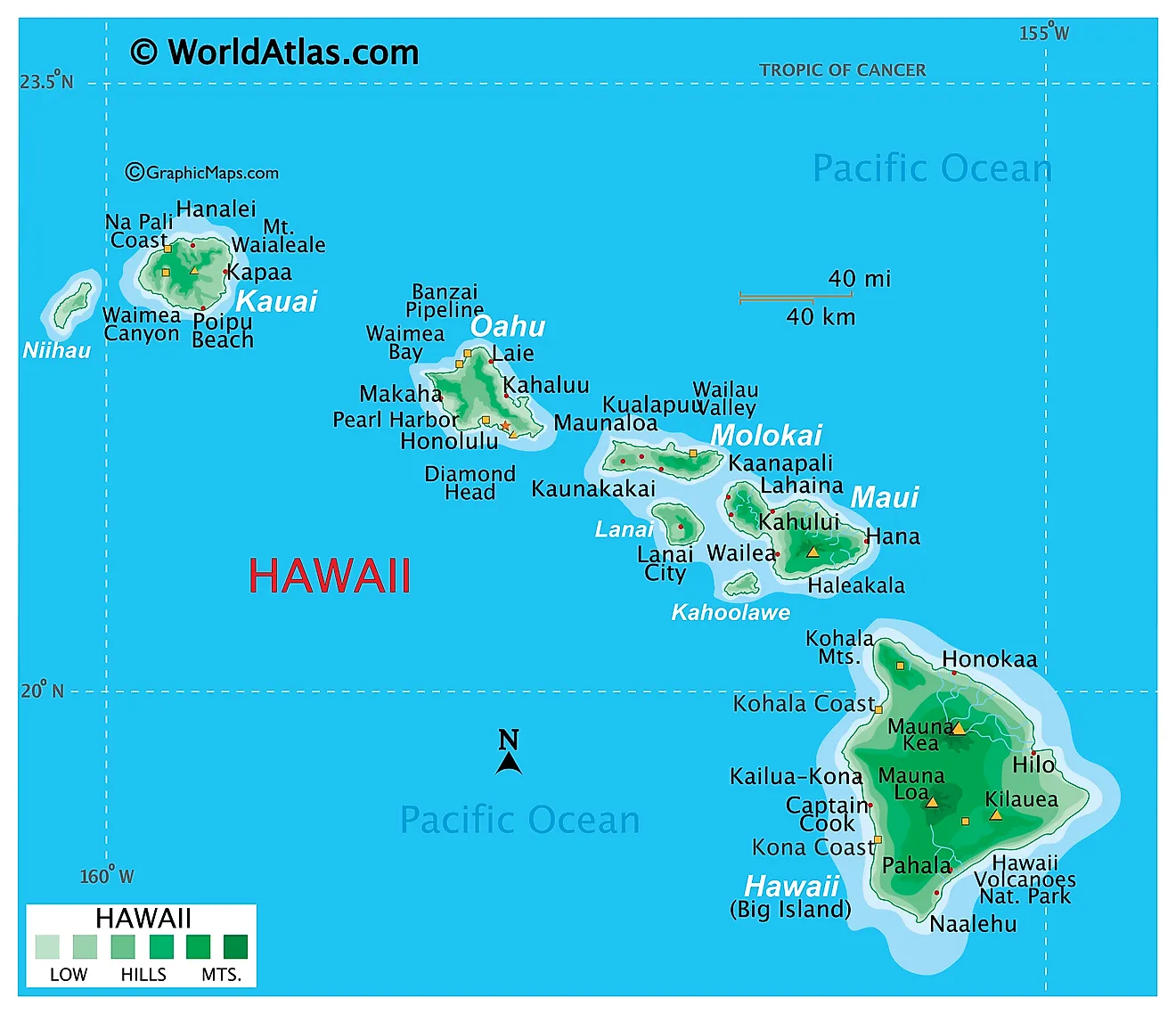
The Hawaiian Islands are an archipelago of 137 islands and atolls, stretching over 1,500 miles (2,400 km) across the central Pacific Ocean. This incredible chain is the result of millions of years of volcanic activity, formed as the Pacific Plate slowly moved over a stationary hotspot in the Earth’s mantle. This geological process created a series of islands, with the youngest and most active volcanoes located in the southeast, on Hawaii Island (commonly known as the Big Island), and the oldest, most eroded islands found to the northwest.
While the total count of 137 might seem overwhelming, it’s important to distinguish between the geologically defined archipelago and the islands that are practically relevant for tourism, residence, and general knowledge. The vast majority of these 137 landforms are tiny islets, rocks, or atolls that are uninhabited and often protected as wildlife refuges. For all practical purposes, when people refer to the Hawaiian Islands, they are typically speaking of the eight main islands. These eight islands form the southeastern end of the chain and are the most significant in terms of landmass, population, and tourism infrastructure.
The Eight Main Islands: A Closer Look
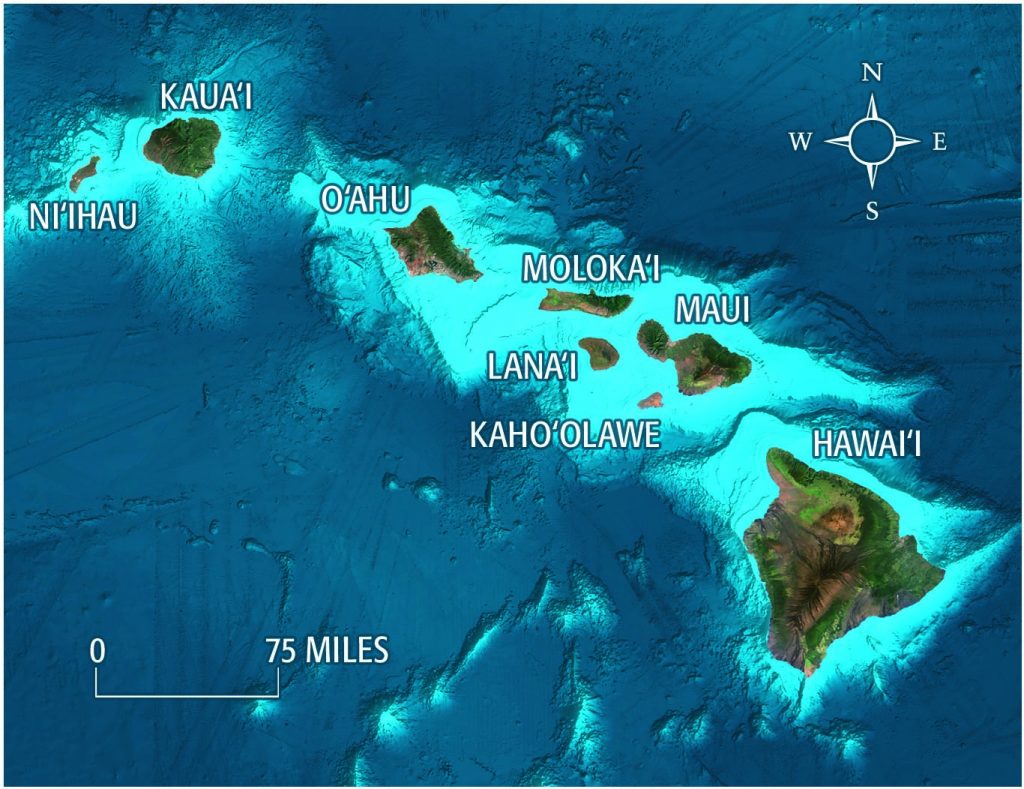
Of the extensive chain, eight islands stand out as the principal landmasses, each with its own unique charm and attractions. These are: Oahu, Maui, Lanai, Molokai, Kauai, Niihau, Kahoolawe, and Hawaii Island (the Big Island). Each of these islands offers a distinct experience, from the bustling city life of Honolulu to the serene, untouched beauty of Molokai or the stark volcanic landscapes of the Big Island.
These eight main islands represent the heart of Hawaiian culture, economy, and tourism. They are where you’ll find the vast majority of hotels, resorts, attractions, and local communities. Their individual characteristics allow for diverse travel experiences, catering to different preferences, whether you’re seeking vibrant nightlife, secluded romantic getaways, family-friendly adventures, or immersive cultural tours.
Beyond the Main Eight: Northwestern Hawaiian Islands
Beyond the eight main islands lies the vast expanse of the Northwestern Hawaiian Islands, also known as the Leeward Islands. This stretch of small islands, atolls, and submerged banks extends nearly 1,200 miles from Nihoa to Kure Atoll. These islands are largely uninhabited by humans and are primarily dedicated to wildlife conservation. They form the Papahānaumokuākea Marine National Monument, one of the largest marine protected areas in the world and a UNESCO World Heritage site.
These remote islands, including significant landforms like Midway Atoll, Pearl and Hermes Atoll, Laysan, Lisianski Island, Gardner Pinnacles, and French Frigate Shoals, are crucial habitats for a myriad of marine species, including Hawaiian monk seals, green sea turtles, and numerous species of seabirds. Access to these areas is highly restricted and requires special permits, primarily for scientific research and conservation efforts. While not part of the typical tourist itinerary, their existence is a testament to the archipelago’s vastness and its critical role in global biodiversity.
Exploring the Main Hawaiian Islands: Destinations and Experiences
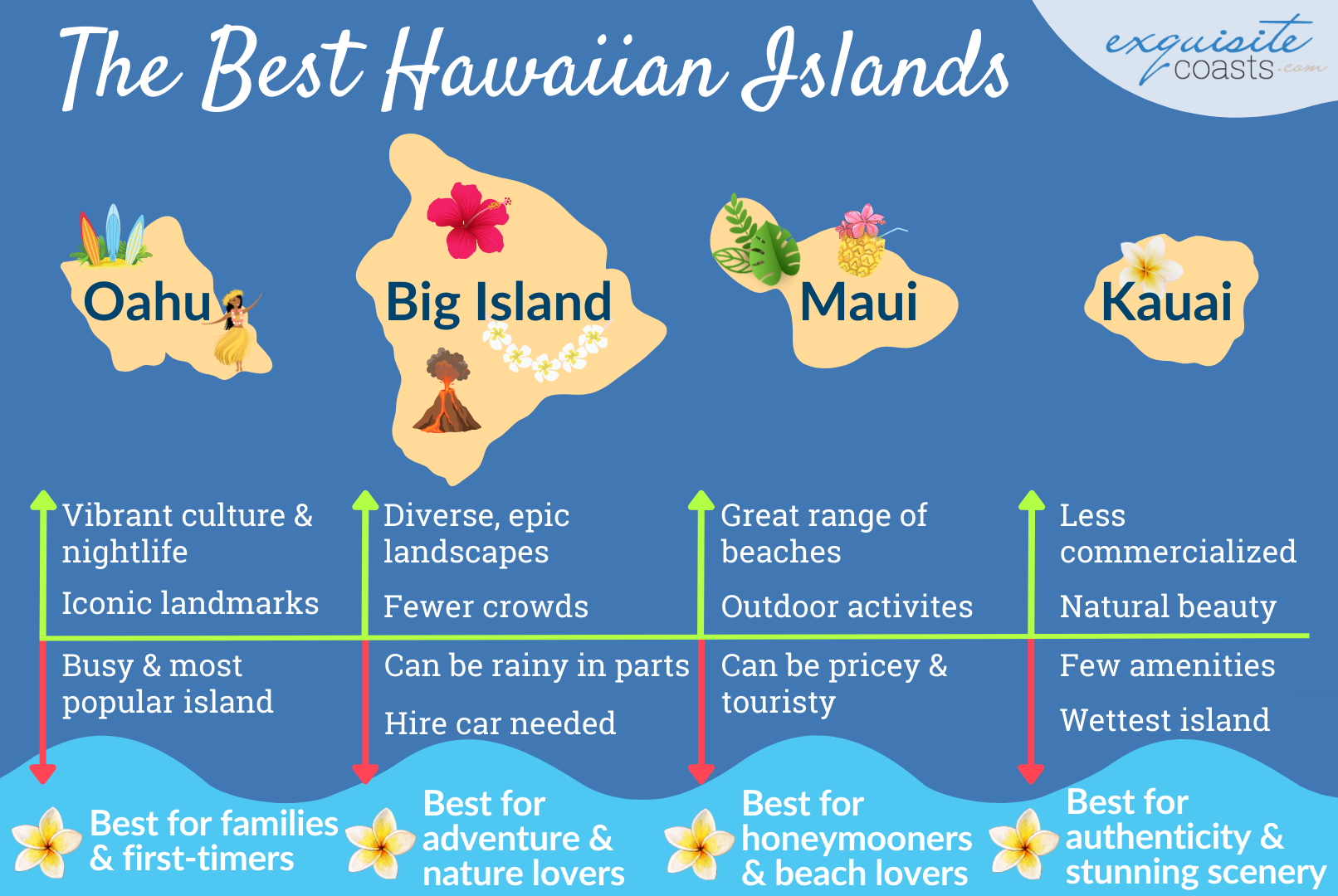
Each of Hawaii’s main islands offers a distinct flavor and a unique set of adventures. Understanding these differences is key to crafting the perfect Hawaiian experience. From the bustling urban charm of Oahu to the serene beauty of Kauai, there’s an island for every type of traveler.
Oahu: The Gathering Place
Often called “The Gathering Place,” Oahu is the most populated and developed of the Hawaiian Islands, serving as the cultural and economic hub. It’s home to the state capital, Honolulu, and the iconic Waikiki Beach, famous for its surfing waves, luxury resorts, and vibrant nightlife. Beyond the sandy shores, Oahu offers a rich historical tapestry, most notably at Pearl Harbor, a poignant reminder of World War II. For nature enthusiasts, the hike up Diamond Head offers panoramic views of Waikiki and the coastline, while the legendary North Shore beckons surfers with its massive winter waves.
Oahu provides a diverse range of accommodations, from grand hotels like Hilton Hawaiian Village Waikiki Beach Resort and The Royal Hawaiian to charming boutique hotels and vacation rentals. Lifestyle options here cater to everyone, from luxury travelers seeking opulent suites and fine dining to budget travelers exploring local eateries and free activities. Family trips thrive on Oahu, with attractions like the Honolulu Zoo, Waikiki Aquarium, and various water sports.
Maui: The Valley Isle
Known as “The Valley Isle,” Maui is celebrated for its stunning natural beauty, world-class beaches, and vibrant tourism scene. Its most famous drive, the Road to Hana, winds through lush rainforests, past cascading waterfalls, and breathtaking coastal vistas. Sunrise or sunset from the summit of Haleakala National Park, a dormant volcano, is an unforgettable experience. The resort areas of Ka’anapali and Wailea boast luxurious accommodations like the Hyatt Regency Maui Resort and Spa and Andaz Maui at Wailea Resort, perfect for discerning travelers.
The historic whaling town of Lahaina offers charming shops, art galleries, and waterfront dining. Maui is also a premier destination for whale watching during the winter months, snorkeling at Molokini Crater, and enjoying championship golf courses. Local culture is rich here, with numerous luaus and festivals providing insight into Hawaiian traditions.
Big Island (Hawaii Island): The Orchid Isle
The largest of the islands, Hawaii Island (the Big Island), lives up to its name, offering incredibly diverse landscapes, from active volcanoes to black sand beaches. It is the youngest island and home to Kilauea, one of the most active volcanoes in the world, located within Hawaii Volcanoes National Park. Visitors can witness steaming vents and dramatic lava flows (when conditions permit). The island also boasts the towering peak of Mauna Kea, a dormant volcano and a prime spot for stargazing.
The Kona side of the island is famous for its coffee plantations, sunny weather, and calm waters, ideal for snorkeling and diving. Hilo, on the wetter east side, is known for its lush rainforests, botanical gardens, and impressive waterfalls like Akaka Falls State Park. Accommodation ranges from luxurious Mauna Lani, Auberge Resorts Collection to charming bed and breakfasts, catering to various budget travel options. The island truly embodies the spirit of exploration and natural wonder.
Kauai: The Garden Isle
Kauai, known as “The Garden Isle,” is an island of unparalleled natural beauty, characterized by dramatic cliffs, emerald valleys, and pristine beaches. The iconic Napali Coast, with its towering sea cliffs and secluded beaches, is best explored by boat, helicopter, or a challenging hike along the Kalalau Trail within Na Pali Coast State Wilderness Park. Another natural marvel is Waimea Canyon State Park, often dubbed the “Grand Canyon of the Pacific,” offering stunning vistas and hiking opportunities.
The south shore, particularly the Poipu area, is popular for its sunny weather and family-friendly resorts. The north shore, including Princeville and Hanalei Bay, offers breathtaking scenery and excellent surfing. Kauai is a fantastic destination for those seeking adventure, from kayaking on the Wailua River to ziplining through its lush interior. Accommodation here leans towards villas and condos, ideal for longer stays and larger groups.
Lanai: The Private Isle
Once a pineapple plantation, Lanai is now known as “The Private Isle,” offering a tranquil, luxurious escape. With only 30 miles of paved roads, much of the island’s charm lies in its rugged, undeveloped landscape, best explored by 4×4 vehicles. It’s a haven for discerning travelers seeking serenity and high-end amenities. The island boasts two exquisite Four Seasons Resorts: one overlooking Hulopoe Bay (Four Seasons Resort Lanai) and another nestled in the highlands near Lanai City.
Activities on Lanai include championship golf, horseback riding, sporting clays, and exploring landmarks like the Garden of the Gods and Shipwreck Beach (also known as Kaiolohia). Lanai offers an intimate and exclusive Hawaiian experience, focusing on personalized service and unspoiled natural beauty. It’s an excellent choice for honeymoons or those seeking a truly secluded retreat.
Molokai: The Friendly Isle
Often referred to as “The Friendly Isle,” Molokai offers a glimpse into old Hawaii, largely untouched by mass tourism. It’s known for preserving its local culture and relaxed pace of life. The island boasts the highest sea cliffs in the world, along its remote north shore, which can be viewed by helicopter or a boat tour. The historic Kalaupapa National Historical Park, once a leper colony, offers a poignant and educational experience, accessible by mule ride or guided tour.
Molokai is not about luxurious resorts; instead, it offers charming condos, vacation rentals, and small hotels, catering to travelers who prioritize authenticity and natural beauty over modern conveniences. It’s an ideal destination for those interested in hiking, kayaking, and immersing themselves in genuine Hawaiian traditions.
Niihau: The Forbidden Isle
Niihau, known as “The Forbidden Isle,” is privately owned and has a unique history. It has been privately owned by the Robinson family since 1864 and is home to about 170 native Hawaiian residents who maintain traditional Hawaiian ways of life, speaking the Hawaiian language almost exclusively. Access to the island is extremely restricted to preserve its culture and natural environment. Non-residents are generally not allowed, with very few exceptions such as guided hunting safaris or helicopter tours that land briefly on a secluded beach. This island stands as a remarkable example of cultural preservation.
Kahoolawe: The Target Isle
Kahoolawe, “The Target Isle,” is the smallest of the eight main islands. For decades, it was used as a bombing range by the United States military and remains uninhabited and largely inaccessible due to unexploded ordnance. Efforts are underway for its environmental restoration, aiming to return it to its natural state. Though not a tourist destination, its history and ongoing restoration efforts highlight a different facet of Hawaii’s story and its resilience.
Planning Your Hawaiian Getaway: Accommodation, Activities, and Culture
Navigating the diverse offerings of the Hawaiian Islands requires thoughtful planning, especially concerning accommodation, activities, and cultural immersion. The islands cater to every conceivable travel style and budget, making it essential to align your choices with your personal preferences for a truly unforgettable vacation.
Choosing Your Hawaiian Home: Hotels, Resorts, and Beyond
When it comes to where to stay, Hawaii presents a spectrum of choices. Hotels and resorts are abundant, especially on Oahu, Maui, and the Big Island. Options range from sprawling luxury resorts like Grand Wailea on Maui, offering a plethora of amenities such as multiple pools, spas, and fine dining, to intimate boutique hotels that provide a more personalized touch. Many resorts offer spacious suites with ocean views, ideal for families or those seeking extra comfort.
For a more independent stay, apartments and villas are popular, particularly for long-term stays or larger groups. Platforms for booking these accommodations allow for easy comparison of prices and features, with reviews from previous guests often guiding decisions. For those on a budget, hostels and guesthouses offer more economical options, especially in urban areas. Accommodation is often a significant portion of travel expenses, so thoughtful comparison and early booking are highly recommended, especially during peak seasons.
Immersing in Hawaiian Culture and Activities
Hawaii is more than just beautiful landscapes; it’s a vibrant tapestry of local culture, rich history, and unique lifestyle. Engaging with the local culture through traditional luaus, hula performances, and visits to historical sites provides a deeper appreciation for the islands. The food scene is a delicious fusion of Polynesian, Asian, and American influences, with must-try dishes like poke, kalua pig, and fresh seafood. Exploring local markets and eateries offers a taste of authentic Hawaii.
The range of activities is boundless. From exhilarating water sports like surfing, paddleboarding, and snorkeling to land-based adventures such as hiking, ziplining, and exploring volcanoes, there’s something for every adventurer. Tips for travelers often include learning a few basic Hawaiian phrases, respecting sacred sites, and practicing sustainable tourism to preserve the islands’ natural beauty. Whether planning family trips, a romantic getaway, or even business stays with leisure time, Hawaii’s diverse offerings can be tailored to meet every need.
Iconic Landmarks and Natural Wonders
Hawaii is replete with landmarks that showcase its stunning nature and profound history. Beyond the well-known Pearl Harbor and Diamond Head, consider visiting the Napali Coast on Kauai for its breathtaking vistas, or Hawaii Volcanoes National Park on the Big Island to witness the raw power of creation. The Road to Hana on Maui offers an unforgettable journey through lush landscapes and waterfalls. These famous places are not just scenic spots but also deeply intertwined with Hawaiian legends and traditions.
The islands’ unique architecture, from historic missionary churches to modern Polynesian-inspired resorts, also tells a story of cultural evolution. Exploring these landmarks enriches the travel experience, connecting visitors with the spirit of aloha and the enduring legacy of the Hawaiian people. Sustainable tourism practices are encouraged to ensure these natural wonders and cultural treasures remain vibrant for future generations.
In conclusion, while the Hawaiian archipelago is composed of 137 islands, islets, and atolls, it is the eight main islands that capture the imagination and offer the rich tapestry of experiences synonymous with a Hawaiian vacation. From the bustling shores of Oahu to the serene retreats of Lanai, each island provides a unique adventure, ensuring that every visit to this Pacific paradise is truly unforgettable.
LifeOutOfTheBox is a participant in the Amazon Services LLC Associates Program, an affiliate advertising program designed to provide a means for sites to earn advertising fees by advertising and linking to Amazon.com. Amazon, the Amazon logo, AmazonSupply, and the AmazonSupply logo are trademarks of Amazon.com, Inc. or its affiliates. As an Amazon Associate we earn affiliate commissions from qualifying purchases.