
The allure of Hawaii is undeniable, a tropical paradise often depicted as a collection of sun-drenched beaches and volcanic peaks rising from the azure waters of the Pacific Ocean. When planning a dream getaway, one of the most fundamental questions travelers ask is, “How many islands of Hawaii are there?” The answer is more nuanced than a simple number, revealing the vastness and ecological richness of this unique archipelago. While most people are familiar with a handful of major islands, the state of Hawaii is actually composed of 137 islands, islets, and atolls stretching over 1,500 miles. However, for tourism, travel planning, and general understanding, the focus typically narrows to the eight main islands, each offering its distinct personality, attractions, and lifestyle experiences.
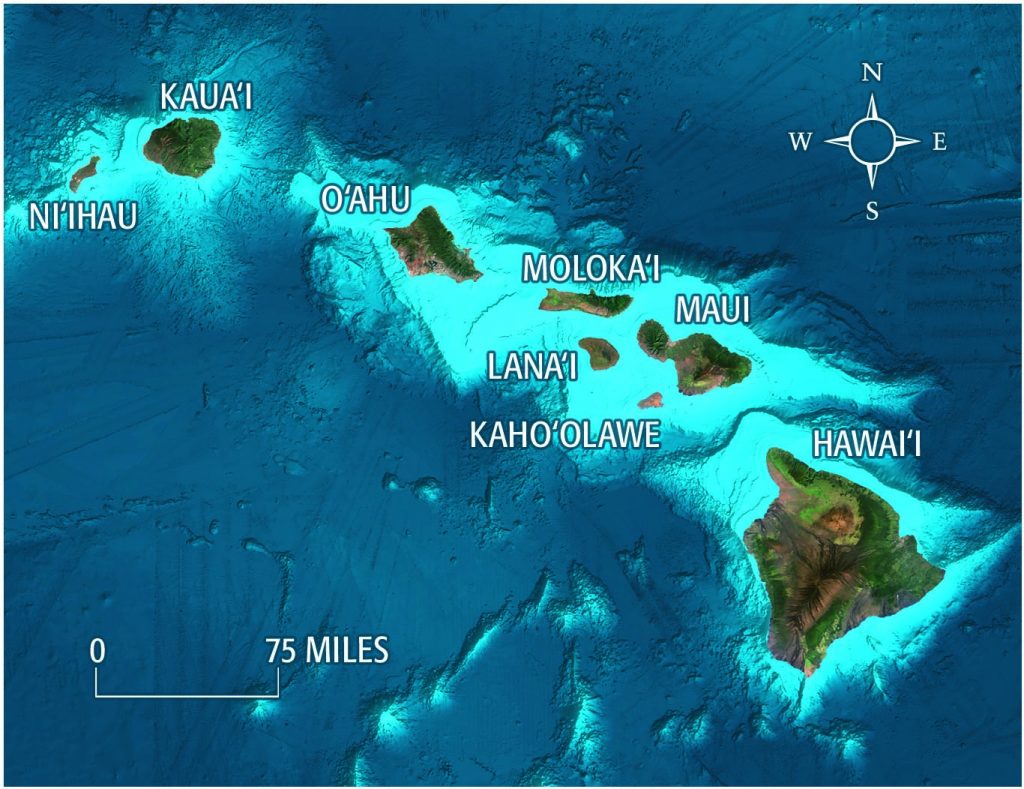
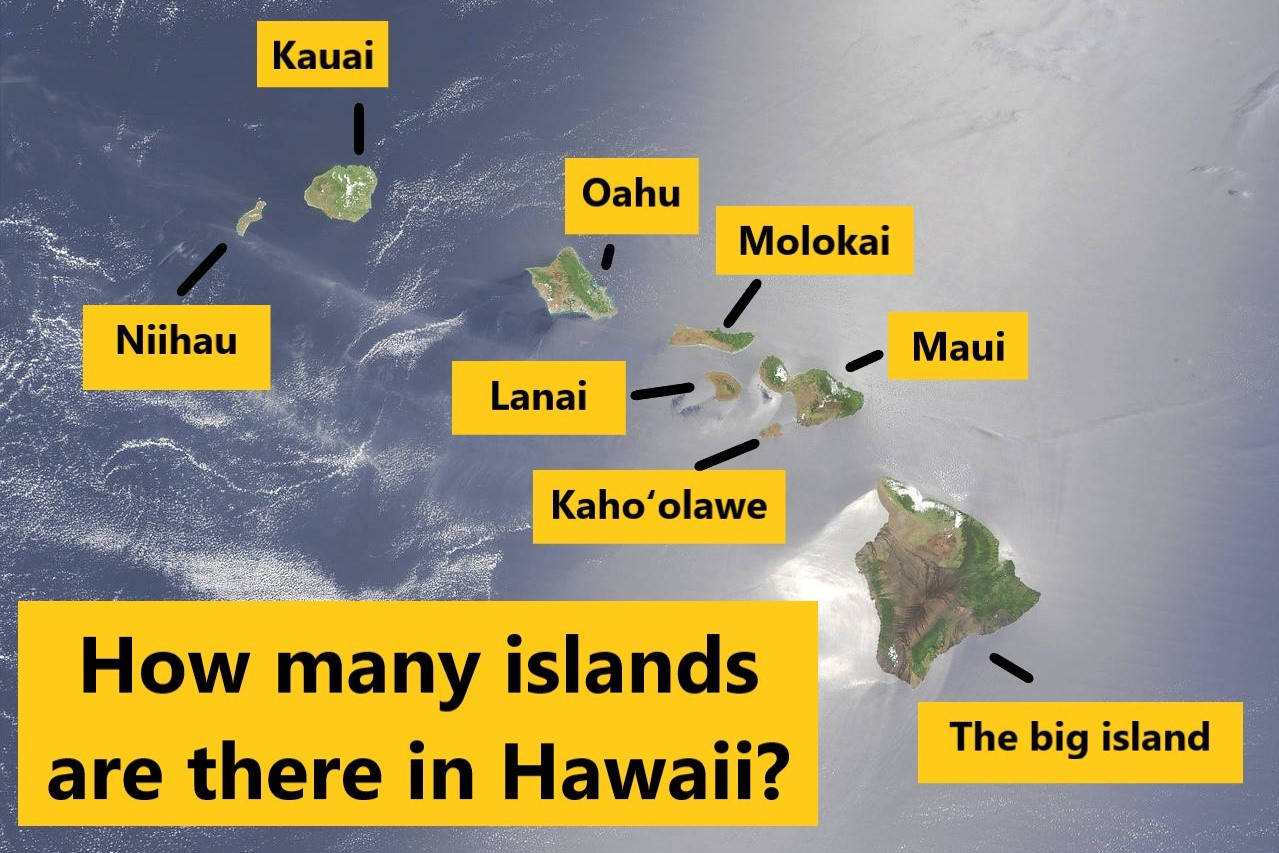
These eight principal islands form the heart of the Hawaiian experience, each a unique world waiting to be explored. From the bustling energy of Oahu to the serene seclusion of Lanai, understanding their individual characteristics is key to unlocking the perfect Hawaiian adventure. Whether you’re seeking vibrant nightlife, pristine natural wonders, luxurious resort stays, or a deep dive into local culture and cuisine, Hawaii’s diverse islands cater to every type of traveler. This comprehensive guide will navigate the Hawaiian archipelago, highlighting the main islands, their unparalleled attractions, and offering insights for an unforgettable journey.
The Hawaiian Archipelago: A Jewel in the Pacific
The Hawaiian Islands are the exposed peaks of a massive underwater mountain range formed by volcanic activity over millions of years. This chain, spanning thousands of miles, represents one of the most isolated island groups on Earth, contributing to its incredible biodiversity and unique cultural heritage. As a state of the United States, Hawaii stands out not only for its natural beauty but also for its vibrant Polynesian roots, offering a blend of ancient traditions and modern comforts. While the entire chain comprises numerous geological formations, it is the eight main islands that serve as the primary destinations for visitors worldwide.
The Eight Main Inhabited Islands
Each of the eight main Hawaiian islands contributes to the rich tapestry of the state, though only six are readily accessible to tourists, and one is privately owned with extremely limited access. Kahoolawe, the eighth, remains uninhabited and is undergoing significant restoration efforts. These islands are not just landmasses; they are distinct ecosystems and cultural hubs, each with its own nickname that hints at its character. Understanding their individual offerings is the first step in tailoring your ideal Hawaiian getaway.
Diving Deeper into Each Major Island
Let’s embark on a journey through the most significant islands of Hawaii, exploring what makes each one a compelling destination for travelers. From world-class accommodations to natural landmarks and unique cultural experiences, each island promises a memorable stay.
[Oahu]: The Gathering Place
Often the first point of entry for international visitors, Oahu lives up to its nickname as “The Gathering Place.” It is the most populous and developed island, home to the state capital, Honolulu, and the iconic Waikiki Beach. Oahu offers an exciting blend of city life, historical sites, and stunning natural beauty. Travelers can spend their days learning about history at Pearl Harbor, hiking to the summit of Diamond Head for panoramic views, or catching waves on the legendary North Shore, famous for its big wave surfing during winter months.
Accommodation on Oahu ranges from luxurious high-rise hotels and resorts in Waikiki to charming boutique stays and vacation rentals across the island. The dining scene is equally diverse, from gourmet restaurants to local food trucks serving traditional Hawaiian dishes. For those interested in nightlife, Honolulu provides numerous options. It’s an ideal destination for families, couples, and solo travelers seeking a vibrant, amenity-rich experience combined with easy access to adventure and culture.
[Maui]: The Valley Isle
Maui, known as “The Valley Isle,” consistently ranks among the world’s top island destinations, celebrated for its exquisite beaches, lush landscapes, and upscale resorts. This island strikes a perfect balance between sophisticated tourism and untouched natural beauty. A drive along the famed Hana Highway reveals breathtaking waterfalls, verdant rainforests, and secluded beaches. Witnessing the sunrise from the dormant volcanic crater of Haleakala National Park is an unforgettable experience, offering views that stretch across the clouds.
Maui is particularly popular for honeymooners and luxury travelers, with high-end resorts concentrated in areas like Wailea and Ka’anapali. The historic town of Lahaina offers a charming glimpse into Maui’s whaling past, now bustling with shops, art galleries, and restaurants. Whale watching (seasonal), snorkeling at Molokini Crater, and indulging in farm-to-table cuisine are just a few of the activities that draw visitors to this enchanting island.
[Hawaii Island]: The Big Island of Adventure
As its name suggests, Hawaii Island, or “The Big Island,” is the largest in the chain and home to the world’s most active volcanoes. Its diverse landscape encompasses 11 of the world’s 13 climate zones, from black sand beaches to snow-capped mountains. The star attraction is undoubtedly Hawaii Volcanoes National Park, where visitors can witness the raw power of creation as land is constantly being formed by the active volcanoes, Kilauea and Mauna Loa.
Beyond volcanic wonders, the Big Island offers exceptional snorkeling and diving in the clear waters off Kona, starlit astronomy tours atop Mauna Kea, and tours of coffee plantations. The eastern side, centered around Hilo, is lush and rainy, contrasting sharply with the dry, sunny Kona coast. Accommodation ranges from luxury resorts and villas to more budget-friendly hotels and charming bed & breakfasts, making it suitable for adventure seekers and those desiring a truly diverse Hawaiian experience.
[Kauai]: The Garden Isle
Kauai, known as “The Garden Isle,” is a verdant paradise characterized by dramatic cliffs, cascading waterfalls, and lush rainforests. It is arguably the most visually stunning of the islands, with the iconic Na Pali Coast serving as its crown jewel. This rugged coastline, accessible only by air, boat, or an arduous hike, offers unparalleled views that have graced countless films. The “Grand Canyon of the Pacific,” Waimea Canyon, is another natural wonder, offering spectacular vistas and hiking opportunities.
Kauai appeals to nature lovers, hikers, and those seeking a tranquil escape. Popular activities include kayaking, ziplining, and exploring the island’s many botanical gardens. Towns like Kapaa and Poipu offer a range of accommodations, from sprawling resorts to cozy vacation rentals, emphasizing a slower pace of life. The island’s serene atmosphere and abundance of outdoor activities make it perfect for a rejuvenating and adventurous holiday.
[Molokai]: The Friendly Isle
For those yearning for an authentic taste of old Hawaii, Molokai, “The Friendly Isle,” offers a profound sense of local culture and tranquility. With very little development and no traffic lights, Molokai is a step back in time, preserving a lifestyle deeply connected to Hawaiian traditions. Visitors can explore the island’s historical significance at Kalaupapa National Historical Park, once a remote settlement for those with Hansen’s disease, or marvel at the highest sea cliffs in the world along its northern coast.
Molokai is not about luxurious resorts but rather about community-based tourism, sustainable practices, and immersing oneself in the local way of life. Accommodations are generally simpler, focusing on charming condos, cottages, and small hotels. It’s an ideal destination for eco-tourists, cultural explorers, and anyone looking to disconnect from the modern world and connect with genuine Hawaiian aloha.
[Lanai]: Hawaii’s Secluded Retreat
Once known as “The Pineapple Isle” for its expansive pineapple plantations, Lanai has transformed into “Hawaii’s Secluded Retreat,” catering to luxury travelers seeking privacy and exclusivity. The island is primarily owned by Oracle CEO Larry Ellison, with two ultra-luxury Four Seasons resorts offering world-class amenities, championship golf courses, and exquisite dining. Despite its upscale offerings, Lanai also boasts rugged, off-road adventures, including exploring Garden of the Gods, a lunar-like landscape, and the pristine beaches of Manele Bay.
Lanai offers a unique blend of refined indulgence and adventurous exploration. It’s perfect for couples on a romantic getaway, golf enthusiasts, or anyone desiring a tranquil, high-end escape away from the crowds. Transportation is often via four-wheel drive vehicles, adding to the island’s adventurous charm, particularly in areas like the Palawai Basin.
[Niihau] and [Kahoolawe]: Islands of Legacy and Restoration
These two islands complete the count of the eight main islands but are not tourist destinations in the traditional sense. Niihau, “The Forbidden Isle,” is privately owned by the Robinson family and has been preserved as a sanctuary for traditional Hawaiian culture, where the Hawaiian language is spoken exclusively. Access is extremely limited, usually only by special invitation or through very restricted hunting and snorkeling tours arranged by the owners. It remains a fascinating testament to cultural preservation.
Kahoolawe, “The Target Isle,” is the smallest of the eight main islands. It was historically used as a bombing range by the United States military and remains uninhabited. Extensive efforts are now underway to restore its ecology and cultural sites, with access primarily limited to native Hawaiian cultural practitioners and volunteers involved in restoration projects. These islands remind us of the deeper history and ecological responsibility that define the Hawaiian archipelago.
Beyond the Main Eight: The Northwestern Hawaiian Islands
While the eight main islands capture the essence of Hawaiian tourism, it’s crucial to acknowledge the much larger chain of islets, atolls, and seamounts that extend northwestward from Niihau. These are collectively known as the Northwestern Hawaiian Islands, most of which are uninhabited and protected as part of the Papahānaumokuākea Marine National Monument. This vast marine sanctuary is a UNESCO World Heritage site, recognized for its immense natural and cultural significance. It is home to thousands of marine species, many found nowhere else on Earth, and plays a vital role in global ocean health. Public access to these remote islands is strictly controlled, primarily for scientific research and conservation purposes, reinforcing Hawaii’s commitment to preserving its unique natural heritage.
Crafting Your Perfect Hawaiian Island Getaway
With such a diverse array of islands, planning your Hawaiian vacation requires careful consideration of your interests, budget, and desired travel style. Each island offers a distinct flavor, and many travelers choose to island-hop to experience the contrasts.
Accommodation Choices and Lifestyle Fit
Your choice of accommodation greatly influences your overall experience. On Oahu and Maui, you’ll find everything from sprawling luxury resorts with all-inclusive amenities to boutique hotels and vacation rental apartments perfect for families or longer stays. Hawaii Island also boasts a range of resorts and more rugged, eco-friendly lodging options. Kauai leans towards charming resorts and vacation homes, while Molokai and Lanai offer more specialized experiences – authentic local stays on Molokai and exclusive luxury on Lanai. Consider if you prefer a vibrant resort scene, a quiet villa, or a budget-friendly hostel when making your decision.
Embracing Local Culture and Sustainable Tourism
Beyond the scenic beauty, Hawaii’s rich Polynesian culture is a cornerstone of the travel experience. Participating in a luau, visiting historical sites, or simply interacting with locals can provide deeper insights into the spirit of aloha. Many hotels and tourism operators also offer cultural activities and workshops. Furthermore, given the fragile ecosystems of the islands, responsible and sustainable tourism is paramount. Choosing eco-friendly tours, respecting local customs, minimizing your environmental footprint, and supporting local businesses contribute to preserving Hawaii’s beauty for future generations.

Essential Tips for Your Hawaiian Journey
When planning your trip to Hawaii, remember a few key tips. Book inter-island flights well in advance if you plan to visit multiple islands. Renting a car is highly recommended on most islands (especially Maui, Hawaii Island, and Kauai) to explore at your own pace. Pack light, breathable clothing, reef-safe sunscreen, and sturdy shoes for hiking. Most importantly, embrace the relaxed pace of island life, be open to new experiences, and always show respect for the land and its people.
In conclusion, while the question “How many islands of Hawaii are there?” technically extends to 137 unique geological formations, the heart of the Hawaiian visitor experience lies within its eight main islands. Each offers a distinct gateway to adventure, relaxation, and cultural immersion, making Hawaii a destination of unparalleled diversity and charm. From the bustling shores of Waikiki to the dramatic cliffs of the Na Pali Coast, and the fiery landscapes of the Big Island, your perfect Hawaiian escape awaits.
LifeOutOfTheBox is a participant in the Amazon Services LLC Associates Program, an affiliate advertising program designed to provide a means for sites to earn advertising fees by advertising and linking to Amazon.com. Amazon, the Amazon logo, AmazonSupply, and the AmazonSupply logo are trademarks of Amazon.com, Inc. or its affiliates. As an Amazon Associate we earn affiliate commissions from qualifying purchases.