
New York, often dubbed a melting pot of cultures, is a global epicenter of diversity, and few communities contribute to its vibrant tapestry as significantly as its Jewish population. For travelers seeking to delve deeper into the cultural nuances, historical narratives, and contemporary lifestyle of one of the world’s most dynamic cities, understanding the presence and influence of its Jewish residents is essential. Far more than just a statistic, the Jewish community in New York represents a rich mosaic of traditions, neighborhoods, culinary delights, and spiritual sites that offer unparalleled experiences for tourists and long-term visitors alike.
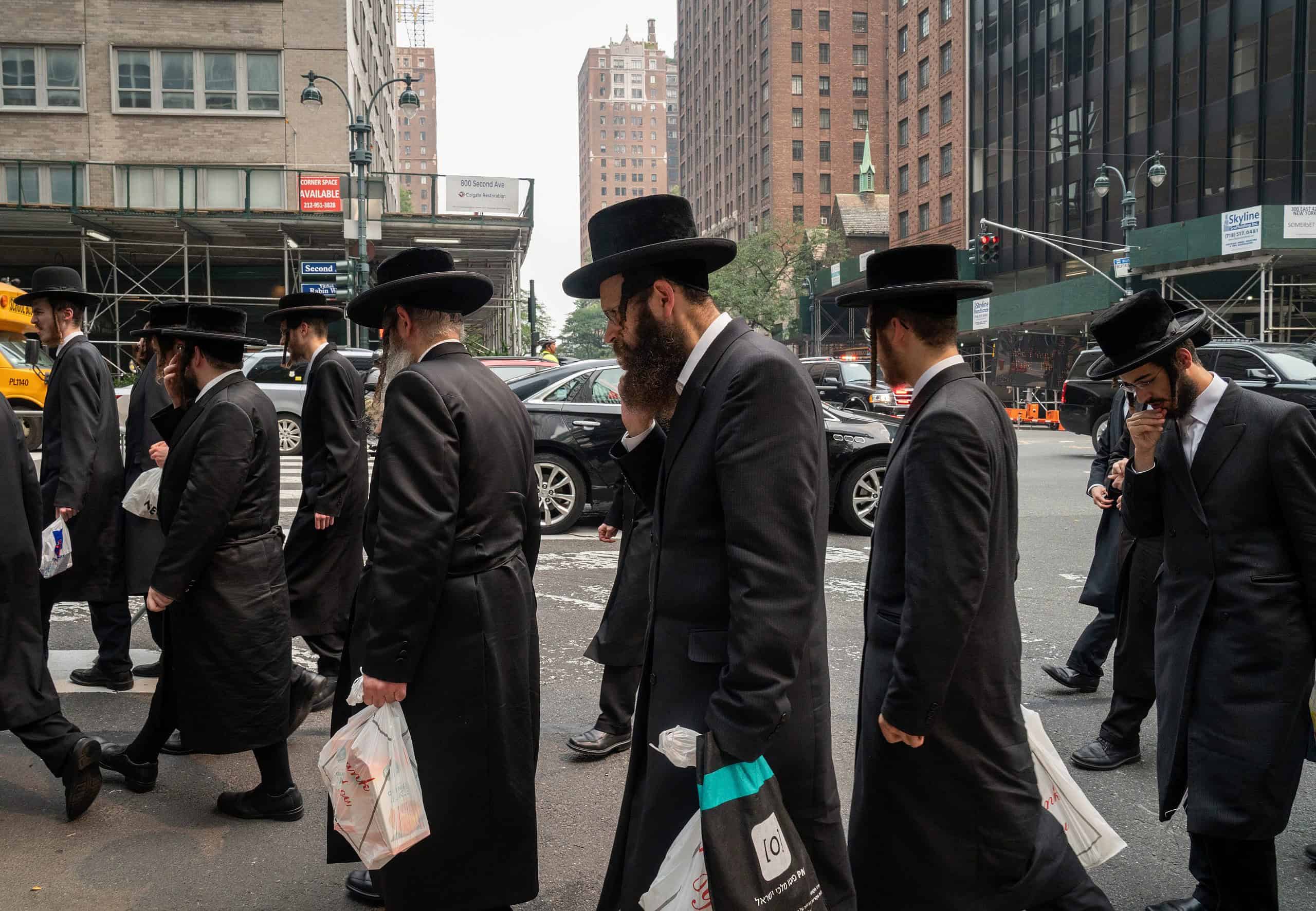
The question “How many Jews are in New York?” opens a door not just to demographic figures but to an exploration of a multifaceted identity woven into the very fabric of the city. While exact numbers fluctuate, studies consistently rank New York City and its surrounding metropolitan area as home to one of the largest, if not the largest, Jewish populations outside of Israel. Estimates typically place the number of Jews in the greater New York City metropolitan area at over 1.5 million people, with a substantial portion residing within the five boroughs themselves. This includes a spectrum from secular to Orthodox, from Reform to Hasidic, each community contributing unique flavors to the city’s character.
This profound presence means that Jewish culture is not merely an optional sidebar for visitors; it’s an intrinsic part of the New York experience, touching upon everything from local cuisine and historical landmarks to the very rhythm of daily life in certain neighborhoods. Whether you’re planning a trip focused on historical exploration, culinary adventures, or a deeper dive into local culture and lifestyle, understanding the geography and character of Jewish New York will undoubtedly enrich your journey. From the bustling streets of Brooklyn to the historic enclaves of Manhattan, the Jewish story in New York is waiting to be discovered, offering a wealth of attractions, unique accommodations, and authentic cultural immersion opportunities that resonate deeply with the travel philosophy of Life Out of the Box.
A Tapestry of Jewish Life: Demographics and Distribution Across New York
The sheer scale of the Jewish population in New York makes it a global center of Jewish life, second only to Tel Aviv. This demographic weight translates into a vibrant, visible, and deeply influential presence felt across all aspects of city life. For travelers, understanding where these communities are concentrated is key to unlocking authentic experiences and exploring distinct cultural pockets.
The Sheer Numbers: A Global Hub
With well over a million Jewish individuals calling the greater New York metropolitan area home, the region boasts an incredible diversity within its Jewish population. This includes a robust blend of Ashkenazi, Sephardic, and Mizrahi traditions, encompassing every stream of Judaism from ultra-Orthodox to secular. The community’s growth has been fueled by waves of immigration, particularly from Eastern Europe in the late 19th and early 20th centuries, and more recently, from other parts of the world. This historical layering has created a complex and fascinating social structure that offers endless opportunities for cultural exploration.
The high concentration means that Jewish holidays, traditions, and institutions are not niche elements but integrated components of the urban landscape. During Hanukkah, giant menorahs light up public spaces, and during Passover, kosher for Passover products become readily available in mainstream supermarkets. Observing these moments allows visitors to witness a city that truly celebrates and accommodates its diverse populace. The density of Jewish life makes it uniquely accessible for travelers interested in understanding its nuances, whether through attending a synagogue service, visiting a Jewish cultural center, or simply observing daily life in a predominantly Jewish neighborhood.
Where Communities Thrive: Boroughs and Neighborhoods
The Jewish population isn’t uniformly spread across New York City; instead, it forms distinct, often thriving, communities in specific boroughs and neighborhoods. For travelers, these areas offer unique insights into different facets of Jewish culture and lifestyle.
Brooklyn is arguably the heart of Jewish New York, particularly for Orthodox and Hasidic communities.
- Borough Park is known for its large Hasidic population, with bustling streets lined with kosher shops, synagogues, and yeshivas. Walking through Borough Park offers a captivating glimpse into a community that lives by ancient traditions, where Yiddish is often heard as much as English.
- Williamsburg, while famous for its trendy art scene, also hosts a significant and distinct Hasidic community, especially in South Williamsburg. The contrast between the two cultural spheres provides a fascinating study in urban coexistence.
- Crown Heights is the global headquarters of the Chabad-Lubavitch Hasidic movement. The Chabad-Lubavitch World Headquarters at 770 Eastern Parkway is a pilgrimage site for many, and the neighborhood exudes a sense of spiritual purpose and close-knit community.
- Other Brooklyn neighborhoods like Flatbush and Midwood also have substantial Orthodox Jewish populations, each with its own character and community institutions.
In Manhattan, Jewish life has historical roots and contemporary vibrancy.
- The Lower East Side was the first major landing point for Jewish immigrants in the late 19th and early 20th centuries. While many descendants have moved on, the neighborhood remains a treasure trove of Jewish history, with historic synagogues and cultural institutions.
- The Upper West Side and Upper East Side are home to large populations of Reform, Conservative, and Modern Orthodox Jews, characterized by elegant synagogues, Jewish community centers, and a blend of cultural and religious life.
Queens also boasts significant Jewish communities, particularly in areas like Forest Hills and Kew Gardens Hills, which are known for their Modern Orthodox and Bukharian Jewish populations, offering diverse cultural experiences and a strong sense of community. Even The Bronx and Staten Island host smaller, yet significant, Jewish enclaves, further underscoring the pervasive nature of Jewish life across NYC. Beyond the city limits, Long Island (especially Nassau County and parts of Suffolk County) and Westchester County also host thriving Jewish communities, many of whom commute into the city, linking the metropolitan area into a vast network of Jewish life.
Exploring Jewish Heritage and Culture in New York

For travelers interested in immersing themselves in Jewish culture, New York presents an extraordinary array of options. From world-class museums to historic houses of worship and a celebrated culinary scene, the city offers myriad ways to connect with Jewish heritage.
Iconic Landmarks and Cultural Institutions
New York’s Jewish landmarks tell stories of immigration, resilience, and cultural flourishing. These sites are not just for those of Jewish faith but for anyone interested in American history, culture, and the immigrant experience.
- The Museum of Jewish Heritage, located in Battery Park, Manhattan, is a powerful living memorial to the Holocaust. Its exhibits recount Jewish life before, during, and after the Shoah, emphasizing renewal and remembrance. It’s a poignant and essential visit for understanding a crucial part of modern Jewish history and its impact on the contemporary Jewish world.
- The Jewish Museum, situated on the Museum Mile of the Upper East Side, focuses on art and culture, spanning 4,000 years of Jewish creativity. Its collections include archaeological artifacts, ceremonial objects, and contemporary art, offering a broad perspective on Jewish contributions to global culture.
- The Eldridge Street Synagogue on the Lower East Side is a breathtaking National Historic Landmark. Built in 1887, it was the first great house of worship erected in America by Jewish immigrants from Eastern Europe. Restored to its original splendor, it now operates as a museum and cultural center, offering tours that transport visitors back to the bustling immigrant era.
- Central Synagogue, an architectural marvel in Midtown Manhattan, is another National Historic Landmark. This Reform synagogue, with its stunning Moorish Revival design, is one of the oldest and most beautiful synagogues in continuous use in the United States. Its majestic interior and rich history make it a fascinating stop for architectural enthusiasts and cultural explorers.
- The Tenement Museum, also on the Lower East Side, although not exclusively Jewish, vividly portrays the lives of immigrant families, including many Jewish immigrants, who lived in these cramped quarters. It offers an invaluable perspective on the early struggles and triumphs of those who built modern New York.
A Culinary Journey: Kosher Dining and Delis
No exploration of Jewish New York would be complete without indulging in its world-renowned culinary scene. The city boasts an unparalleled array of kosher dining options, reflecting the diverse traditions within its Jewish community.
- Classic Delis: While Katz’s Delicatessen is famous for its pastrami and historical significance (though not strictly kosher), truly authentic kosher deli experiences can be found at places like 2nd Avenue Deli, which has upheld kosher traditions for generations. Here, you can savor classic comfort foods like matzo ball soup, knishes, and towering pastrami or corned beef sandwiches, all prepared according to Jewish dietary laws.
- Diverse Kosher Cuisine: Beyond the traditional deli, New York offers a dazzling array of kosher restaurants spanning various international cuisines. From elegant kosher steakhouses in Midtown to dairy restaurants in Flatbush and Middle Eastern eateries in Kew Gardens Hills, there’s a kosher option for every palate. Exploring these establishments is not just about eating; it’s about experiencing the cultural fusion and culinary innovation that defines Jewish New York.
- Kosher Bakeries and Markets: Don’t miss the opportunity to visit a kosher bakery for fresh challah bread, rugelach, or babka. Supermarkets in Jewish neighborhoods are treasure troves of kosher products, offering a glimpse into the daily life and dietary practices of the community. During holidays like Rosh Hashanah or Purim, these establishments become particularly lively, filled with special treats and ingredients.
Planning Your Visit: Accommodation and Lifestyle Tips
Integrating Jewish cultural exploration into your New York itinerary requires some thoughtful planning, especially when it comes to accommodation and engaging with local customs. As a hub for travel and tourism, New York is well-equipped to cater to diverse needs, including those of Jewish travelers.
Finding the Perfect Stay
For Jewish travelers, particularly those observing Sabbath or kashrut, choosing the right accommodation can significantly enhance the travel experience. New York offers a range of options, from hotels with specific amenities to strategically located apartments.
- Proximity to Jewish Centers: Consider staying in neighborhoods with a strong Jewish presence, such as the Upper West Side, parts of Midtown, or even certain areas in Brooklyn like Crown Heights or Borough Park, if a truly immersive experience is desired. This ensures easy access to synagogues for Sabbath services, kosher restaurants, and Jewish community resources.
- Sabbath-Friendly Hotels: Many larger hotels in Manhattan, recognizing the needs of their Jewish clientele, offer Sabbath-friendly features. These can include traditional room keys instead of electronic key cards (which observant Jews avoid on Sabbath), automatic doors, and “Sabbath elevators” that stop on every floor without the need for manual operation. When booking, it’s advisable to inquire directly with hotels like the Waldorf Astoria or Grand Hyatt Hotel regarding these accommodations. Many Hilton and Marriott properties are also increasingly aware of these requirements.
- Kosher Dining Options: While some hotels might offer kosher breakfast options, especially during Jewish holidays, it’s more common to find excellent kosher restaurants and markets within walking distance in Jewish neighborhoods. This allows for greater flexibility and a more authentic culinary experience.
- Apartment Rentals: For longer stays or for families, renting an apartment through platforms like Airbnb in a Jewish neighborhood can provide a more home-like experience, including access to a kitchen for preparing kosher meals. Always ensure the rental aligns with your specific needs and check reviews for proximity to community resources.

Embracing the Local Jewish Lifestyle
Beyond visiting landmarks and dining, truly engaging with New York’s Jewish community offers a deeper cultural immersion.
- Respectful Observation: When exploring highly religious neighborhoods like Borough Park or Williamsburg, visitors should dress modestly and observe local customs. A respectful approach allows for a genuine appreciation of the community’s way of life. Avoid photography without explicit permission, especially on the Sabbath, and be mindful of private gatherings.
- Attending Services and Events: Many synagogues, particularly Reform and Conservative ones in Manhattan and the Upper West Side, welcome visitors to their Sabbath services. This can be a profound spiritual and cultural experience. Additionally, check local Jewish community calendars for public events, lectures, film festivals, or holiday celebrations. During Sukkot, for instance, you might see temporary outdoor booths (sukkah) outside homes and synagogues, which offer a unique visual spectacle.
- Shopping and Supporting Local Businesses: Patronizing Jewish-owned businesses, whether kosher bakeries, bookstores, or Judaica shops, supports the local economy and provides a direct connection to the community.
- Experiencing Holidays: If your visit coincides with a major Jewish holiday like Rosh Hashanah, Yom Kippur, or Passover, be aware that certain businesses might be closed, and public transportation might have altered schedules. However, this also offers a chance to witness the city’s unique adaptation to these religious observances, showcasing New York’s ability to accommodate and integrate diverse traditions.
The Jewish presence in New York is more than just a demographic fact; it’s a living, breathing testament to cultural richness, historical depth, and ongoing evolution. From the bustling streets of Brooklyn‘s Hasidic enclaves to the historic synagogues of the Lower East Side and the refined cultural institutions of Manhattan, Jewish New York offers a captivating journey for any traveler. By understanding its numbers, exploring its communities, and immersing oneself in its heritage, visitors can unlock an extraordinary dimension of the city, experiencing a truly unique blend of tradition and modernity that defines the unparalleled spirit of New York.
LifeOutOfTheBox is a participant in the Amazon Services LLC Associates Program, an affiliate advertising program designed to provide a means for sites to earn advertising fees by advertising and linking to Amazon.com. Amazon, the Amazon logo, AmazonSupply, and the AmazonSupply logo are trademarks of Amazon.com, Inc. or its affiliates. As an Amazon Associate we earn affiliate commissions from qualifying purchases.