
The Florida Keys are a captivating string of tropical islands, curving southwest from the southeastern tip of the Florida peninsula, separating the Atlantic Ocean to the southeast from the Gulf of Mexico to the northwest. This unique archipelago, renowned for its stunning turquoise waters, vibrant marine life, and laid-back island culture, poses a simple yet surprisingly complex question for many first-time visitors: exactly how many “keys” are there? The answer, much like the currents that sculpt their shores, is not as straightforward as one might expect.
The allure of the Florida Keys isn’t merely in a numerical count of its islands, but rather in the collective experience they offer – a journey through distinct ecosystems, historical narratives, and a lifestyle truly unlike anywhere else in the United States. From the bustling activity of Key Largo to the eclectic charm of Key West, each key contributes to the rich tapestry of this remarkable travel destination. Understanding the nuances behind the “count” helps unlock a deeper appreciation for this incredible chain of islands and aids in planning an unforgettable adventure.

Unraveling the Numbers: A Matter of Definition
The question of “how many keys” can be misleading because the term “key” itself, derived from the Spanish word “cayo” meaning small island, can be interpreted in various ways. Does it mean only inhabited islands? Islands with names? Or every piece of land that pokes above the high-tide mark, no matter how small or remote?
The Elusive Count: Why It’s Not a Simple Number
If you consult various sources, you’ll find a range of figures, typically falling between 800 and over 1,700 islands. This wide disparity exists because there’s no single, universally accepted definition for what constitutes a “key.”
- Named vs. Unnamed: Many of the smaller keys are unnamed, uninhabited, and often remain unseen by the average traveler. They might be little more than mangrove clusters or patches of coral rock.
- Size and Permanence: Some definitions include only keys of a certain size, or those that are consistently above sea level, regardless of tides. Others count every exposed shoal.
- Official vs. Colloquial: Government surveys might identify thousands of landmasses, while locals and tourism boards tend to focus on the more significant, accessible islands.
The most commonly cited, albeit less precise, figure is around 1,700 islands and islets, but a vast majority of these are uninhabited, tiny, and only truly appreciated by boaters, kayakers, or environmental researchers. For the typical visitor exploring the Florida Keys, the number is far more manageable and focused on the accessible islands.
The Main Players: Connected by the Overseas Highway
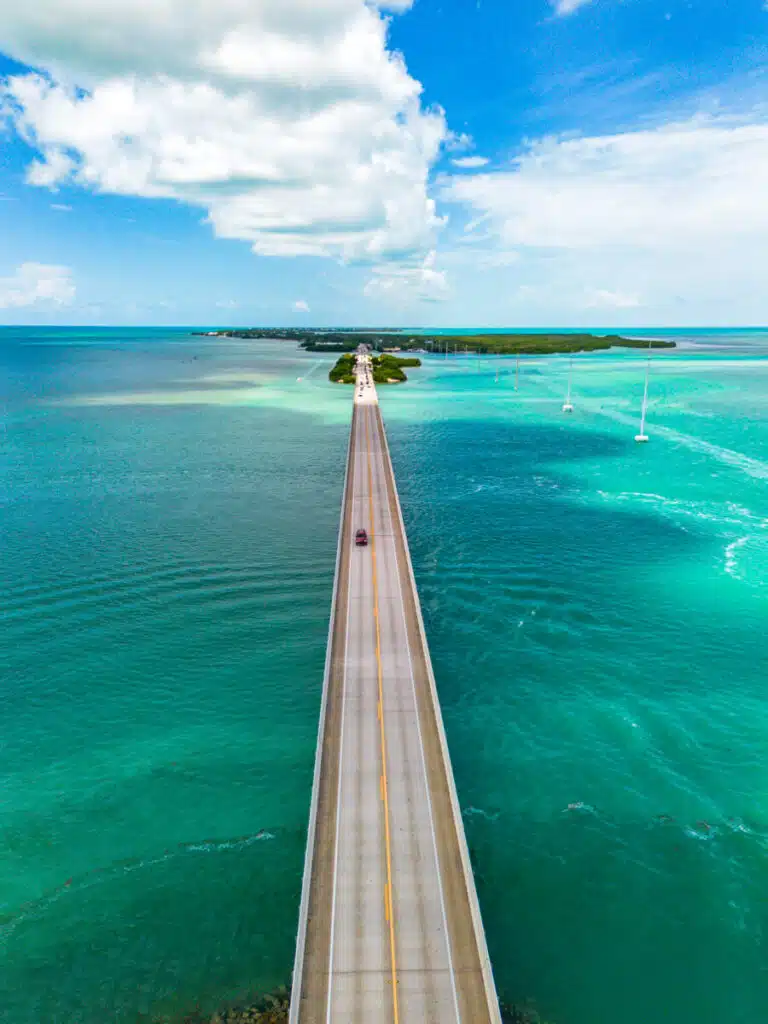
While the full count is extensive, the experience of the Florida Keys for most travelers centers around the approximately 42 main islands that are connected by the legendary Overseas Highway. This engineering marvel, often hailed as one of America’s most scenic drives, is part of U.S. Route 1 and spans about 113 miles from Key Largo to Key West. These are the keys that are developed, populated, and offer the vast majority of attractions, accommodations, and services. It is these approximately four dozen islands that define the traditional “Keys experience” and are the focus for most travel guides and itineraries. The journey across the Overseas Highway is an adventure in itself, with dozens of bridges, including the iconic Seven Mile Bridge, connecting these distinct island communities.
A Journey Through the Archipelago: Diving into the Distinct Regions
The accessible keys are traditionally divided into four main regions, each with its own unique character, attractions, and rhythm of life. Exploring these regions provides a far richer understanding than simply knowing a numerical count.
The Upper Keys: Nature’s Gateway
Beginning closest to mainland Florida, the Upper Keys are a paradise for nature lovers and water sports enthusiasts.
- Key Largo: Often called the “Diving Capital of the World,” Key Largo is home to John Pennekamp Coral Reef State Park, the first undersea park in the United States. Here, visitors can explore vibrant coral reefs, shipwrecks, and diverse marine life through snorkeling, scuba diving, or glass-bottom boat tours. The African Queen Canal Cruise, featuring the actual boat from the classic film, also departs from Key Largo.
- Islamorada: Known as the “Sportfishing Capital of the World,” Islamorada is a village of six islands famous for its world-class fishing charters, beautiful beaches, and unique boutiques. It also boasts the Theater of the Sea, a marine mammal park where visitors can interact with dolphins, sea lions, and other fascinating creatures.
The Middle Keys: Heart of the Chain
As you venture further south, the Middle Keys offer a blend of family-friendly attractions and iconic landscapes.

- Marathon: This bustling hub is centered around boating, fishing, and a relaxed, community-oriented atmosphere. Marathon is home to the Dolphin Research Center, offering educational programs and interactive experiences, and The Turtle Hospital, a non-profit organization dedicated to the rescue, rehabilitation, and release of sea turtles.
- The Seven Mile Bridge: While not a key itself, this engineering marvel is a defining feature of the Middle Keys and one of the longest bridges in America. It connects Knight’s Key to Little Duck Key and offers breathtaking panoramic views of the ocean.
The Lower Keys: Wild and Serene
South of the Seven Mile Bridge, the Lower Keys take on a wilder, more serene character, characterized by pristine natural environments and a slower pace.
- Big Pine Key: This key is famous for the National Key Deer Refuge, dedicated to protecting the endangered Key deer, a miniature subspecies of white-tailed deer. Visitors can often spot these gentle creatures grazing alongside roadsides. The Lower Keys also offer excellent opportunities for kayaking, paddleboarding, and exploring secluded beaches like those at Bahia Honda State Park, consistently ranked among the best beaches in the U.S..
Key West: The Southernmost Jewel
At the very end of the Overseas Highway lies Key West, the southernmost point of the Continental United States. This vibrant and eccentric island offers a unique blend of history, culture, and spirited nightlife.
- Unique Culture and History: Key West boasts a rich history, influenced by Cuban, Bahamian, and pirate heritage. Its distinctive architecture, known as “Conch style,” features gingerbread trim and pastel colors. Literary giants like Ernest Hemingway and Tennessee Williams found inspiration here.
- Iconic Attractions: Must-visit sites include the Ernest Hemingway Home and Museum, the Southernmost Point Buoy, and the lively Duval Street, famous for its bars, restaurants, and street performers. Watching the sunset at Mallory Square is a nightly tradition, celebrating the island’s free-spirited atmosphere, often referred to as the “Conch Republic.”
Beyond the Count: What Makes the Florida Keys a Unique Travel Destination
The numerical quantity of keys pales in comparison to the diverse experiences and profound natural beauty that the Florida Keys offer. It’s a destination that appeals to a wide array of travelers, from adventure seekers to those simply looking to unwind.
A Rich Tapestry of Ecosystems and Activities
The islands are situated atop an ancient coral reef, creating an unparalleled environment for marine biodiversity.
- Underwater Wonders: The warm, clear waters are home to the only living coral barrier reef in continental North America. This makes the Keys a world-class destination for snorkeling, scuba diving, and deep-sea fishing. Visitors can explore vibrant reef ecosystems, sunken ships, and encounter a plethora of fish, sea turtles, and even dolphins.
- Above-Water Exploration: Beyond the reefs, mangrove forests and backcountry waters offer opportunities for kayaking, paddleboarding, and wildlife viewing. The boundaries between the Gulf of Mexico and the Atlantic Ocean create distinct habitats, from the shallow, nutrient-rich Florida Bay bordering Everglades National Park to the deeper, clear waters of the Straits of Florida.
Culture, History, and the “Conch Republic” Spirit
The history of the Florida Keys is as colorful as its sunsets, filled with tales of pirates, wreckers, fishing fleets, and independent spirits. This heritage has fostered a unique culture.
- “Conch Republic” Identity: The distinct, somewhat rebellious spirit of Key West and, by extension, the entire Keys, is encapsulated by the “Conch Republic.” This tongue-in-cheek micronation declaration in 1982 arose from a protest against a U.S. Border Patrol blockade, highlighting the fierce independence and quirky humor of its residents.
- Culinary Delights: No visit to the Keys is complete without indulging in its culinary offerings. Freshly caught seafood, especially stone crab and mahi-mahi, is a staple. The iconic Key Lime Pie, with its tangy sweetness, is a must-try dessert, often served in various forms, from traditional pie to ice cream and cocktails.
Planning Your Keys Adventure
When planning a trip to the Florida Keys, consider the time of year. The high season is typically from November to May when the weather is cooler and drier. Summers are hotter and wetter, with a higher chance of tropical storms, but also fewer crowds and lower prices.
Transportation is primarily by car, with the Overseas Highway serving as the main artery. Renting a car allows for the freedom to explore each key at your own pace. For those looking for a different kind of adventure, a ferry service can take you to the remote Dry Tortugas National Park, a cluster of seven small islands accessible only by boat or seaplane, home to Fort Jefferson and pristine snorkeling.
In conclusion, while the question of “how many keys” might initially pique curiosity, the true magic of the Florida Keys lies not in a precise count, but in the collective experience of these unique islands. Whether you’re drawn to the vibrant coral reefs of the Upper Keys, the historical charm of Key West, or the tranquil natural beauty of the Lower Keys, this archipelago offers an unparalleled travel adventure. Each key, big or small, contributes to the unparalleled allure of this American tropical paradise, promising memories that extend far beyond any simple numerical tally.
LifeOutOfTheBox is a participant in the Amazon Services LLC Associates Program, an affiliate advertising program designed to provide a means for sites to earn advertising fees by advertising and linking to Amazon.com. Amazon, the Amazon logo, AmazonSupply, and the AmazonSupply logo are trademarks of Amazon.com, Inc. or its affiliates. As an Amazon Associate we earn affiliate commissions from qualifying purchases.