
The allure of Las Vegas is undeniable. Known globally as the “Entertainment Capital of the World,” this desert oasis pulsates with energy, offering a dazzling array of casinos, world-class dining, spectacular shows, and unique attractions. For residents of Los Angeles, the proximity of Las Vegas makes it a perennial favorite for weekend getaways, spontaneous adventures, or extended vacations. But precisely how far is this vibrant city from the sprawling metropolis of Southern California? Understanding the distance is the first step in planning your exciting journey.
The most direct and commonly traveled route between Los Angeles and Las Vegas spans approximately 270 miles. This figure represents the driving distance and can fluctuate slightly depending on the specific starting point in the vast Los Angeles area and the chosen route into Las Vegas. While the mileage remains relatively consistent, the travel time is a variable that even seasoned road-trippers often underestimate, influenced by factors such as traffic, road conditions, and the time of day or week you embark on your adventure.
Planning Your Road Trip: Distance, Time, and Routes
The journey from Los Angeles to Las Vegas is a quintessential American road trip, traversing diverse landscapes and offering a glimpse into the unique culture of the Mojave Desert. While the mileage might seem straightforward, the actual experience of getting there involves understanding different route options, estimating travel times, and preparing for the journey ahead.
The Primary Driving Route: I-15 North
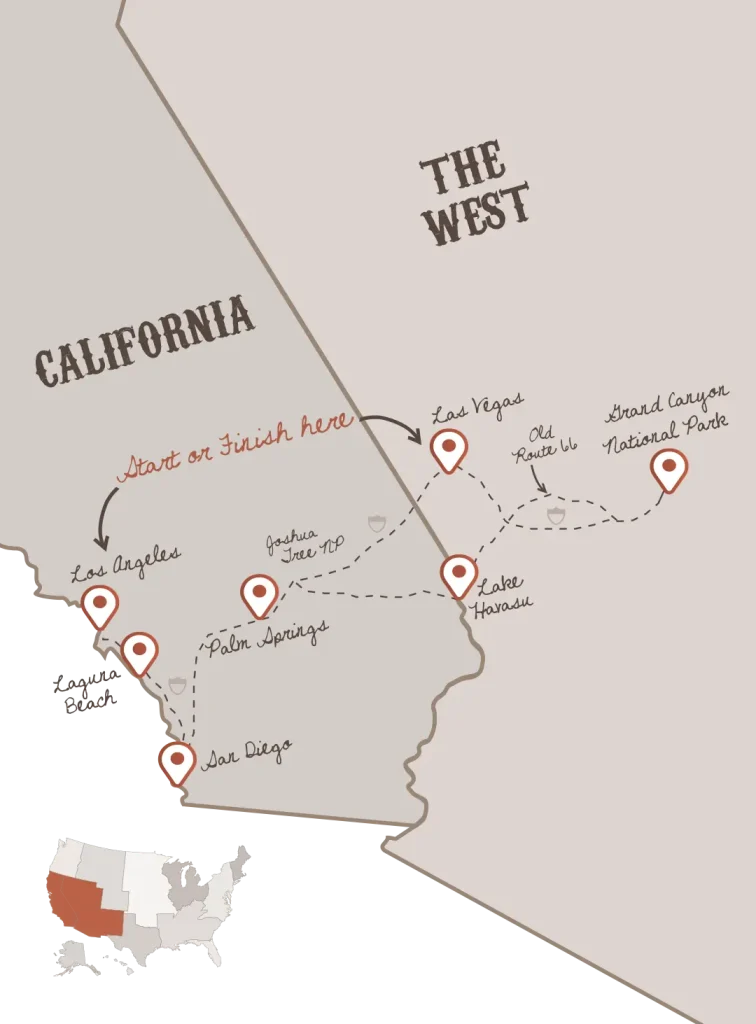
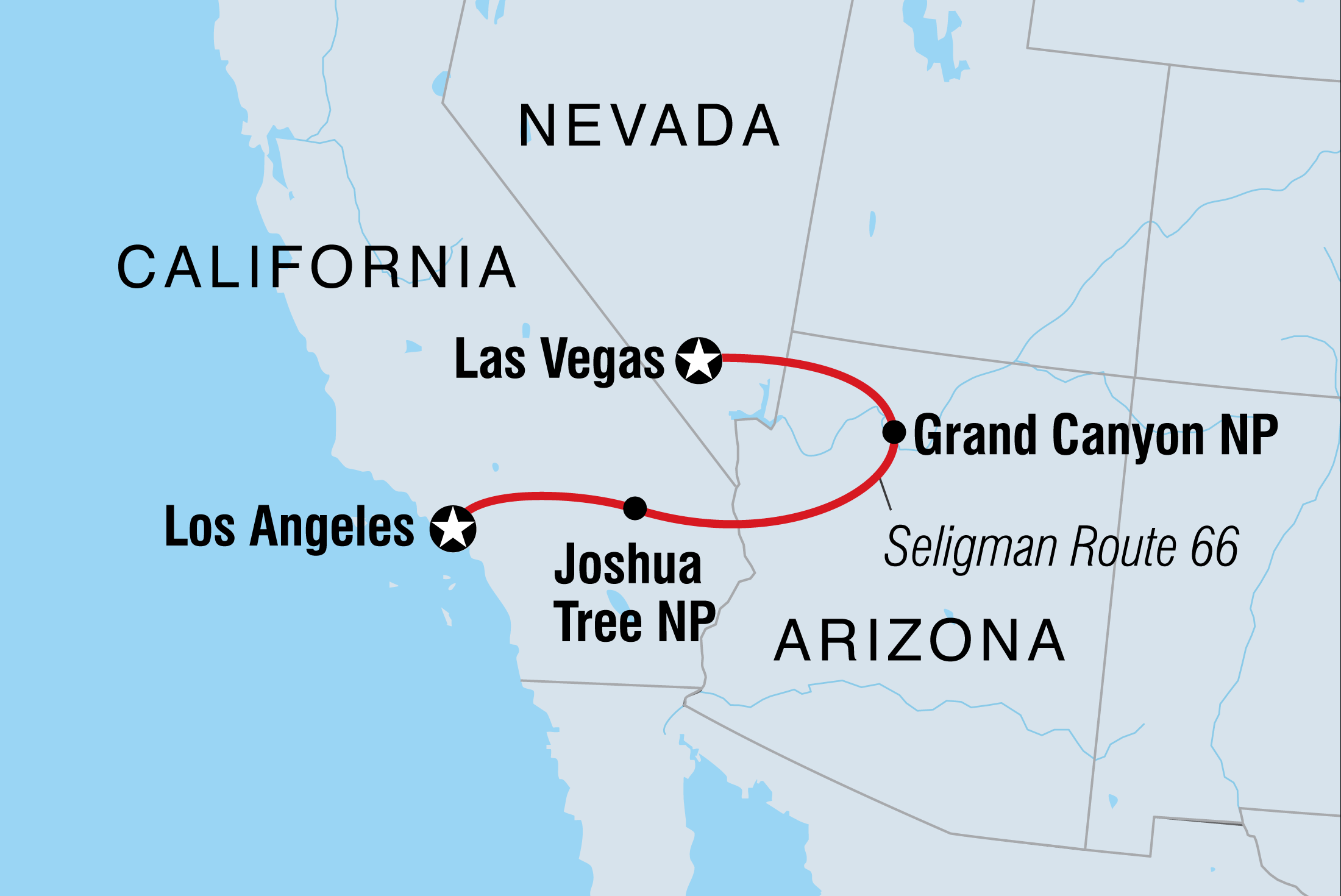
The most direct and popular route to Las Vegas from Los Angeles is via the Interstate 15 (I-15) North. This well-maintained highway is the backbone of this particular journey, connecting the two major population centers. The drive typically begins by navigating out of the Los Angeles basin, often via Interstate 10 East or State Route 60 East, which then merges onto I-15 North.
As you leave the urban sprawl behind, the scenery begins to transform. You’ll pass through the San Bernardino Valley, gradually ascending into the mountainous terrain of the San Gabriel Mountains. This section of I-15 can be prone to significant traffic, especially during peak commuting hours, weekends, and holidays, so factoring in potential delays is crucial for a smooth departure.
Once you crest the mountains, the landscape opens up into the arid beauty of the Mojave Desert. This vast expanse is characterized by Joshua trees, rugged rock formations, and an almost surreal sense of open space. Towns like Barstow and Victorville serve as common stopping points for gas, food, or a brief rest before continuing the final leg of the journey.
The approach to Las Vegas is marked by a gradual return to civilization, with signs of its presence becoming increasingly apparent. The sheer scale of the city, especially at night when its lights dominate the horizon, is a breathtaking sight and a clear indicator that you’ve arrived.
Estimating Travel Time: Beyond the Mileage
While the 270 miles is a fixed distance, the actual time it takes to cover it can vary considerably. On a good day, with minimal traffic, the drive can be completed in approximately 4 to 4.5 hours. However, this is often an optimistic estimate, especially if you are departing Los Angeles during busy periods.
Traffic Congestion: Los Angeles is notorious for its traffic, and the departure from the city can easily add an hour or more to your travel time, particularly on Friday afternoons or Sunday evenings. The infamous Cajon Pass section of I-15 can also experience significant slowdowns due to weather (snow or ice in winter, though rare) or heavy vehicle traffic.
Road Construction and Detours: As with any major highway, I-15 can be subject to construction projects or unexpected detours that can add time to your journey. It’s always advisable to check real-time traffic conditions before you leave and periodically during your drive.
Stops and Breaks: Most travelers will want to make at least one or two stops for fuel, restrooms, or a meal. While these stops are necessary, they also contribute to the overall travel duration. Planning your stops strategically can help minimize lost time.
Driving Speed: While the speed limit on I-15 is generally 70 mph in most desert sections, actual driving speed can be affected by traffic, weather, and personal preference.
Therefore, it is more realistic to budget anywhere from 5 to 6 hours for the drive from Los Angeles to Las Vegas, especially if you are traveling on a weekend or during a holiday period.
Alternative Routes and Considerations
While I-15 North is the dominant route, there are some less common alternatives, though they generally add significant time and mileage. These are usually only considered by those seeking a more scenic experience or attempting to avoid specific traffic conditions.
- Amboy Road: This route takes you through parts of the Mojave National Preserve, offering stunning desert scenery. However, it is significantly longer, less direct, and involves stretches of less maintained roads, making it unsuitable for most standard vehicles and travelers prioritizing speed.
- State Route 58 East to U.S. Route 95 North: This option involves heading east from Los Angeles on SR 58 towards Barstow, then heading north on US 95. This can be an alternative if I-15 is experiencing severe issues but is generally longer and less direct than the primary route.
For most travelers, sticking to I-15 North is the most efficient and practical choice. The key to a successful road trip is meticulous planning, starting with understanding the distance and then realistically estimating the travel time.
Beyond the Drive: Accommodation and Experiences in Las Vegas
Once you’ve navigated the approximately 270 miles from Los Angeles to Las Vegas, the real adventure begins. The city offers an unparalleled range of accommodations and experiences, catering to every taste and budget. From the opulent suites of world-renowned resorts to the more discreet charm of boutique hotels, finding the perfect place to rest your head is part of the Las Vegas allure.
Choosing Your Las Vegas Oasis: Hotels and Resorts
The Las Vegas Strip is home to some of the most iconic hotels and resorts in the world. These establishments are more than just places to stay; they are destinations in themselves, boasting elaborate themes, world-class dining, vibrant nightlife, and, of course, exhilarating casinos.
- Luxury Resorts: For those seeking an extravagant experience, options like The Bellagio, The Venetian Resort Las Vegas, Wynn Las Vegas, and Encore at Wynn Las Vegas offer lavish suites, gourmet restaurants, and premium amenities. These resorts often feature their own unique attractions, such as the famous fountains at The Bellagio or the gondola rides at The Venetian.
- Mid-Range Hotels: Plenty of excellent hotels provide a fantastic Las Vegas experience without the top-tier price tag. The Mirage, MGM Grand Hotel & Casino, and Mandalay Bay Resort and Casino offer a comprehensive package of entertainment, dining, and gaming.
- Boutique and Off-Strip Options: For a different vibe, consider staying off the main Strip. Areas like Downtown Las Vegas offer a more historic and often more affordable experience, with notable hotels like The Golden Nugget. You might also find unique boutique hotels that provide a more intimate and personalized stay.
When booking, consider the amenities that are important to you. Do you need a pool complex, a spa, a specific type of restaurant, or proximity to certain attractions? Many booking platforms allow for detailed comparison of hotels and their offerings, helping you find the best fit for your lifestyle – whether you’re on a budget travel adventure or indulging in luxury travel.
Unforgettable Experiences: Attractions and Entertainment
Las Vegas is a city that never sleeps, and its attractions are as diverse as its visitors. Beyond the flashing lights of the casinos, a world of entertainment awaits.
- World-Class Shows: From Cirque du Soleil extravaganzas like “O” at Bellagio and “KÀ” at MGM Grand to resident headliners performing at various venues, Las Vegas is a mecca for live entertainment. Concerts, magic shows, and comedy acts are also plentiful.
- Dining: The culinary scene in Las Vegas is legendary. You can find everything from celebrity chef restaurants to casual eateries, offering a global array of flavors. From fine dining experiences at Joël Robuchon Restaurant to iconic buffets, the city is a foodie’s paradise.
- Attractions and Landmarks: Explore iconic landmarks like the Eiffel Tower at Paris Las Vegas, the High Roller Observation Wheel for stunning city views, or the vibrant Fremont Street Experience in Downtown Las Vegas. For nature lovers, day trips to nearby natural wonders like Red Rock Canyon National Conservation Area or Hoover Dam are highly recommended.
- Nightlife: Las Vegas is famous for its buzzing nightlife, with countless bars, lounges, and nightclubs offering everything from laid-back cocktails to high-energy dance floors.
Whether you’re planning a short weekend escape or a longer stay, the journey from Los Angeles to Las Vegas is a well-trodden path, offering convenience and a gateway to an unforgettable experience. Understanding the distance and planning your route, accommodation, and activities will ensure your trip is as seamless and enjoyable as possible.
LifeOutOfTheBox is a participant in the Amazon Services LLC Associates Program, an affiliate advertising program designed to provide a means for sites to earn advertising fees by advertising and linking to Amazon.com. Amazon, the Amazon logo, AmazonSupply, and the AmazonSupply logo are trademarks of Amazon.com, Inc. or its affiliates. As an Amazon Associate we earn affiliate commissions from qualifying purchases.