
The journey from the sun-drenched coast of Los Angeles to the neon-lit oasis of Las Vegas is one of the most iconic road trips in the United States. Spanning roughly 270 miles depending on your specific starting point and route, this trek across the Mojave Desert serves as a bridge between the laid-back surf culture of California and the high-energy entertainment hub of Nevada. While the mileage is relatively modest, the experience is defined by the shifting landscapes, historical pit stops, and the anticipation of arriving at the world-famous Las Vegas Strip.
The Classic Route: Navigating Interstate 15
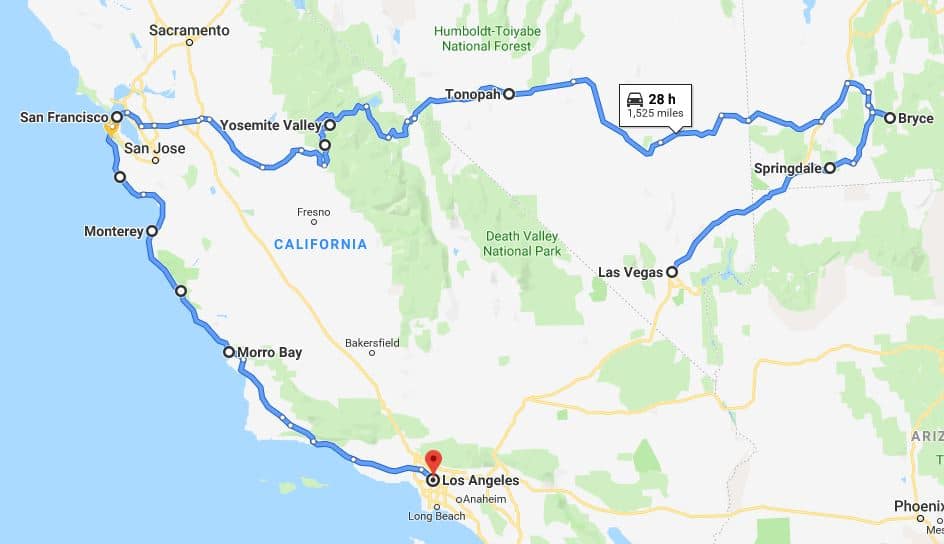
For most travelers, Interstate 15 is the primary artery connecting these two major metropolitan areas. This highway facilitates the movement of millions of visitors each year, turning a simple commute into a rite of passage for those seeking weekend getaways or extended vacations.
Distance and Drive Time Expectations
Under ideal traffic conditions, the drive from downtown Los Angeles to the heart of Las Vegas takes approximately four to five hours. However, travelers should exercise caution when planning their departure. The heavy volume of weekend traffic, particularly on Friday afternoons and Sunday evenings, can easily double the expected travel time. It is widely recommended to depart early in the morning or during mid-week to avoid the gridlock often found near Victorville and Barstow.
Landmarks Along the Path
The drive is far from barren. Several unique locations offer a chance to stretch your legs and break up the monotony of the desert horizon. Among the most popular stops is Seven Magic Mountains, a striking art installation that provides a colorful contrast to the rugged desert terrain. Additionally, the Peggy Sue’s 50s Diner in Yermo offers a nostalgic dining experience that has become a staple for road-trippers craving a slice of classic Americana.
Planning Your Desert Crossing
Successfully navigating the miles between California and Nevada requires more than just a GPS; it demands preparation for the unique environmental conditions of the high desert.
Managing Temperature and Vehicle Health
The stretch of highway between Baker and the Nevada state line is notorious for extreme heat, especially during the summer months. Before embarking, it is essential to ensure your vehicle is in peak condition. Checking coolant levels, tire pressure, and ensuring your air conditioning system is functional can save you from an arduous ordeal on the shoulder of Interstate 15. Always carry extra water, as the dry air and high temperatures can lead to rapid dehydration.
Alternative Scenic Routes and detours
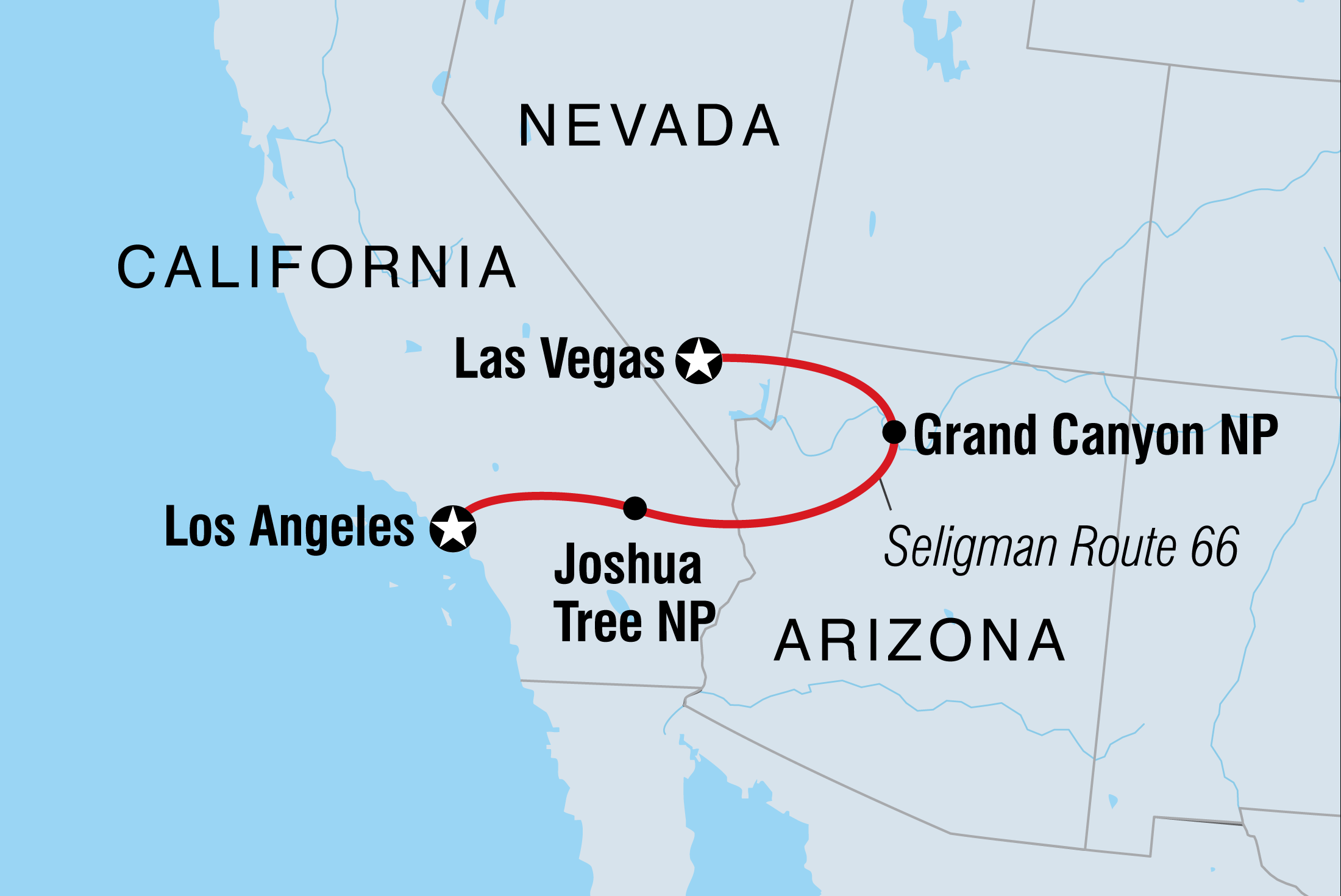
For travelers who prefer to avoid the main highway, there are secondary routes that offer a glimpse into the history of the region. Exploring the remains of Route 66 provides a fascinating look at the mid-century travel boom. While these routes are significantly longer in mileage and time, they reward the curious traveler with views of abandoned towns, quirky roadside attractions, and a sense of isolation that is quickly vanishing from modern road travel.
Arriving in Style: The Final Stretch
As you cross the Nevada border and leave behind the vast expanses of the Mojave Desert, the transition into the Las Vegas Valley is abrupt and exhilarating. The silhouette of the city rises from the earth like a mirage, signaling the end of your 270-mile journey.
The Entry Experience
The approach to the city often involves passing through Primm, where the massive roller coaster at Buffalo Bill’s Resort and Casino serves as the first major landmark welcoming you to the gambling capital of the world. As the highway transitions into Interstate 15 North, the skyline begins to dominate the view. Whether you are heading to the legendary Caesars Palace or the modern luxury of The Cosmopolitan of Las Vegas, the final miles are filled with anticipation.
Logistics for the Modern Traveler
Upon arrival, navigating the city itself is quite different from the highway driving experienced during the previous few hours. Most major resorts, such as the Bellagio Hotel and Casino and The Venetian Resort Las Vegas, offer centralized parking, though traffic within the city core can be dense. If you are staying at properties like the MGM Grand or Wynn Las Vegas, consider valet services to mitigate the stress of finding parking spots in the expansive resort garages.
Essential Tips for the Journey
To ensure your trip is as smooth as possible, consider these professional recommendations for traveling between these two iconic cities.
- Fuel Strategy: Refill your tank in Barstow or Baker. Gas prices tend to spike as you approach the state line, and having a full tank provides peace of mind when crossing the open desert.
- Time Management: Utilize real-time traffic applications to monitor conditions near the Cajon Pass. This segment is frequently the source of major delays.
- Hydration: Regardless of the season, the desert air is remarkably dry. Pack more water than you think you will need for both passengers and pets.
- Connectivity: While cell service is generally reliable along the main corridor, there are pockets of the desert where signals may fade. Downloading offline maps for the region is a proactive measure for any traveler.
Whether you are looking to escape the coastal fog of Los Angeles for the dry heat of Nevada, or you are making the trek to enjoy world-class entertainment, the approximately 270 miles between these destinations represent a fundamental American road trip. By respecting the environment, planning for traffic variables, and enjoying the unique culture found along the roadside, the journey becomes just as memorable as the destination itself. Whether you find yourself pausing at the Alien Fresh Jerky stand or merely pushing through to catch a show at The Colosseum, the route from the coast to the desert remains one of the most traveled and beloved paths in the United States.
LifeOutOfTheBox is a participant in the Amazon Services LLC Associates Program, an affiliate advertising program designed to provide a means for sites to earn advertising fees by advertising and linking to Amazon.com. Amazon, the Amazon logo, AmazonSupply, and the AmazonSupply logo are trademarks of Amazon.com, Inc. or its affiliates. As an Amazon Associate we earn affiliate commissions from qualifying purchases.