
The allure of Las Vegas often beckons those in the sprawling metropolis of Los Angeles. Whether you’re seeking the dazzling lights of the Strip, the thrill of world-class entertainment, or simply a change of scenery, the question of distance is paramount for planning your adventure. Fortunately, the journey between these two iconic Californian and Nevadan destinations is a well-trodden path, offering various modes of transport and considerations for travelers.
The direct driving distance from Los Angeles to Las Vegas is approximately 270 miles. This figure can fluctuate slightly depending on your exact starting point within the greater Los Angeles area and your chosen route. However, for most practical purposes, consider this the benchmark for your road trip. This distance translates to an average driving time of around 4 to 5 hours, assuming no significant traffic delays or extended stops.
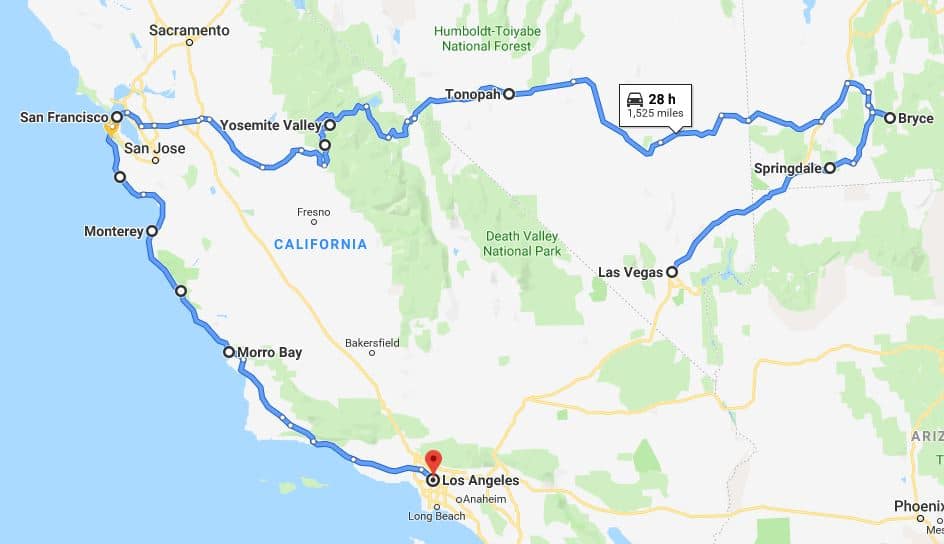
Planning Your Drive: Routes and Considerations
Embarking on a road trip from Los Angeles to Las Vegas is a popular choice, offering flexibility and the opportunity to witness the diverse landscapes of Southern California and the Mojave Desert. The most common and generally recommended route is via Interstate 15 North (I-15 N).
The I-15 North Corridor: The Direct Path to the Neon City
The I-15 N is the artery connecting these two vibrant cities. The journey typically begins in the heart of Los Angeles County. From here, you’ll navigate through various freeways before merging onto I-15 N. As you leave the urban sprawl behind, the scenery gradually transforms. The initial leg of the journey may involve navigating through traffic congestion, particularly during peak hours or on weekends. However, once you clear the initial metropolitan area, the open road awaits.
As you continue north on I-15, you’ll pass through the arid beauty of the Mojave Desert. This region offers a unique visual experience, with vast expanses of sand, Joshua trees, and rugged mountains. While the desert landscape can be stark, it possesses a distinct charm and a sense of vastness that is a world away from the bustling streets of Los Angeles.
Key points along the I-15 N route include:
- San Bernardino County: This is where you’ll spend a significant portion of your drive as you traverse the desert.
- Victorville: A notable city in the high desert region, often serving as a rest stop or a place for a quick meal.
- Barstow: Another significant stop, known for its transportation hub and historical Route 66 connections. While not directly on the I-15 route for the entire drive, it’s an important nexus for desert travel.
- The California/Nevada State Line: Crossing this border signifies that you are entering Nevada, and Las Vegas is now within closer reach.
- Primm: Located just across the state line, Primm features a few casinos and outlet stores, often serving as the first taste of the Nevada entertainment scene for travelers.
Navigating Traffic and Timing
The 4 to 5-hour driving time is an estimate and can be significantly impacted by several factors:
- Day of the Week: Weekends, particularly Friday afternoons and Sundays, often see heavier traffic as people travel to and from Las Vegas for leisure.
- Time of Day: Rush hour in Los Angeles can add substantial delays to the beginning of your journey. Conversely, departing very early in the morning or late at night can help you bypass some of this congestion.
- Holidays and Special Events: Major holidays and significant events in Las Vegas, such as the NASCAR races or large conventions, can lead to increased traffic on I-15 N.
- Road Construction: As with any major highway, occasional road work can cause delays. It’s always advisable to check real-time traffic conditions before you depart.
To maximize your enjoyment and minimize travel stress, consider these tips:
- Depart Early: An early morning departure, before the rush hour crowds, can significantly improve your travel time.
- Check Traffic Apps: Utilize navigation apps like Google Maps or Waze to monitor real-time traffic and identify any unexpected delays.
- Plan Stops: While the drive is manageable without many stops, it’s wise to plan for at least one or two breaks for fuel, restrooms, and stretching your legs. Towns like Victorville and Barstow offer convenient amenities.
- Vehicle Preparation: Ensure your vehicle is in good condition, especially your tires and cooling system, given the desert heat. Carry water and consider a basic emergency kit.
Alternative Transportation: Beyond the Car
While driving is the most popular method, other transportation options exist for traveling from Los Angeles to Las Vegas, each with its own advantages and considerations.
Flying: The Fastest, But Often Pricier, Option
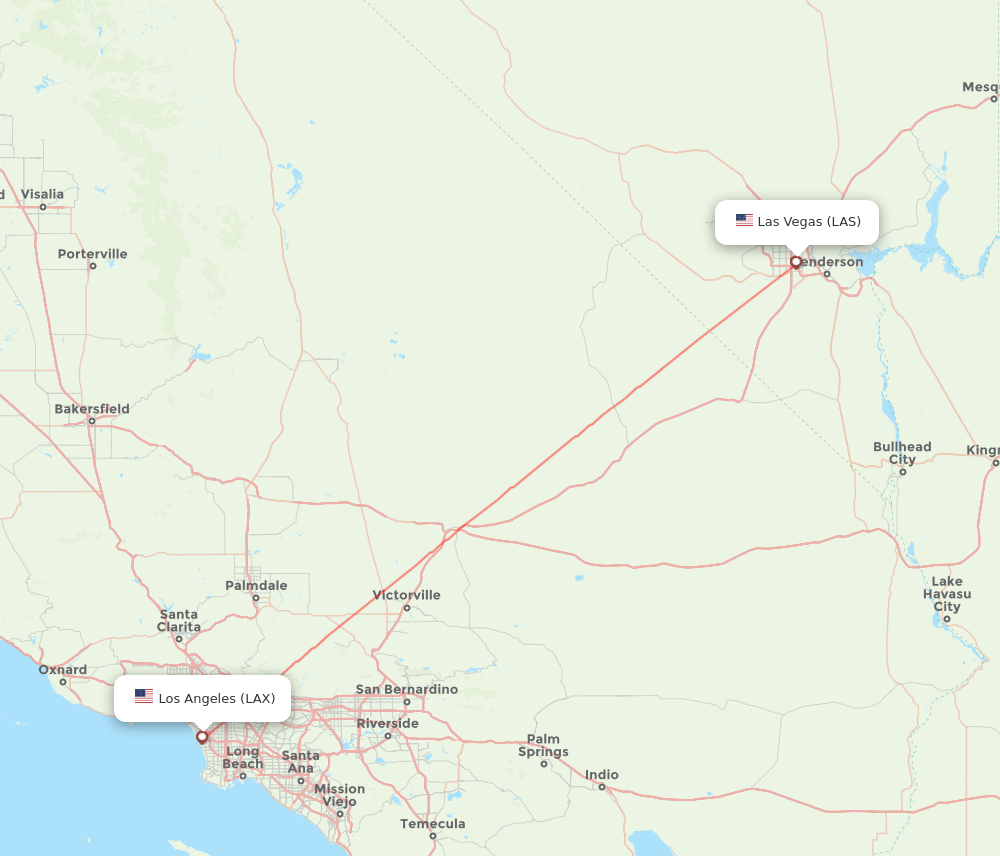
For those prioritizing speed, flying is the most efficient method. Several airlines offer direct flights from Los Angeles‘s major airports, including Los Angeles International Airport (LAX), Hollywood Burbank Airport (BUR), and Long Beach Airport (LGB), to McCarran International Airport (LAS) in Las Vegas.
- Flight Duration: The actual flight time is remarkably short, typically around 1 hour to 1 hour and 15 minutes.
- Total Travel Time: However, when you factor in travel to the airport, check-in procedures, security screening, boarding, deplaning, and travel from McCarran International Airport (LAS) to your accommodation, the total door-to-door time can often rival or even exceed the driving time.
- Cost: Flight prices can vary significantly based on the airline, time of booking, and season. While sometimes comparable to driving costs (especially when factoring in gas, potential car wear and tear, and parking), flights can often be more expensive, particularly for last-minute bookings or during peak travel times.
Bus Travel: A Budget-Conscious Choice
For budget-conscious travelers, bus services offer a more economical alternative. Several companies operate direct bus routes from Los Angeles to Las Vegas, often departing from central locations in Los Angeles and arriving at various points in Las Vegas, including the downtown area and the Strip.
- Travel Time: Bus journeys are typically longer than driving, often ranging from 6 to 8 hours, depending on the number of stops and traffic conditions.
- Comfort and Amenities: Modern bus services often provide comfortable seating, Wi-Fi, and power outlets, making the longer journey more bearable.
- Cost-Effectiveness: This option is usually the most affordable, making it attractive for students, backpackers, or those looking to save money on their travel expenses.
Train Travel: A Scenic but Lengthy Endeavor
Train travel between Los Angeles and Las Vegas is not a direct or commonly used option. Amtrak does not currently offer a direct passenger train route connecting the two cities. While it might be possible to construct a multi-leg journey involving buses or other transfers, it would be significantly longer and less convenient than other methods. For this reason, train travel is generally not considered a practical choice for this particular route.
Making the Most of Your Trip: Beyond the Miles
Understanding the mileage is just the first step in planning your journey to Las Vegas. The “how many miles” question is intrinsically linked to the “how to get there” and, ultimately, the “what to do once you arrive.” The approximately 270-mile drive through diverse landscapes sets the stage for the experiences awaiting you.
Accommodation and Attractions in Las Vegas
Upon arrival in Las Vegas, the options for accommodation are as vast and varied as the city itself. From luxurious mega-resorts to boutique hotels and more budget-friendly motels, there’s a place to stay for every preference and budget. Many of the most iconic hotels are situated along the world-famous Las Vegas Strip, a roughly 4-mile stretch that is home to a dazzling array of casinos, entertainment venues, and dining establishments.
Popular accommodation categories include:
- Luxury Resorts: Think of the opulent Bellagio, the extravagant The Venetian, or the stylish Aria Resort & Casino. These offer unparalleled amenities, fine dining, and world-class entertainment.
- Mid-Range Hotels: You’ll find a plethora of options offering comfort and convenience without the top-tier price tag, such as the Flamingo Las Vegas or the MGM Grand Hotel & Casino.
- Boutique Hotels: For a more intimate or themed experience, consider properties like The Cosmopolitan of Las Vegas or the unique offerings off the main Strip.
- Apartment Rentals and Villas: For longer stays or for families and groups, short-term rental apartments and villas can provide a home-away-from-home feel.
Beyond the accommodation, Las Vegas is synonymous with attractions. The Strip itself is a major draw, with its themed hotels, elaborate fountains, and constant buzz.
Key attractions and activities include:
- World-Class Shows: From resident Cirque du Soleil productions like “O” at the Bellagio to musical residencies by legendary artists, the entertainment scene is second to none.
- Gourmet Dining: Las Vegas is a culinary mecca, boasting restaurants from celebrity chefs and offering every type of cuisine imaginable.
- Casinos and Gaming: The iconic Las Vegas casinos offer a chance to try your luck at a wide array of games, from slots to poker.
- Shopping: High-end designer boutiques can be found in shopping malls like the Forum Shops at Caesars Palace and Crystals at Aria Resort & Casino.
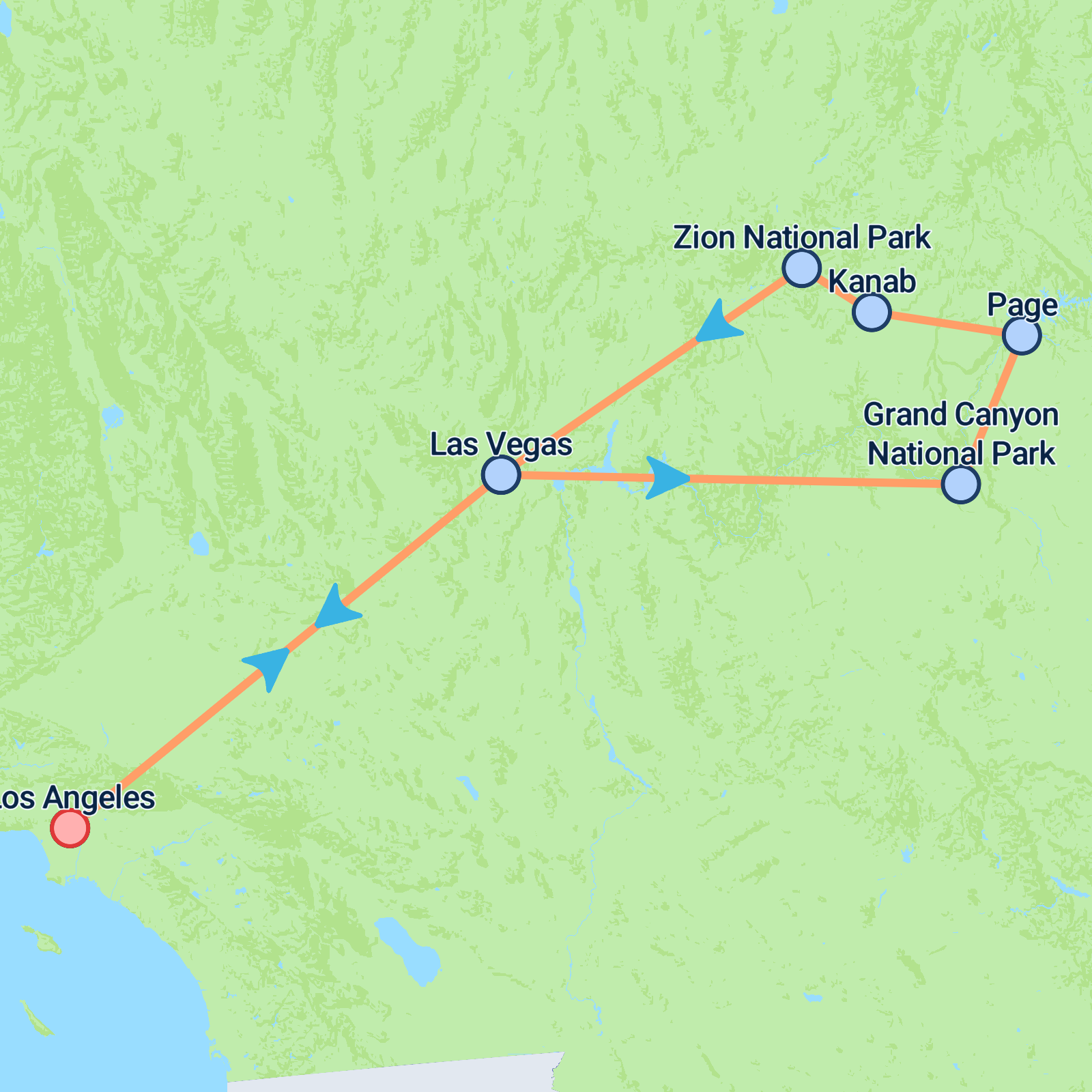
- Unique Experiences: Consider visiting the High Roller Observation Wheel for panoramic views, exploring the Neon Museum to delve into the city’s history, or taking a day trip to nearby natural wonders like the Hoover Dam or Red Rock Canyon National Conservation Area.
The Lifestyle of a Las Vegas Trip
The journey from Los Angeles to Las Vegas can be tailored to various lifestyles. Whether you’re a discerning traveler seeking a luxury travel experience, a budget-conscious explorer looking for budget travel opportunities, a family trip with entertainment for all ages, or a professional on business stays, Las Vegas has something to offer.
For those embarking on a luxury travel experience, the focus will be on upscale dining, premium suites, exclusive shows, and perhaps private transportation. The roughly 270-mile drive can be made more comfortable with a high-end rental vehicle.
Budget travel enthusiasts might opt for bus transportation, stay in more affordable hotels slightly off the Strip, and focus on free attractions or happy hour deals. The drive itself can be managed by sharing fuel costs.
Family trips can be enhanced by choosing hotels with family-friendly amenities like pools and kid-friendly activities. Attractions like The LINQ Promenade or shows suitable for all ages can make the journey worthwhile.
For business stays, Las Vegas offers extensive convention facilities and hotels that cater to corporate travelers, often with easy access to the airport and business districts.
In essence, the distance between Los Angeles and Las Vegas is more than just a number; it’s a gateway. It’s the anticipation built during the 4 to 5-hour drive, the diverse landscapes encountered, and the distinct experiences that await at your destination. Planning your trip, considering your preferred mode of transport, and understanding the vast array of accommodations and attractions will ensure your journey from the City of Angels to the Entertainment Capital of the World is a memorable one.
LifeOutOfTheBox is a participant in the Amazon Services LLC Associates Program, an affiliate advertising program designed to provide a means for sites to earn advertising fees by advertising and linking to Amazon.com. Amazon, the Amazon logo, AmazonSupply, and the AmazonSupply logo are trademarks of Amazon.com, Inc. or its affiliates. As an Amazon Associate we earn affiliate commissions from qualifying purchases.