
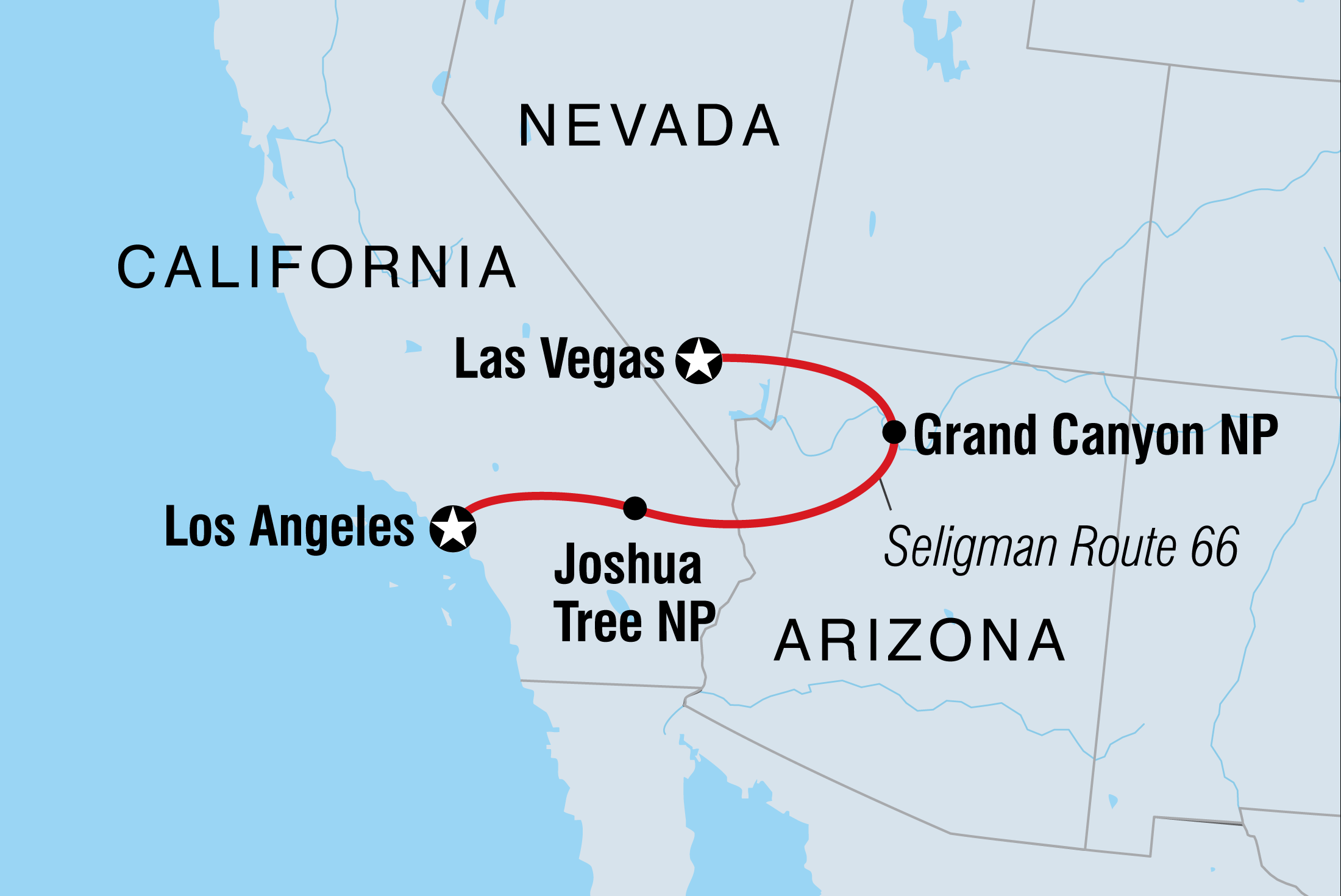
The journey from the sprawling urban landscape of Los Angeles to the neon-soaked excitement of Las Vegas is one of the most iconic road trips in the United States. Spanning approximately 270 miles via Interstate 15, this route transforms from the dense congestion of Southern California freeways to the stark, hypnotic beauty of the Mojave Desert. Whether you are a first-time visitor or a seasoned traveler, understanding the geography, timing, and nuances of this trek is essential for a seamless transition between two of the country’s most vibrant destinations.
Understanding the Distance and Travel Time
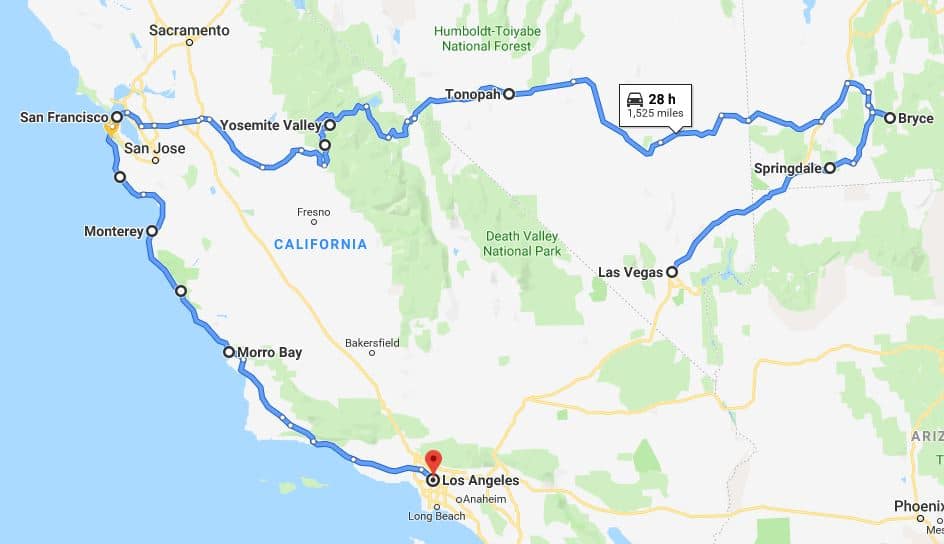
While the mileage is relatively consistent, the duration of your trip can fluctuate significantly based on departure times and seasonal traffic patterns. On a clear day with light traffic, you can expect to cover the distance in about four to five hours. However, the realities of California and Nevada infrastructure often dictate a different experience.
The Impact of Peak Travel Windows
The biggest variable in your trip from Los Angeles is, undeniably, timing. Leaving on a Friday afternoon or returning on a Sunday evening is a recipe for significant delays. During these peak periods, the Cajon Pass often becomes a bottleneck, turning a four-hour drive into a six- or seven-hour ordeal. Experienced travelers often plan their departures for mid-week or early Tuesday mornings to ensure the smoothest transit possible.
Optimizing Your Route
Interstate 15 serves as the primary artery connecting these two cities. As you exit the Los Angeles Basin, you will climb through the mountains before descending into the high desert. While navigation apps often provide real-time updates regarding accidents or road construction, it is important to remember that there are few alternative routes once you are deep within the desert. Staying the course on the main highway is generally the most efficient strategy, provided you have adequate fuel and hydration.
Strategic Stops Along the Way
One of the greatest joys of traveling between Los Angeles and Las Vegas is the opportunity to break up the drive with unique pit stops. These locations not only offer a chance to stretch your legs but also provide a window into the eclectic culture of the desert.
Iconic Roadside Attractions
- Seven Magic Mountains: Located just south of Las Vegas, this vibrant, art-installation-filled landscape of neon-painted boulders is a must-see for photographers and art enthusiasts. It serves as a surreal introduction to the bright lights of the city.
- Peggy Sue’s 50’s Diner: Situated in Yermo, this nostalgic roadside gem is the perfect spot for a milkshake and a burger. It is a nostalgic trip back in time that pairs perfectly with the classic American road trip aesthetic.
- Calico Ghost Town: For history buffs, this former silver-mining town offers a fascinating glimpse into the Old West. It is situated just off the highway and provides a refreshing break from the modern commute.
Natural Landscapes and Outdoor Breaks
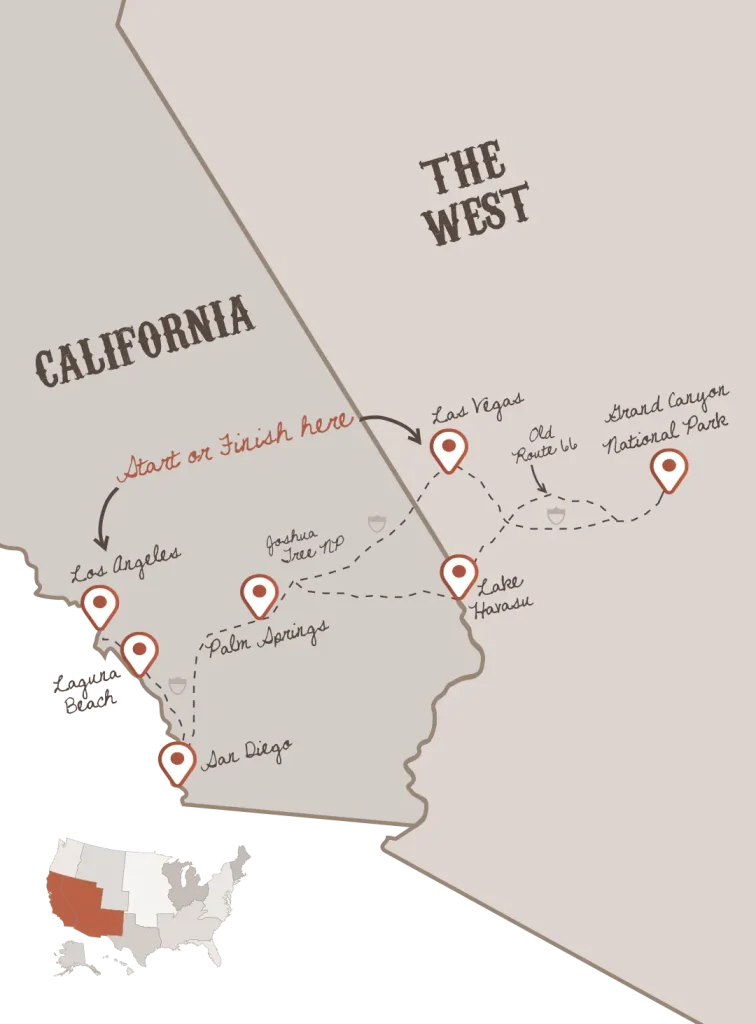
If you prefer nature over neon, consider a brief detour through the Mojave National Preserve. The preserve offers stunning vistas, Joshua tree forests, and sand dunes that contrast sharply with the urban environments at either end of your journey. Please note that visiting these areas requires careful planning regarding the desert heat, especially during the summer months.
Practical Tips for Desert Driving
The drive between Los Angeles and Las Vegas involves traversing harsh, unforgiving terrain. Preparing your vehicle and your supplies is not just a recommendation; it is a safety necessity.
Preparing Your Vehicle
Before departing, ensure your vehicle is in top condition. Desert temperatures can soar, putting extreme pressure on your engine cooling system, tires, and battery. Check your tire pressure and ensure your air conditioning is functioning properly, as the heat can reach triple digits in the summer. Always maintain a decent level of fuel; while there are plenty of service stations along Interstate 15, it is unwise to let your tank drop below a quarter, particularly at night.
Staying Hydrated and Alert
Hydration is the most overlooked aspect of desert travel. Even if you are inside an air-conditioned vehicle, the low humidity of the desert accelerates dehydration. Carry plenty of water for every passenger. Furthermore, the long, straight stretches of the desert road can induce “highway hypnosis.” Rotate drivers if possible, utilize cruise control to maintain a steady speed, and do not hesitate to pull over at a rest stop or a town like Barstow if you feel signs of fatigue.
Beyond the Drive: Arriving at Your Destination
Once you clear the desert horizon and see the Las Vegas Strip shimmering in the distance, your road trip transitions into your stay. The proximity of Los Angeles to Las Vegas makes the latter an accessible escape for a weekend getaway or a longer vacation.
The Transition from Nature to Neon
The arrival into Las Vegas is dramatic, whether you are arriving during the day or at night. The city’s architecture, influenced by themes from Egypt, France, and Italy, offers a stark visual shift from the natural textures of the Mojave Desert.
Navigating the Destination
Upon arrival, consider the accessibility of your hotel. Many resorts along the Las Vegas Strip are well-connected by pedestrian bridges and monorails, meaning you can park your car upon arrival and explore the city on foot or via ride-sharing services. This allows you to fully enjoy the culinary, entertainment, and nightlife scenes without worrying about navigation or parking fees for the duration of your stay.
Whether you are traveling for the thrills of the casinos or the world-class entertainment, the roughly 270-mile journey serves as a transitionary bridge between the coastal culture of California and the high-octane spirit of Nevada. With proper planning, a respect for the environmental conditions, and an appreciation for the unique roadside stops along the way, this drive can become as memorable as the destination itself.
LifeOutOfTheBox is a participant in the Amazon Services LLC Associates Program, an affiliate advertising program designed to provide a means for sites to earn advertising fees by advertising and linking to Amazon.com. Amazon, the Amazon logo, AmazonSupply, and the AmazonSupply logo are trademarks of Amazon.com, Inc. or its affiliates. As an Amazon Associate we earn affiliate commissions from qualifying purchases.