
The journey from Miami, Florida’s vibrant southern jewel, to Orlando, the world’s theme park capital, is a quintessential Florida experience for countless travelers. Whether you’re a local embarking on a weekend getaway or an international visitor planning an itinerary, understanding the distance and optimal travel methods between these two iconic cities is crucial for a smooth and enjoyable trip. This comprehensive guide will delve into the precise mileage, estimated travel times, various transportation options, and invaluable tips to help you navigate this popular route.
The Essential Distance: Miami to Orlando Unveiled
At its core, the question of “how many miles” is straightforward, yet the practical implications extend far beyond a simple number. The distance influences everything from travel time and fuel costs to the choice of transportation and potential stops along the way.

Direct Route Breakdown and Key Highways
The most common and direct route connecting Miami and Orlando typically spans between 230 to 240 miles (approximately 370 to 386 kilometers), depending on the specific starting and ending points within each metropolitan area. There are primarily two major highways that facilitate this journey:
- Florida’s Turnpike (SR 91): This is generally the preferred route for drivers due to its directness and fewer exits, often resulting in quicker travel times. It is a toll road, meaning travelers should account for toll costs, which can vary depending on the entry and exit points and whether they use an electronic toll collection system like SunPass. The Florida’s Turnpike offers a more inland passage, bypassing some of the busier coastal cities.
- Interstate 95 (I-95): Running along Florida’s east coast, I-95 is another viable option, particularly for those interested in coastal stops or avoiding tolls. While it offers scenic views and access to numerous beach towns, it can also be more prone to traffic congestion, especially around urban centers like Fort Lauderdale, Palm Beach, and Port St. Lucie. This route might add a few extra miles compared to the Turnpike.
For most GPS systems and online mapping tools, the Florida’s Turnpike will be suggested as the primary route due to its efficiency. Regardless of the chosen path, the journey offers a distinct perspective of Florida’s diverse landscape, transitioning from the bustling urban sprawl of South Florida to the expansive citrus groves and tourist-centric development around Central Florida.

Understanding Travel Time Factors
While the mileage is a fixed figure for a given route, the actual time it takes to cover that distance is highly variable. The estimated driving time without significant stops typically ranges from 3.5 to 4 hours. However, several factors can influence this duration:
- Traffic Congestion: Miami and Orlando are major metropolitan areas prone to rush hour traffic. Departing during peak times (e.g., weekday mornings 7-9 AM, weekday afternoons 4-6 PM) can significantly extend travel times, sometimes adding an hour or more to the journey.
- Day of the Week: Weekend travel, particularly on Fridays and Sundays, can see increased volumes of leisure travelers, leading to slower speeds.
- Seasonality: Florida’s peak tourist seasons (e.g., winter holidays, spring break, summer) often result in heavier traffic on major interstates.
- Road Construction: Ongoing road maintenance or expansion projects can cause unexpected delays. Checking real-time traffic updates before and during your trip is highly recommended.
- Stops and Breaks: Accounting for fuel stops, restroom breaks, or meal stops is essential. A common rule of thumb is to add at least 30 minutes to an hour for every 2-3 hours of driving.
Navigating the Journey: Transportation Options
Beyond driving your own vehicle, a variety of transportation methods connect Miami and Orlando, each offering distinct advantages in terms of cost, comfort, and convenience.
Driving: The Most Popular Choice
Driving remains the most flexible and popular option for travelers between these two cities. It offers the freedom to depart and arrive on your own schedule, make spontaneous stops, and carry as much luggage as desired.
- Pros: Ultimate flexibility, cost-effective for groups or families (sharing fuel/toll costs), potential for scenic detours.
- Cons: Toll expenses (Florida’s Turnpike can accumulate substantial tolls), potential for traffic stress, wear and tear on personal vehicles.
- Rental Cars: For those flying into Miami International Airport (MIA) or Fort Lauderdale-Hollywood International Airport (FLL), renting a car is a common practice. Be sure to factor in rental costs, insurance, and fuel. Many rental agencies offer vehicles equipped with electronic toll transponders for convenience, though these may incur an additional daily fee.
Bus Services: Economical and Convenient
For budget-conscious travelers or those who prefer not to drive, intercity bus services offer a reliable and affordable alternative.
- Major Operators: Companies like Greyhound and FlixBus operate multiple daily routes between Miami and Orlando.
- Journey Details: Bus journeys typically take longer than driving, averaging 4.5 to 6 hours, due to scheduled stops and lower average speeds. However, passengers can relax, work, or enjoy the scenery without the stress of driving.
- Departure/Arrival Points: Buses usually depart from major terminals such as Miami Central Station (or specific downtown stops) and arrive at the Orlando Bus Station near downtown, or sometimes at Orlando International Airport (MCO).
Rail Travel: A Scenic and Relaxing Alternative
Rail travel has seen a resurgence in popularity, offering a comfortable and often more spacious experience than buses or even flying for short to medium distances.
- Brightline: This high-speed rail service offers a premium travel experience directly connecting MiamiCentral station in downtown Miami to Orlando International Airport’s new station. The journey is significantly faster than driving or bus, often taking around 3 hours, offering comfortable seating, Wi-Fi, and food/beverage service. It’s an excellent option for business travelers or those seeking a hassle-free, expedited trip.
- Amtrak: The national passenger rail system also operates routes between the cities. Amtrak provides a more traditional rail experience, with longer travel times (around 5-6 hours) compared to Brightline, but often at a more economical price point. Stations include Miami Airport Station and the Orlando Station (near downtown).
Flying: The Fastest, But Not Always the Easiest
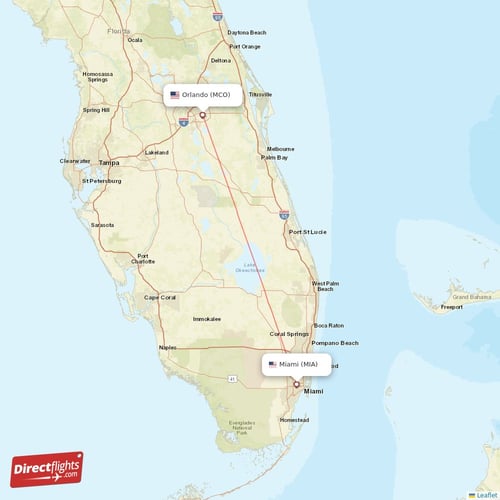
While flying covers the distance in the shortest amount of time, the overall travel experience between Miami and Orlando is not always the most efficient once airport logistics are factored in.
- Flight Time: The actual flight time is incredibly short, often around 1 hour.
- Total Travel Time: However, when you add commuting to and from airports, security checks, boarding, and baggage claim, the total door-to-door time can easily equal or exceed the driving time, often totaling 3-5 hours.
- Cost: Airfare can vary wildly, sometimes being more expensive than other options, especially when booking last minute.
- Airports: Major airports include Miami International Airport (MIA) or Fort Lauderdale-Hollywood International Airport (FLL) on the departure end, and Orlando International Airport (MCO) as the primary arrival point.
Enhancing Your Journey: Stops and Sights Along the Way
For those who choose to drive, the journey between Miami and Orlando doesn’t have to be a non-stop dash. Florida’s diverse landscape offers numerous opportunities for interesting detours and refreshing breaks.
Coastal Delights on I-95
If you opt for Interstate 95, you’ll traverse some of Florida’s most iconic coastal cities, each offering unique attractions:
- Fort Lauderdale: Known as the “Venice of America” for its extensive canal system, Fort Lauderdale is a fantastic stop for beautiful beaches, boating, and dining along Las Olas Boulevard.
- Palm Beach: An enclave of luxury, Palm Beach offers high-end shopping on Worth Avenue, stunning architecture, and pristine beaches.
- Jensen Beach / Stuart: These charming towns provide a more laid-back coastal experience, perfect for a quick stretch and a casual meal.
- Kennedy Space Center Visitor Complex: A slight detour east from I-95 near the Space Coast (around Titusville), this iconic landmark is a must-visit for space enthusiasts. It’s a full-day attraction, so plan accordingly if you intend to stop here.
Inland Charms via Florida’s Turnpike
While the Florida’s Turnpike is primarily designed for speed, it also offers glimpses into Florida’s agricultural heartland and convenient service plazas for breaks.
- Service Plazas: The Turnpike features well-maintained service plazas every 45-60 miles, offering fuel, restrooms, fast-food options, and sometimes even small shops. These are ideal for quick, efficient stops without significant detours.
- Lake Okeechobee: While the Turnpike doesn’t directly hug the lake, you’ll pass close enough to appreciate the vastness of Florida’s largest freshwater lake. The surrounding area is primarily agricultural, offering a contrast to the coastal bustle.
- Vero Beach (slight detour): If you’re willing to take a small detour off the Turnpike, Vero Beach offers a relaxed upscale atmosphere, beautiful beaches, and golf courses.
Planning Your Trip: Essential Tips for a Smooth Journey
Regardless of your chosen mode of transport, a well-planned trip ensures a stress-free and enjoyable experience from Miami to Orlando.
Best Time to Travel
Timing is everything, especially in Florida.
- Avoiding Rush Hour: If driving, aim to depart Miami before 7 AM or after 9 AM on weekdays, and after 6 PM if leaving in the evening. Similarly, entering Orlando during its rush hour can cause delays.
- Considering Peak Seasons: Florida sees increased tourist traffic during school holidays, spring break, and the winter months (November-April). Booking bus, train, or flight tickets well in advance during these periods is advisable.
- Weather Considerations: While Florida is known as the Sunshine State, summer months (June-November) are hurricane season, which can bring heavy rains and potential travel disruptions. Always check weather forecasts before departing.
Budgeting for Your Travel
Understanding the costs associated with each travel method is key to making an informed decision.
- Driving: Factor in fuel costs (around $30-50 one-way, depending on vehicle and gas prices), Florida’s Turnpike tolls (roughly $20-25 one-way, varying with SunPass vs. cash/toll-by-plate), and potential rental car fees.
- Bus/Train/Flight: Ticket prices fluctuate based on demand, time of year, and how far in advance you book. Compare prices across different providers and consider any promotions. Brightline generally sits at a higher price point than Amtrak or bus services.
- Hidden Costs: Don’t forget costs for parking at your destination in Orlando, especially if visiting theme parks like Walt Disney World Resort or Universal Orlando Resort, or local transportation once you arrive.
Packing Essentials and On-Road Comfort
Whether you’re driving or taking public transport, some items can greatly enhance your comfort.
- Snacks and Hydration: Especially for road trips, having water and snacks reduces the need for frequent stops and can save money.
- Entertainment: Books, podcasts, music, or downloaded movies are great for passing the time, particularly on longer bus or train journeys.
- Navigation: While most phones have GPS, a dedicated GPS device or a reliable mapping app with offline capabilities is invaluable.
- Sun Protection: Florida’s sun can be intense. Sunglasses, hats, and sunscreen are recommended.
Arrival and Local Transportation in Orlando
Once you’ve reached Orlando, consider how you’ll get around.
- Theme Park Access: If your primary destination is Walt Disney World Resort or Universal Orlando Resort, many hotels offer shuttle services. Ride-sharing services like Uber/Lyft are widely available, as are taxis.
- Rental Car: Having a rental car in Orlando provides maximum flexibility for exploring various attractions beyond the main theme parks.
- Public Transport: While Orlando has a public bus system (LYNX) and a tourist-focused I-Ride Trolley on International Drive, it is not as comprehensive for reaching all major tourist destinations without transfers.
In conclusion, the distance from Miami to Orlando is a manageable ~230-240 miles, making it a very accessible journey by various means. Your choice of transportation will ultimately hinge on your priorities: speed, cost, comfort, and the desire for flexibility or scenic stops. By planning ahead and considering these factors, you can ensure your travel between these two magnificent Florida destinations is as enjoyable as the destinations themselves.
LifeOutOfTheBox is a participant in the Amazon Services LLC Associates Program, an affiliate advertising program designed to provide a means for sites to earn advertising fees by advertising and linking to Amazon.com. Amazon, the Amazon logo, AmazonSupply, and the AmazonSupply logo are trademarks of Amazon.com, Inc. or its affiliates. As an Amazon Associate we earn affiliate commissions from qualifying purchases.