
When planning a journey along the bustling Northeast Corridor of the United States, understanding the distance between New York and Washington DC is the first step toward a seamless travel experience. Whether you are traveling for business, pleasure, or a blend of both, this route is one of the most frequently traversed paths in North America, connecting the nation’s financial capital with its political heart.
Navigating the Distance: Road, Rail, and Air
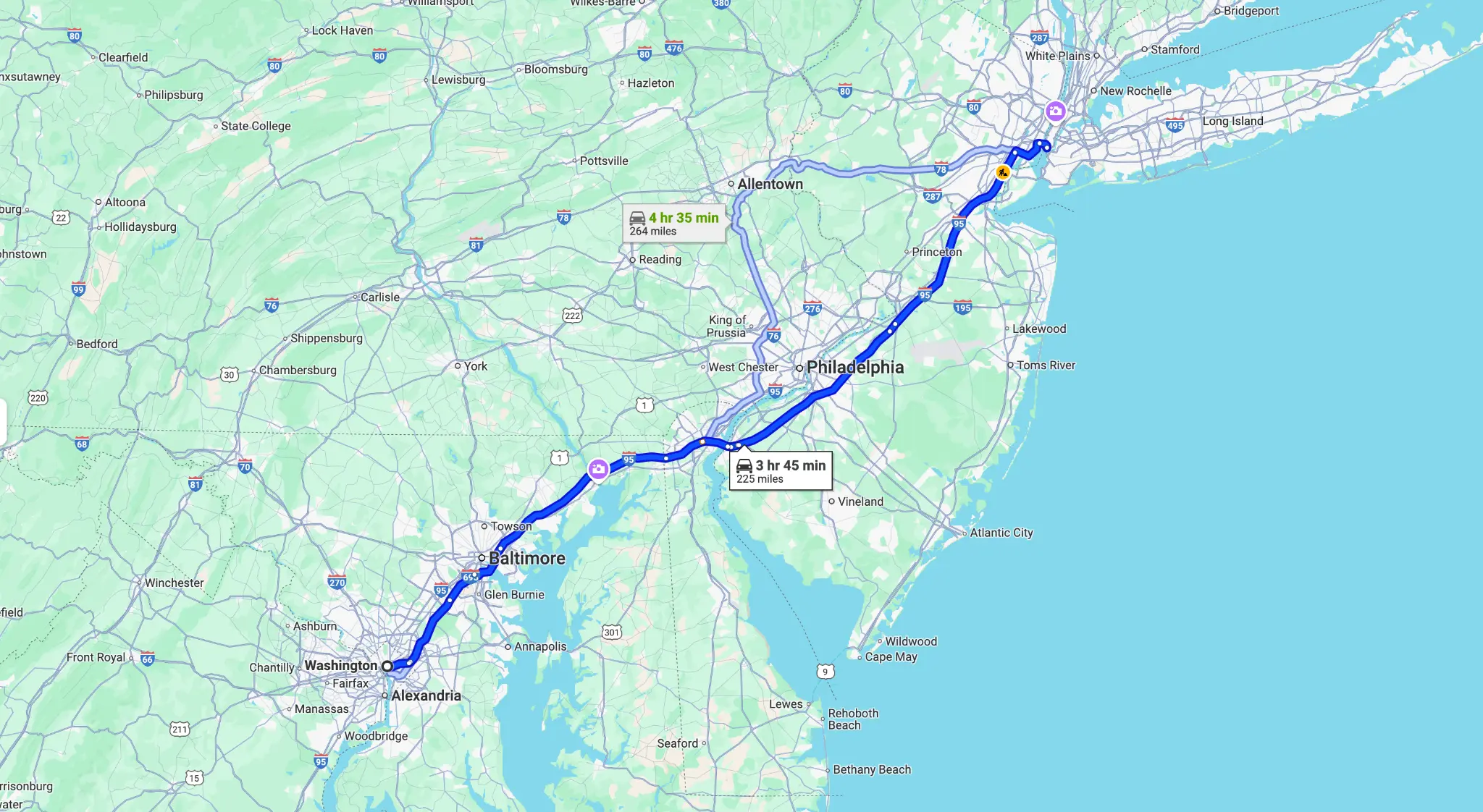
The physical distance between these two iconic cities is approximately 225 miles (roughly 362 kilometers). However, the “real” distance—measured in time and effort—depends entirely on your chosen mode of transportation. While the geographical span is relatively short, the density of the Northeast region means that traffic patterns and transit schedules play a significant role in how quickly you reach your destination.
Driving Along the Interstate 95
For those who prefer the independence of the open road, driving is the most common way to make the trip. The journey primarily follows Interstate 95, a major artery that cuts through the heart of New Jersey, Pennsylvania, Delaware, and Maryland. Under ideal conditions, without heavy traffic, the drive usually takes between four to five hours.
However, commuters and travelers should be aware of the “congestion factor.” Passing through major metropolitan hubs like Philadelphia and Baltimore can add significant time to your journey during peak rush hours. Many seasoned travelers recommend leaving either very early in the morning or mid-day to avoid the gridlock that frequently occurs near major bridge and tunnel crossings.
The Efficiency of High-Speed Rail
For those who prefer to avoid the stresses of highway driving, the train is often considered the gold standard for this specific route. Amtrak operates frequent service between Moynihan Train Hall in Manhattan and Union Station in Washington DC.
The Acela express train offers the fastest rail travel available in the region, often completing the trip in under three hours. By traveling city-center to city-center, passengers can bypass the security lines and airport transit times associated with flying, making rail travel the most productive way to spend your time while crossing those 225 miles.
Essential Stops and Sightseeing Opportunities
Because the distance is short enough to cover in a single day, many travelers decide to turn the journey into a multi-stop adventure. Instead of rushing to reach the final destination, breaking up the 225 miles allows for a richer exploration of the corridor’s historical and cultural significance.

Historical Highlights Along the Way
The stretch of land between these two cities is steeped in American history. Philadelphia, located roughly at the halfway point, is a perfect place to pause. Visitors can walk the cobblestone streets near Independence Hall or see the Liberty Bell, gaining a deeper appreciation for the foundational events that shaped the nation.
Continuing south, Wilmington in Delaware offers beautiful riverfront views and the Hagley Museum and Library, providing a look into the region’s industrial heritage. Even a brief stop in Baltimore at the Inner Harbor can offer a refreshing break with excellent seafood and waterfront vistas before you enter the final leg of the drive toward the capital.
Planning Your Departure and Arrival
If you are starting your trip from New York, the experience begins in a city defined by its verticality and endless energy. As you depart, the landscape gradually shifts from the urban density of New Jersey to the greener, rolling hills approaching the District of Columbia.
When arriving in Washington DC, the atmosphere changes distinctly. The city’s low-profile architecture, dominated by the United States Capitol and the Washington Monument, offers a stark, elegant contrast to the towering skyscrapers left behind. Knowing the distance and time involved allows travelers to coordinate their arrival to better align with the opening hours of major attractions like the Smithsonian Institution or the National Mall.
Travel Tips for a Seamless Journey
To make the most of your travel between these two hubs, consider the following strategic advice.
Weather and Seasonal Variations
The Northeast experiences all four seasons, and the 225-mile trek can be heavily influenced by the time of year. Summer road trips may face increased traffic due to vacationers heading toward the Jersey Shore, while winter travel can be impacted by unexpected snowstorms that slow down both road and rail traffic. Always monitor local weather reports before departing, especially if you are driving your own vehicle, as conditions can vary significantly between New York City and Washington DC.
Choosing the Right Timing
The “mileage” of your trip is truly measured by your ability to avoid the peak transit hours. For those who can choose their schedule, Tuesday through Thursday travel generally offers lighter traffic on the highways and slightly more affordable fares on the Amtrak lines. Early morning departures, particularly those before 7:00 AM, allow you to bypass much of the commuter congestion that plagues the I-95 corridor.
Comfort and Productivity
Regardless of whether you choose to drive, take the train, or hop on a short flight, the distance of 225 miles is short enough that comfort should be your priority. On the train, take advantage of the quiet cars if you need to work, or the café car if you wish to socialize. If driving, ensure your vehicle is well-maintained, as the steady pace of highway driving requires reliable performance. Having a well-curated playlist or a series of podcasts can turn a four-hour drive into a relaxing experience, allowing you to appreciate the changing scenery as you traverse the Mid-Atlantic region.
Ultimately, whether you are traveling for the history, the business opportunities, or a change of pace, the journey from New York to Washington DC is a quintessential experience. By understanding the distance and preparing for the nuances of the route, you can ensure that your transition between these two powerhouses of culture and policy is as enjoyable as the destinations themselves. From the bright lights of Times Square to the solemn beauty of the Lincoln Memorial, every mile traveled along this corridor connects the vibrant threads of the American story.
LifeOutOfTheBox is a participant in the Amazon Services LLC Associates Program, an affiliate advertising program designed to provide a means for sites to earn advertising fees by advertising and linking to Amazon.com. Amazon, the Amazon logo, AmazonSupply, and the AmazonSupply logo are trademarks of Amazon.com, Inc. or its affiliates. As an Amazon Associate we earn affiliate commissions from qualifying purchases.