
The allure of Cuba has long captivated travelers from Florida, a mere stone’s throw away across the shimmering Caribbean Sea. For many, the question isn’t just about distance, but about the ease of access and the promise of an exotic escape just over the horizon. Understanding the mileage is the first step in planning a journey to this vibrant island nation, a destination steeped in history, brimming with unique culture, and offering experiences that range from the luxurious to the wonderfully budget-friendly.
The proximity of Cuba to Florida is a significant factor for many American travelers, especially those living in states like Florida, Texas, or those looking for a relatively short flight. While the exact distance can vary slightly depending on the specific departure and arrival points, the general answer to “How many miles is Cuba from Florida?” hovers around the 200-mile mark. This relatively short expanse makes Cuba an appealing destination for weekend getaways, spontaneous trips, or as part of a broader Caribbean adventure.
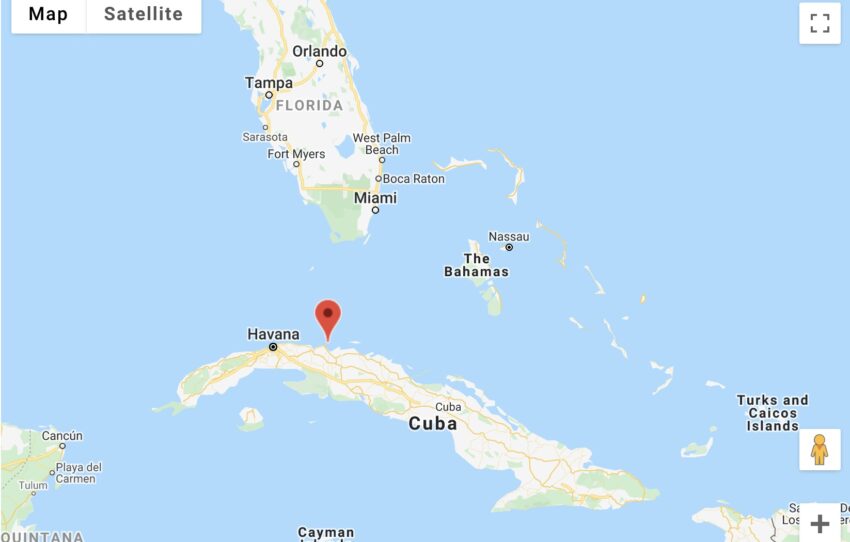
This article will delve into the specifics of this distance, explore the various ways to traverse it, and highlight the incredible experiences that await you on the other side, from the iconic streets of Havana to the pristine beaches of Varadero. We’ll also touch upon the nuances of travel between these two geographically close yet culturally distinct regions, considering aspects of accommodation, tourism, and the unique lifestyle choices that a trip to Cuba can offer.
The Direct Line: Measuring the Miles
When we talk about the distance between Florida and Cuba, we’re primarily referring to the shortest geographical path, the great-circle distance, as the crow flies. The most common points of reference for this measurement are Key West, the southernmost point of the United States, and Havana, the bustling capital of Cuba.
Key West to Havana: The Closest Encounter
The distance between Key West, Florida, and Havana, Cuba, is approximately 90 miles (about 145 kilometers). This incredibly short distance underscores why Cuba has historically been a popular and accessible destination for Floridians. Imagine a journey shorter than the drive from Miami to Orlando – that’s the proximity we’re talking about! This closeness has facilitated a unique relationship, influencing cultural exchange and, of course, making travel a straightforward affair for those who are able to visit.
Miami to Havana: A Slightly Longer Horizon
While Key West holds the title for the closest point, most travelers departing from Florida will likely be originating from major hubs like Miami. The distance from Miami, Florida, to Havana, Cuba, is a bit more substantial, standing at roughly 230 miles (about 370 kilometers). This still represents a short flight, typically under an hour, making it an extremely convenient option for a quick escape.
Other Florida Cities to Cuban Destinations
Other significant cities in Florida, such as Fort Lauderdale and Tampa, also offer routes to Cuba. The distances from these cities are comparable to that from Miami, generally falling within the 200-300 mile range, depending on the specific destination within Cuba. For instance, flights from Tampa to Havana are also around the 230-mile mark. The key takeaway is that no matter where you are in South Florida, Cuba is surprisingly accessible.
It’s important to note that these are direct-line distances. Actual travel routes by air or sea may involve slight detours, but the core proximity remains a defining characteristic of the relationship between Florida and Cuba. This ease of access is a significant draw for a wide range of travelers, from those seeking budget-friendly adventures to those looking for a touch of luxury.
Navigating the Waters and Skies: Travel Options
The proximity of Cuba from Florida naturally lends itself to several modes of transportation. While flights are the most common and expedient, the historical context and the allure of the Caribbean Sea also bring to mind other possibilities, though often with more complex regulations and logistics.
By Air: The Swift Connection
The most popular and straightforward method of travel between Florida and Cuba is by air. Numerous airlines, including charter services, operate regular flights connecting major Florida airports to Havana and other Cuban cities like Santa Clara and Holguín.
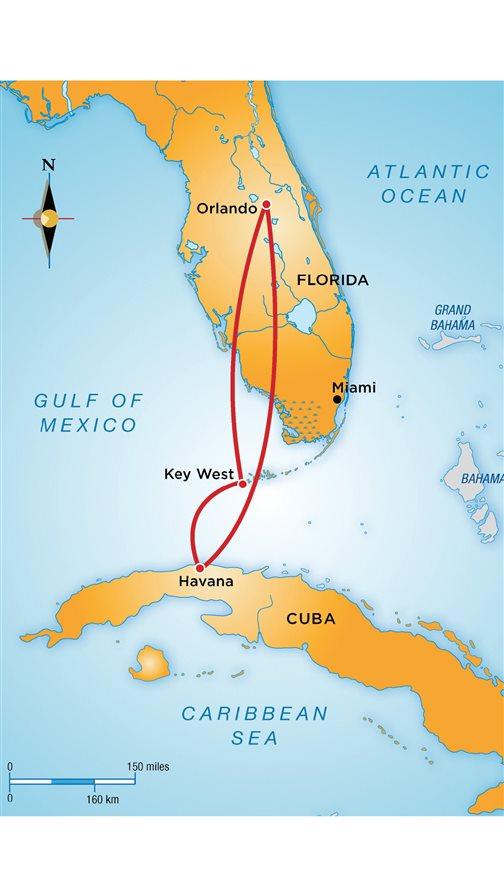
- Flight Duration: Flights from Miami or Fort Lauderdale to Havana typically range from 45 minutes to just over an hour. This incredibly short flight time makes Cuba a viable option for even a brief visit.
- Airports: Key airports in Florida that facilitate travel to Cuba include Miami International Airport (MIA), Fort Lauderdale-Hollywood International Airport (FLL), and Tampa International Airport (TPA). On the Cuban side, Havana’s José Martí International Airport (HAV) is the primary gateway, with other airports receiving international flights as well.
- Booking: Booking flights can be done directly through airline websites or through various travel agencies that specialize in Cuba travel. It’s essential to ensure you meet all visa and travel requirements before booking.
By Sea: A More Adventurous (and Regulated) Approach
Historically, travel by sea was a common way to get between Florida and Cuba. While commercial passenger ferries are not currently operating due to political and regulatory reasons, opportunities exist for those who can travel via specific categories allowed by U.S. law or through private arrangements.
- Cruise Ships: Some cruise lines offer itineraries that include Cuba as a port of call, departing from Florida ports like Miami or Tampa. These cruises offer a structured way to experience Cuba while providing accommodation and onboard amenities. However, the cruise itinerary will dictate the amount of time spent in Cuba.
- Private Vessels: For those with access to private boats or yachts, the journey across the straits is possible. However, this requires significant planning, adherence to strict customs and immigration procedures on both sides, and a thorough understanding of maritime regulations. This is generally a more niche travel option.
- Challenges: Travel by sea, especially for individual travelers not on a cruise, is subject to stringent regulations and may not be as readily accessible as air travel for many U.S. citizens.
Regardless of the chosen mode of transport, planning is crucial. Understanding the visa requirements, travel restrictions, and any specific health advisories is paramount to a smooth and enjoyable journey to Cuba.
The Cuban Experience: Beyond the Miles
The true magic of Cuba lies not just in its proximity to Florida, but in the rich tapestry of experiences it offers. From the historic grandeur of its cities to the tranquil beauty of its natural landscapes, Cuba provides a diverse range of attractions and activities that cater to every type of traveler.
Landmarks and Heritage: Stepping Back in Time
Cuba is a treasure trove of historical and architectural marvels. The island’s colonial past, revolutionary spirit, and vibrant contemporary life are etched into its iconic landmarks.
- Havana Vieja (Old Havana): A UNESCO World Heritage site, Old Havana is a labyrinth of colorful colonial buildings, cobbled streets, and lively plazas. Exploring its architectural gems like Plaza de la Catedral, Plaza Vieja, and Plaza de Armas is like stepping back into a bygone era. The Malecón, Havana‘s iconic seawall, offers breathtaking sunset views and a glimpse into local life.
- Castillo de los Tres Reyes del Morro: This imposing 16th-century fortress guards the entrance to Havana Bay, offering historical insights and panoramic views of the city and the Caribbean Sea.
- Other Historic Cities: Beyond Havana, cities like Trinidad, another UNESCO World Heritage site, boast incredibly well-preserved colonial architecture, with its cobblestone streets and brightly painted houses transporting visitors to the 18th century. Santiago de Cuba, the island’s second-largest city, is the birthplace of Cuban music and revolution, offering a different historical and cultural perspective.
Culinary Delights and Local Flavors: A Taste of Cuba
Cuban cuisine is a delicious fusion of Spanish, African, and Caribbean influences, characterized by hearty, flavorful dishes and fresh, local ingredients.
- Must-Try Dishes: From the national dish, Ropa Vieja (shredded beef stew), to the succulent Lechón Asado (roast pork) and the savory Congrí (rice and beans), Cuban food is a delight for the palate. Don’t forget to sample Moros y Cristianos, another staple rice and black bean dish.
- Street Food and Cafes: Exploring local paladares (private restaurants) and street-side vendors offers an authentic taste of Cuban life. Enjoy a Cuban sandwich, a strong Cuban coffee (café cubano), or sweet churros from a local vendor.
- Rum and Cigars: Cuba is world-renowned for its premium rum, particularly brands like Havana Club, and its hand-rolled cigars. Experiencing a rum tasting or visiting a cigar factory provides a deeper appreciation for these iconic Cuban products.
Diverse Activities and Experiences: Tailoring Your Trip
Whether you’re seeking relaxation, adventure, or cultural immersion, Cuba has an activity to match your lifestyle.
- Beach Escapes: The island boasts some of the most beautiful beaches in the Caribbean. Varadero is a premier resort destination with miles of pristine white sand and clear turquoise waters, offering a classic beach vacation experience with plenty of resorts and hotels to choose from. For a more laid-back vibe, consider the beaches of Cayo Coco or Cayo Guillermo.
- Cultural Immersion: Engage with the vibrant local culture by attending a salsa dancing class, enjoying live Cuban music in a casa de la música, or visiting art galleries and craft markets. The warmth and resilience of the Cuban people are an attraction in themselves.
- Nature and Adventure: Explore Cuba‘s natural beauty through hiking in the Viñales Valley, a UNESCO site known for its dramatic karst landscapes and tobacco plantations, or discover the underwater world with snorkeling and diving excursions along its extensive coastline. For wildlife enthusiasts, the Parque Nacional Alejandro de Humbolt offers a chance to see unique flora and fauna.
- Luxury and Budget Travel: Cuba caters to a spectrum of budgets. You can find opulent resorts and boutique hotels offering world-class amenities for a luxurious lifestyle travel experience, or opt for more affordable casa particulares (private homestays) and budget-friendly eateries for a truly immersive and economical trip.
The relatively short distance from Florida makes Cuba an accessible gateway to an unforgettable travel experience, filled with history, culture, and natural beauty. Understanding the mileage is just the beginning; the real journey is the discovery of all that this captivating island has to offer.
LifeOutOfTheBox is a participant in the Amazon Services LLC Associates Program, an affiliate advertising program designed to provide a means for sites to earn advertising fees by advertising and linking to Amazon.com. Amazon, the Amazon logo, AmazonSupply, and the AmazonSupply logo are trademarks of Amazon.com, Inc. or its affiliates. As an Amazon Associate we earn affiliate commissions from qualifying purchases.