
Understanding the geographical distance between major global hubs like London and New York is fundamental for planning any international journey. This seemingly simple question unlocks a wealth of information crucial for travelers, from calculating flight times and fuel consumption to appreciating the vastness of our planet and the interconnectedness of its prominent cities. The route between these two iconic metropolises, often traversed by millions of people annually for business, leisure, and cultural exchange, is not a straight line but rather a testament to the curvature of the Earth and the established air traffic corridors that optimize travel efficiency and safety.
The Great Circle Distance: Understanding the True Miles
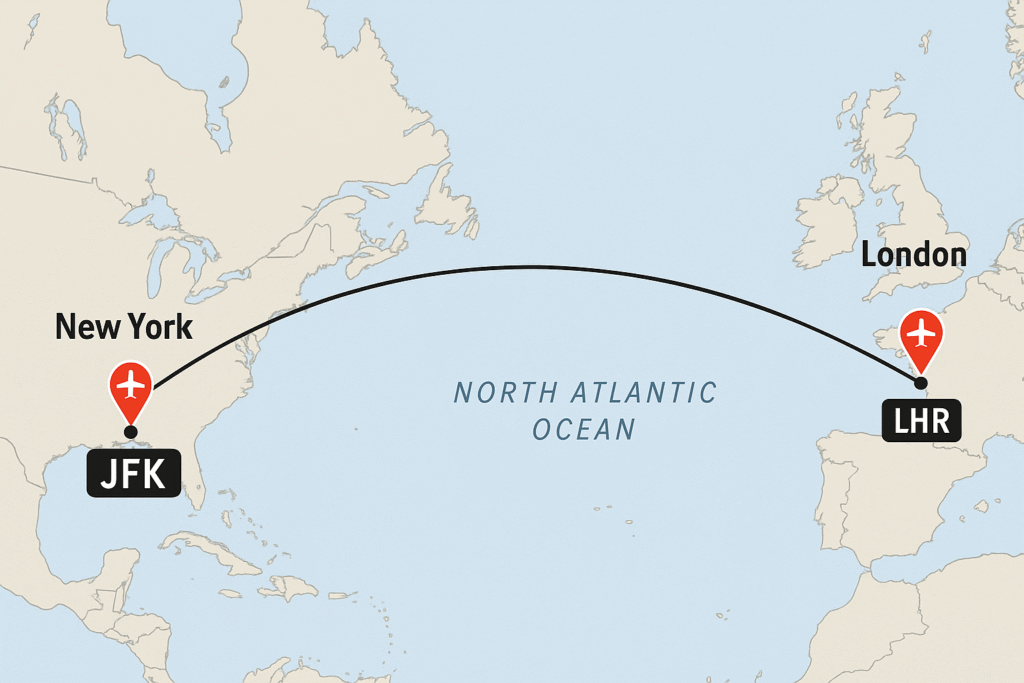
When discussing the distance between two points on a sphere, the most accurate measurement is the “great-circle distance.” This refers to the shortest distance between two points on the surface of a sphere, measured along the surface of the sphere. For flights between cities, this is the basis for calculating flight paths, as it represents the most direct and fuel-efficient route.
Calculating the Great Circle Distance
The great-circle distance between London and New York is approximately 3,459 miles (5,567 kilometers). This figure is derived using spherical trigonometry, taking into account the latitude and longitude coordinates of both cities. While flight paths may deviate slightly due to weather patterns, air traffic control, and avoidance of restricted airspace, the great-circle distance serves as the theoretical minimum and the standard reference for intercontinental travel planning.
Factors Influencing Actual Flight Distance
While the great-circle distance provides a precise measurement, actual flight paths can vary. Airlines and air traffic control constantly monitor and adjust routes for several reasons:
- Jet Streams: High-altitude winds, known as jet streams, can significantly impact flight times and, consequently, the perceived distance traveled. Flights from New York to London often benefit from these tailwinds, making the eastbound journey slightly shorter in terms of time. Conversely, westbound flights may encounter headwinds, increasing the flight duration.
- Air Traffic Control: Busy air corridors are carefully managed to prevent congestion and ensure safety. Aircraft may be routed along specific airways or instructed to hold patterns, which can add mileage to the direct route.
- Weather Conditions: Severe weather, such as thunderstorms or turbulence, necessitates rerouting to ensure passenger comfort and safety. These deviations can also extend the flight path.
- Aircraft Performance: Factors like aircraft weight and wind conditions can influence the optimal cruising altitude and speed, potentially affecting the chosen flight path.
Beyond the Miles: The Journey Between London and New York
The distance between London and New York is not just a number; it represents a significant transatlantic voyage that has evolved dramatically over time. From the early days of sea travel to the modern era of supersonic jets, the journey itself is a fascinating aspect of this global connection.
Historical Travel: The Transatlantic Voyage
Before the advent of air travel, crossing the Atlantic Ocean was a substantial undertaking. Ships, from majestic ocean liners to cargo vessels, were the primary means of transport. A typical sea voyage between England and the United States could take anywhere from 5 to 10 days, depending on the ship, weather conditions, and the specific route. This extended travel time allowed passengers to experience the journey itself as a significant part of their trip, with onboard amenities and a slower pace of life.
Modern Air Travel: Speed and Efficiency
Today, air travel has revolutionized the transatlantic journey. The flight time between London and New York is significantly shorter.
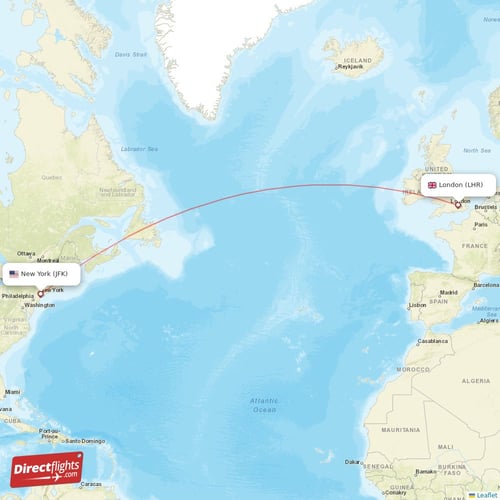
- Typical Flight Time: A direct flight from London to New York typically takes between 7 to 8 hours. Flights from New York to London may be slightly shorter due to prevailing jet streams, often around 6.5 to 7.5 hours.
- Aircraft Types: Modern airliners like the Boeing 747 (though less common now for this route), Boeing 777, Boeing 787 Dreamliner, and Airbus A380 are capable of covering this distance efficiently, with cruising speeds of around 550-600 miles per hour.
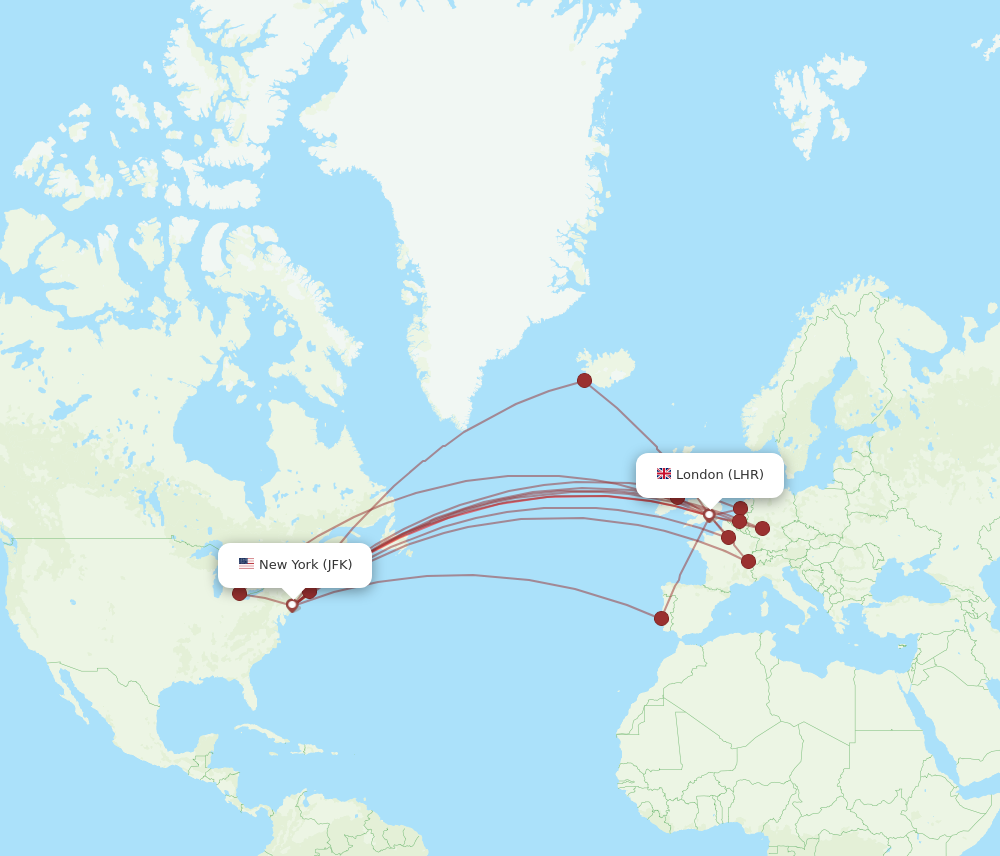
- Airports: The primary airports serving these routes are Heathrow Airport (LHR) and Gatwick Airport (LGW) in the London area, and John F. Kennedy International Airport (JFK), Newark Liberty International Airport (EWR), and LaGuardia Airport (LGA) in the New York metropolitan area.
Planning Your Transatlantic Trip: Considerations Based on Distance
The distance between London and New York has direct implications for various aspects of travel planning, from booking flights to managing jet lag.
Flight Booking and Timing
Understanding the approximate flight duration is essential when booking flights. Shorter flight times can sometimes translate to lower fares, although other factors like airline, time of booking, and demand also play a significant role. When comparing flight options, always consider the total travel time, including any layovers, and not just the flight duration itself. Many travelers opt for overnight flights to maximize their time upon arrival.
Jet Lag Management
The significant distance between London and New York means a considerable time difference – typically 5 hours ( New York is 5 hours behind London ). This can lead to jet lag, a condition characterized by fatigue, insomnia, and disorientation, as your body’s internal clock adjusts to the new time zone. Strategies for mitigating jet lag include:
- Adjusting Sleep Schedule: Gradually shifting your sleep schedule in the days leading up to your departure.
- Staying Hydrated: Drinking plenty of water during the flight.
- Minimizing Alcohol and Caffeine: Limiting intake of these substances, especially before and during the flight.
- Exposing Yourself to Daylight: Upon arrival, seek natural light to help reset your body clock.
- Considering Melatonin: Some travelers find melatonin supplements helpful in adjusting sleep patterns.
Cost of Travel
The sheer distance and the fuel required to cover it are significant factors in the cost of flights between London and New York. While technological advancements have made air travel more efficient, fuel costs remain a primary component of airline operating expenses. This is reflected in ticket prices, which can fluctuate based on global fuel prices, airline competition, and seasonal demand.
The Significance of the Atlantic Divide
The approximately 3,459 miles separating London and New York represent more than just a physical gap; they symbolize a historical and cultural bridge between continents. This distance has fostered distinct identities while simultaneously creating a strong, enduring connection between the United Kingdom and the United States.
Cultural Exchange and Business Ties
The relative proximity, made accessible by modern air travel, facilitates continuous cultural exchange and robust business ties. From the exchange of ideas in finance and technology to the flow of art, music, and literature, the interaction between these two global cities is constant. The ability to traverse this distance efficiently makes London and New York seem almost like sister cities, despite their geographical separation.
Future of Transatlantic Travel
While current commercial flights are highly efficient, the dream of even faster transatlantic travel persists. Concepts for supersonic or even hypersonic travel between continents continue to be explored, promising to further shrink the perceived distance. However, the current standard of around 7-8 hours for a direct flight remains the benchmark for most travelers, a testament to the remarkable engineering and logistical achievements that make crossing the Atlantic a routine, albeit exciting, endeavor. The number of miles between London and New York is a constant, but how we traverse that distance continues to evolve, shaping our understanding of global connectivity.
LifeOutOfTheBox is a participant in the Amazon Services LLC Associates Program, an affiliate advertising program designed to provide a means for sites to earn advertising fees by advertising and linking to Amazon.com. Amazon, the Amazon logo, AmazonSupply, and the AmazonSupply logo are trademarks of Amazon.com, Inc. or its affiliates. As an Amazon Associate we earn affiliate commissions from qualifying purchases.