
Embarking on a journey across the United States is more than just traversing miles; it’s an adventure through diverse landscapes, vibrant cultures, and countless stories. The iconic stretch from the bustling metropolises of New York on the East Coast to the sun-kissed shores of California on the West Coast represents the epitome of American wanderlust. This epic voyage beckons travelers with promises of open roads, breathtaking vistas, and unforgettable experiences. Whether you’re planning a swift flight, a leisurely road trip, or a scenic train ride, understanding the true distance and what it entails is the first step toward crafting an unforgettable itinerary.
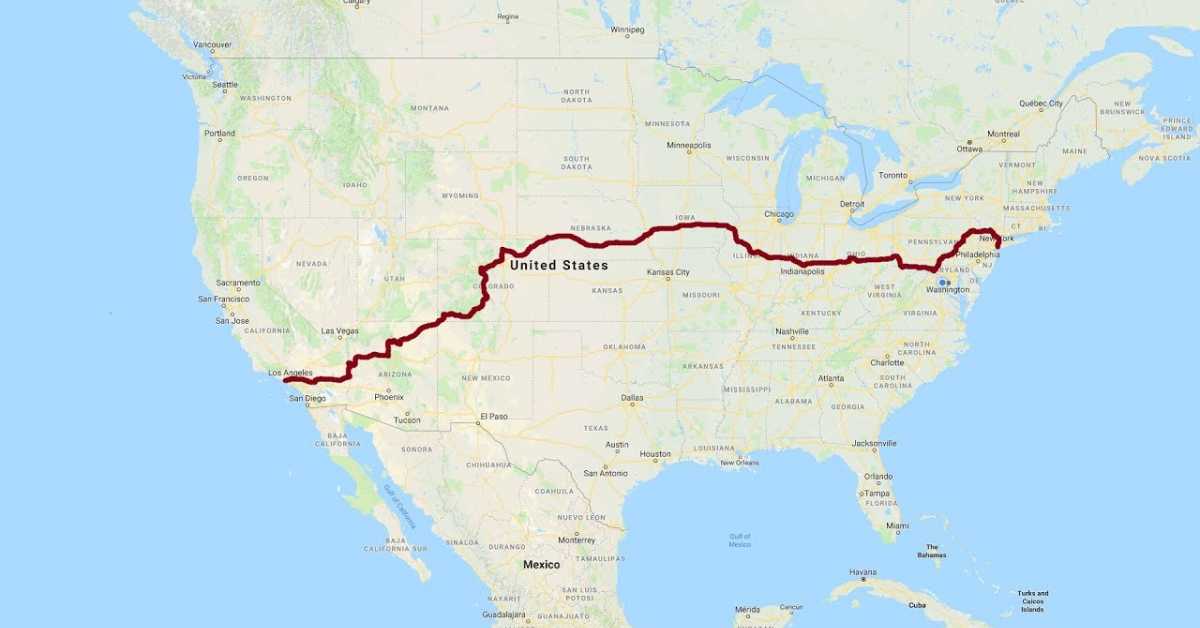
The question of “how many miles” isn’t a simple one, as the answer varies depending on your starting and ending points, as well as your chosen mode of transportation. From the urban canyons of New York City to the sprawling beaches of Los Angeles or the tech hubs of San Francisco, the distance is immense, symbolizing the vastness and diversity of a nation waiting to be explored. This article delves into the various facets of this transcontinental journey, providing insights into distances, travel modes, planning considerations, and the rich experiences that await, all while keeping the spirit of travel, accommodation, and lifestyle at its core.
The Geographic Span: Calculating the Distance
The continental United States is a land of immense proportions, and the journey from its easternmost major state, New York, to its westernmost, California, spans a significant portion of its breadth. Understanding this distance is crucial for any traveler contemplating such a grand adventure.
Straight-Line vs. Driving Distance: What’s the Difference?
When we talk about the distance between New York and California, it’s important to distinguish between the straight-line (as-the-crow-flies) distance and the actual driving distance. The straight-line distance, often referred to as aerial distance, is the shortest possible path between two points on a map, ignoring all geographical obstacles like mountains, rivers, and political boundaries. This is the distance typically relevant for air travel. For instance, the aerial distance between New York City and Los Angeles is approximately 2,445 miles (3,935 kilometers).
However, if you plan to travel by land, whether by car, bus, or train, you’ll be following roads and rail lines, which rarely take a direct path. This means the driving distance will always be greater than the straight-line distance, often considerably so. The winding routes, detours for points of interest, and the necessity to follow established infrastructure add hundreds of miles to the journey.
Key Distances: Major City Pairings
To provide a more concrete idea of the mileage, let’s consider some of the most common city pairings for cross-country travel between New York and California:
- New York City to Los Angeles: This is perhaps the most frequently considered route. The driving distance typically ranges from 2,790 to 2,900 miles (4,490 to 4,667 kilometers), depending on the specific route taken. This journey would generally take about 40-45 hours of pure driving time, not accounting for stops, rest, or sightseeing.
- New York City to San Francisco: Another popular option, particularly for those looking to explore Northern California. The driving distance is slightly longer, often between 2,850 to 3,000 miles (4,587 to 4,828 kilometers), requiring approximately 42-47 hours of driving.
- Albany (NY) to Sacramento (CA): If considering state capitals or other major cities, the distances remain similar. The approximate driving distance between Albany and Sacramento is around 2,900 miles (4,667 kilometers).
These figures provide a general framework. Your actual mileage will depend heavily on your chosen route and any detours you decide to make.
Factors Influencing Mileage: Choosing Your Path
Several factors can influence the precise mileage of your trip. The primary one is the specific route you choose. Major interstate highways like Interstate 80, which stretches from New York City to San Francisco, or Interstate 40, which loosely follows historic Route 66 from North Carolina to California, offer direct paths. However, many travelers prefer more scenic routes, even if they add extra miles, to experience landmarks like the Grand Canyon, Yellowstone National Park, or the Rocky Mountains. Each deviation, while enriching the experience, will naturally increase the total mileage.
Embarking on the Transcontinental Journey: Modes of Travel
The decision of how to travel from New York to California is as important as knowing the distance itself. Each mode of transportation offers a distinct experience, catering to different budgets, time constraints, and travel philosophies.
Flying: The Swiftest Connection
For those prioritizing speed, air travel is unequivocally the fastest option. A direct flight from a major New York airport like JFK (John F. Kennedy International Airport) or Newark Liberty International Airport to Los Angeles International Airport (LAX) or San Francisco International Airport typically takes around 5.5 to 6 hours. When considering check-in times, security, and potential delays, the total travel time from door to door might extend to 8-10 hours, but it’s still significantly quicker than any land-based journey.
- Considerations: While fast, flying has its own set of considerations. Costs can fluctuate wildly based on seasonality, booking in advance, and airline choice. Connecting flights might increase travel time but sometimes offer more affordable fares. For many, the efficiency of flying allows for more time exploring their destination, whether it’s the cultural attractions of New York City or the natural wonders of California. When arriving, travelers will need to factor in ground transportation from the airport to their chosen accommodation, be it a luxury suite or a cozy apartment.
Driving: The Quintessential American Road Trip
The classic American road trip from East to West is an experience woven into the fabric of the nation’s travel narrative. It’s not just about getting from point A to point B; it’s about the journey itself – the roadside diners, the kitschy attractions, the changing landscapes, and the freedom of the open road.
- Time Commitment: A continuous drive, with minimal stops for rest and fuel, would take approximately 40-47 hours of driving. However, to truly enjoy the experience and avoid burnout, most travelers spread this journey over 5 to 7 days, allowing for 8-10 hours of driving per day and plenty of time for sightseeing, meals, and overnight stays.
- Planning & Experience: Driving offers unparalleled flexibility. You can detour to national parks, visit charming small towns, or spend extra time at a landmark that captures your imagination. This mode of travel perfectly aligns with the website’s focus on “Travel,” “Experiences,” and “Landmarks.” It’s an opportunity to discover local culture and food along the way.
- Costs: While there’s no airfare, driving incurs costs for fuel (significant over nearly 3,000 miles), potential vehicle maintenance, and accommodation each night. Depending on your lifestyle choice – whether budget motels or upscale resorts – daily expenses can vary widely.
Train Travel: A Scenic and Relaxed Alternative
For those who prefer to sit back, relax, and watch the scenery unfold without the stresses of driving or flying, long-distance train travel offers a unique appeal. Amtrak, the national passenger rail corporation, operates several routes that connect the East and West Coasts.
- Popular Routes: The “Lake Shore Limited” (from New York City to Chicago) connects with the “California Zephyr” (from Chicago to Emeryville, near San Francisco) or the “Southwest Chief” (from Chicago to Los Angeles).
- Time Commitment: This is the slowest option, typically taking 3 to 4 days (approximately 70-80 hours) to complete the journey, including layovers.
- Experience: Train travel is a journey in itself, offering panoramic views, comfortable seating (or sleeper cars for a more luxurious experience), dining cars, and observation lounges. It’s a fantastic way to appreciate the diverse landscapes of the United States without the need to drive or navigate. This fits well with “Lifestyle” (luxury or relaxed travel) and “Experiences.”
Bus Travel: The Budget-Friendly Option
For the most economical cross-country journey, bus travel remains a viable choice. Companies like Greyhound offer extensive networks connecting virtually every major city.
- Time Commitment: Similar to train travel, bus journeys are long, often taking 3 to 4 days, with multiple stops and transfers.
- Considerations: While budget-friendly, comfort can be a concern for such extended periods. However, for backpackers, students, or those strictly adhering to a budget travel lifestyle, it’s an accessible way to traverse the country. It offers a unique perspective and the chance to meet diverse fellow travelers.
Crafting Your Cross-Country Adventure: Planning and Experiences
The true magic of traveling from New York to California lies in the journey itself, offering a myriad of possibilities for exploration and discovery. This is where the website’s core themes of “Destinations,” “Attractions,” “Landmarks,” and “Local Culture” truly come to life.
The Road Trip Itinerary: East Coast to West Coast

For those choosing the ultimate road trip, planning a detailed itinerary is paramount. While some opt for the fastest route, many prefer to weave in iconic American landmarks and scenic drives.
- Northern Routes (e.g., via Interstate 80): This route takes you through states like Pennsylvania, Ohio, Indiana, Illinois (home to Chicago), Iowa, Nebraska, Wyoming, Utah, and Nevada before reaching California. Highlights could include stopping in Chicago for its architecture and deep-dish pizza, exploring the vast plains, witnessing the majestic Rocky Mountains in Wyoming, or enjoying the vibrant nightlife of Las Vegas before heading to the Golden State.
- Central Routes (e.g., via Interstate 70 or Route 66): These routes often pass through Missouri (with the Gateway Arch National Park in St. Louis), Kansas, Colorado (near Denver), New Mexico, and Arizona. Travelers can explore remnants of historic Route 66, hike in Colorado’s mountains, or marvel at the Grand Canyon in Arizona.
- Southern Routes (e.g., via Interstate 10 or Interstate 40): Beginning further south, these routes often traverse Maryland, Virginia, Tennessee, Arkansas, Oklahoma, Texas, New Mexico, and Arizona. Key attractions could include the music cities of Nashville or Memphis, the vastness of Texas, and the desert landscapes of the Southwest, including Monument Valley or Zion National Park before arriving in Southern California.
Each route offers a unique tapestry of attractions, from bustling city centers and historic sites to serene national parks and quirky roadside stops.
Where to Stay: Accommodation Options Across America
Crossing the country requires careful planning of overnight stays. The United States offers an unparalleled range of accommodation options to suit every preference and budget, aligning perfectly with the “Hotels” and “Accommodation” themes.
- Hotels & Motels: Along major interstate highways, you’ll find an abundance of chain hotels and motels offering comfortable, consistent lodging. From budget-friendly options to mid-range suites, these provide reliable rest stops.
- Resorts: For those seeking a more luxurious travel lifestyle, resorts can be found near popular tourist destinations like Las Vegas, ski towns in Colorado, or coastal areas in California. These offer extensive amenities, from spas to fine dining.
- Boutique Hotels & Unique Stays: In cities and charming towns, boutique hotels offer a more personalized and often culturally immersive experience. For an adventurous twist, consider glamping sites near national parks or unique Airbnb rentals, from treehouses to cabins, which can enhance the travel experience.
- Campgrounds: For budget-conscious travelers or those who love the outdoors, national and state parks across the country offer numerous camping facilities, providing an immersive connection with nature and a very affordable accommodation solution.
Booking in advance, especially during peak seasons or for specific landmarks, is always recommended to ensure availability and secure the best rates. Comparison websites are invaluable tools for this planning.
Embracing Local Culture and Cuisine
A cross-country journey is a culinary expedition and a cultural immersion. Each region of the United States boasts its own distinct flavors and traditions, fitting squarely into the “Tourism” and “Local Culture” aspects of travel.
- Food: From New York’s bagels and pizza to Chicago’s deep-dish, Kansas City’s BBQ, Texas’s Tex-Mex, and California’s farm-to-table freshness, the food journey is as exciting as the scenic one. Don’t miss stopping at roadside diners for classic American comfort food.
- Activities & Festivals: Beyond major landmarks, look for local festivals, farmers’ markets, or community events along your route. These offer authentic glimpses into American life and provide memorable experiences. Whether it’s a small-town rodeo in the Midwest, a music festival in Tennessee, or a wine tasting in Napa Valley, engaging with local activities enriches the trip beyond measure.
Maximizing Your Journey: Tips for a Seamless Trip
A journey of nearly 3,000 miles requires meticulous planning to be enjoyable and stress-free. From financial considerations to practical advice, these tips ensure your transcontinental adventure is seamless and truly memorable.
Budgeting for Your Travel
Understanding the financial outlay is crucial for any long-distance trip, particularly when factoring in “Luxury Travel” versus “Budget Travel.”
- Fuel: If driving, this will be your largest variable cost. Research average fuel prices along your route and factor in potential fluctuations.
- Flights/Tickets: If flying or taking the train/bus, book well in advance for the best rates. Consider off-peak travel dates if flexibility allows.
- Accommodation: This can range from budget motels (around $70-$100/night) to mid-range hotels ($120-$200/night) to luxury resorts (upwards of $250+/night). Factor in 5-7 nights for a comfortable driving trip.
- Food: Budget for three meals a day. Eating at local diners or packing some of your own snacks can save money compared to high-end restaurants.
- Attractions: Research admission fees for national parks, museums, and other attractions. A National Parks Service pass can be economical if you plan to visit multiple parks.
- Miscellaneous: Don’t forget to budget for tolls, unexpected car repairs, souvenirs, and emergency funds.
Packing Essentials
Packing smart is key for a multi-day, multi-climate journey.
- Layered Clothing: You’ll experience diverse climates, from humid East Coast summers to arid deserts and potentially chilly mountain passes. Layers are essential.
- Comfortable Footwear: For sightseeing, hiking, and long periods on your feet.
- Navigation Tools: A reliable GPS (phone or dedicated device) is a must, but a physical map can be a lifesaver in areas with no cell service.
- Entertainment: Books, podcasts, audiobooks, and playlists are crucial for long stretches of road or train/bus travel.
- Emergency Kit: Jumper cables, a first-aid kit, extra water, non-perishable snacks, and blankets are good to have, especially for remote areas.
- Chargers & Power Banks: Keep all your devices powered.
Health and Safety Considerations
Safety should always be a priority, especially on long journeys.
- Driving Safety: Get adequate rest to avoid fatigue. Share driving duties if possible. Be aware of speed limits, especially when crossing state lines. Have your vehicle thoroughly checked before departure.
- Stay Hydrated: This is particularly important when traveling through desert regions.
- Inform Others: Let friends or family know your itinerary and check in regularly.
- Travel Insurance: For longer trips, especially those involving flights or expensive bookings, travel insurance can provide peace of mind.
Family, Solo, or Business Travel
The nature of your trip can greatly influence planning.
- Family Trips: Plan activities that cater to all ages. Frequent stops are necessary. Consider accommodations with amenities like pools or kitchens.
- Solo Travel: Enjoy the freedom, but always prioritize safety. Share your plans with someone. Consider joining guided tours at specific destinations.
- Business Stays: If your trip includes business, research hotels with business centers, reliable Wi-Fi, and easy access to your meeting locations. Even “business stays” can incorporate elements of local tourism and cuisine if time permits.
Beyond the Miles: The Transformative Experience
The numerical distance between New York and California is merely a statistic; the true measure of this journey lies in the experiences it offers. It’s an opportunity for profound personal discovery and an intimate connection with the vastness and spirit of the United States.
The Allure of the Open Road
There’s an undeniable romance to traversing an entire continent. The changing landscapes, from the dense forests of the East, through the rolling farmlands of the Midwest, across the towering peaks of the Rocky Mountains, and into the sprawling deserts and coastal beauty of the West, tell a story of geographical diversity. It’s a chance to witness the Atlantic Ocean on one side and the Pacific Ocean on the other. This journey fosters a sense of accomplishment, freedom, and a deeper understanding of the nation’s immense scale and varied cultures. Whether it’s a bucket-list item, a spiritual quest, or simply an adventurous vacation, the cross-country trip is truly transformative.

Iconic Destinations on Either End
Your journey begins or ends in two of the most iconic states in the world, each a destination unto itself.
- New York: Beyond New York City’s Times Square, Statue of Liberty, Central Park, and Broadway shows, the state offers the natural beauty of the Finger Lakes, the grandeur of Niagara Falls, and the historic charm of Hudson Valley.
- California: From the Golden Gate Bridge and vineyards of Napa Valley in the north, to the glamour of Hollywood, the beaches of San Diego, and the theme park excitement of Disneyland in the south, California is a mosaic of experiences. Don’t forget its unparalleled national parks like Yosemite National Park, Joshua Tree National Park, and Death Valley National Park. The scenic Pacific Coast Highway through Big Sur offers one of the most breathtaking drives globally.
In conclusion, the distance from New York to California is indeed significant, typically spanning between 2,500 and 3,000 miles, depending on your route and specific destinations. While a flight can whisk you across the country in a matter of hours, choosing to drive, train, or bus transforms this numerical distance into a rich tapestry of adventures. This journey is a testament to the incredible diversity of the United States, offering endless opportunities for sightseeing, cultural immersion, and creating memories that will last a lifetime. So, pack your bags, choose your adventure, and prepare to discover the wonders that lie between two iconic coasts.
LifeOutOfTheBox is a participant in the Amazon Services LLC Associates Program, an affiliate advertising program designed to provide a means for sites to earn advertising fees by advertising and linking to Amazon.com. Amazon, the Amazon logo, AmazonSupply, and the AmazonSupply logo are trademarks of Amazon.com, Inc. or its affiliates. As an Amazon Associate we earn affiliate commissions from qualifying purchases.