
For seasoned runners, aspiring athletes, and travel enthusiasts alike, the question, “How many miles is the Boston Marathon?” carries a profound weight beyond a simple numerical answer. It’s an inquiry into history, a challenge of endurance, and an invitation to experience one of the world’s most celebrated road races within a vibrant city bursting with culture, landmarks, and unparalleled tourism opportunities. The Boston Marathon is not merely a race; it’s a global phenomenon, drawing participants and spectators from every corner of the planet to the historic streets of Massachusetts each Patriots’ Day.
The precise answer to the question is 26.2 miles, or 42.195 kilometers. This standard marathon distance, a legacy from the 1908 London Olympic Games, has been firmly established as the ultimate test of long-distance running. While the distance itself is immutable, the journey through the diverse towns leading to the finish line in Boston offers a unique blend of athletic rigor and picturesque scenery. For those planning to visit, whether to run or to cheer, understanding the course and integrating it with broader travel and accommodation plans transforms a sporting event into an unforgettable lifestyle experience.
The Iconic Distance: More Than Just Miles
The Boston Marathon’s 26.2-mile distance is steeped in history, connecting every runner to a tradition that predates even the standardization of the marathon itself. It’s a distance that has become synonymous with human perseverance, a benchmark for athletes worldwide, and a centerpiece for community celebrations.
Unpacking the Marathon Standard: The 26.2-Mile Legacy
The origins of the marathon distance itself trace back to ancient Greece and the legend of Pheidippides, who supposedly ran from the Battle of Marathon to Athens to announce the Greek victory. The modern Olympic marathon, first run in 1896, was approximately 40 kilometers (about 24.8 miles). However, the now-standard 26 miles and 385 yards (42.195 kilometers) was cemented at the 1908 London Olympic Games. This specific length was chosen to allow the race to start at Windsor Castle and finish in front of the Royal Box at the Olympic Stadium.
The Boston Marathon, founded in 1897 and inspired by the first modern Olympics, initially used a course of about 24.5 miles. It adopted the now-universal 26.2-mile distance in 1924, ensuring its alignment with international standards and securing its place as a world-class event. This historical context enriches the experience for every participant and spectator, making the miles traversed not just physical measurements but steps through a living legacy. The race is organized by the Boston Athletic Association (BAA), which meticulously measures and certifies the course annually to meet strict international guidelines.

A Journey Through Historic Massachusetts Towns
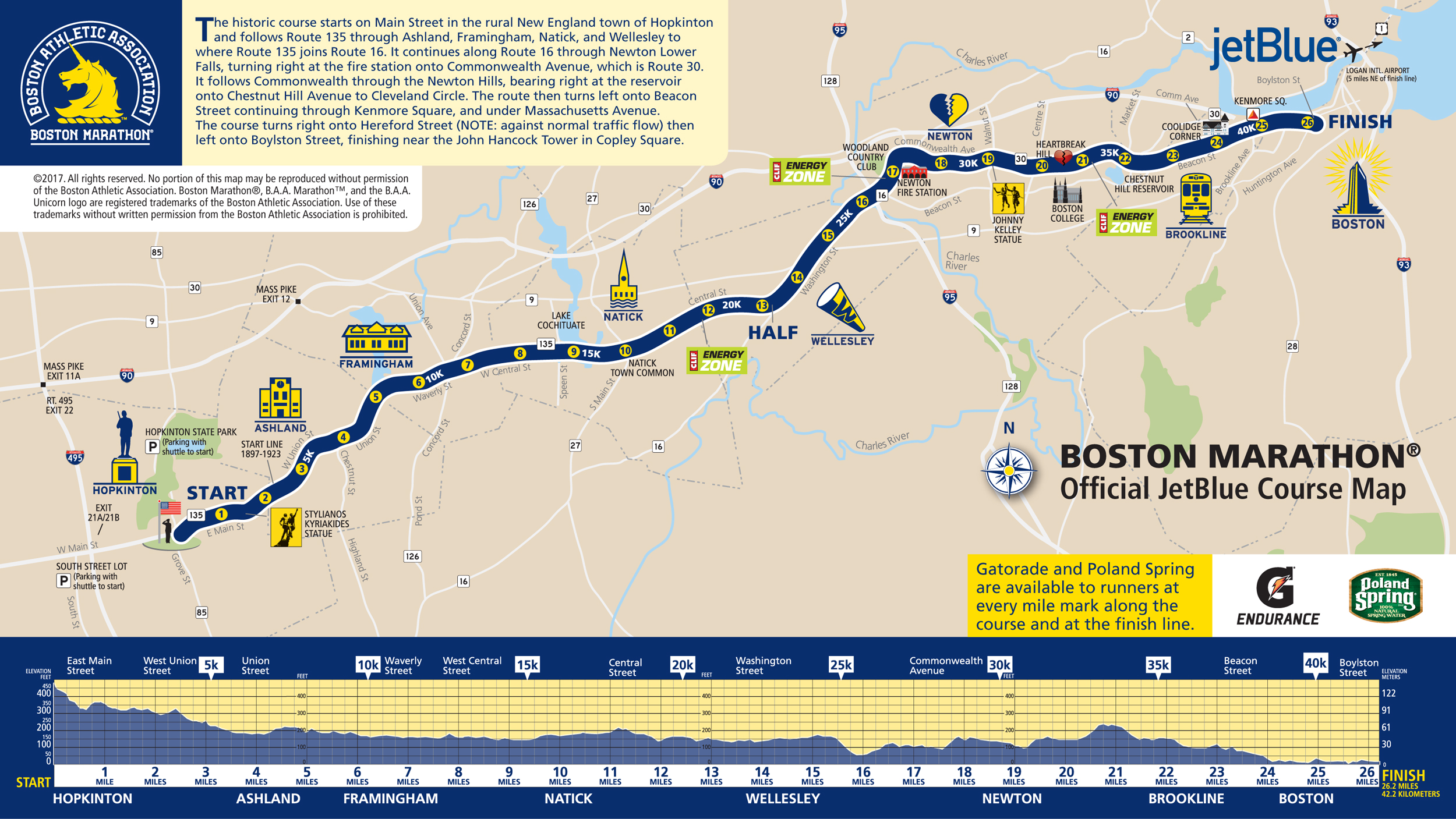
The marathon’s start in the quaint New England town of Hopkinton and its winding path through seven other distinct communities before reaching Boston is a defining feature. This isn’t just a race through a city; it’s a dynamic tour through the heart of Massachusetts, offering runners and spectators a glimpse into charming suburban lifestyle and historic American landscapes.
From the start line on Main Street in Hopkinton, runners embark on their journey, passing through the towns of Ashland, Framingham, Natick, Wellesley, Newton, and Brookline before entering the bustling streets of Boston. Each town adds its own unique flavor to the race, from quiet tree-lined streets to roaring crowd tunnels. This progression from rural charm to urban grandeur is part of what makes the Boston Marathon a premier destination event, attracting not only elite athletes but also a vast number of tourism-driven visitors. For visitors, exploring these towns before or after race day can offer a deeper appreciation of the region’s heritage and a more comprehensive travel experience.
Navigating the Course: Landmarks and Challenges
The Boston Marathon course is renowned not just for its distance, but for its challenging topography and iconic landmarks that punctuate the journey. These features are integral to the race’s narrative, defining critical points for runners and offering prime viewing locations for spectators.
From Hopkinton to the Heartbreak Hill Ascent
The race begins with a largely downhill stretch from Hopkinton through the initial towns. This early descent can be deceptively fast, luring runners into an unsustainable pace. As the miles tick by through Ashland and Framingham, the course flattens out, offering a brief reprieve before the famous challenges begin.
One of the most anticipated and celebrated sections is the Wellesley Scream Tunnel at around mile 13, where students from Wellesley College line the street, offering unparalleled encouragement and “kisses” to passing runners. This vibrant burst of energy is a testament to the community spirit surrounding the race and is a must-see for spectators. The energy here is infectious, a true highlight of the Boston Marathon experience.
However, the real test of endurance begins in Newton, particularly with the notorious “Newton Hills.” This series of four ascents, culminating in the legendary Heartbreak Hill between miles 20 and 21, is where many runners hit their physical and mental limits. Heartbreak Hill, despite its fearsome reputation, is not exceptionally steep or long compared to other inclines in road racing. Its challenge lies in its placement – coming after 20 miles of relentless running, it demands profound mental fortitude and physical reserves. Conquering Heartbreak Hill is often seen as a symbolic victory within the race itself, propelling runners toward the finish line with renewed determination. Spectators often gather here to witness the dramatic shifts in the race and offer much-needed cheers.
The Triumphant Finish on Boylston Street
After navigating the demanding Newton hills, the course offers a welcome downhill stretch as runners make their way through Brookline and finally into the city of Boston. The final miles are a blur of adrenaline and crowd noise, with runners passing iconic landmarks like Fenway Park, home of the Boston Red Sox.
The atmosphere intensifies dramatically as athletes turn right onto Hereford Street and then left onto Boylston Street. This final, glorious stretch is one of the most iconic finish lines in all of sports. The cheers of thousands of spectators lining Boylston Street create an overwhelming wave of sound, pushing weary runners to their triumphant conclusion. Crossing the finish line on Boylston Street is not just the end of a 26.2-mile race; it’s the culmination of months, if not years, of dedication, training, and a profound emotional journey. For visitors, securing a spot along Boylston Street or near the finish line is a quintessential Boston Marathon spectator experience, offering unparalleled excitement and emotional resonance.
Planning Your Marathon Experience: Travel, Accommodation, and Tourism
Whether you’re a runner or a spectator, experiencing the Boston Marathon requires careful planning, especially when it comes to travel and accommodation. The city of Boston transforms into a bustling hub of activity around Patriots’ Day, making early booking and strategic choices essential for a seamless trip.
Securing Your Stay: Hotels and Accommodation in Boston
Boston offers a diverse array of hotels and accommodation options to suit every preference and budget, but during marathon weekend, demand skyrockets. It is highly recommended to book your stay at least 6-12 months in advance, especially if you desire a specific location or type of hotel.
Luxury Hotels: For those seeking a premium experience, Boston boasts world-class luxury hotels that offer impeccable service, high-end amenities, and often prime locations near the race route or finish line. Options like the Four Seasons Hotel Boston, Mandarin Oriental, Boston, and The Langham, Boston provide opulent suites, gourmet dining, and spa services, perfect for pre-race relaxation or post-race recovery. These often fill up first due to their convenience and elevated lifestyle offerings.
Boutique and Mid-Range Hotels: Boston also has a charming selection of boutique hotels and reliable mid-range options. The Godfrey Hotel Boston, Kimpton Nine Zero Hotel, and The Lenox Hotel offer stylish stays with personalized service. These provide a comfortable balance of quality and cost, often with excellent proximity to public transportation, which is crucial on race day.
Budget-Friendly Options and Vacation Rentals: For budget travel or those seeking more space, particularly for family trips, consider accommodation slightly outside the immediate city center or exploring vacation rentals through platforms like Airbnb or Vrbo. Areas like Cambridge and Somerville, easily accessible via the MBTA (Boston’s public transit system), can offer more affordable rates and a different local experience. Remember to factor in travel time to race day events.
Key Accommodation Areas:
- Back Bay: Ideal for proximity to the finish line on Boylston Street, this area is vibrant and upscale, offering many dining and shopping options.
- Beacon Hill: Historic and picturesque, Beacon Hill offers charming boutique hotels and is close to Boston Common and the Freedom Trail.
- Downtown Boston: A central location with access to various MBTA lines, offering a mix of modern and historic hotels and easy access to many city attractions.
Beyond the Race: Exploring Boston’s Rich Culture and Landmarks
A visit for the Boston Marathon is incomplete without exploring the city’s rich history and vibrant culture. Boston is a treasure trove of American heritage, offering an abundance of landmarks and attractions perfect for extending your travel experience.
Historic Landmarks: Walk the Freedom Trail, a 2.5-mile red-lined path that leads to 16 historically significant sites, including the Massachusetts State House, Paul Revere House, and the USS Constitution. Explore Faneuil Hall Marketplace for its lively atmosphere, diverse food stalls, and unique shops, a perfect blend of history and modern lifestyle.
Museums and Arts: Immerse yourself in art and culture at the Museum of Fine Arts, home to an encyclopedic collection spanning centuries and continents. The Isabella Stewart Gardner Museum, a Venetian-style palace, offers a unique and intimate art experience. For science enthusiasts, the Museum of Science provides engaging exhibits.
Outdoor Spaces: Enjoy the urban oasis of Boston Common and the Public Garden, perfect for a leisurely stroll, swan boat rides, or simply relaxing amidst the cityscape. These parks offer a peaceful contrast to the marathon’s intensity and are easily accessible from most hotels in Downtown Boston or Back Bay.
Culinary Delights: Boston’s food scene is as diverse as its history. Indulge in fresh seafood, particularly clam chowder and lobster rolls, at restaurants along the waterfront or in the historic North End, Boston’s oldest residential community and vibrant Italian district. For a quintessential Boston experience, grab a Fenway Frank outside Fenway Park.
Incorporating these tourism activities into your marathon itinerary will elevate your trip from a mere race event to a rich, immersive Boston experience, a perfect example of blending lifestyle and travel.
The Lifestyle of a Marathoner and Spectator
The Boston Marathon is more than a race; it’s a testament to a specific lifestyle that embraces discipline, community, and the thrill of achievement. For participants, it’s the culmination of months of rigorous training; for spectators, it’s a celebration of human spirit and an engaging tourism opportunity.
Training and Preparation: A Runner’s Journey
Qualifying for and running the Boston Marathon is a significant lifestyle commitment. Runners dedicate countless hours to training, adhere to strict dietary regimens, and meticulously plan their travel and accommodation strategies. The journey begins long before the starter’s gun fires, often involving runs in all weather conditions, cross-training, and mental preparation to tackle the physical and psychological demands of 26.2 miles. Many runners consider a Boston qualification a pinnacle achievement in their running careers, symbolizing peak physical fitness and mental resilience. This dedication to health and endurance is a core aspect of the marathoner’s lifestyle.
Spectator Tips: Experiencing the Boston Marathon
For spectators, the Boston Marathon offers an electric atmosphere and a chance to be part of history. Strategic planning enhances the experience significantly:
- Choose Your Spot Wisely: The Wellesley Scream Tunnel, Newton hills, and Boylston Street are popular but can be crowded. Consider less dense areas in Framingham or Natick for a more intimate viewing, or areas closer to public transport hubs in Brookline for easier movement.
- Utilize Public Transportation: The MBTA (subway and commuter rail) is the best way to get around on race day. Roads are closed, and parking is virtually nonexistent. Plan your routes in advance and purchase tickets or a CharlieCard beforehand to avoid queues.
- Pack Essentials: Dress in layers, bring snacks, water, and comfortable shoes. A portable charger for your phone is also a good idea.
- Embrace the Atmosphere: Bring signs to cheer on specific runners or simply to encourage everyone. The spirit of camaraderie and encouragement is a hallmark of the Boston Marathon.
- Beyond the Race: Engage with the marathon expo at the Hynes Convention Center in the days leading up to the race. This event is a hub of activity, featuring vendors, seminars, and a chance to soak in the marathon lifestyle and community spirit.
The Boston Marathon is an invitation to engage with a city, its history, and a community of passionate individuals. From the first mile in Hopkinton to the last glorious stride on Boylston Street, the 26.2 miles are a journey through challenge, triumph, and the enduring human spirit. Planning your travel, accommodation, and tourism activities thoughtfully will ensure that your Boston Marathon experience is as memorable and enriching as the race itself, perfectly blending athletic pursuit with a comprehensive exploration of Boston’s unique lifestyle and charm.
LifeOutOfTheBox is a participant in the Amazon Services LLC Associates Program, an affiliate advertising program designed to provide a means for sites to earn advertising fees by advertising and linking to Amazon.com. Amazon, the Amazon logo, AmazonSupply, and the AmazonSupply logo are trademarks of Amazon.com, Inc. or its affiliates. As an Amazon Associate we earn affiliate commissions from qualifying purchases.