
Embarking on a journey from the vibrant streets of New York to the sun-drenched boulevards of Los Angeles is a classic American adventure, a transcontinental odyssey that captivates the imagination. The sheer distance between these two iconic metropolises is a fundamental aspect of planning such a trip, influencing everything from the mode of transportation to the time commitment and overall budget. Understanding the precise mileage is the first step in transforming this dream into a tangible itinerary, allowing for informed decisions about the most suitable travel methods and the potential experiences along the way.

The Great American Divide: Understanding the Mileage
The question “How many miles New York to Los Angeles?” may seem straightforward, but the answer can vary slightly depending on the specific starting and ending points within each sprawling city and the chosen route. However, for general planning purposes, the most commonly cited driving distance is approximately 2,800 miles. This figure represents a typical route that navigates through various states and landscapes, offering a diverse cross-section of the American heartland.
Direct Driving Distance: A Common Benchmark
When most people inquire about the distance, they are referring to the most direct driving route. This path typically involves traversing major interstate highways, designed for efficient long-haul travel. For instance, a common route might involve taking I-80 West for a significant portion of the journey, eventually connecting to other interstates that lead Southwest towards California.
- Interstate Highways: The backbone of long-distance road travel in the United States, these highways offer a consistent and well-maintained infrastructure. Major routes like I-80, I-70, and I-40 are often incorporated into cross-country itineraries, each offering a distinct set of scenic vistas and potential stopovers.
- Route Variations: While 2,800 miles is a good estimate, the exact mileage can fluctuate. Depending on traffic patterns, road construction, or personal preferences for scenic detours, travelers might find themselves covering a few dozen miles more or less. Some might opt for a more southerly route, incorporating cities like St. Louis or Oklahoma City, while others might favor a more northerly path, passing through states like Wyoming or Utah.
Air Travel: A Different Perspective on Distance
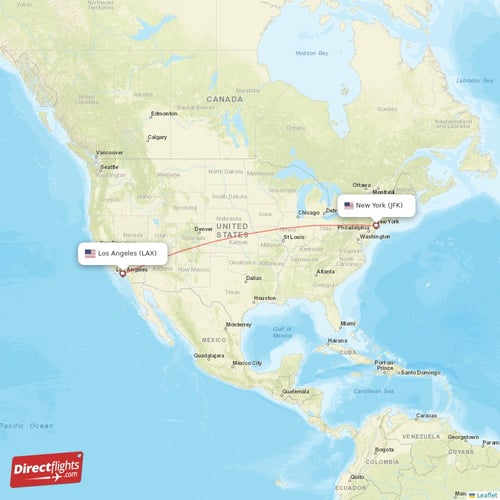
For those prioritizing speed, the mileage becomes less relevant than flight time. However, the aerial distance, or great-circle distance, between New York City and Los Angeles International Airport (LAX) is significantly shorter, typically around 2,450 miles. This difference highlights the inefficiencies of ground travel compared to the direct path an aircraft can take.
- Direct Flights: The vast majority of travelers between these two cities opt for air travel. Direct flights from major New York airports such as JFK or LaGuardia to LAX typically take between five and six hours, not including airport time.
- Impact on Planning: While the physical mileage is less on a flight, the “travel distance” still encompasses the entire process: getting to the airport, check-in, security, boarding, flight, deplaning, and collecting baggage. This comprehensive travel time can easily extend to eight hours or more, making it a full day’s commitment.
Implications of Distance for Travel Planning
The substantial mileage between New York and Los Angeles has profound implications for how one chooses to undertake this journey. Each mode of transport presents a unique set of considerations regarding time, cost, and the overall travel experience.
Road Trip: An Epic Undertaking
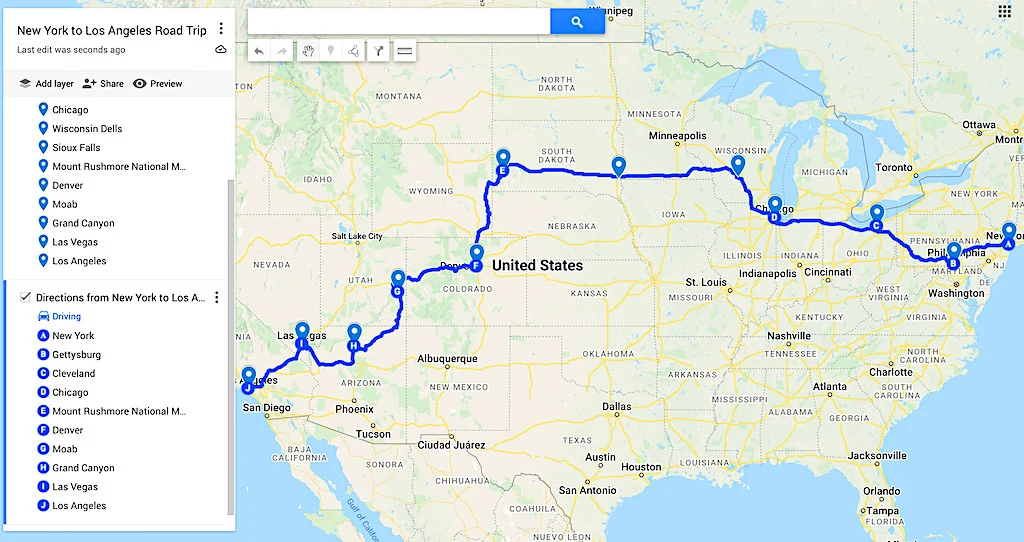
Driving across the country is not merely about covering distance; it’s an immersive experience that allows for a deep appreciation of the American landscape and culture. The 2,800-mile trek necessitates careful planning and a significant time commitment.
- Time Allocation: A typical road trip without extensive sightseeing might take anywhere from four to seven days of dedicated driving, assuming 8-10 hours behind the wheel each day. However, to truly experience the journey, travelers often allocate two weeks or more, allowing for stops in various cities and national parks.
- Cost Considerations: The cost of a road trip is multifaceted. It includes fuel, which can be substantial given the mileage. Accommodation, whether in motels, hotels, or campgrounds, adds another significant expense. Food costs can also add up, especially for multiple meals per day on the road. Vehicle maintenance and potential unexpected repairs should also be factored into the budget.
- Scenic Routes and Attractions: The beauty of a road trip lies in the ability to deviate from the most direct path and explore. Potential stops could include Chicago for its architecture, the vast plains of Nebraska, the majestic Rocky Mountains in Colorado, the unique landscapes of Arches National Park in Utah, or the vibrant culture of Santa Fe, New Mexico. The opportunities for discovery are virtually endless.
Air Travel: Efficiency and Speed
For those constrained by time or simply preferring a swift transition between coasts, flying is the undisputed champion. The approximately 2,450-mile aerial distance translates into a manageable flight duration.
- Booking and Scheduling: Numerous airlines operate daily flights between New York and Los Angeles, offering a wide range of departure times and price points. Booking in advance is generally recommended, especially during peak travel seasons, to secure the best fares.
- Airport Logistics: While the flight itself is efficient, travelers must account for the time spent at the airport. This includes travel to and from the airport terminals, check-in procedures, security screening, and potential delays. For New York, airports like JFK, LaGuardia, and Newark Liberty International Airport serve the region, while LAX is the primary gateway to Southern California.
- Cost Comparison: Airfare can vary significantly based on the airline, time of booking, and season. While sometimes more expensive than a budget road trip, especially for solo travelers, flights can be more cost-effective than driving when considering all the associated expenses of a road trip, such as fuel, lodging, and meals over several days.
Other Modes of Transportation: The Less Common Routes
While driving and flying are the most prevalent methods, other transportation options exist for covering the significant mileage between New York and Los Angeles. These are typically chosen for reasons of experience rather than efficiency.
- Train Travel: Amtrak offers cross-country train routes, such as the “Lake Shore Limited” connecting to the “Southwest Chief.” This journey is a romantic and scenic option, allowing passengers to watch the landscape change from their window. However, it is a time-intensive undertaking, often taking three days or more, and can be surprisingly expensive, sometimes exceeding the cost of airfare. The mileage covered by train is also generally longer than the most direct driving routes due to track layouts and required stops.
- Bus Travel: For the budget-conscious traveler, bus services like Greyhound provide a more economical, albeit slower, option. The journey by bus can take upwards of 60-70 hours, involving multiple transfers and stops. While the total mileage might be similar to driving, the pace is considerably slower, and comfort levels can be a concern for such a long duration.
Navigating the Journey: Tips for a Smooth Transition
Regardless of the chosen mode of transport, the substantial distance between New York and Los Angeles requires thoughtful preparation to ensure a seamless and enjoyable experience.
For the Road Tripper: Maximizing the Experience
- Vehicle Preparation: Before setting off on a 2,800-mile journey, ensure your vehicle is in top condition. A thorough inspection of tires, brakes, fluids, and engine is paramount. Consider investing in roadside assistance for peace of mind.
- Route Planning: Utilize GPS and mapping applications, but also consider traditional maps as a backup. Research potential points of interest, lodging, and gas stations along your chosen route. Flexibility is key; allow for spontaneous detours to discover hidden gems.
- Packing Essentials: Pack for varied climates and conditions. Comfortable clothing, a first-aid kit, snacks, water, a car charger for devices, and entertainment (audiobooks, podcasts, music) are indispensable.
- Pacing and Rest: Avoid driving for excessively long periods without breaks. Plan for overnight stays in safe and comfortable accommodations. Rest is crucial for maintaining focus and enjoying the journey.
For the Air Traveler: Streamlining the Process
- Carry-On Strategy: Minimize time spent at baggage claim by packing efficiently in a carry-on bag, adhering to airline size and weight restrictions.
- Airport Navigation: Familiarize yourself with the chosen airports and their amenities. Arrive with ample time to navigate security and reach your gate without undue stress. Consider TSA PreCheck or Global Entry for expedited security screening.
- In-Flight Comfort: Bring a neck pillow, eye mask, and earplugs to enhance comfort during the flight. Download entertainment options beforehand as in-flight Wi-Fi can be expensive or unreliable.
Understanding Time Zones: A Crucial Detail
A significant aspect of traveling between New York and Los Angeles is the shift in time zones. New York operates on Eastern Standard Time (EST) or Eastern Daylight Time (EDT), while Los Angeles observes Pacific Standard Time (PST) or Pacific Daylight Time (PDT). There is a three-hour difference, with Los Angeles being three hours behind New York.
- Impact on Arrival: When flying from New York to Los Angeles, a flight that departs at 9 AM EST will arrive in Los Angeles at approximately 12 PM PST, even though the flight duration is only five to six hours. This time difference can be disorienting but also offers the advantage of arriving in Los Angeles with a significant portion of the day still ahead.
- Road Trip Adjustments: For drivers, being mindful of time zone changes is important for scheduling stops, meals, and overnight stays. It can also impact arrival times and the perception of distance covered.
Ultimately, the mileage from New York to Los Angeles – approximately 2,800 miles by road and about 2,450 miles by air – serves as a gateway to a continent. It frames the choice of adventure, dictating the pace, the experiences, and the indelible memories forged on this quintessential American journey.
LifeOutOfTheBox is a participant in the Amazon Services LLC Associates Program, an affiliate advertising program designed to provide a means for sites to earn advertising fees by advertising and linking to Amazon.com. Amazon, the Amazon logo, AmazonSupply, and the AmazonSupply logo are trademarks of Amazon.com, Inc. or its affiliates. As an Amazon Associate we earn affiliate commissions from qualifying purchases.