
Planning a journey to the “Magic City” involves more than just checking the weather or packing your sunscreen. Whether you are driving down the coast or flying in from a major hub, understanding the logistics of your trek is the first step toward a seamless vacation. The distance you travel to reach Miami dictates not only your transportation budget but also the rhythm of your arrival and your initial experience of the Florida lifestyle.
The Geography of Arrival: Calculating Your Distance
The number of miles to reach Miami varies wildly depending on your origin point. If you are starting your journey from the United States capital, Washington D.C., you are looking at a drive of roughly 1,050 miles. This route typically takes you down Interstate 95, a classic American artery that pulses with the traffic of the eastern seaboard.
For those traveling from the New York City metropolitan area, the trek spans approximately 1,280 miles. This journey is often treated as a multi-day road trip, allowing travelers to stop in coastal cities like Charleston or Savannah along the way. Conversely, travelers arriving from the Midwest, specifically Chicago, face a longer transit of nearly 1,400 miles, requiring a strategic approach to transit timing to avoid congestion in major hubs.
Understanding Flight Distances vs. Road Miles
It is essential to distinguish between the “crow-flies” distance and the actual pavement distance. Flight distances are generally shorter because they ignore the winding nature of highways and geographical obstacles. For instance, flying from Los Angeles covers roughly 2,340 miles in the air, but the cross-country drive spans over 2,700 miles. When planning, always account for the extra hours spent navigating suburban exits or coastal detours, as these add significant time to your total travel clock.
The Road Trip Experience: Navigating the Southeast
Choosing to drive to Miami is an exercise in appreciating the changing landscapes of the American South. As you move south through Georgia and enter Florida, the terrain shifts from rolling hills and pine forests to the unique, flat marshlands of the Everglades.
Tips for Long-Distance Driving
To ensure your arrival is energized rather than exhausted, consider these strategic tips:
- Segment Your Stops: Divide your trip into 6-8 hour driving blocks. Staying overnight in cities like Jacksonville or Orlando allows you to break up the monotony of the highway.
- Manage Tolls: The state of Florida utilizes an extensive toll system. Ensure your rental car has an electronic transponder to save time at toll plazas on the Florida Turnpike.
- Peak Traffic Awareness: Entering Miami during rush hour can add significant mileage to your mental fatigue. Try to time your arrival for mid-morning or mid-evening.
The Scenic Alternative: US Route 1
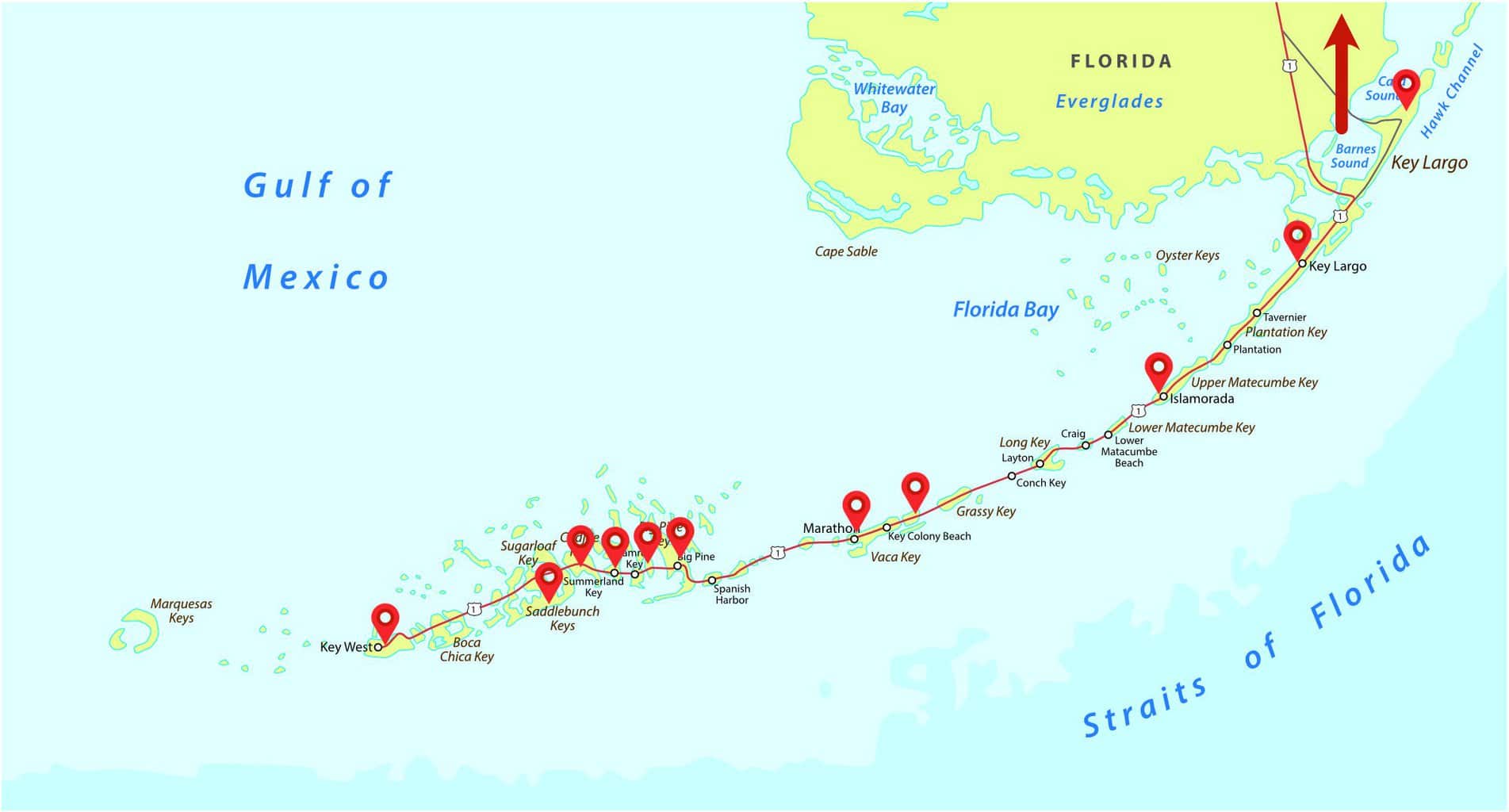
For those who are not in a rush, US Route 1 offers a more intimate look at the coastal culture. While it adds mileage compared to the high-speed interstates, it provides access to beachside towns and local eateries that you would otherwise miss. This route is favored by travelers who view the journey itself as part of the vacation experience, rather than just a hurdle to overcome before reaching the destination.
Air Travel Logistics: Reaching the Gateway
If your journey originates from international destinations like London or São Paulo, your “miles to Miami” are measured in flight hours and time zones. Miami International Airport serves as a major gateway for the Americas, making it one of the most accessible international hubs.
Choosing the Right Arrival Point
While Miami International Airport is the most central, budget travelers often look at Fort Lauderdale-Hollywood International Airport. Located just 30 miles north, this airport often offers more competitive rates. The drive between the two cities is straightforward, and the cost savings on airfare can often cover the ground transportation fees required to get you into the heart of South Beach.
Managing Jet Lag and Transit
Once you calculate the thousands of miles behind you, the final stretch involves acclimation. If you are flying in from abroad, arriving at the airport is only the beginning. Factor in at least two hours for international customs and ground transit. Booking a private car or utilizing a ride-share service can mitigate the stress of navigating a new city after a long flight, allowing you to begin your trip to Key Biscayne or Brickell with ease.

Planning Your Arrival Strategy
Regardless of whether your journey is measured in hundreds of miles or thousands of flight kilometers, the success of your arrival in Miami hinges on preparation.
- Vehicle Prep: If driving, ensure your tires and cooling systems are optimized for the Florida heat.
- Navigation Tools: Real-time traffic apps are essential when nearing major urban centers like Fort Lauderdale. They can alert you to accidents or construction that might necessitate a route change.
- The “Last Mile” Plan: Knowing exactly where your hotel is located relative to the major highways is critical. If you are staying in Downtown Miami, your approach will differ significantly from a traveler headed to Coconut Grove.
As you close the distance, remember that the miles you travel are a bridge between your routine life and the vibrant, sun-soaked atmosphere of the tropics. By understanding the geography, anticipating the road conditions, and choosing the right transit hub, you ensure that the journey is just as memorable as the destination itself. Whether you arrive by a long-haul flight or a cross-country drive, Miami welcomes you with open arms and endless opportunities for exploration.
LifeOutOfTheBox is a participant in the Amazon Services LLC Associates Program, an affiliate advertising program designed to provide a means for sites to earn advertising fees by advertising and linking to Amazon.com. Amazon, the Amazon logo, AmazonSupply, and the AmazonSupply logo are trademarks of Amazon.com, Inc. or its affiliates. As an Amazon Associate we earn affiliate commissions from qualifying purchases.