
The golden state of California beckons with its sun-drenched beaches, majestic mountains, and vibrant cities. But beyond the iconic Hollywood sign and the allure of Disneyland, lies a rich tapestry of history, woven with the threads of Spanish colonization and Catholic evangelism. Central to this historical narrative are the California Missions, a chain of religious outposts that played a pivotal role in shaping the state’s cultural and architectural identity. For those embarking on a journey through California, understanding the number and significance of these missions is key to unlocking a deeper appreciation of its heritage. So, to directly answer the question that piques the curiosity of many travelers: How many missions are there in California? The answer is precisely twenty-one.

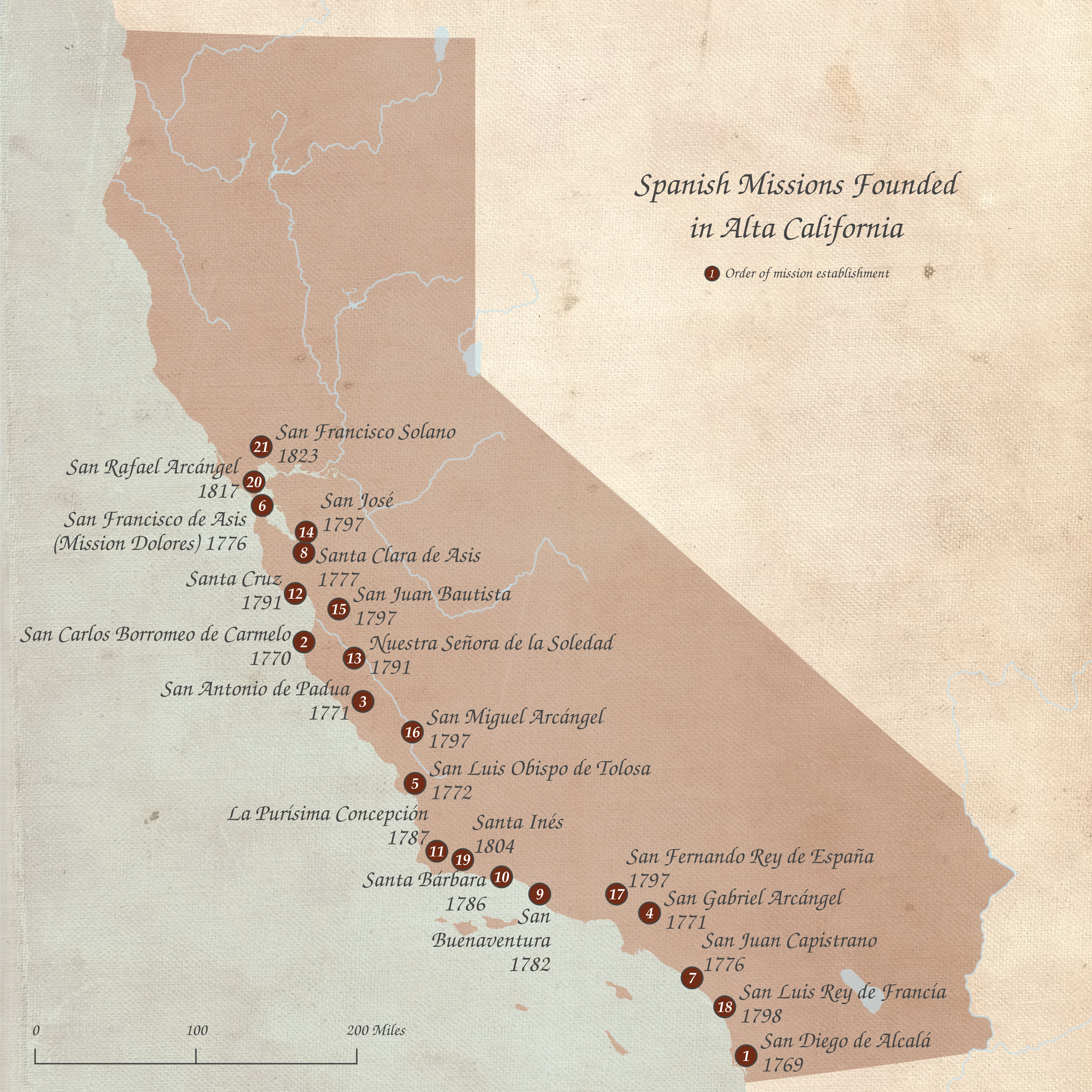
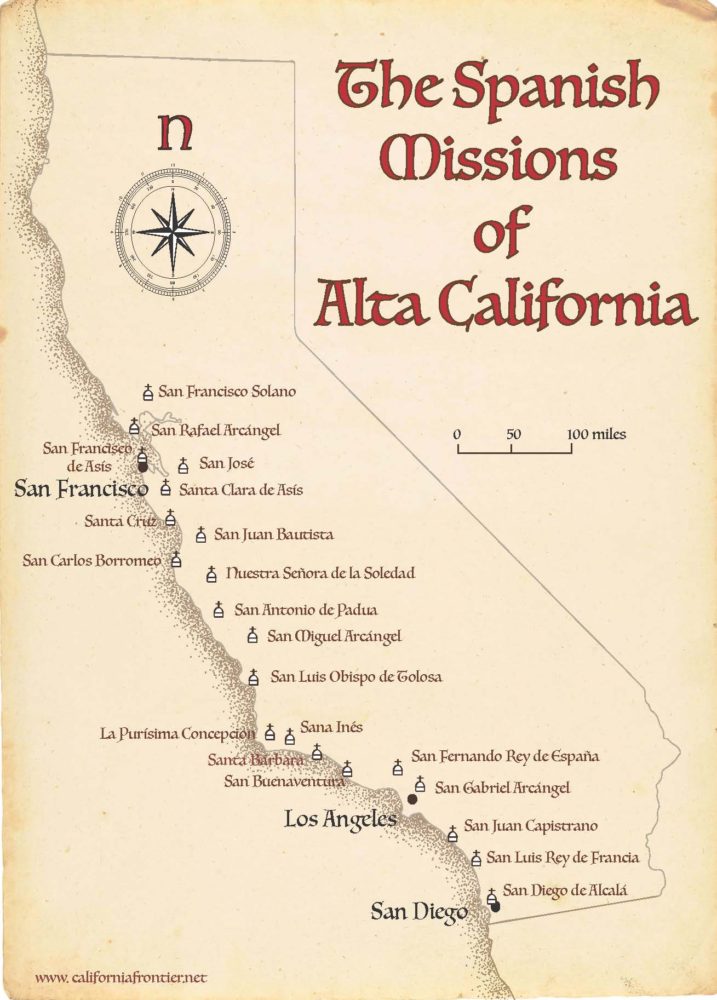
These twenty-one California Missions form a historical corridor that stretches from the southern tip of the state to its northernmost reaches. Established between 1769 and 1833, they represent a significant chapter in American history, offering a tangible link to the era of Spanish exploration and settlement. Each mission, though sharing a common purpose, boasts its own unique architectural style, historical anecdotes, and surrounding landscape, making a tour of these sites a captivating and educational travel experience.
Exploring the Chain of California Missions
The California Missions were founded by Spanish Franciscan friars, most notably Saint Junípero Serra, with the primary aim of spreading Christianity to the indigenous populations of Alta California. Beyond their religious purpose, these missions also served as centers of agriculture, industry, and education, becoming self-sufficient communities that profoundly impacted the development of the region. They were the vanguard of Spanish influence, laying the groundwork for future settlements and establishing many of the cities we know today.
The Northernmost and Southernmost Outposts
The chain begins with Mission San Diego de Alcalá, established in 1769, making it the oldest of the twenty-one missions. Located in modern-day San Diego, it stands as a testament to the initial foothold of Spanish presence in California. This mission, with its iconic bell tower and whitewashed walls, offers a glimpse into the early days of colonization and the challenges faced by the friars and the indigenous peoples.
At the opposite end of the spectrum lies Mission San Francisco Solano, founded in 1823 in Sonoma. This mission is the northernmost and the last of the chain to be established. Its presence marks the extent of the Spanish mission system’s reach. Visiting Mission San Francisco Solano provides insight into the later stages of the mission era and its eventual secularization.
A Journey Through Time and Landscape
Traversing the length of California to visit all twenty-one missions is an ambitious but incredibly rewarding undertaking. The missions are strategically located along the historic El Camino Real, a 700-mile route that connected them all. Today, remnants of this route are marked by a distinctive crown-shaped plaque. Traveling this path allows visitors to experience the diverse geography of California, from the coastal plains to the inland valleys, each mission offering a unique perspective on the state’s natural beauty.
The missions themselves are architectural marvels, each reflecting the available building materials and the aesthetic sensibilities of the time. Many feature sturdy adobe walls, red tile roofs, and serene courtyards, often surrounding beautiful gardens. The interiors typically house chapels adorned with religious art, artifacts, and historical displays that chronicle the lives of the friars, soldiers, and indigenous people who inhabited these settlements.
The Significance of the California Missions Today
The twenty-one California Missions are more than just historical sites; they are living monuments that continue to influence the state’s identity, culture, and even its urban planning. They represent a crucial period in California’s past, a complex era of cultural exchange, conflict, and transformation.
Preserving a Rich Heritage
Today, the California Missions are maintained by various organizations, including the California Missions Foundation and individual religious orders. Many are active parishes, continuing their role as places of worship, while others are dedicated museums and historical parks. Efforts are constantly underway to preserve their structures, restore original artifacts, and educate the public about their history.
Visiting these missions offers a profound connection to the past. You can walk the same grounds as Saint Junípero Serra, admire the artistry of the friars, and contemplate the lives of the indigenous communities who were integral to the missions’ existence. The distinct architecture, from the grander structures of Mission Santa Barbara to the more rustic charm of Mission San Antonio de Padua, provides a visual timeline of the mission period.
A Cultural and Educational Hub
The missions serve as vital educational resources, drawing thousands of students and history enthusiasts each year. They offer a hands-on learning experience, bringing history to life in a way that textbooks cannot. School children often participate in field trips, dressing in period costumes, learning about traditional crafts, and understanding the agricultural practices that sustained these early settlements.
Beyond their historical and educational value, the missions are also significant landmarks and attractions for tourists. They are frequently featured in California travel guides, offering unique experiences that blend history, architecture, and local culture. Many missions are situated in or near charming towns that offer their own attractions, from culinary delights to boutique shopping, making them ideal stops on a road trip or a dedicated exploration of California’s historical treasures.
The Architectural Legacy
The architectural style of the California Missions is distinctive and widely recognizable. Characterized by thick adobe walls, arched colonnades, bell towers, and courtyards, it has influenced modern Californian design. This style, often referred to as Mission Revival, can be seen in government buildings, churches, and even residential homes throughout the state.
Each mission has its own architectural nuances. For instance, the robust construction of Mission San Luis Rey de Francia and the intricate façade of Mission Carmel showcase the variations in design and execution. Walking through the grounds of a mission like Mission San Juan Capistrano, famous for its swallows, offers a sensory experience of the past, with the sounds of bells, the scent of aged wood, and the visual grandeur of centuries-old structures.
The missions also often feature beautiful gardens, reflecting the friars’ efforts to cultivate sustenance and beauty. These gardens, with their native plants and tranquil atmosphere, provide a peaceful retreat and a glimpse into the self-sufficiency of these communities.
Planning Your California Mission Journey
Embarking on a journey to explore the twenty-one California Missions requires some planning. Whether you’re interested in a leisurely pace or a whirlwind tour, understanding the locations and accessibility of each mission will enhance your experience.
The El Camino Real Route
The historic El Camino Real provides a natural framework for planning a mission tour. While the original route has evolved over time, many sections are still navigable and marked. You can choose to follow this ancient path, visiting missions in sequence, or select a region of California to focus on.
For example, a Southern California mission tour might include Mission San Diego de Alcalá, Mission San Juan Capistrano, Mission San Gabriel Arcángel, and Mission San Fernando Rey de España. Moving north, you could explore Mission Santa Barbara, Mission San Luis Obispo de Tolosa, and Mission San Miguel Arcángel. Further north, Mission Carmel, Mission San Francisco de Asís (Mission Dolores), and Mission San Francisco Solano await.
Accommodation and Experiences
When planning your visit, consider your accommodation needs. Many towns surrounding the missions offer a range of options, from charming bed and breakfasts to luxury resorts and convenient hotels. Staying near a mission allows for more in-depth exploration, including attending services or participating in special events.
For those seeking an immersive experience, consider local tourism offerings. Many mission towns are rich in culture and history, offering opportunities to explore local cuisine, art galleries, and other historical sites. For example, a visit to San Luis Obispo might be combined with exploring its vibrant downtown and nearby wineries, while a trip to Monterey could include a visit to the famous aquarium and the historic Cannery Row.
Tips for Visiting
- Check Operating Hours: Mission hours can vary, so it’s always best to check their official websites before your visit.
- Wear Comfortable Shoes: You’ll be doing a lot of walking, both inside and around the mission grounds.
- Bring Water and Sun Protection: California weather can be warm, especially during the summer months.
- Consider Guided Tours: Many missions offer guided tours that provide valuable historical context and interesting anecdotes.
- Respect Sacred Spaces: Remember that many missions are still active places of worship, so be mindful of services and respectful in your demeanor.
- Photography: Photography is usually permitted, but check for any restrictions, especially inside chapels.
By dedicating time to explore these twenty-one historical gems, you gain a profound understanding of California’s foundational narrative. Each mission tells a story, contributing to the rich and complex heritage that makes the Golden State so unique and captivating for travelers seeking history, culture, and adventure.
LifeOutOfTheBox is a participant in the Amazon Services LLC Associates Program, an affiliate advertising program designed to provide a means for sites to earn advertising fees by advertising and linking to Amazon.com. Amazon, the Amazon logo, AmazonSupply, and the AmazonSupply logo are trademarks of Amazon.com, Inc. or its affiliates. As an Amazon Associate we earn affiliate commissions from qualifying purchases.