
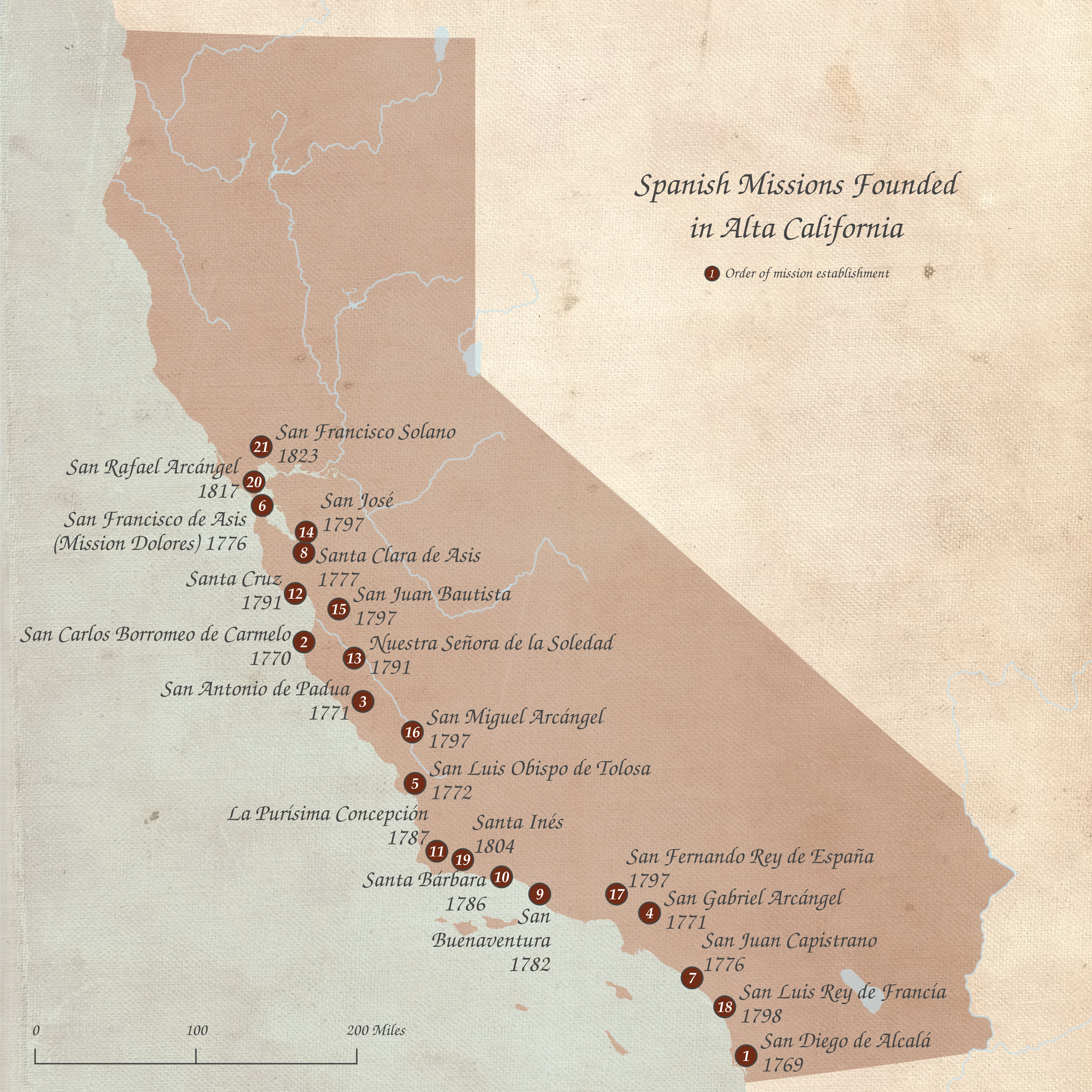
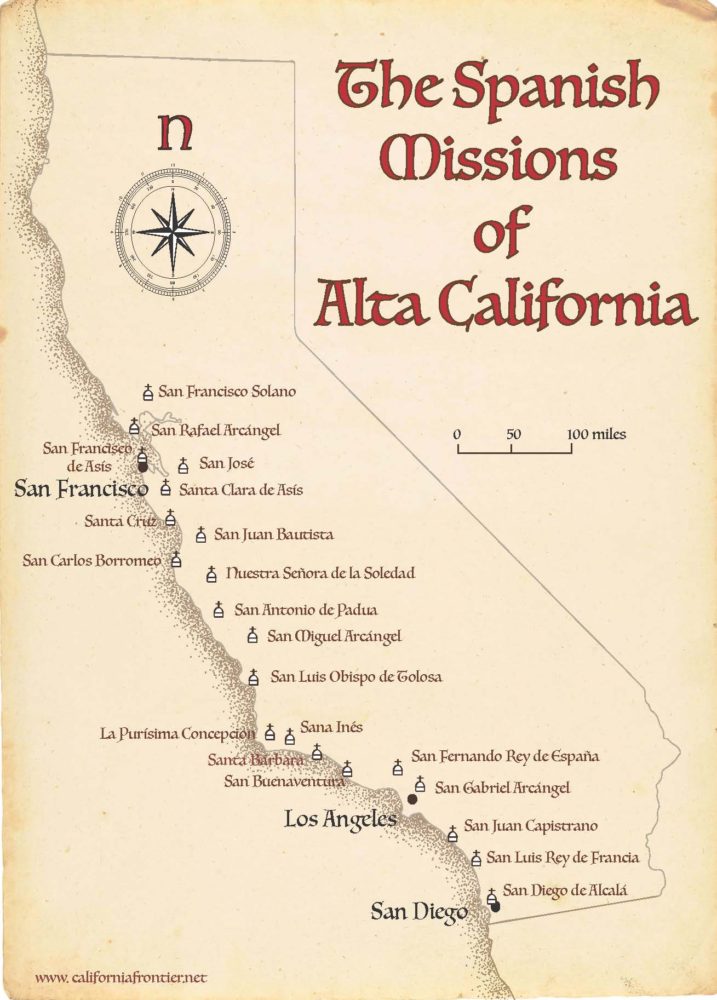
For anyone drawn to the rich tapestry of California’s past, a fundamental question often emerges when considering its iconic historical sites: “How many missions are there in California?” The answer, steeped in centuries of history, culture, and architectural marvel, is a resounding twenty-one. These twenty-one historic missions form a remarkable chain, stretching nearly 650 miles along the Pacific coast from San Diego in the south to Sonoma in the north. More than mere historical structures, they represent the foundational chapters of modern California, offering a unique blend of spiritual heritage, cultural crossroads, and stunning architectural beauty that continues to captivate visitors from around the globe.
Embarking on a journey to explore these missions is to step back in time, tracing the footsteps of early settlers, missionaries, and indigenous communities. Each mission, with its distinct character and story, contributes to a larger narrative of exploration, development, and transformation that shaped the Golden State. For travelers, history buffs, and those seeking serene spiritual retreats alike, the California Missions offer an unparalleled opportunity for discovery, making them quintessential landmarks on any California itinerary.

The Historic Chain of California Missions: A Legacy of Faith and Foundation
The story of the California Missions begins in the late 18th century, a period when Spain sought to expand its colonial reach and solidify its claim over Alta California. The mission system was conceived as a strategic tool to achieve these goals: to evangelize the indigenous populations, establish permanent Spanish settlements, and provide a buffer against potential encroachment by other European powers, particularly Russia and Great Britain.
The vision for this ambitious undertaking was spearheaded primarily by Father Junípero Serra, a Franciscan friar whose unwavering dedication led to the establishment of the first nine missions. Following his death, his successors continued the monumental task, ultimately completing the chain of twenty-one missions. These missions were strategically placed approximately a day’s journey on horseback from one another, forming “El Camino Real” (The Royal Road), a historic pathway that still largely corresponds to modern-day Highway 101 and Interstate 5 in certain stretches. This interconnectedness not only facilitated travel and communication but also fostered a sense of community and shared purpose among the various outposts.
A Legacy Etched in Stone: The Vision Behind the Missions
The primary purpose of the missions, from the Spanish perspective, was the conversion of the native Californian populations to Christianity and their assimilation into Spanish colonial society. Beyond religious instruction, the missions functioned as self-sufficient agricultural communities, centers of trade, and outposts of Spanish culture. Indigenous people were taught European farming techniques, crafts, and trades, contributing labor that built the iconic adobe structures, cultivated vast fields, and raised livestock.
Each mission was typically designed with a church as its focal point, surrounded by courtyards, workshops, living quarters for the friars and indigenous converts, and extensive agricultural lands. The architecture, often characterized by thick adobe walls, red tile roofs, and bell towers, reflected a blend of Spanish colonial styles with local adaptations, making each mission distinct yet unified in aesthetic. These structures, many of which still stand today, are testaments to the ingenuity and labor of their builders, offering a tangible connection to California’s complex past.
The mission era, spanning from 1769 to 1834, was a period of profound change for California’s indigenous peoples. While the missions introduced new technologies, agricultural practices, and religious beliefs, they also brought immense hardship, including disease, forced labor, and the suppression of native cultures. Understanding this dual legacy is crucial for appreciating the full historical context of these important landmarks and fostering a more complete narrative of California’s origins.
The Founding Fathers: Father Junípero Serra and Beyond
The indelible mark left by Father Junípero Serra on the California landscape is undeniable. Born in Mallorca, Spain, he arrived in the Americas with a fervent zeal to spread Christianity. His tireless efforts led to the founding of the first mission, Mission San Diego de Alcalá, in 1769. Despite physical ailments and immense logistical challenges, he personally oversaw the establishment of eight more missions before his death in 1784, including Mission San Carlos Borromeo de Carmelo (his headquarters), Mission San Antonio de Padua, and Mission San Juan Capistrano.
Following Serra’s pioneering work, other Franciscan friars, such as Father Fermín de Lasuén and Father Mariano Payeras, continued the expansion. Lasuén, in particular, was responsible for establishing nine more missions, effectively completing the central chain. The final mission, Mission San Francisco Solano in Sonoma, was founded in 1823, just before the end of the Spanish colonial period and the beginning of Mexican rule in California. The collective efforts of these individuals laid the physical and cultural groundwork for much of what California is today, creating an enduring legacy that continues to draw interest from scholars and travelers alike.
Embarking on the Mission Trail: A Traveler’s Guide
Exploring the twenty-one California Missions is more than just a sightseeing trip; it’s an immersive historical journey, a cultural pilgrimage, and a fascinating exploration of the state’s diverse geography. From the bustling urban centers to serene coastal vistas and agricultural valleys, the missions are scattered across a landscape that offers endless possibilities for travel and discovery. For those planning to embark on this unique adventure, understanding how to best navigate the trail and what to expect is key to a rewarding experience.
Many visitors choose to focus on a cluster of missions in a particular region, such as those in Southern California or the Central Coast, while dedicated enthusiasts might aim to visit all twenty-one over multiple trips. Each mission offers its own unique charm, historical exhibits, and often, beautifully preserved grounds and gardens, making them ideal stops for those interested in history, architecture, or simply a moment of tranquil reflection.
Planning Your California Mission Pilgrimage: Travel & Lifestyle
Planning a mission trail adventure requires thoughtful consideration, especially given the considerable distance between the southernmost and northernmost missions. For some, a road trip spanning several days or even weeks is the ideal way to experience the full breadth of the mission chain. This approach allows for ample time at each site, as well as opportunities to explore the surrounding towns, natural parks, and local attractions.
Consider your travel style:
- Road Tripper: If you love the open road, renting a car and planning a multi-day itinerary is perfect. This allows flexibility to stop at other points of interest along El Camino Real.
- Regional Explorer: Focus on one section, such as the missions from San Diego to Santa Barbara, or from Monterey to Sonoma. This allows for deeper exploration of a specific area.
- Weekend Getaway: Choose one or two missions relatively close to your base city for a focused historical outing.
- Family Trips: Many missions offer educational programs and engaging exhibits for children, making them excellent destinations for family trips that blend history with fun.
Logistics and Accommodation:
When planning your route, consider where you’ll stay overnight. The towns and cities surrounding the missions offer a wide range of hotels and accommodation options, from luxury resorts and boutique hotels to budget-friendly motels and charming bed and breakfasts. Many mission towns, such as San Juan Capistrano, Santa Barbara, and Carmel, are popular tourist destinations in their own right, boasting excellent dining, shopping, and entertainment. Booking your stays in advance, especially during peak travel seasons, is highly recommended. Utilizing online booking platforms and reading reviews can help you find the perfect place that aligns with your lifestyle and budget.
Iconic Missions Not to Miss
While each of the twenty-one missions holds unique significance, a few stand out for their exceptional preservation, historical impact, or sheer beauty. Incorporating these into your itinerary will ensure a truly memorable experience.
-
Mission San Diego de Alcalá: The First of the Chain
Located in San Diego, this mission holds the distinction of being the first of the twenty-one, founded by Father Junípero Serra in 1769. Its impressive bell tower and serene grounds offer a powerful sense of beginning. Visitors can explore the museum, the church, and the reconstructed adobe buildings, gaining insight into the earliest days of Spanish California. -
Mission San Juan Capistrano: Jewel of the Missions
Often called the “Jewel of the Missions,” this site in Orange County is famous for its picturesque ruins of the Great Stone Church, an architectural masterpiece that was largely destroyed by an earthquake in 1812. It’s also known for the legend of the swallows’ annual return. The mission boasts beautiful gardens, historic bells, and engaging exhibits, making it one of the most visited missions. -
Mission Santa Barbara: The “Queen of the Missions”
Perched majestically overlooking the city of Santa Barbara, this mission is renowned for its twin bell towers, Roman temple façade, and exceptional state of preservation. It’s the only mission to have been continuously occupied by Franciscans since its founding in 1786. Its lush gardens and stunning architecture make it a photographer’s dream and a peaceful place for contemplation. -
Mission San Carlos Borromeo de Carmelo: Serra’s Headquarters
Nestled near Carmel-by-the-Sea, this mission served as Father Junípero Serra’s personal headquarters and is where he is buried. The mission church is an exquisite example of Spanish colonial architecture, with a unique Moorish-inspired dome and stunning interior. Its serene location and historical significance make it a profound stop on the mission trail. -
Mission San Gabriel Archangel: Mother of Los Angeles
Located just east of downtown Los Angeles, Mission San Gabriel played a crucial role in the region’s development. Its striking fortress-like appearance and unique capped bell tower set it apart. The mission’s vineyards were among the first in California, and its history is deeply intertwined with the founding of the city of Los Angeles itself.
These are just a few highlights; each mission, from Mission San Francisco de Asís (Mission Dolores) in San Francisco to Mission La Purísima Concepción near Lompoc, offers its own captivating story and beauty waiting to be explored.
Beyond the Walls: Integrating Missions into Your California Experience
Visiting the California Missions offers much more than just a historical excursion; it’s an opportunity to delve into California’s vibrant tourism landscape, connecting with local culture, culinary delights, and diverse experiences. The missions are often situated in picturesque towns or bustling cities, providing a perfect base for broader exploration. Incorporating mission visits into a larger travel plan can transform a simple trip into a comprehensive adventure, rich in history, flavor, and authentic Californian charm.
Immersive Stays: Hotels and Accommodation Near the Missions
The strategic locations of the missions mean that visitors have an abundance of choices for accommodation that enhances their journey. Many towns along El Camino Real have capitalized on their historical significance, offering charming stays that reflect the local heritage.
In cities like Santa Barbara, for instance, you can find luxurious resorts like the Ritz-Carlton Bacara, Santa Barbara or boutique hotels in the Spanish Colonial Revival style, offering a seamless architectural and cultural experience from your mission visit to your nightly rest. Near Mission San Juan Capistrano, you might find quaint inns or modern hotels that provide easy access to the mission and the charming downtown area. Even in larger metropolitan areas like Los Angeles, many excellent hotels, from upscale suites to convenient apartments, are just a short drive from missions like San Gabriel or San Fernando Rey de España.
When selecting your accommodation, consider the overall lifestyle experience you desire. Are you seeking a luxury travel experience with all the amenities, a budget travel friendly option for a family trip, or perhaps a unique villa for a long-term stay? Many hotels and guesthouses offer special packages for history enthusiasts, often including guides or maps to local historical sites. Websites offering booking services, reviews, and comparison tools can be invaluable in finding the perfect spot to recharge after a day of historical exploration.
Local Culture and Culinary Delights
The mission towns are not just about history; they are vibrant hubs of local culture and exquisite food. Many of these communities have evolved directly from the mission settlements, retaining a strong sense of their Spanish and Mexican heritage. This influence is particularly evident in the culinary scene.
- Mexican and Spanish Cuisine: From authentic tacos and enchiladas to gourmet Spanish tapas, the towns along the mission trail offer a feast for the senses. In San Diego’s Old Town, near Mission San Diego de Alcalá, you can savor some of the best traditional Mexican fare. Further north, cities like Santa Barbara and Monterey offer a fusion of Californian and Mediterranean influences, often with fresh seafood from the Pacific.
- Wineries and Breweries: The missions were pioneers in California viticulture. Today, many regions along the mission trail, particularly in the Central Coast (Paso Robles, Santa Ynez Valley) and Southern California (Temecula), are renowned wine regions. Pairing a mission visit with a wine tasting tour offers a delightful blend of history and contemporary pleasures. Craft breweries have also flourished, offering a taste of local innovation.
- Art and Festivals: The rich history of the missions often inspires local artists and cultural events. Many mission towns host art galleries, historical museums, and festivals that celebrate their heritage. San Juan Capistrano, for example, is famous for its annual Swallows Day Parade, and Carmel-by-the-Sea is known for its vibrant arts scene.
Engaging with these local activities and culinary experiences offers a deeper appreciation for the enduring legacy of the missions and how they continue to shape modern California.
Preserving the Past, Inspiring the Future
The twenty-one California Missions stand as enduring symbols of the state’s complex origins, architectural heritage, and cultural evolution. Their continued existence is a testament to dedicated preservation efforts, allowing future generations to connect with this pivotal period in history. These sites are not merely static monuments; they are active churches, educational centers, and vibrant community landmarks, constantly engaging with the present while honoring the past.
The work of maintaining these historic structures, many of which are centuries old, is ongoing and requires significant resources. Earthquakes, environmental wear, and the sheer passage of time pose constant challenges. However, through the efforts of religious orders, state parks, non-profit organizations, and countless volunteers, the missions are being carefully preserved, restored, and interpreted for the public. This dedication ensures that the stories embedded within their adobe walls and bell towers continue to resonate, offering valuable insights into the intermingling of cultures, the challenges of colonial expansion, and the enduring human spirit.
Supporting Mission Preservation Efforts
For travelers and history enthusiasts, supporting the preservation of the missions is an impactful way to contribute to their longevity. This can take many forms:
- Visiting and Patronizing: The most direct way to support the missions is by visiting them. Entrance fees, where applicable, often go directly towards maintenance and educational programs. Purchasing items from mission gift shops also contributes to their upkeep.
- Donations and Memberships: Many missions operate as non-profit organizations or rely on broader support networks. Donating directly or becoming a member of a mission preservation society can provide crucial funding for restoration projects, archival work, and educational initiatives.
- Volunteering: For those with more time, offering to volunteer at a mission can be a deeply rewarding experience, contributing hands-on to their preservation or assisting with visitor services.
- Advocacy: Raising awareness about the missions’ historical significance and the need for their preservation can also play a vital role in securing public and private funding.
By actively engaging with and supporting these historical sites, visitors become part of the ongoing effort to protect and celebrate California’s unique heritage.
The Enduring Allure of the California Missions
More than two centuries after their founding, the California Missions continue to exert a powerful pull on the imagination. They represent a unique fusion of European and indigenous cultures, a living timeline of California’s journey from a remote frontier to a global powerhouse. Their tranquil courtyards, soaring bell towers, and weathered adobe walls invite contemplation and provide a respite from the modern world.
Whether one is exploring the serene beauty of Mission Santa Inés in the Santa Ynez Valley, marveling at the vibrant gardens of Mission San Luis Obispo de Tolosa, or reflecting on the history within Mission Dolores in San Francisco, each mission offers a distinct encounter with history. They are not just destinations but experiences – a journey into the heart of California’s past that enriches understanding, inspires wonder, and leaves an indelible mark on every traveler who walks their sacred grounds. The twenty-one missions stand as a testament to an ambitious vision, a complex history, and an enduring legacy that remains one of California’s most cherished treasures.
LifeOutOfTheBox is a participant in the Amazon Services LLC Associates Program, an affiliate advertising program designed to provide a means for sites to earn advertising fees by advertising and linking to Amazon.com. Amazon, the Amazon logo, AmazonSupply, and the AmazonSupply logo are trademarks of Amazon.com, Inc. or its affiliates. As an Amazon Associate we earn affiliate commissions from qualifying purchases.