
Colorado, a state renowned for its majestic Rocky Mountains and sprawling wilderness, is home to an incredible array of wildlife. Among its most iconic and elusive residents is the mountain lion, also known as puma, cougar, or catamount. These powerful, stealthy predators play a vital role in the state’s ecosystem, yet their very nature makes them challenging to count. For residents, outdoor enthusiasts, and conservationists alike, understanding the mountain lion population is crucial for effective wildlife management and fostering harmonious coexistence. The question, “How many mountain lions in Colorado?” is not just a matter of curiosity; it’s a cornerstone of comprehending the health of the state’s natural landscapes and the delicate balance within its food web. This article delves into the complex methodologies, current estimates, and ecological significance of these magnificent creatures in the Centennial State, highlighting their place as a natural landmark and a barometer for the wilderness.
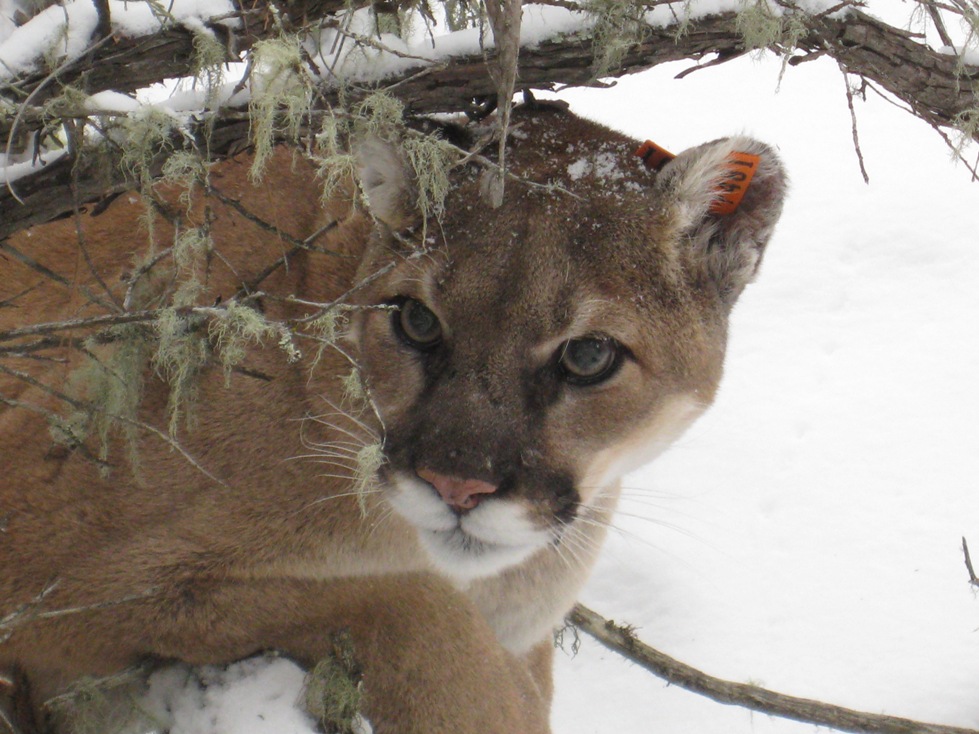
Understanding Colorado’s Elusive Apex Predator
The mountain lion stands as a symbol of Colorado’s wild heart, a creature of incredible adaptability and stealth. Its presence signifies a healthy, robust ecosystem, yet its reclusive nature often leaves its population numbers shrouded in mystery.
The Ghost of the Rockies: An Introduction to Mountain Lions
Mountain lions (Puma concolor) are the largest wild cats in North America. Characterized by their tawny coats, muscular bodies, and long, heavy tails, they are perfectly adapted to the diverse terrains of Colorado, from alpine forests to arid canyons. These solitary animals are primarily nocturnal or crepuscular, hunting deer, elk, and smaller mammals, which makes encounters with humans rare but significant. Their role as an apex predator is indispensable; by preying on herbivores, they help maintain deer and elk populations at sustainable levels, preventing overgrazing and promoting the overall health of vegetation. This ecological service has ripple effects throughout the entire food chain, impacting everything from plant diversity to the abundance of smaller animal species. Understanding their behavior, habitat preferences, and territorial needs is the first step in appreciating the complexities of their existence and the challenges in accurately assessing their numbers. Their vast home ranges, often encompassing hundreds of square miles, further complicate efforts to track and monitor them, contributing to their legendary status as the “ghost of the Rockies.”
Why Population Numbers Matter
For wildlife management and conservation, accurate population estimates are paramount. Knowing “how many” provides critical insights into the species’ health, its interaction with other wildlife, and its potential impact on human communities. Declining numbers could signal habitat loss, disease outbreaks, or overhunting, prompting immediate conservation interventions. Conversely, a stable or increasing population might necessitate adjustments in management strategies, especially concerning human-wildlife conflict. These numbers inform decisions on hunting quotas, habitat protection, and public safety campaigns. For Colorado Parks and Wildlife (CPW), this data is crucial for ensuring the long-term viability of the mountain lion population while balancing the needs of other species and human residents. Without reliable data, conservation efforts become speculative, lacking the scientific foundation necessary for effective resource allocation and policy formulation. Therefore, the ongoing endeavor to count Colorado’s mountain lions is not merely academic; it is a practical necessity for safeguarding the state’s natural heritage and ensuring the ecological integrity of its iconic landscapes.
Estimating the Unseen: Challenges in Counting Mountain Lions
Counting mountain lions is an inherently difficult task due to their secretive nature, vast territories, and ability to blend seamlessly into their environments. Unlike herd animals, they do not congregate, making direct visual counts impractical and highly unreliable. Scientists and wildlife managers must employ sophisticated, indirect methods to infer population size.
The Nature of the Beast: Habitat and Behavior
Mountain lions are masters of camouflage and stealth, preferring rugged, inaccessible terrain with dense cover that provides ample hunting opportunities and escape routes. Their habitats often overlap with human recreation areas, yet they typically avoid human contact. A single adult male mountain lion might patrol a territory of over 100 square miles, while females with cubs might occupy smaller but still significant areas. This extensive spatial distribution means that researchers must cover vast swaths of land to detect their presence. Furthermore, their crepuscular and nocturnal activity patterns mean they are most active when humans are least likely to be observing. The solitary nature of these animals also means that observations of one individual do not necessarily indicate the presence of others nearby, complicating density estimates. These inherent behavioral and ecological characteristics present persistent hurdles for any population assessment effort, requiring a blend of advanced technology and painstaking fieldwork to overcome.
Scientific Methodologies: From Collars to Camera Traps
Over the years, various scientific methodologies have been developed and refined to estimate mountain lion populations. Early methods involved track counts and scat analysis, which provided presence data but offered limited insight into actual numbers. More modern and robust techniques include capture-recapture studies, which involve sedating and tagging individual lions with radio or GPS collars. These collars allow researchers to track movements, identify individual animals, estimate survival rates, and delineate home ranges. While effective, this method is labor-intensive, costly, and requires skilled personnel. Non-invasive techniques, such as remote camera traps, have become increasingly popular. These motion-activated cameras are strategically placed in areas frequented by lions, capturing images that can help identify individuals based on unique markings or scars, especially when combined with DNA analysis from hair or scat samples. Genetic analysis allows researchers to identify individuals without direct contact, providing valuable data on population structure, genetic diversity, and connectivity between different groups. Sophisticated statistical models are then applied to this collected data to estimate population density and overall numbers, often providing a range rather than a precise figure, reflecting the inherent uncertainties.
The Role of Colorado Parks and Wildlife
Colorado Parks and Wildlife (CPW) is the primary agency responsible for managing mountain lion populations in the state. CPW biologists and wildlife officers conduct extensive research, monitoring, and management activities. Their work involves conducting field studies, analyzing data from various sources, and collaborating with academic institutions and other conservation organizations. CPW’s management strategies are informed by the latest scientific findings and aim to ensure healthy mountain lion populations across appropriate habitats while also mitigating potential conflicts with human communities and livestock. This includes setting hunting regulations, which are designed to manage population numbers sustainably and prevent overpopulation in certain areas, thereby reducing prey scarcity and human-wildlife encounters. Furthermore, CPW plays a crucial role in public education, providing residents and visitors with information on how to coexist safely with mountain lions, particularly in areas where human and wildlife habitats overlap. Their comprehensive approach integrates conservation biology with public safety, striving for a balance that protects both the iconic predator and the people who share its landscape.
Current Population Estimates and Trends
Despite the challenges, ongoing research and monitoring efforts by Colorado Parks and Wildlife and its partners provide valuable insights into the mountain lion population dynamics in Colorado. These estimates are dynamic, fluctuating with environmental conditions, prey availability, and human interactions.
The Latest Figures: What the Data Suggests

Estimating the total number of mountain lions in Colorado is an ongoing process, and precise, static numbers are elusive. Generally, estimates suggest a population ranging from 3,000 to 7,000 adult mountain lions across the state’s suitable habitat. These figures are derived from a combination of scientific studies using GPS telemetry, remote camera trapping, genetic analysis of scat samples, and population modeling. It’s important to understand that these are estimates, often presented as a range to account for the inherent difficulties in surveying such a secretive and widely dispersed species. The numbers are not uniform across the state; certain regions, particularly those with abundant deer and elk populations and extensive undeveloped habitat, naturally support higher densities of mountain lions. These figures represent a relatively stable population over recent decades, indicating successful management efforts to maintain a viable population, even as human development continues to expand into traditional mountain lion territories. This stability is a testament to the resilience of the species and the dedicated work of wildlife professionals.
Factors Influencing Population Dynamics
Several key factors influence the mountain lion population dynamics in Colorado. Prey availability is arguably the most critical. As opportunistic predators, mountain lions rely heavily on deer and elk populations. Healthy and stable prey bases lead to higher survival rates for mountain lions, especially for cubs, and can support denser populations. Conversely, declines in prey animals due to harsh winters, disease, or overhunting can negatively impact lion numbers. Habitat quality and connectivity are also vital. Fragmentation of habitat by human development, roads, and other infrastructure can isolate mountain lion populations, restricting genetic flow and making them more vulnerable to localized threats. Human interaction, including regulated hunting and conflicts stemming from livestock depredation or public safety concerns, also plays a role in population management. Hunting quotas set by Colorado Parks and Wildlife are designed to prevent overharvesting and target specific areas for population control when necessary. Climate change is an emerging factor, potentially altering prey distribution, habitat suitability, and increasing the frequency of extreme weather events, which can impact lion survival and reproductive success.
Regional Distribution Across Colorado
Mountain lions are not evenly distributed throughout Colorado. Their presence is directly linked to the availability of suitable habitat and their primary prey species. They are predominantly found in the western two-thirds of the state, particularly in the forested, mountainous regions and foothills of the Rocky Mountains. Areas with dense forests, rugged canyons, and extensive public lands often support higher densities. Less common are sightings in the eastern plains, where suitable habitat and prey are scarcer, although transient individuals may occasionally be sighted. Major population strongholds include regions around Glenwood Springs, the Roaring Fork Valley, and large wilderness areas. Even near urban centers like Boulder or Colorado Springs, mountain lions can be found in the adjacent open spaces and foothills, highlighting their adaptability to areas near human habitation, provided there is sufficient cover and food. Understanding these regional distributions is essential for localized management strategies and for informing residents about the likelihood of encounters in their specific areas.
Coexisting with Colorado’s Mountain Lions
As human populations in Colorado continue to grow and expand into traditional wildlife habitats, the interface between humans and mountain lions becomes an increasingly important aspect of wildlife management and public awareness. Coexistence requires both careful management by wildlife agencies and informed, responsible behavior from the public.
Human-Wildlife Interface: Managing Interactions
The expanding urban-wildland interface means that human development increasingly encroaches upon mountain lion territories. This proximity inevitably leads to more interactions, which can range from mere sightings to concerning incidents involving pets, livestock, or, very rarely, humans. Managing these interactions is a critical responsibility of Colorado Parks and Wildlife. Strategies include public education campaigns to inform residents about mountain lion behavior, preventative measures for protecting property and pets, and rapid response protocols for confirmed sightings or incidents. Zoning regulations and land-use planning also play a role in minimizing habitat fragmentation and maintaining buffer zones between human settlements and prime wildlife areas. The goal is not to eliminate mountain lions from these areas, which would be ecologically detrimental and impractical, but to reduce the potential for negative encounters through proactive management and a well-informed public. This nuanced approach acknowledges that both humans and wildlife have a right to the landscape, necessitating strategies that promote mutual respect and minimize conflict.
Safety Guidelines for Outdoor Enthusiasts
For anyone venturing into Colorado’s wilderness, understanding how to behave in mountain lion country is paramount. While attacks are extremely rare, vigilance and preparedness can significantly reduce risk. Key safety guidelines include:
- Hike in groups: Mountain lions are less likely to approach a group of people.
- Keep children close: Never let children run ahead or lag behind on trails.
- Keep pets on a leash: Uncontrolled pets can attract mountain lions or become prey.
- Be aware of your surroundings: Look for tracks, scat, or unusual animal behavior.
- If you encounter a mountain lion: Do not run. Stand your ground, make yourself look as large as possible (raise your arms, open your jacket), maintain eye contact, and make noise. If the lion acts aggressively, throw rocks or sticks, and fight back if attacked.
- Avoid hiking at dawn or dusk: These are prime hunting times for mountain lions.
Following these simple precautions can help ensure a safe and enjoyable outdoor experience in Colorado’s beautiful natural settings, fostering respect for its wild inhabitants.
Conservation Efforts and Future Outlook
The future of mountain lions in Colorado depends heavily on sustained conservation efforts. Colorado Parks and Wildlife continuously assesses population health, monitors habitat changes, and adapts management plans. A significant aspect of conservation involves protecting large, contiguous tracts of wilderness, ensuring migration corridors, and mitigating human-wildlife conflict. Public support for conservation, informed by accurate information and understanding, is also vital. Programs that educate ranchers on non-lethal deterrents for livestock protection, and residents on living responsibly in mountain lion territory, contribute significantly. The outlook for mountain lions in Colorado remains positive, largely due to the dedication of wildlife professionals and the state’s vast protected lands. However, ongoing vigilance, research, and adaptive management will be necessary to ensure these iconic predators continue to thrive, maintaining their critical role as a keystone species within Colorado’s natural heritage for generations to come.
Beyond the Numbers: The Ecological Significance
While knowing the estimated number of mountain lions in Colorado is a critical component of wildlife management, it only tells part of the story. The true value of these magnificent animals extends far beyond mere statistics, encompassing their profound impact on the ecological health and natural balance of the entire state. Their presence or absence is a powerful indicator of the vitality of the wilderness itself, making them an indispensable “natural landmark” in the truest sense.
A Keystone Species: Their Role in the Ecosystem
Mountain lions are considered a keystone species, meaning their presence has a disproportionately large effect on their environment relative to their abundance. As apex predators, they regulate the populations of herbivores like deer and elk, which in turn prevents overgrazing. Without this natural control, deer and elk populations could swell, leading to excessive browsing on vegetation. This overgrazing can deplete plant diversity, alter forest structures, and even impact water quality by increasing soil erosion along stream banks. By maintaining a healthy balance of herbivores, mountain lions indirectly support a multitude of other species, from small mammals and birds that rely on diverse vegetation for habitat and food, to aquatic life dependent on clean, stable waterways. Their hunting patterns also ensure that the healthiest and most vigilant prey animals survive and reproduce, contributing to the overall fitness and resilience of herbivore populations. Thus, the mountain lion isn’t just another animal in the food web; it’s a critical architect of ecosystem health and biodiversity, demonstrating the intricate web of life that sustains Colorado’s natural beauty.

Protecting Their Future: Habitat Preservation
The long-term survival of mountain lions in Colorado hinges on the preservation of their habitat. These animals require vast, interconnected landscapes to roam, hunt, and reproduce successfully. Protecting these habitats means more than just designating wilderness areas; it involves strategic land-use planning, mitigating the impacts of human development, and ensuring connectivity between fragmented natural areas. Initiatives aimed at creating wildlife corridors, which allow animals to safely cross human infrastructure like highways, are crucial for maintaining genetic diversity and preventing isolated populations. Additionally, preserving the integrity of their prey’s habitat is equally important, as a healthy deer and elk population directly supports mountain lion survival. Efforts to combat poaching, reduce conflicts with livestock, and educate the public about the importance of these predators also contribute to their long-term security. The ongoing commitment to habitat preservation, supported by scientific research and public engagement, is the most profound way to ensure that the ghost of the Rockies continues to roam free, embodying the wild spirit of Colorado for future generations to cherish and protect.
LifeOutOfTheBox is a participant in the Amazon Services LLC Associates Program, an affiliate advertising program designed to provide a means for sites to earn advertising fees by advertising and linking to Amazon.com. Amazon, the Amazon logo, AmazonSupply, and the AmazonSupply logo are trademarks of Amazon.com, Inc. or its affiliates. As an Amazon Associate we earn affiliate commissions from qualifying purchases.