
The question of how many National Championships the University of Alabama football team boasts is one that resonates far beyond the gridiron, touching upon themes of legacy, passionate fan culture, and the significant tourism impact generated by one of college sports’ most dominant programs. For travelers and sports enthusiasts alike, understanding the depth of Alabama’s success offers a unique lens through which to explore the vibrant city of Tuscaloosa and the enduring lifestyle associated with the Crimson Tide.
The answer, a source of immense pride for the Crimson Tide faithful and a point of fascination for visitors, stands at 18 national championships. This remarkable tally positions Alabama as one of the most decorated programs in the history of college football, a legacy that draws hundreds of thousands of fans, tourists, and prospective students to its hallowed campus each year. These championships span several eras, reflecting sustained excellence that has transformed Tuscaloosa into a true pilgrimage site for sports devotees.

The Enduring Legacy of Alabama Football and Its Global Appeal
The phenomenon of Alabama Football is more than just a series of games; it’s a cultural cornerstone, an economic engine, and a powerful draw for travel and tourism. The sheer volume of national championships the Crimson Tide has accumulated contributes significantly to its allure, making game days and even off-season visits to Tuscaloosa an unforgettable experience. Fans from across the United States and indeed, the world, embark on journeys to witness the tradition firsthand, often planning elaborate trips around key games or championship celebrations.
The Heart of the Crimson Tide Nation: Tuscaloosa as a Destination
Tuscaloosa, nestled along the Black Warrior River in west-central Alabama, transforms into a bustling hub of activity every fall. The University of Alabama is the lifeblood of the city, and its football program is the beating heart. The sustained success, particularly the numerous national championships, has cemented Tuscaloosa’s reputation as a must-visit destination for sports fans. This draws a unique demographic of travelers—those seeking not just a vacation, but an immersive cultural and sporting experience.
The city itself offers a blend of Southern hospitality, rich history, and modern amenities, making it appealing even beyond game days. For instance, the Paul W. Bryant Museum is a landmark attraction where visitors can delve into the storied history of Alabama Football, marvel at championship trophies, and learn about legendary coaches like Bear Bryant and Nick Saban. This museum, alongside Bryant-Denny Stadium itself, serves as a powerful magnet for tourism, providing tangible evidence of the 18 national championships.
A Lifestyle Defined by Victory: Why Fans Journey to Bryant-Denny Stadium
The Crimson Tide experience is a lifestyle. It’s about more than just attending a game; it’s about participating in a tradition that spans generations. Families plan their annual vacations around the football schedule, making the pilgrimage to Tuscaloosa a cherished ritual. This kind of dedicated fan base fuels a robust travel industry. Hotels fill up months in advance, local restaurants thrive, and souvenir shops do brisk business, all centered around the promise of witnessing another triumph—or at least, celebrating a legacy built on 18 national championships.
The atmosphere on game day is unparalleled, starting with vibrant tailgating scenes that blend culinary delights with convivial camaraderie. Visitors can experience true Southern hospitality as they mingle with local fans, share stories, and soak in the pre-game excitement. Walking the Walk of Champions outside Bryant-Denny Stadium, where statues of legendary coaches commemorate their triumphs, including many of those 18 titles, offers a tangible connection to the program’s storied past and an inspiring moment for any visitor. This immersive experience is a significant driver for luxury travel for those who opt for premium suites and exclusive hospitality packages, as well as for budget travel enthusiasts looking for affordable ways to be part of the action.
Unpacking the Championship Count: A Journey Through Crimson Tide History
To fully appreciate the 18 national championships, one must understand the historical tapestry woven by different coaching eras and iconic moments. Each championship victory not only added another trophy to the Paul W. Bryant Museum but also carved out specific memories and created new reasons for fans to celebrate and travel.
The University of Alabama officially recognizes 18 national championships. While various historical polls and retroactive claims can sometimes lead to different counts, the 18 claimed by Alabama are widely celebrated by its fan base and showcased on campus. These titles span an impressive timeline, showcasing the program’s enduring strength.
The Dynasty Begins: Early Triumphs and Their Landmark Significance
Alabama’s championship legacy began surprisingly early in the 20th century, cementing its place in college football lore long before the modern era. The initial titles were often secured through dominant regular seasons and victories in prestigious bowl games like the Rose Bowl, which served as de facto national championship contests in their time.
- 1925: Under coach Wallace Wade, Alabama claimed its first national title, capped by a thrilling victory in the Rose Bowl. This victory put Southern football on the national map and heralded the arrival of a powerhouse.
- 1926: Another Wallace Wade team secured back-to-back titles, further solidifying Alabama’s emerging dominance.
- 1930: Wade delivered a third title, a testament to the program’s early strength.
- 1934: Led by coach Frank Thomas, Alabama captured its fourth title, again after a Rose Bowl triumph.
- 1941: Thomas earned his second national championship, adding to the growing collection.
These early successes laid the groundwork for future generations and established a culture of winning that would become synonymous with the Crimson Tide. Visiting the historical exhibits at the Paul W. Bryant Museum allows travelers to connect with these foundational moments, seeing the old uniforms, photos, and trophies that represent these landmark achievements.
Then came the legendary Bear Bryant era, a period of unprecedented success that etched Alabama into the very fabric of college football history. Bryant’s teams added six national championships to the tally:
- 1961, 1964, 1965, 1973, 1978, 1979: These championships under Bryant created a dynasty, making Alabama a perennial contender and turning Tuscaloosa into a Mecca for football fans. The statue of Coach Bryant outside Bryant-Denny Stadium is a testament to his profound impact and a popular spot for tourist photos.
After Bryant’s retirement, the program continued to find success, notably with:
- 1992: Coach Gene Stallings led the Crimson Tide to a surprising national title, defeating an undefeated Miami team in the Sugar Bowl. This victory reminded the nation of Alabama’s enduring championship DNA.
The Saban Era: Modern Glory and the Tourism Boom
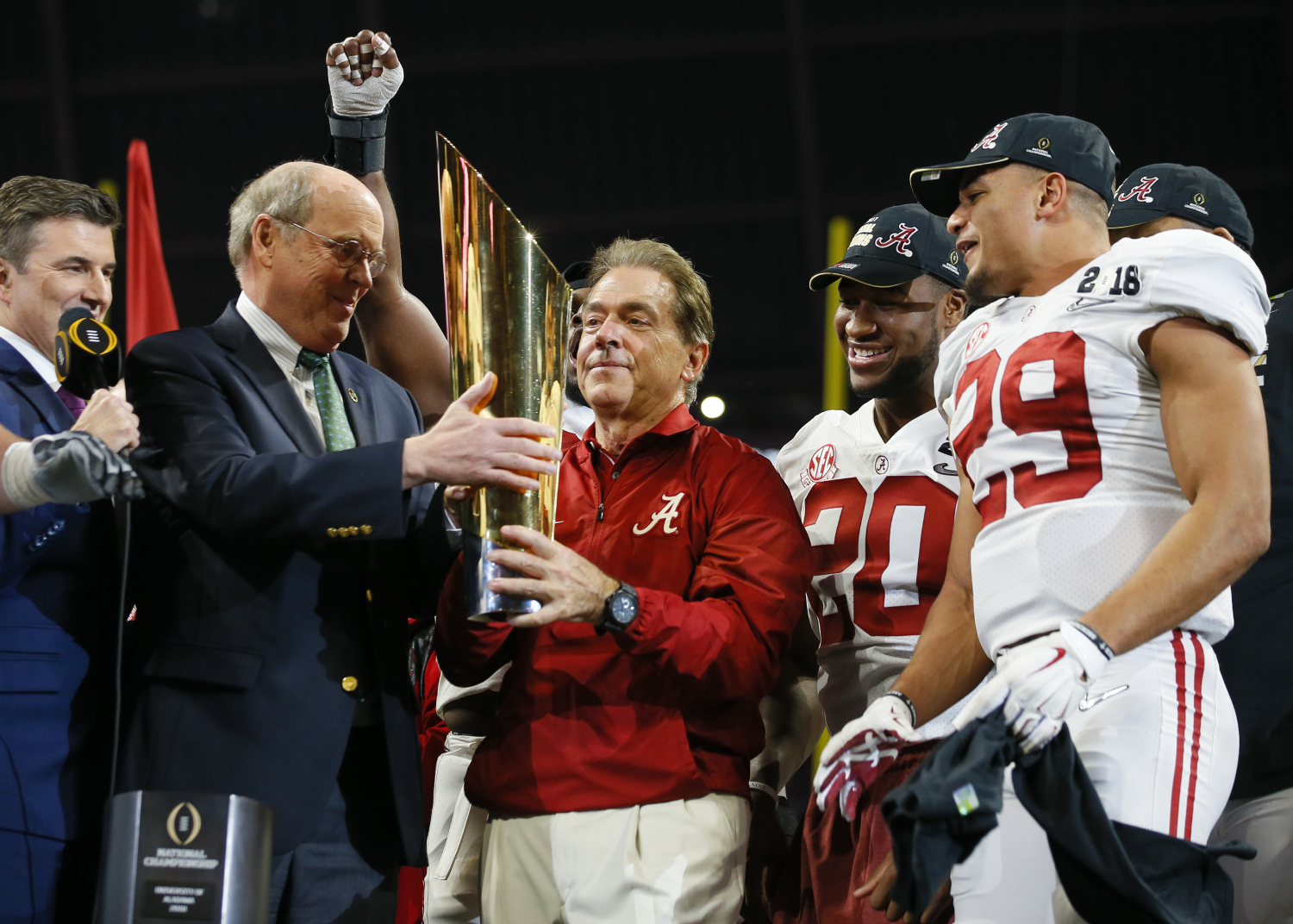
The arrival of Nick Saban in 2007 ushered in what many consider the greatest dynasty in modern college football history. Saban’s tenure at Alabama added an astonishing six more national championships to the program’s already impressive count, elevating the total to 18 and triggering an unprecedented boom in tourism and economic activity for Tuscaloosa and the state of Alabama.
- 2009: The first Saban title, a watershed moment that signaled the return of the Crimson Tide to the pinnacle of college football.
- 2011, 2012: Back-to-back championships solidified the new dynasty.
- 2015, 2017, 2020: Three more titles in quick succession, with the 2020 championship notably coming during the challenging COVID-19 pandemic season, showcasing the team’s resilience.
The Saban era not only delivered championships but also dramatically increased the program’s national and international profile. Game days became larger events, drawing in more spectators, media, and leisure travelers. The consistent success created a continuous cycle of excitement, with fans eager to visit Tuscaloosa to be part of the phenomenon. Major College Football Playoff games, often held in cities like Atlanta, New Orleans, Miami, or Los Angeles, also become massive travel opportunities for Alabama fans, showcasing their dedication far beyond the home turf. Each victory, whether in the Sugar Bowl, Rose Bowl, Orange Bowl, Cotton Bowl, or the CFP National Championship game often held at a venue like Mercedes-Benz Stadium, spurs a wave of celebratory travel and post-game analyses that drive online engagement and future visits.
Planning Your Championship Travel Experience: Beyond the Scoreboard
For many, a trip to Tuscaloosa is more than just attending a football game; it’s a deep dive into a passionate culture. Leveraging the numerous national championships as a narrative thread, travelers can craft a rich itinerary that blends sports excitement with local exploration.
Accommodation and Hotels: Securing Your Stay in Tuscaloosa
Given the immense popularity of Alabama Football, especially with 18 national championships to celebrate, securing accommodation in Tuscaloosa during game weekends requires advance planning. The city offers a range of hotels and resorts to suit various preferences and budgets, from luxury suites to more economical options.
High-end options like The Alamite, a Marriott Tribute Portfolio Hotel or Hotel Indigo Tuscaloosa Downtown provide upscale amenities and prime locations, often walking distance to the University of Alabama campus and Bryant-Denny Stadium. Mid-range choices such as the Embassy Suites by Hilton Tuscaloosa Alabama Downtown, Courtyard by Marriott Tuscaloosa, or Homewood Suites by Hilton Tuscaloosa offer comfortable stays with excellent facilities. Many travelers also opt for vacation rentals or apartments for longer stays or family trips. Booking early is crucial, especially for matchups against Southeastern Conference (SEC) rivals, as prices can surge and availability plummets. Staying in nearby cities like Birmingham and commuting is another option, though it detracts from the immersive Tuscaloosa experience.
Exploring Tuscaloosa’s Attractions: More Than Just Football
While Alabama Football is the main draw, Tuscaloosa offers a variety of attractions that enrich any visitor’s experience. Beyond the Paul W. Bryant Museum and Bryant-Denny Stadium, travelers can explore:
- The Downtown Tuscaloosa Riverwalk: A scenic pathway along the Black Warrior River, perfect for a leisurely stroll or bike ride, offering beautiful views and access to waterfront dining.
- The Alabama Museum of Natural History: Located on the University of Alabama campus, it showcases the natural heritage of Alabama with fascinating exhibits, making it a great stop for family trips.
- The Children’s Hands-On Museum of Alabama: An interactive learning environment ideal for younger visitors.
- Moundville Archaeological Park: A significant historical landmark just a short drive from Tuscaloosa, preserving the rich history of a prehistoric Native American culture.
- Lake Tuscaloosa: Offers opportunities for outdoor activities like boating, fishing, and kayaking, providing a relaxing escape from the game-day fervor.
Tuscaloosa’s vibrant dining scene, featuring everything from classic Southern cuisine to modern eateries, and its lively entertainment options contribute significantly to the overall visitor experience. Exploring these facets of the city enhances the journey for any Crimson Tide fan, turning a sports trip into a comprehensive cultural exploration.
The Economic Impact of a Dynasty: Championships and Community Growth
The 18 national championships of Alabama Football have an undeniable and profound economic impact on Tuscaloosa and the wider state of Alabama. This sustained success drives colossal revenue streams through ticket sales, merchandise, concessions, and the booming tourism sector. Every home game weekend brings an influx of visitors who spend money on hotels, dining, transportation, and local businesses, significantly contributing to the local economy.
The consistent national spotlight generated by the championships also promotes the University of Alabama to prospective students worldwide, increasing enrollment and further bolstering the city’s growth. The reputation fostered by athletic excellence spills over into academic and community development, making Tuscaloosa an attractive place not just to visit, but to live and invest. The celebration of a championship often means special events, parades, and fan gatherings, which themselves become tourist attractions, drawing even more visitors and media attention. This continuous cycle of success and celebration ensures that Alabama Football remains a powerful force for community growth and a thriving tourism industry.
In conclusion, Alabama Football boasts an impressive 18 national championships. This astounding record is not merely a statistic but a cornerstone of a vibrant cultural and economic landscape in Tuscaloosa. For travelers, this rich history translates into an unparalleled opportunity to experience a unique blend of sports passion, Southern hospitality, and engaging local attractions. Whether you’re a devoted fan or a curious traveler, a visit to the home of the Crimson Tide offers a memorable journey into the heart of a championship tradition that truly defines a lifestyle.
LifeOutOfTheBox is a participant in the Amazon Services LLC Associates Program, an affiliate advertising program designed to provide a means for sites to earn advertising fees by advertising and linking to Amazon.com. Amazon, the Amazon logo, AmazonSupply, and the AmazonSupply logo are trademarks of Amazon.com, Inc. or its affiliates. As an Amazon Associate we earn affiliate commissions from qualifying purchases.