
The Quest for Gridiron Glory: Understanding National Championship Claims
The world of college football is steeped in tradition, passionate rivalries, and, of course, the coveted pursuit of national championships. For fans of the University of Oregon football program, the question of how many national titles their beloved Ducks have secured is a frequent and often debated topic. Unlike professional leagues that have a single, universally recognized champion determined by a playoff system, college football’s championship landscape has historically been more complex, with various polls and selectors contributing to the final determination. This historical nuance is crucial when examining any team’s championship claim, including that of Oregon Football.

The definition of a “national championship” in college football has evolved significantly over the decades. In the early days, the season often concluded with major sports publications, most notably the Associated Press (AP) and the United Press International (UPI), declaring a champion based on their final rankings. These polls, while influential, were subjective and did not always reflect a consensus. The advent of bowl games provided further opportunities for teams to solidify their standing, with certain prestigious bowls often considered de facto championship games. The establishment of the Bowl Championship Series (BCS) in 1998 aimed to bring more clarity and a definitive champion by pairing the top two teams in a championship game. This was later succeeded by the College Football Playoff (CFP) in 2014, which solidified the modern era’s approach to crowning a national champion through a four-team playoff. Understanding these different eras and ranking systems is fundamental to accurately assessing Oregon Football’s historical achievements.
The AP and UPI Era: Early Recognition and Potential Claims
Before the era of formalized playoff systems, college football championships were largely decided by the final polls published by the Associated Press and the United Press International. These polls surveyed sports writers and coaches, whose votes determined the top-ranked team at the end of the season. For Oregon Football, this period is often a point of discussion for potential championship recognition.
The 1916 Season: A Historical Consideration
One season that frequently surfaces in discussions of Oregon football championships is 1916. In this year, the University of Oregon finished with an undefeated record of 6-0. The University of Pittsburgh also had an undefeated season and was ranked number one by the NF.C. Poll. However, some historical analyses, including those by college football historians, have pointed to Oregon as a co-national champion for that year. The distinction often hinges on different methodologies used by various selectors and the weight given to specific games or opponents. The lack of a singular, universally agreed-upon playoff system in this era means that such claims are often subject to ongoing debate among college football aficionados and statisticians. This historical claim, while not universally recognized in the same way as a modern playoff victory, represents a significant point of pride and discussion for Oregon fans.
Other Notable Seasons in Poll Debates
Beyond 1916, other seasons have seen Oregon finish with strong records and high rankings, leading to discussions about their championship pedigree. While these seasons did not result in a consensus national title, they highlight the program’s consistent competitiveness and its ability to be in the conversation at the national level. These discussions often involve revisiting the rankings from prominent media outlets of the time and comparing Oregon’s performance against other top contenders. The depth of research into these historical polls contributes to the rich tapestry of college football lore and keeps the debate about past championships alive.
The BCS and CFP Eras: Definitive Championship Opportunities
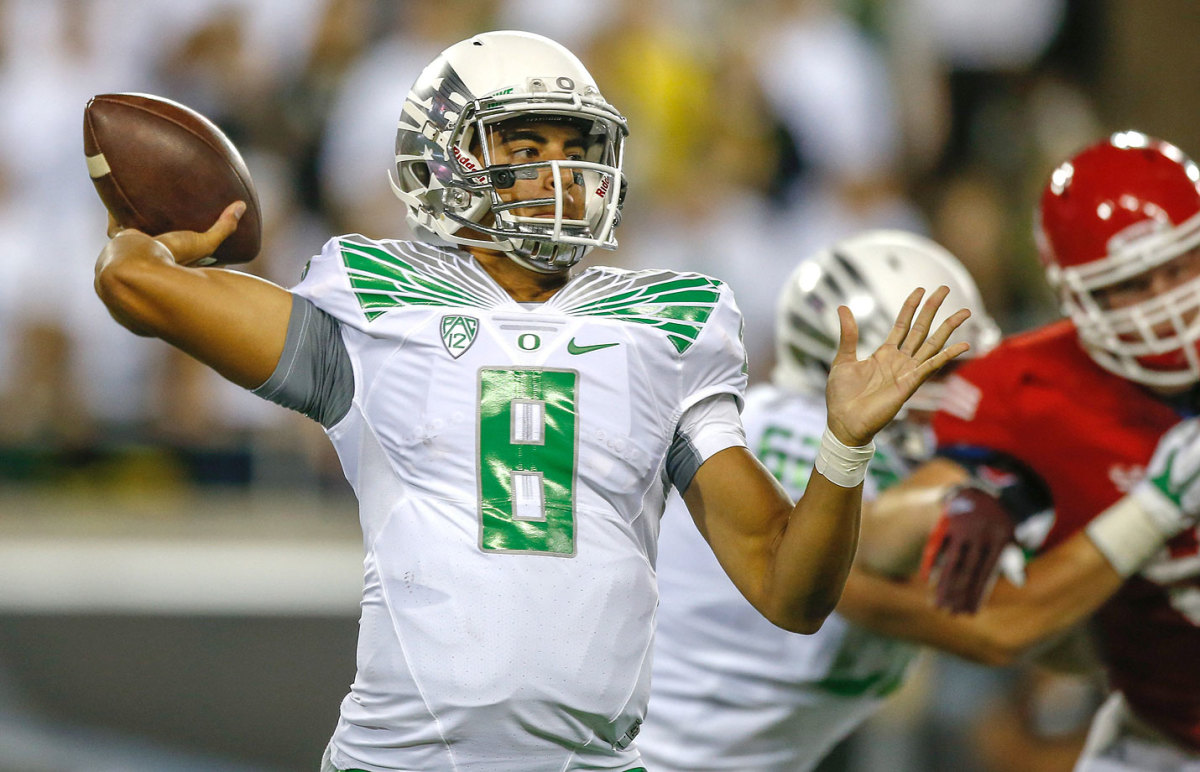
With the introduction of the Bowl Championship Series (BCS) and later the College Football Playoff (CFP), the path to a national championship became more structured, aiming to provide a definitive winner through a championship game. For Oregon Football, these eras have presented clear opportunities to compete for and win the ultimate prize in college football.
The 2010 BCS National Championship Game Appearance
The 2010 season stands out as a significant moment for Oregon football in the BCS era. The Ducks, under the leadership of head coach Chip Kelly, enjoyed a spectacular season, culminating in an appearance in the BCS National Championship Game. Their electrifying offense and innovative play-calling captured the attention of the nation. Oregon faced off against the Auburn Tigers, led by quarterback Cam Newton. While the Ducks ultimately fell short in a hard-fought contest, losing 22-19, this appearance marked a historic achievement, showcasing the program’s elite status and its capability to compete on the biggest stage in college football. This game remains a significant memory for Oregon fans, representing a pinnacle of their modern football success.
The 2014 CFP National Championship Game Appearance
The transition to the College Football Playoff (CFP) introduced a new format designed to select the top four teams for a playoff tournament. Oregon Football proved to be one of the inaugural beneficiaries of this new system. In the 2014 season, the Ducks, with a dynamic offense spearheaded by quarterback Marcus Mariota, navigated the regular season and the Pac-12 Championship Game to earn a spot in the first-ever CFP. They entered the playoff as the No. 2 seed.
Their playoff journey began with a decisive victory over the Florida State Seminoles in the Rose Bowl, which served as a CFP semifinal game. The Ducks then advanced to the CFP National Championship Game to face the Ohio State Buckeyes. In a highly anticipated matchup, Oregon fought valiantly, but ultimately, Ohio State emerged victorious, securing the championship. Despite the loss in the final game, the 2014 season was a monumental success for Oregon Football, demonstrating their status as a national powerhouse and a consistent contender in the modern era of college football.
Defining “National Championship”: A Matter of Consensus
The interpretation of “national championship” in college football is nuanced and often depends on the specific criteria one applies. For the University of Oregon, the most widely recognized and undisputed claim to a national championship is absent from the official record books of major polling organizations. However, this does not diminish the program’s rich history and its significant achievements.
Official Recognition vs. Historical Claims
Official NCAA records and major polling organizations like the Associated Press do not list Oregon Football as a national champion. This is primarily due to the historical subjectivity of championship selection before the BCS and CFP eras. The claim to the 1916 title, while supported by some historical research, lacks the universal consensus afforded to championships decided by modern playoff systems or undisputed top rankings from the primary polls of their respective eras.

The Legacy of Competitive Excellence
Despite the absence of a universally acknowledged national championship trophy, Oregon Football has built a legacy of competitive excellence, marked by numerous conference championships, notable bowl victories, and consistent appearances in national rankings. The program has been a perennial contender, often hosting and playing in high-profile games that have showcased its talent and strategic prowess. The passion of the Oregon fanbase and the innovative spirit of the football program continue to drive its pursuit of ultimate gridiron glory. The journey, the near misses, and the consistent presence at the top echelon of college football are all integral parts of the Oregon Football narrative, even as the definitive “national championship” remains an elusive but ever-present goal.
LifeOutOfTheBox is a participant in the Amazon Services LLC Associates Program, an affiliate advertising program designed to provide a means for sites to earn advertising fees by advertising and linking to Amazon.com. Amazon, the Amazon logo, AmazonSupply, and the AmazonSupply logo are trademarks of Amazon.com, Inc. or its affiliates. As an Amazon Associate we earn affiliate commissions from qualifying purchases.