
The allure of Florida, the Sunshine State, extends far beyond its sun-drenched beaches and vibrant theme parks. For nature enthusiasts and intrepid explorers, Florida also boasts a remarkable collection of protected natural wonders. The question of “How Many National Parks Are In Florida?” often sparks curiosity, hinting at the possibility of experiencing America’s unparalleled natural heritage within this southeastern state. While the term “National Park” might conjure images of iconic landscapes like the Grand Canyon or Yellowstone, Florida‘s designation of national park sites is a bit more nuanced and equally captivating. Understanding these designations reveals a rich tapestry of ecosystems, from fragile coastal wetlands to ancient terrestrial habitats, each offering a unique glimpse into the state’s biodiversity and historical significance.
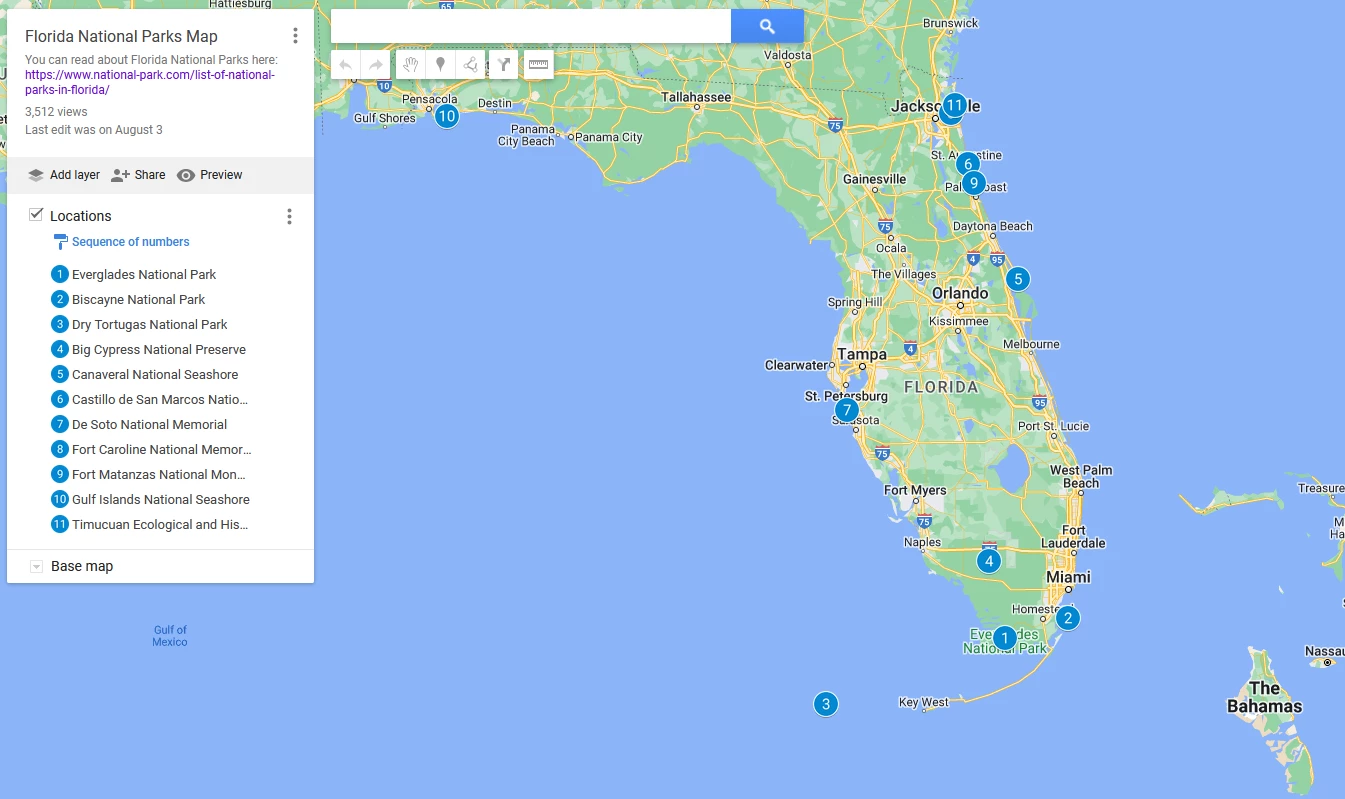
Florida is home to a diverse array of federally protected areas managed by the National Park Service (NPS). These sites are not all strictly designated as “National Parks” in the traditional sense of the term; rather, they encompass a broader spectrum of NPS units, including national preserves, national seashores, and national monuments. This variety allows for a multifaceted approach to conservation and public enjoyment, catering to different types of natural experiences. Whether you’re seeking the untamed wilderness of the Everglades or the historic significance of a coastal fortress, Florida‘s national park sites deliver an unforgettable travel experience.
Exploring Florida’s National Park Designations
To accurately answer the question of how many “National Parks” are in Florida, it’s essential to clarify the different types of designations under the National Park Service. The National Park Service manages over 400 sites across the United States, each with its own specific mandate for preservation and public access. In Florida, these designations include not only national parks but also national preserves, national seashores, and national monuments, all contributing to the state’s rich natural and cultural heritage.
The Iconic Everglades National Park
When discussing Florida‘s national park sites, the Everglades National Park is undoubtedly the crown jewel. This vast subtropical wilderness, often referred to as the “River of Grass,” is a UNESCO World Heritage Site and an International Biosphere Reserve. It is the only subtropical preserve in the United States National Park System. Spanning over 1.5 million acres, the Everglades is a complex mosaic of sawgrass marshes, cypress swamps, mangrove forests, and coastal prairies, teeming with an incredible diversity of flora and fauna.
The Everglades National Park is a critical habitat for numerous endangered and threatened species, including the Florida panther, American crocodile, West Indian manatee, and the endangered leatherback sea turtle. Visitors can explore this unique ecosystem through a variety of activities, from airboat tours that glide across the watery landscape to kayaking and canoeing through serene mangrove tunnels. Hiking trails offer opportunities to observe the abundant birdlife, and ranger-led programs provide in-depth insights into the park’s ecological significance and conservation efforts. The park’s accessibility from major South Florida cities like Miami and Fort Lauderdale makes it a popular destination for both domestic and international tourists seeking an authentic wilderness experience.
The park’s management is a continuous effort to restore and maintain the natural flow of water, which is crucial for the health of the entire ecosystem. This delicate balance has been impacted by decades of development and water management practices in surrounding areas. Consequently, the Everglades National Park serves not only as a natural wonder but also as a crucial living laboratory for ecological research and restoration projects. The sheer scale and ecological importance of the Everglades solidify its position as Florida‘s premier national park.
Beyond the Everglades: Other Significant National Park Service Sites
While the Everglades National Park is the most prominent, Florida is home to several other significant sites managed by the National Park Service, each offering unique attractions and landscapes. These sites broaden the definition of “national park” in Florida and provide diverse opportunities for exploration.
Biscayne National Park: A Submerged Wonderland
Adjacent to the Everglades National Park, Biscayne National Park offers a distinctly different, yet equally compelling, natural experience. This park is unique in that 95% of its area is water, encompassing the northernmost segment of the Florida Keys and Biscayne Bay. It protects the vibrant coral reefs, mangrove shorelines, and clear waters that are vital to the region’s marine life. Biscayne National Park is a haven for snorkelers and divers, who can explore shipwrecks and colorful coral formations teeming with tropical fish.
Boating is a primary activity within the park, with opportunities for sailing, fishing, and exploring the numerous small islands that dot the bay. The park’s clear waters offer excellent visibility, making it an ideal location for underwater photography. Visitors can also enjoy paddleboarding, kayaking, and land-based activities on Biscayne Island, which features historical structures and a visitor center. The park’s marine ecosystem is crucial for the health of the wider Atlantic coast, highlighting the importance of its preservation. The proximity to Miami makes it an easily accessible escape for those looking to experience Florida‘s aquatic wonders.
Dry Tortugas National Park: A Remote and Historic Gem
Further west, accessible only by boat or seaplane from Key West, lies Dry Tortugas National Park. This remote archipelago consists of seven islands and is renowned for its pristine natural beauty and its significant historical importance. The centerpiece of the park is Fort Jefferson, a massive, unfinished 19th-century coastal fortress that is the largest brick masonry structure in the Americas. The fort’s strategic location made it a key military outpost during various periods of American history.

Beyond its historical significance, the Dry Tortugas are celebrated for their exceptionally clear waters, vibrant coral reefs, and abundant marine life. It is an exceptional destination for snorkeling and diving, with opportunities to encounter sea turtles, sharks, rays, and a dazzling array of fish. The park is also a critical nesting ground for several species of sea turtles and a vital stopover for migratory birds, making it a birdwatcher’s paradise. Camping is available on Garden Key, offering an unparalleled opportunity to experience the tranquility and beauty of this remote location. The journey to the Dry Tortugas is an adventure in itself, adding to the allure of this extraordinary national park.
Canaveral National Seashore: Coastal Dunes and Wildlife
On Florida‘s Atlantic coast, north of the Kennedy Space Center, lies Canaveral National Seashore. This protected area preserves one of the longest stretches of undeveloped barrier island coastline in America. It is characterized by its pristine beaches, vast salt marshes, and diverse wildlife habitats. The seashore is a vital nesting ground for loggerhead sea turtles and is also a haven for numerous bird species, making it a significant area for both wildlife observation and beach recreation.
Visitors can enjoy swimming, sunbathing, fishing, and boating. Hiking trails wind through the dunes and coastal hammocks, offering opportunities to experience the unique flora and fauna of this coastal environment. The park’s proximity to the Kennedy Space Center provides a unique juxtaposition of natural beauty and technological advancement. The Apollo launch sites are visible from parts of the seashore, adding a layer of historical context to the natural splendor. The Canaveral National Seashore is an essential part of Florida‘s coastal conservation efforts, protecting a vital segment of the state’s natural heritage.
Timucuan Ecological and Historic Preserve
In Northeast Florida, near Jacksonville, lies the Timucuan Ecological and Historic Preserve. This preserve protects a significant portion of the last remaining coastal salt marsh in theheastern United States. It also safeguards invaluable historical and archaeological sites that tell the story of the indigenous Timucua people, early European explorers, and the development of Florida. The preserve encompasses a rich tapestry of ecosystems, including salt marshes, estuaries, tidal flats, and maritime hammocks, supporting a wealth of biodiversity.
Within the preserve, visitors can explore sites like the Fort Caroline National Memorial, which commemorates a brief but significant French attempt at colonization in the 16th century, and the Timucuan Preserve Visitor Center, which offers exhibits on the area’s natural and cultural history. Kayaking and canoeing are popular ways to experience the preserve’s waterways, offering encounters with various wading birds and marine life. Hiking trails provide access to different habitats and historical points of interest. The Timucuan Ecological and Historic Preserve is a vital resource for understanding the complex ecological and human history of Florida‘s northeast coast.
Planning Your National Park Adventure in Florida
To fully appreciate the natural wonders of Florida‘s national park sites, careful planning is essential. Each location offers distinct experiences, and understanding their unique characteristics will help you craft an unforgettable itinerary.
Choosing Your Destination and Activities
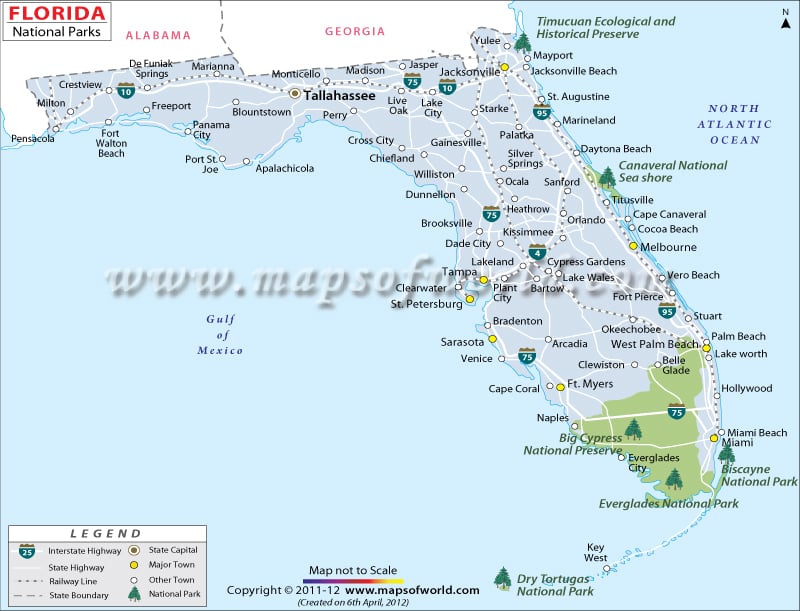
The choice of which national park site to visit depends largely on your interests. If you’re drawn to vast wilderness and subtropical ecosystems, the Everglades National Park is a must. For those fascinated by marine life and underwater exploration, Biscayne National Park and Dry Tortugas National Park are exceptional choices. If pristine beaches and coastal wildlife are your priority, Canaveral National Seashore beckons. And for a blend of ecological beauty and deep historical significance, the Timucuan Ecological and Historic Preserve offers a unique perspective.
Consider the time of year for your visit. Florida‘s weather varies significantly, with a distinct wet season and dry season. The dry season, typically from November to April, offers more comfortable temperatures and fewer mosquitoes, making it ideal for outdoor activities. However, the wet season, from May to October, can be a good time for birdwatching and experiencing the lushness of the landscape, provided you’re prepared for humidity and potential afternoon thunderstorms.
Accommodation and Travel Tips
Accommodation options near Florida‘s national parks vary. In closer proximity to the Everglades and Biscayne, you’ll find numerous hotels in Miami, Fort Lauderdale, and the surrounding Keys. For Dry Tortugas, Key West offers a wide range of lodging, from boutique hotels to vacation rentals. New Smyrna Beach and Titusville are convenient bases for visiting Canaveral National Seashore, while Jacksonville serves as a gateway to the Timucuan Ecological and Historic Preserve. Camping within the parks, where available, offers the most immersive experience.
When packing, essentials include insect repellent, sunscreen, a hat, comfortable walking shoes, and plenty of water. For water-based activities, bring swimwear and quick-drying clothing. Check the National Park Service website for each specific park before your visit for the latest information on operating hours, entrance fees, and any alerts or closures. Booking tours or boat excursions in advance is often recommended, especially during peak season.
By understanding the diverse designations and planning accordingly, you can unlock the incredible natural and historical treasures that Florida‘s national park sites have to offer, extending your travel experiences far beyond the typical tourist trails.
LifeOutOfTheBox is a participant in the Amazon Services LLC Associates Program, an affiliate advertising program designed to provide a means for sites to earn advertising fees by advertising and linking to Amazon.com. Amazon, the Amazon logo, AmazonSupply, and the AmazonSupply logo are trademarks of Amazon.com, Inc. or its affiliates. As an Amazon Associate we earn affiliate commissions from qualifying purchases.