
Navigating New York City can feel like an adventure in itself, and understanding its unique grid system is key to unlocking its secrets. When planning your travel to the Big Apple, whether you’re eyeing a stay at the iconic Plaza Hotel or seeking budget-friendly accommodation in a cozy apartment, knowing the scale of the city is incredibly helpful. One of the most common questions for visitors, especially those accustomed to different urban layouts, is: “How many New York City blocks make up a mile?” This seemingly simple question opens a fascinating window into the city’s planning, its history, and how it impacts your exploration of its world-renowned landmarks and vibrant tourism scene.

Decoding the Grid: Understanding the Manhattan Street System
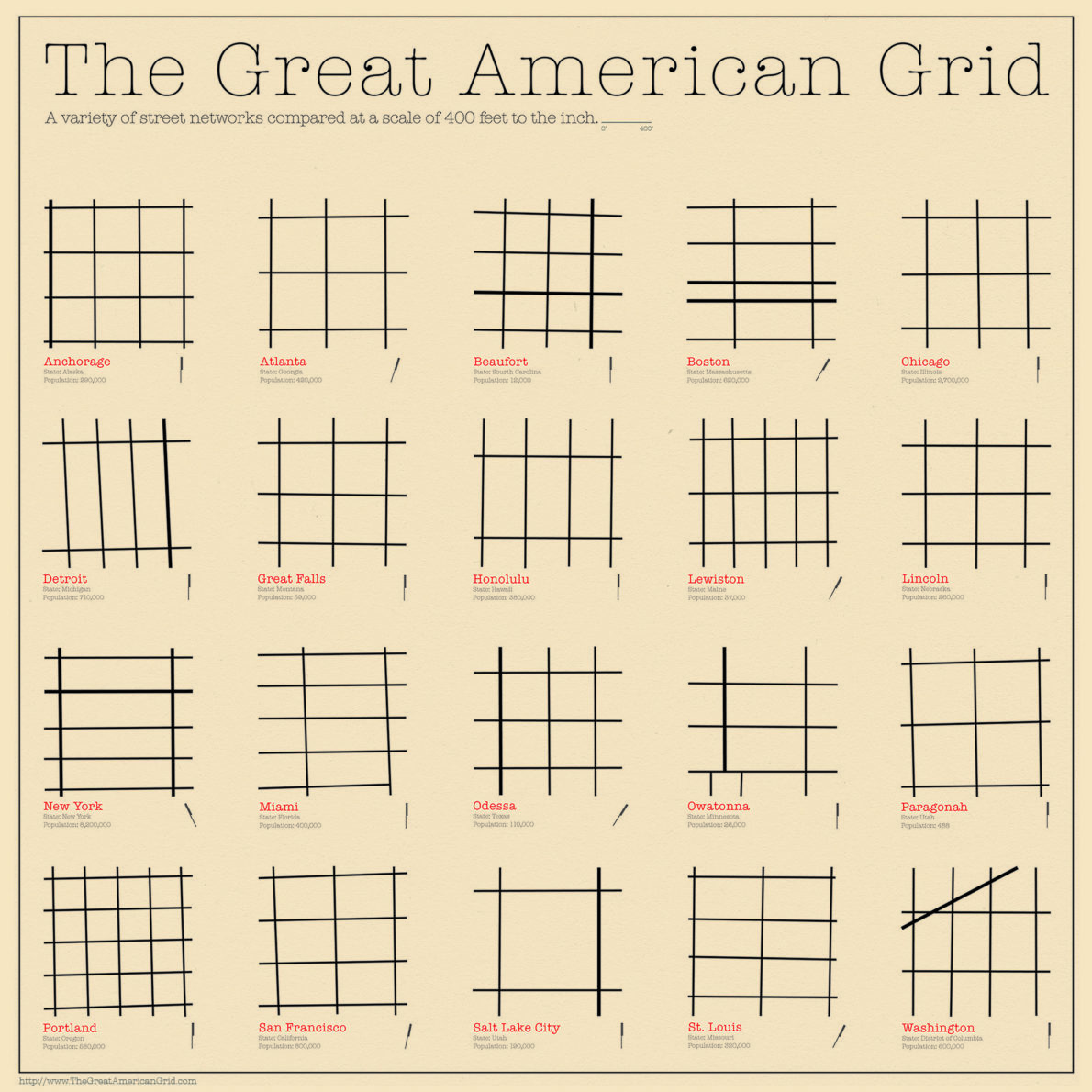
At the heart of this question lies Manhattan‘s famously organized street plan. Unlike many older cities that evolved organically, Manhattan‘s Commissioners’ Plan of 1811 laid out a grid system designed for efficiency and future growth. This plan dictated that most of the island would be crisscrossed by numbered streets running east-west and avenues running north-south. This systematic approach makes navigating the city considerably easier, once you grasp the basic principles.
The East-West Divide: Streets and Their Dimensions
When we talk about New York City blocks, we’re often referring to the segments of avenues between two cross streets. However, the question specifically asks about blocks in a mile. This requires a closer look at the dimensions of the avenues and the spacing between streets.
In Manhattan, the north-south avenues are generally wider and more widely spaced than the east-west streets. The east-west streets, particularly in the more densely developed parts of the city, are where you’ll encounter the concept of “blocks” in the way most people understand them. A typical block, in this context, is the distance between two consecutive streets.
The crucial factor in answering “how many blocks in a mile” is understanding the average width of these street blocks. While there’s some variation across the island, especially as you move north or south, a general rule of thumb has emerged over time. This rule of thumb is what helps tourists and locals alike estimate distances and plan their journeys, whether it’s a quick dash from the Empire State Building to a Broadway show or a leisurely stroll through Central Park.
The North-South Arteries: Avenues and Their Spacing
The avenues, on the other hand, are the major north-south thoroughfares. They are typically spaced further apart than the streets. For example, you might walk several blocks east or west to get from Fifth Avenue to Madison Avenue, but you’ll walk fewer blocks (i.e., fewer street numbers) to travel a comparable distance north or south along those avenues.
The grid system, while generally consistent, does have its quirks. For instance, the “numbered streets” start at 1st Street in the Lower East Side and increase as you move north. Similarly, the avenues are numbered from west to east, starting with West Street along the Hudson River and ending with the FDR Drive along the East River, with Fifth Avenue famously splitting the city into east and west sections. However, the numerical progression of avenues doesn’t follow a strict, evenly spaced pattern like the streets. This is why understanding the average distance between streets is more critical to answering our primary question.
Calculating the Blocks: The Math Behind the Mile
To answer “How Many New York City Blocks In A Mile?”, we need to consider the average width of an east-west block. This isn’t a precisely uniform measurement across the entire island, but a widely accepted average provides a practical answer.
The Standard Block: A Practical Approximation
In Manhattan, particularly in the midtown and downtown areas, the average block length (the distance between two consecutive streets) is approximately 200 to 260 feet. This can vary, with some blocks being shorter and others longer. For instance, blocks in the denser downtown neighborhoods might be a bit shorter, while those further north can be more expansive.
A mile is equivalent to 5,280 feet. If we take an average block length of, say, 240 feet, we can perform a simple calculation:
5,280 feet (in a mile) / 240 feet (per block) = 22 blocks
Therefore, a common and practical answer to “How many New York City blocks in a mile?” is around 20 to 24 blocks. This approximation is invaluable for anyone trying to gauge distances for travel, whether it’s deciding whether to walk to that enticing restaurant in the West Village or estimating the time it will take to reach your hotel from a landmark attraction.
It’s important to remember that this is an average. Some parts of Manhattan will have slightly more blocks per mile, and others slightly fewer. For example, if a block is closer to 260 feet, you’d have approximately 5280 / 260 = 20.3 blocks per mile. If a block is closer to 200 feet, you’d have 5280 / 200 = 26.4 blocks per mile. This range of 20-26 blocks per mile is a useful metric for planning your tourism experience.
Beyond the Numbers: Practical Navigation Tips
While the math provides a general understanding, practical navigation in New York City involves more than just counting blocks.
- Avenues as Anchors: The numbered avenues are your primary north-south guides. Fifth Avenue is a particularly important reference point, as it divides the city into east and west sides. Knowing whether you are on the East Side or West Side, and your nearest avenue, can quickly orient you.
- Street Numbers: The increasing street numbers as you move north are your east-west indicators. This system is incredibly helpful when trying to find a specific address or navigate to a particular neighborhood like Times Square or the Financial District.
- Landmarks as Waypoints: Utilize prominent landmarks as navigational aids. For example, if you’re heading towards the United Nations Headquarters or the Metropolitan Museum of Art, use them as reference points. Many attractions are clustered in areas, making it easier to explore multiple sites within a few blocks of each other.
- Subway System: While walking is a fantastic way to experience the city’s lifestyle and uncover hidden gems, New York City‘s extensive subway system is unparalleled for covering longer distances efficiently. Understanding the subway map, which also follows the grid system, is essential for maximizing your time. For instance, a short subway ride can save you a significant amount of walking, allowing you to experience more of what the city offers, from high-end resorts to unique local eateries.
- Variations in the Grid: Be aware that the grid isn’t perfectly uniform everywhere. Downtown Manhattan, for instance, has a more irregular street layout that predates the 1811 plan. Areas like Greenwich Village are known for their winding streets, offering a charming but less predictable navigation experience compared to the structured avenues and streets further uptown.
Experiencing New York City: A Block-by-Block Adventure
Understanding the number of blocks in a mile is more than just an academic exercise; it directly impacts how you experience New York City. It influences your travel plans, your choice of accommodation, and your ability to immerse yourself in the local culture and lifestyle.
Planning Your Exploration
Whether you’re a budget traveler looking to walk everywhere to save money or someone seeking luxury experiences, knowing that a mile translates to roughly 20-24 blocks helps you pace yourself. If your hotel is a mile away from a desired attraction, you know it’s a manageable walk, perhaps with a stop for a classic New York slice of pizza or a visit to a local bookstore. This granular understanding of distance allows for more spontaneous detours and a deeper appreciation of the city’s diverse neighborhoods.
Consider the experience of staying at a hotel near Central Park. A mile-long walk could take you from the southern edge of the park all the way through its expansive grounds, encountering various landmarks and attractions within. Conversely, if you’re staying in the Financial District, a mile walk might take you from the Charging Bull statue to the solemn grounds of the 9/11 Memorial & Museum, passing by impressive architecture and historical sites.
Accommodation and Lifestyle Choices
The distance between your chosen accommodation and the attractions you wish to visit is a significant factor. If you’ve booked a suite at the Four Seasons Hotel in Midtown, understanding block distances helps you decide if a walk to Rockefeller Center is feasible or if you’d prefer to hop on the subway. For those opting for long-term stays or apartment rentals, this knowledge is crucial for daily commuting and exploring local amenities like grocery stores and parks.
The lifestyle of New York City is best experienced on foot. Every block offers a new vista, a different aroma from a street vendor, or a unique storefront. Knowing that 20-24 blocks constitute a mile allows you to mentally map out your explorations, whether you’re looking for family-friendly activities, high-end shopping on Fifth Avenue, or seeking out authentic culinary experiences. The sheer density of New York City means that even a short walk can be incredibly rich with discoveries, from stumbling upon a hidden garden to witnessing street performers showcasing their talents.

Embracing the Urban Fabric
The grid system, and by extension the concept of blocks in a mile, is fundamental to the urban fabric of New York City. It shapes the rhythm of daily life, influences real estate values, and provides a predictable framework for both residents and the millions of tourists who visit each year. When you understand that a mile is roughly 20-24 blocks, you gain a tangible sense of the city’s scale. This allows you to better appreciate the convenience of its public transportation, the walkability of its neighborhoods, and the sheer efficiency with which it operates.
Whether you are researching hotels, planning your itinerary of landmarks, or simply trying to get a feel for the city’s tourism potential, the question of “How Many New York City Blocks In A Mile?” is a gateway to a more informed and enjoyable visit. It’s a reminder that beneath the dazzling lights and towering skyscrapers lies a meticulously planned city, waiting to be explored one block at a time.
LifeOutOfTheBox is a participant in the Amazon Services LLC Associates Program, an affiliate advertising program designed to provide a means for sites to earn advertising fees by advertising and linking to Amazon.com. Amazon, the Amazon logo, AmazonSupply, and the AmazonSupply logo are trademarks of Amazon.com, Inc. or its affiliates. As an Amazon Associate we earn affiliate commissions from qualifying purchases.