
While the initial question might seem to point towards industrial or technical subjects, understanding the presence and impact of nuclear power plants in a region like Florida can offer a unique lens through which to view the state’s energy landscape, its economic development, and even its approach to sustainable tourism and large-scale infrastructure that underpins the visitor experience. This exploration delves into the nuclear power facilities that operate within the Sunshine State, examining their significance beyond mere energy production and considering how such substantial installations might indirectly influence the broader context of Florida as a destination and a place of residence.
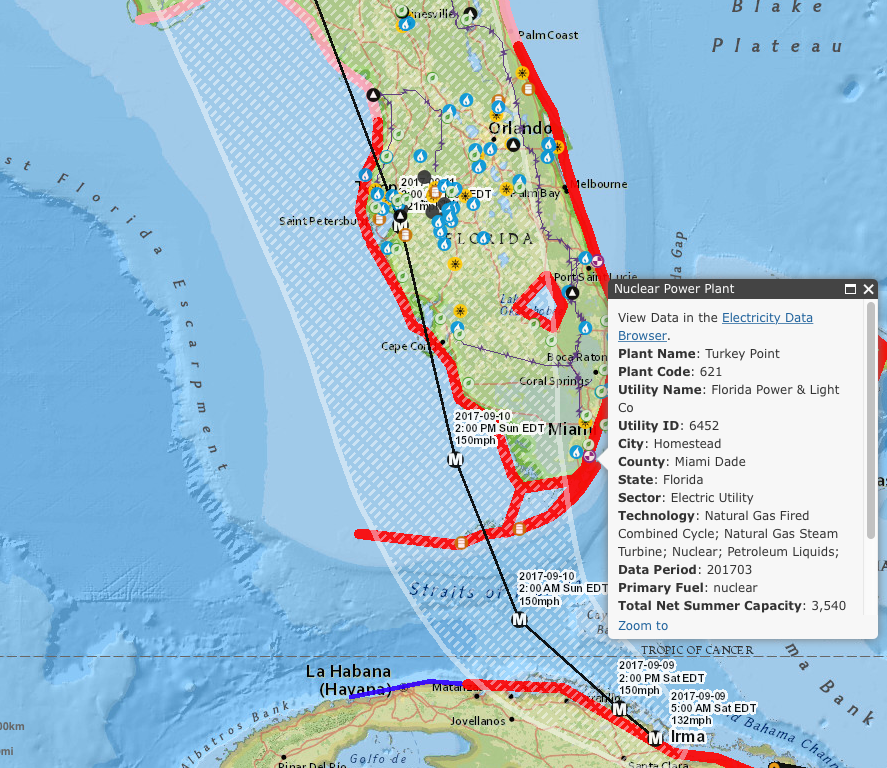
The Nuclear Footprint in the Sunshine State
Florida has historically been a participant in the United States’ nuclear energy program, with its power plants contributing to the national grid and supporting the substantial energy demands of its growing population and vibrant economy. Understanding the number and operational status of these facilities is crucial for appreciating the complex energy mosaic that fuels everything from the glittering theme parks of Orlando to the pristine beaches of the Florida Keys. These are not just industrial sites; they are significant pieces of infrastructure that have shaped local communities and the state’s energy policy for decades.
Current Operational Status
As of recent assessments, Florida hosts a specific number of operational nuclear power plants. These facilities represent a substantial investment in generating electricity with a low carbon footprint, a factor increasingly relevant in global discussions about climate change and sustainable energy practices. The operational status of these plants is subject to regulatory oversight and periodic reviews, ensuring safety and efficiency.
-
Turkey Point Nuclear Generating Station: Located in Miami-Dade County, near Florida City, this facility is one of the state’s prominent nuclear power sites. It features multiple reactor units and plays a significant role in supplying electricity to South Florida. The proximity of Turkey Point to densely populated areas and sensitive ecosystems underscores the stringent safety protocols and environmental monitoring that govern its operations. Its presence is a testament to the state’s long-term commitment to diverse energy sources.
-
St. Lucie Nuclear Power Plant: Situated on the Atlantic coast in St. Lucie County, this plant is another key contributor to Florida’s energy supply. It also comprises multiple reactor units, each designed with advanced safety features. The coastal location of St. Lucie is typical for nuclear power plants, often chosen for access to cooling water, but also necessitating careful consideration of hurricane preparedness and coastal resilience.
Historical Context and Development
The journey of nuclear power in Florida mirrors the broader evolution of the industry in the United States. Early decisions to invest in nuclear energy were driven by a desire for energy independence and the promise of abundant, reliable power. The development of these plants involved significant engineering feats and long-term planning, often in collaboration with federal agencies and private utility companies.
-
Early Investments: The establishment of Florida’s nuclear power infrastructure began in the mid-20th century. These initial projects were ambitious undertakings, requiring extensive land acquisition, specialized construction, and the training of a skilled workforce. The economic impact on the surrounding communities during the construction phase was considerable, creating jobs and fostering local development.
-
Technological Advancements: Over the decades, the reactor designs and safety systems at these plants have been upgraded to incorporate the latest technological advancements and regulatory requirements. This continuous improvement ensures that Florida’s nuclear facilities remain at the forefront of safety and operational efficiency. Such advancements are critical for maintaining public trust and ensuring the long-term viability of nuclear power as a sustainable energy option.
The Indirect Influence on Tourism and Infrastructure
While nuclear power plants are not tourist attractions in the conventional sense, their presence has an undeniable, albeit indirect, influence on Florida’s tourism and broader infrastructure. The consistent and reliable energy supply they provide is fundamental to the functioning of the state’s vast tourism industry. Without a robust and stable power grid, the elaborate light shows at theme parks, the climate control in luxury resorts, and the operation of transportation networks would be impossible.
Energy Security and Economic Stability
The substantial baseload power generated by nuclear facilities contributes significantly to Florida’s energy security. This stability is paramount for businesses, including those in the hospitality and entertainment sectors, which are heavily reliant on uninterrupted electricity. The economic stability fostered by a secure energy supply indirectly supports the financial health of the tourism industry, allowing for continued investment in attractions and services.
- Supporting Large-Scale Attractions: The sheer energy demands of attractions like Walt Disney World Resort and Universal Orlando Resort necessitate a powerful and dependable energy infrastructure. Nuclear power, with its high capacity factor, is a crucial component in meeting these demands, ensuring that the magic and wonder experienced by millions of visitors are never dimmed by power outages.
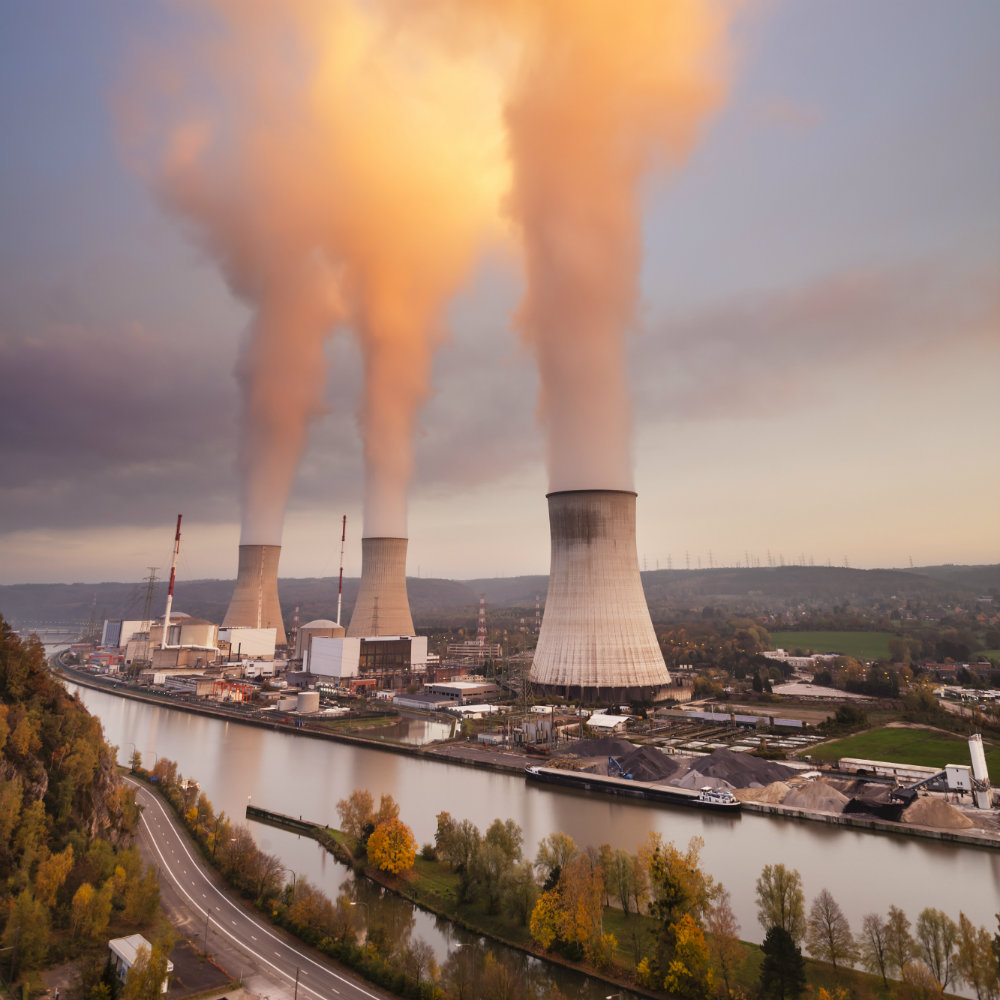
- Foundation for Growth: The availability of affordable and reliable energy has been a cornerstone of Florida’s rapid population growth and economic expansion. This, in turn, has fueled the tourism sector, creating a virtuous cycle where energy infrastructure supports economic development, which in turn drives demand for tourism-related services and amenities.
Environmental Considerations and Public Perception
The environmental profile of nuclear power, particularly its low greenhouse gas emissions, positions it as a potentially important element in Florida’s strategy to address climate change. While discussions about nuclear energy often involve complex debates on waste disposal and safety, its contribution to a cleaner energy mix is a significant factor when considering the state’s environmental goals. This focus on sustainability, even through industrial means, can indirectly resonate with a growing segment of environmentally conscious travelers and residents.
-
Low-Carbon Energy: In an era where sustainability is a key consideration for many travelers and businesses, Florida’s reliance on nuclear power for a portion of its energy needs can be viewed positively. It represents a commitment to reducing carbon emissions compared to fossil fuel alternatives, contributing to cleaner air and a healthier environment, which are intrinsically linked to the appeal of destinations like Florida.
-
Safety and Regulation: The stringent safety regulations governing nuclear power plants in the United States are designed to ensure public safety and environmental protection. These regulations are constantly evolving, incorporating lessons learned from domestic and international experiences. For residents and visitors alike, the robust oversight of these facilities is a critical factor in maintaining confidence in the energy infrastructure that powers their lives and experiences in Florida.
The Operational Landscape
Delving deeper into the operational aspects provides a clearer picture of how these facilities are managed and maintained. The commitment to safety, efficiency, and regulatory compliance is at the forefront of every nuclear power plant’s mission. This operational rigor is what ensures their continued contribution to Florida’s energy needs.
Regulatory Oversight and Safety Protocols
Nuclear power plants are among the most heavily regulated industrial facilities globally. In the United States, the Nuclear Regulatory Commission (NRC) provides comprehensive oversight, setting and enforcing standards for safety, security, and environmental protection. This robust regulatory framework ensures that plants operate within strict guidelines.
-
Licensing and Inspections: The NRC licenses all nuclear power plants and conducts rigorous inspections to ensure compliance with safety regulations. These inspections cover all aspects of plant operation, from fuel handling and reactor maintenance to emergency preparedness and security measures.
-
Emergency Preparedness: Comprehensive emergency preparedness plans are a critical component of nuclear power plant operations. These plans are developed in coordination with federal, state, and local agencies to ensure a swift and effective response in the unlikely event of an incident. Regular drills and exercises are conducted to test the effectiveness of these plans.
Workforce and Expertise
Operating and maintaining nuclear power plants requires a highly skilled and specialized workforce. Florida’s nuclear facilities employ engineers, technicians, security personnel, and a range of support staff who undergo extensive training and adhere to strict protocols. The presence of these highly specialized jobs contributes to the local economies surrounding the plants.
-
Training and Development: Continuous training and professional development are essential for personnel working at nuclear power plants. This ensures that they are up-to-date with the latest technologies, safety procedures, and regulatory requirements.
-
Community Impact: The employment opportunities provided by these facilities have a significant impact on the local communities, offering stable, well-paying jobs and contributing to the economic vitality of the regions in which they are located.

Conclusion: A Key Component of [Florida]’s Energy Foundation
In answering the question of how many nuclear power plants are in Florida, the focus shifts from a simple headcount to an appreciation of the complex role these facilities play. With two primary sites, Turkey Point Nuclear Generating Station and St. Lucie Nuclear Power Plant, Florida maintains a significant nuclear energy presence. These plants are not just power generators; they are pillars of the state’s energy infrastructure, contributing to its economic stability, supporting its massive tourism industry, and playing a role in its environmental objectives. The rigorous safety standards, continuous technological advancements, and the highly skilled workforce that underpins their operation highlight the sophistication and importance of nuclear energy in the Sunshine State. While they may not be on the typical tourist’s itinerary, their silent, powerful contribution is felt throughout the state, enabling the vibrant life and experiences that Florida is renowned for.
LifeOutOfTheBox is a participant in the Amazon Services LLC Associates Program, an affiliate advertising program designed to provide a means for sites to earn advertising fees by advertising and linking to Amazon.com. Amazon, the Amazon logo, AmazonSupply, and the AmazonSupply logo are trademarks of Amazon.com, Inc. or its affiliates. As an Amazon Associate we earn affiliate commissions from qualifying purchases.