
Alabama, a state steeped in rich history, vibrant culture, and breathtaking natural beauty, beckons travelers with its diverse offerings. From the rolling foothills of the Appalachian Mountains to the sun-drenched shores of the Gulf Coast, the Yellowhammer State presents a captivating tapestry of experiences. But beyond the scenic vistas and historical landmarks, a fundamental question often arises for those planning a visit or curious about its populace: How many people are in Alabama? This query, while seemingly straightforward, opens a gateway to understanding the state’s demographics, its population distribution, and how these factors influence the travel and tourism landscape.
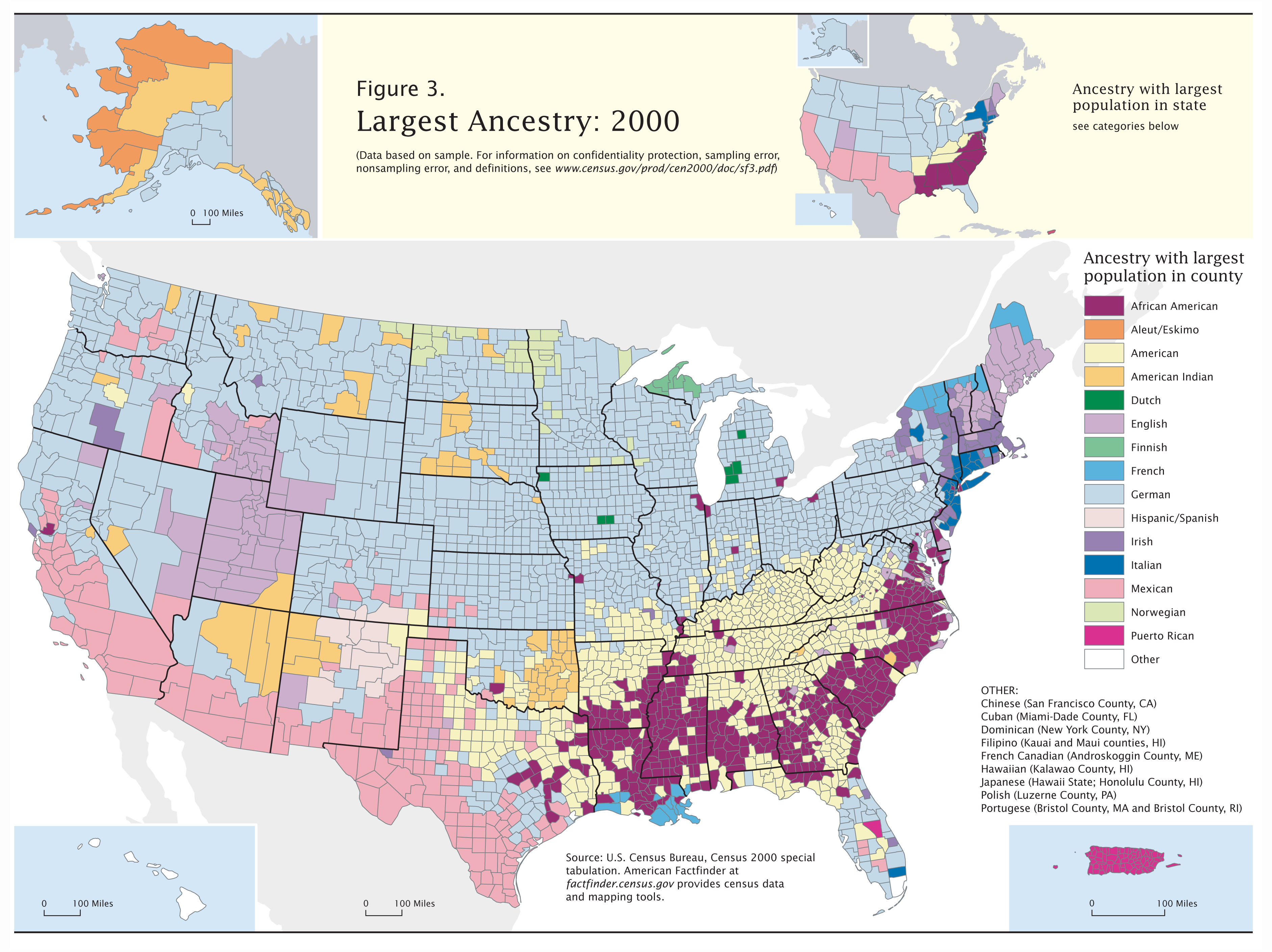
The most recent estimates from the U.S. Census Bureau place the population of Alabama at around 5.1 million residents. This figure, while static on paper, is a dynamic reflection of migration, birth rates, and the overall economic and social currents shaping the state. Understanding this population count is crucial for grasping the scale of the state’s communities, the density of its attractions, and the potential for authentic local experiences.
Understanding Alabama’s Population Landscape
The approximately 5.1 million people who call Alabama home are not uniformly distributed across its 67 counties. Like many states, Alabama experiences population concentrations in its urban centers and along its coastal regions, while other areas maintain a more rural character. This demographic patchwork directly impacts the types of accommodations available, the bustling nature of its tourist hubs, and the accessibility of its more secluded natural wonders.
Major Metropolitan Hubs and Their Influence
Three primary metropolitan areas serve as the demographic anchors of Alabama: Birmingham, Montgomery, and Mobile.
Birmingham: The Economic Heartbeat
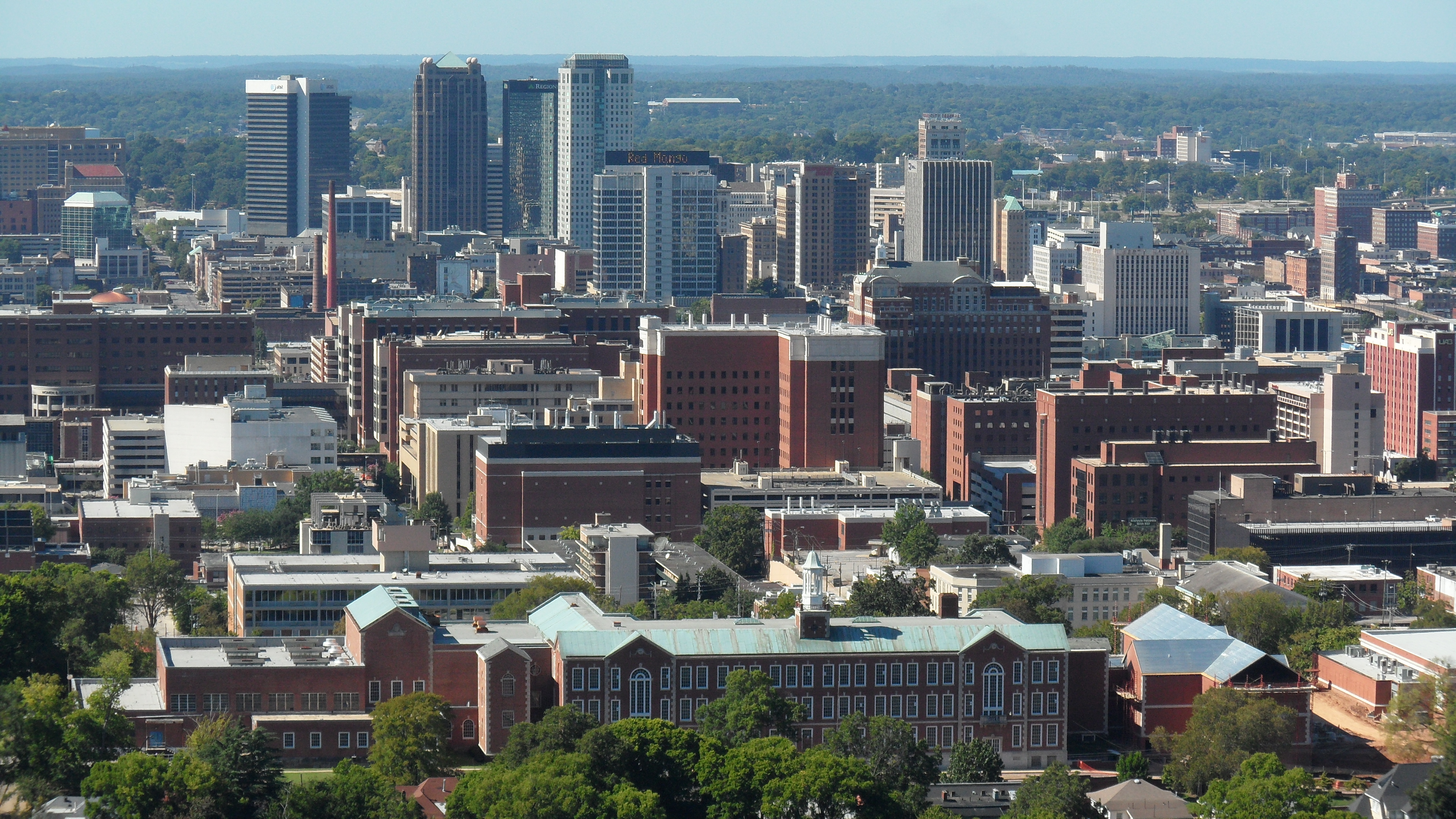
Birmingham, the state’s most populous city, is a testament to its industrial past and its present-day economic prowess. Home to over 1.4 million residents in its greater metropolitan area, Birmingham is a hub of activity. For travelers, this translates into a wealth of accommodation options, from luxurious hotels and boutique inns to serviced apartments suitable for extended stays. The city’s vibrant downtown district boasts a thriving culinary scene, a burgeoning arts community, and significant historical landmarks like the Birmingham Civil Rights Institute, offering deep dives into the state’s pivotal role in the Civil Rights Movement. The availability of diverse hotels and a wide array of restaurants and cultural attractions in Birmingham is directly influenced by its substantial population base.
Montgomery: The Cradle of the Confederacy and Civil Rights
Montgomery, the state capital, is a city where history resonates profoundly. With a metropolitan population exceeding 370,000, it draws visitors interested in its significant contributions to both the Confederacy and the Civil Rights Movement. Montgomery offers a range of hotels, from established chains to charming bed and breakfasts, catering to history buffs and those seeking a glimpse into the political heart of Alabama. Key attractions include the Edmund Pettus Bridge, a powerful symbol of the Selma to Montgomery marches, and the Dexter Avenue King Memorial Baptist Church, where Dr. Martin Luther King Jr. once served as pastor. The population of Montgomery supports a tourism infrastructure that prioritizes historical immersion and educational experiences.
Mobile: The Port City’s Southern Charm
On the Gulf Coast, Mobile presents a distinct flavor of Southern charm and a rich maritime heritage. Its metropolitan area is home to over 400,000 people, making it a significant economic and cultural center. Mobile is a prime destination for those seeking coastal getaways, with a variety of resorts, hotels, and vacation rentals lining its waterfront and historic districts. The city is famous for its annual Mardi Gras celebrations, a testament to its unique cultural tapestry. Landmarks such as the USS Alabama Battleship Memorial Park and the historic Oakleigh Historic District offer visitors a blend of military history and antebellum architecture. The population density in the Mobile area supports a robust tourism industry focused on coastal recreation, cultural festivals, and historical exploration.
The Importance of Population in Tourism and Travel
The number of people residing in Alabama and its major cities is intrinsically linked to the state’s tourism and travel sector. A larger population base typically signifies a more developed infrastructure, a wider array of services, and a greater demand for leisure activities, all of which benefit visitors.
Accommodation Choices: From Luxury Resorts to Budget Stays
The sheer number of people in Alabama directly correlates with the diversity and availability of accommodation. In cities like Birmingham and Mobile, visitors can choose from world-class hotels, including brands like the Grand Bohemian Hotel Mountain Brook or The Battle House Renaissance Mobile Hotel & Spa, offering luxurious amenities and prime locations. For those seeking a more secluded experience, the coastal areas boast numerous resorts and villas, perfect for family trips or romantic getaways. Further inland, charming bed and breakfasts and budget-friendly motels cater to travelers on all financial plans. The competition among these establishments, fueled by the demand from both residents and tourists, ensures a wide spectrum of choices and pricing. Long-term stay apartments are also readily available in urban centers, catering to business travelers or those relocating.
Experiencing Local Culture and Cuisine
A significant local population fosters a vibrant cultural scene and a diverse culinary landscape. Alabama‘s residents contribute to a rich tapestry of traditions, from the blues music that echoes through its cities to the unique Southern cuisine that defines its gastronomic identity. Travelers can immerse themselves in this culture by exploring local markets, attending community festivals, and dining at restaurants that showcase regional specialties. The presence of 5.1 million people means that these cultural expressions are not merely preserved for tourists but are living, breathing aspects of everyday life. This allows visitors to experience the authentic Alabama, rather than a curated version. For instance, exploring the culinary delights of Birmingham or experiencing the unique Creole influences in Mobile are experiences enriched by the local populace.
Navigating Attractions and Activities
The population of Alabama also influences the accessibility and scale of its attractions. While popular landmarks like the U.S. Space & Rocket Center in Huntsville or the natural beauty of Cheaha State Park attract visitors from far and wide, the local population ensures that these sites are well-maintained and offer a comprehensive visitor experience. In larger cities, the density of attractions, including museums, art galleries, and entertainment venues, is a direct result of a sizable community supporting these establishments. Conversely, in more rural areas, a smaller population might mean fewer commercialized attractions but an abundance of natural beauty and opportunities for outdoor adventures like hiking and fishing in places like the Bankhead National Forest.
Beyond the Numbers: The Spirit of Alabama
While the precise population figure of Alabama provides a statistical foundation, it is the spirit and diversity of its people that truly define the state. The approximately 5.1 million residents are a blend of long-time families, new arrivals, and individuals drawn to Alabama for its economic opportunities, its historical significance, and its undeniable charm. This human element is what transforms a travel destination into an unforgettable experience.
Whether you are drawn to Alabama for its historical sites like the Civil Rights Memorial Center in Montgomery, its natural wonders such as Gulf State Park, or its burgeoning urban attractions, understanding the demographic context enriches your journey. The scale of its cities, the distribution of its communities, and the sheer number of people who call this state home all contribute to the vibrant and multifaceted travel experience that Alabama offers. It is a state where history, culture, and natural beauty converge, all powered by the energy and spirit of its diverse population.
LifeOutOfTheBox is a participant in the Amazon Services LLC Associates Program, an affiliate advertising program designed to provide a means for sites to earn advertising fees by advertising and linking to Amazon.com. Amazon, the Amazon logo, AmazonSupply, and the AmazonSupply logo are trademarks of Amazon.com, Inc. or its affiliates. As an Amazon Associate we earn affiliate commissions from qualifying purchases.