
Understanding the population of Louisiana is about more than just reciting a census figure; it is about grasping the density of culture, history, and vibrant traditions that 4.6 million residents bring to the United States. While the raw data provides a snapshot of the state’s size, the true essence of Louisiana lies in how its diverse population is distributed across its historic cities, lush bayous, and coastal stretches. For the traveler, these numbers translate into a rich tapestry of human interaction, from the bustling crowds of New Orleans during festival season to the tight-knit communities of Acadiana. This guide explores the population dynamics of the Pelican State through the lens of tourism, local culture, and the unique activities that define this Southern gem.
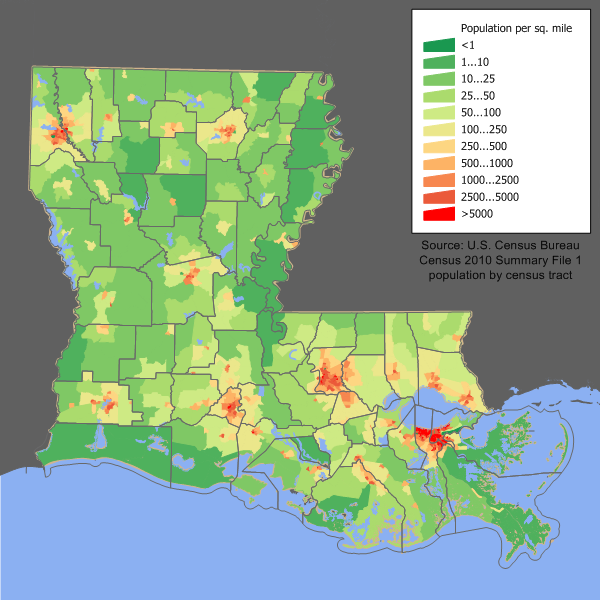
The Geographic Distribution of Louisiana’s Population
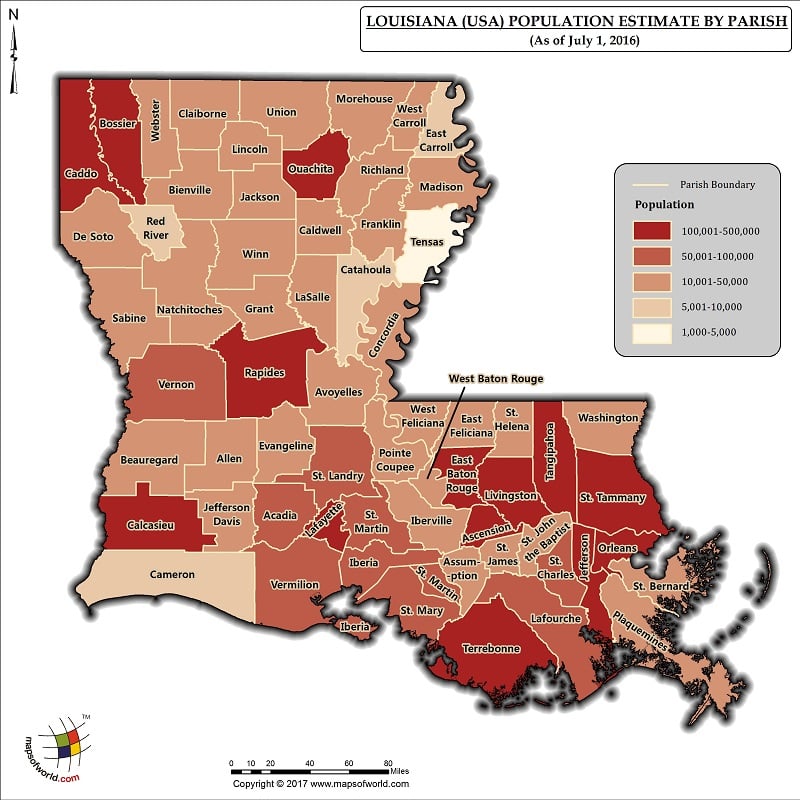
To understand where the people are, one must look at the major metropolitan hubs that serve as the heartbeat of the state. Louisiana is a land of contrasts, where urban density meets the sprawling wilderness of the Gulf of Mexico coastline.
The Urban Magnetism of New Orleans and Baton Rouge
The largest concentration of residents is found in the Greater New Orleans area and the capital city, Baton Rouge. New Orleans remains the cultural epicenter of the state. Its population is a melting pot of African, French, Spanish, and Caribbean lineages. For tourists, this means that every street corner in the French Quarter or the Garden District is saturated with a sense of lived-in history.
Just up the Mississippi River, Baton Rouge offers a different demographic vibe. As the home of Louisiana State University, the city sees a massive influx of students and young professionals. The population here is deeply tied to state politics and academia, which reflects in the city’s sophisticated dining scene and the high-energy atmosphere surrounding Tiger Stadium on game days. Together, these two cities house a significant portion of the state’s residents, acting as the primary gateways for visitors.
The Cajun Heart of Lafayette and Lake Charles
Moving westward, the population shifts toward the Cajun influence of Lafayette and Lake Charles. This region, often referred to as Acadiana, is where the descendants of Acadian exiles from Canada settled. The population here is smaller than the eastern hubs but incredibly distinct. In Lafayette, the community is centered around preserving the French language and traditional music.
Visitors to Lake Charles will find a growing population driven by the gaming and petrochemical industries, but the local culture remains rooted in outdoor recreation and festive community gatherings. These mid-sized cities provide a more intimate look at Louisiana life, where the locals are often the ones guiding you to the best secret fishing spots or the most authentic Boudin stands.
North Louisiana: Shreveport and Monroe
In the northern part of the state, the population takes on a character more aligned with the American South. Shreveport and Monroe are the primary population centers here. The people of North Louisiana offer a blend of Texas hospitality and Mississippi charm. This region is characterized by rolling hills and pine forests, a stark contrast to the wetlands of the south. The tourism experience here is driven by riverboat casinos, historic trails, and a burgeoning arts community in Bossier City.
Cultural Diversity: Who Are the People of Louisiana?
The question of “how many people” is quickly followed by “who are they?” Louisiana boasts one of the most complex demographic profiles in North America. The state’s history as a territory of both France and Spain before the Louisiana Purchase has left an indelible mark on its citizenry.
The Creole and Cajun Distinction
To the outsider, Creole and Cajun might seem interchangeable, but to the locals, they represent distinct ancestral paths. The Creole population traditionally refers to those born in the colony with mixed European, African, and Native American heritage. This group heavily influenced the sophisticated urban culture of New Orleans, contributing to its world-famous architecture, jazz music, and haute cuisine.
The Cajun population, on the other hand, consists of the descendants of French settlers from Nova Scotia. Their culture is more rural and centered around the prairies and bayous of Southwest Louisiana. When you visit a “Fais do-do” (a traditional dance party) in Lafayette, you are experiencing the living history of this resilient population. Their warmth and “joie de vivre” (joy of living) are the primary reasons many tourists find themselves returning to the state year after year.
The Influence of the African Diaspora
A massive part of Louisiana’s population—and its cultural identity—comes from the African diaspora. Enslaved people brought from West Africa and Haiti brought with them agricultural techniques, musical rhythms, and spiritual practices that are still visible today. From the Brass Bands that lead second-line parades to the Voodoo shops in the French Quarter, the influence of this demographic is foundational. For the culturally curious traveler, exploring sites like Congo Square or the various heritage museums is essential to understanding the people who built the state’s modern identity.
Festivals: When the Population Doubles
One of the most interesting aspects of Louisiana’s population is how it fluctuates based on the calendar. The state is famous for its “Festival Season,” a period where the local population is joined by millions of visitors from across the globe.
Mardi Gras: The Ultimate Community Celebration
During Mardi Gras, the population of New Orleans effectively doubles. This is not just a party for tourists; it is a deeply communal event where families spend months preparing costumes and floats. The “Krewes,” which are social organizations that host the parades, represent different segments of the local population. Whether it is the Rex organization or the Zulu Social Aid & Pleasure Club, these groups showcase the social fabric of the city. To experience Mardi Gras is to see the people of Louisiana at their most creative and welcoming.
Specialized Cultural Gatherings
Beyond the famous carnival, the state’s population organizes around specific heritage festivals. The New Orleans Jazz & Heritage Festival (often called Jazz Fest) celebrates the musical diversity of the region. Meanwhile, in Abbeville, the Giant Omelette Celebration honors the French connection, and in Breaux Bridge, the Crawfish Festival draws thousands to celebrate the state’s favorite crustacean. These events are the best way for a visitor to interact with the local population in an environment of shared joy.
Culinary Tourism: Feeding Four Million Souls
The population of Louisiana is perhaps best understood through its food. In this state, cooking is a communal act, and recipes are passed down through generations. The sheer variety of local dishes reflects the diverse origins of the people.
Creole vs. Cajun Cuisine
Understanding the difference between Creole and Cajun food is a rite of passage for any visitor. Creole cooking, often called “city food,” uses more butter and cream and frequently incorporates tomatoes. It is the food of the New Orleans aristocracy. Iconic dishes like Oysters Rockefeller and Bananas Foster emerged from this affluent demographic.
Cajun cuisine is “country food,” characterized by the use of “the holy trinity”—onions, celery, and bell peppers—cooked in a dark roux. It is hearty, spicy, and designed to feed large families. Jambalaya, Gumbo, and Etouffee are staples that speak to a population that lived off the land and water. For the tourist, embarking on a food tour through the Bywater or a trip to a local boucherie is the most direct way to “meet” the culture.
The Seafood Industry and Local Livelihoods
A significant portion of the population along the Gulf Coast depends on the seafood industry. From the shrimpers in Houma to the oyster harvesters in St. Bernard Parish, the people’s livelihoods are tied to the health of the Mississippi River Delta. This demographic provides the fresh ingredients that make Louisiana a world-class culinary destination. Tips for tourists often include visiting local docks or attending “Boil” events, where you can see firsthand the labor and love that goes into every plate of seafood.
Practical Tips for Engaging with Louisiana’s People
To get the most out of your visit to a state with 4.6 million people, it helps to know how to navigate the social and geographic landscape.
Embracing the Local Vibe
Louisianans are known for being incredibly friendly. It is common for strangers to strike up a conversation in a grocery line or at a bar. As a tourist, the best tip is to be open to these interactions. Whether you are exploring Jackson Square or visiting the St. Louis Cathedral, don’t be afraid to ask locals for their recommendations. Often, the best experiences—like a hidden jazz club on Frenchmen Street—are found through word-of-mouth rather than a guidebook.
Navigating Beyond the Tourist Traps
While Bourbon Street is a must-see for its historical value and nightlife, the real population lives and plays elsewhere. To see the “real” Louisiana, consider visiting spots like Mid-City in New Orleans or taking a swamp tour in the Atchafalaya Basin. In Lafayette, check out Vermilionville, a living history museum that showcases how the early population lived. By moving away from the primary tourist zones, you get a more authentic sense of the state’s density and its people’s daily lives.
Respecting the Environment and History
The population of Louisiana is currently facing challenges related to coastal erosion and hurricane recovery. When visiting, it is helpful to be a “conscious tourist.” Support local businesses, respect historic sites, and learn about the efforts being made to preserve the Louisiana Coast. The people here are proud of their resilience, and showing an interest in their history and future goes a long way in building a meaningful connection.
In conclusion, while the question “how many people are in Louisiana?” can be answered with a simple number, the reality is far more vibrant. The 4.6 million residents are the creators of the music, the keepers of the recipes, and the hosts of the festivals that make the state a premier global destination. From the urban energy of Metairie and Kenner to the quiet beauty of the northern piney woods, the people are what make Louisiana an unforgettable place to visit.
LifeOutOfTheBox is a participant in the Amazon Services LLC Associates Program, an affiliate advertising program designed to provide a means for sites to earn advertising fees by advertising and linking to Amazon.com. Amazon, the Amazon logo, AmazonSupply, and the AmazonSupply logo are trademarks of Amazon.com, Inc. or its affiliates. As an Amazon Associate we earn affiliate commissions from qualifying purchases.