
The question “How Many People Are In Miami, Florida?” is deceptively simple, yet its answer reveals a complex and dynamic urban tapestry. While a single, static number might satisfy a quick query, understanding the population of Miami requires delving into various definitions and data points, from the official city limits to the sprawling metropolitan area that defines South Florida’s vibrant character. This exploration goes beyond mere census figures, touching upon the economic drivers, cultural influences, and the very essence of what makes Miami such a sought-after destination for residents and visitors alike.

Defining “Miami”: City vs. Metro
The core of understanding Miami’s population lies in distinguishing between the City of Miami proper and the broader Miami metropolitan area. This distinction is crucial for anyone planning a visit, considering a move, or simply trying to grasp the scale of this influential urban center.
The City of Miami
The U.S. Census Bureau provides the most authoritative figures for the City of Miami. As of recent estimates, the population within the official city limits hovers around 450,000 to 500,000 residents. This number represents the people who live within the geographically defined boundaries of Miami, encompassing neighborhoods like Brickell, Little Havana, and Coconut Grove. These figures, typically updated annually with estimates and more rigorously every ten years through the decennial census, paint a picture of a densely populated, cosmopolitan core.
It’s important to note that these figures are subject to change and represent a snapshot in time. Factors such as migration patterns, economic opportunities, and the cost of living all contribute to fluctuations in population. The City of Miami is a dynamic entity, constantly evolving and attracting new residents.
The Miami-Fort Lauderdale-West Palm Beach Metropolitan Statistical Area (MSA)
When most people think of “Miami,” they are often envisioning a much larger region. The Miami-Fort Lauderdale-West Palm Beach Metropolitan Statistical Area (MSA) is a sprawling conurbation that stretches across several counties in South Florida. This MSA is one of the most populous in the United States, with a population that significantly eclipses that of the city itself.
The population of the Miami MSA is well over 6 million residents. This vast area includes major urban centers like Fort Lauderdale, West Palm Beach, Hialeah, Pembroke Pines, and Hollywood. The interconnectedness of these communities, through transportation networks, economic ties, and shared cultural influences, makes the MSA a more representative picture of the human scale of this region. For visitors, understanding the MSA is key to comprehending the breadth of experiences available, from the beaches of Miami Beach to the cultural hubs further north.
Population Dynamics and Demographics
Beyond the raw numbers, the population of Miami is characterized by its rich diversity and ongoing demographic shifts. This vibrant mix of cultures and backgrounds is a defining feature of the city and its surrounding areas, influencing everything from its culinary scene to its political landscape.
A Global Crossroads
Miami has long been a gateway between the United States and Latin America, and its population reflects this unique position. A significant portion of the residents are of Hispanic or Latino origin, with strong ties to countries such as Cuba, Colombia, Venezuela, and Puerto Rico. This influx of diverse communities has shaped Miami into a city where Spanish is widely spoken, and cultural traditions from across the Americas are celebrated.
This demographic reality extends to its economic and social fabric. Businesses often cater to a bilingual or multilingual clientele, and cultural events frequently showcase the rich tapestry of Latin American arts, music, and cuisine. For travelers, this translates into an immersive experience that goes beyond typical tourist attractions, offering a genuine glimpse into a vibrant, multicultural society.
Age and Growth Trends
Miami tends to have a relatively young population compared to many other major U.S. cities. The influx of young professionals, students, and families seeking economic opportunities and a desirable lifestyle contributes to this trend. This youthful demographic energizes the city, fueling its nightlife, cultural innovation, and burgeoning industries.
While the City of Miami itself sees consistent growth, the surrounding suburban areas within the MSA often experience even more rapid expansion. This suburban growth is driven by factors such as the availability of housing, family-friendly amenities, and the continued development of commercial centers outside the immediate downtown core. The overall MSA population continues to climb, underscoring Miami’s enduring appeal as a place to live, work, and thrive.
Factors Influencing Population
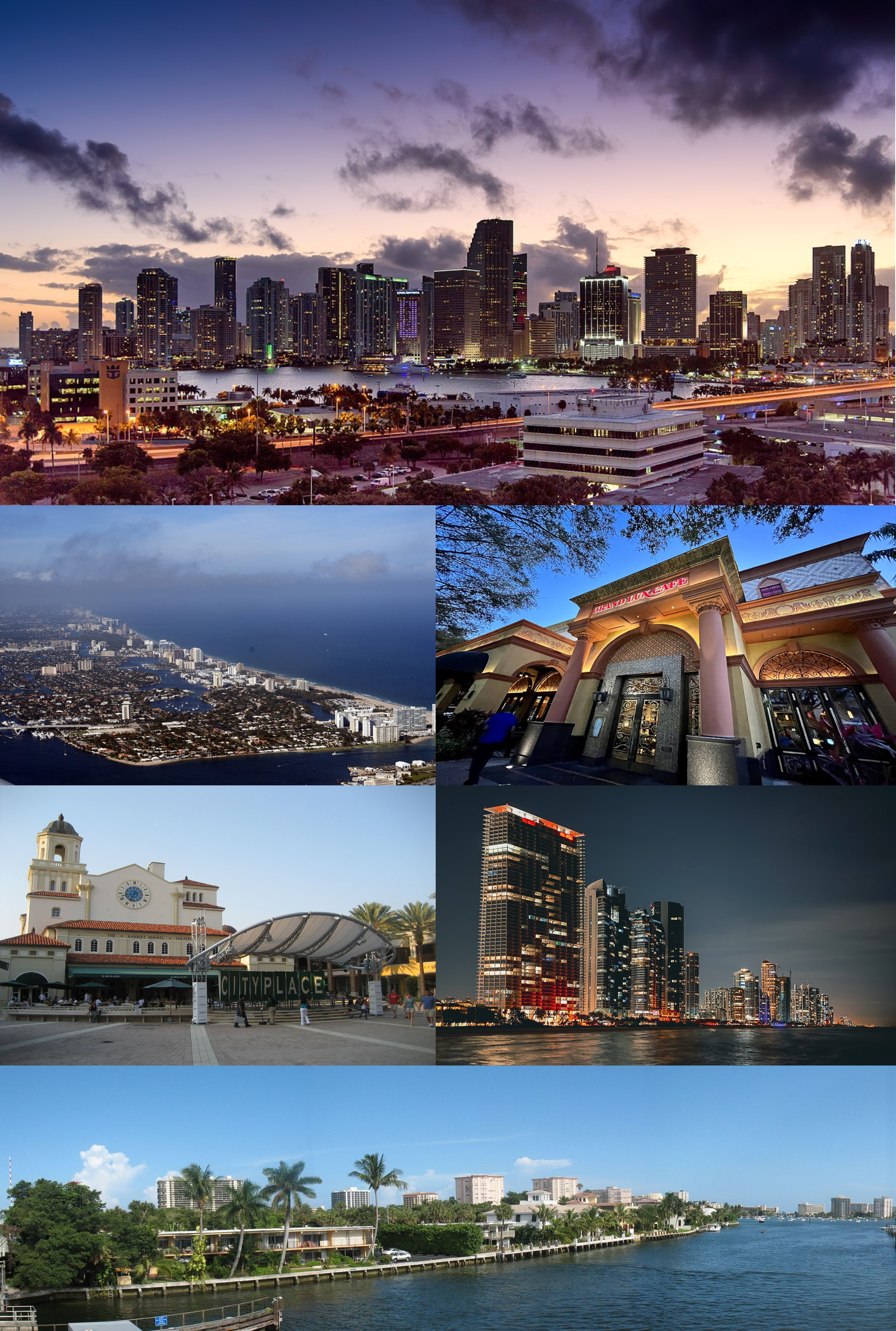
Several key factors contribute to the population size and growth of Miami and its surrounding metropolitan area. These elements are not only drivers of population but also shape the experience of living in and visiting this dynamic region.
Economic Opportunities
Miami boasts a robust and diversified economy, acting as a significant draw for both domestic and international migrants. Key industries include finance, healthcare, international trade, tourism, and technology. The presence of major financial institutions in areas like Brickell, the thriving healthcare sector, and the city’s role as a hub for trade with Latin America create numerous employment opportunities.
The burgeoning tech scene, often referred to as the “Silicon Beach” of the East Coast, is also attracting a new wave of talent and contributing to population growth. These economic engines provide the foundation for a growing population, as individuals and families relocate to pursue careers and build prosperous lives.
Quality of Life and Lifestyle
The allure of Miami extends far beyond its economic prospects. The city and its surrounding areas offer an enviable quality of life, characterized by a warm climate, beautiful beaches, a vibrant arts and culture scene, and a plethora of recreational activities. The iconic South Beach with its Art Deco architecture and lively atmosphere, the natural beauty of the Everglades National Park, and the upscale shopping and dining found in areas like Bal Harbour all contribute to its desirability.
For many, the unique blend of urban amenities and tropical paradise is an irresistible combination. This aspirational lifestyle attracts not only new residents but also a constant stream of tourists seeking to experience the Miami way of life. The diverse array of housing options, from luxury waterfront condominiums in Sunny Isles Beach to charming single-family homes in suburban communities, caters to a wide range of preferences and budgets.
In-Migration and Out-Migration
Like any major urban center, Miami experiences both in-migration and out-migration. People are consistently drawn to the region for its opportunities and lifestyle, while others may depart due to the rising cost of living, the desire for different environments, or to be closer to family elsewhere. Understanding these flows is essential for accurate population projections.
The specific nature of in-migration to Miami is often influenced by geopolitical events and economic conditions in other countries, particularly in Latin America. This constant influx, coupled with domestic migration from other parts of the U.S., ensures that Miami remains a dynamic and ever-changing population center.
Understanding Population for Travelers and Visitors
For those planning a visit to Miami, grasping the population figures, especially the distinction between the city and the MSA, can significantly enhance the travel experience. It helps set expectations for crowd levels, the sheer scale of the region, and the diversity of experiences available.
Navigating a Large Region
When you see figures for the Miami MSA reaching millions, it underscores that a visit to Miami is not confined to a single point. It’s an exploration of a vast and interconnected urban landscape. This means travel times between attractions can be considerable, and understanding the geography is important for efficient planning. For instance, a day trip from Miami to Boca Raton involves traversing a significant portion of the MSA.
Whether you’re staying in a boutique hotel in Miami Beach, a luxury resort in Aventura, or a family-friendly hotel in the suburbs, you are part of this larger demographic. This understanding can inform decisions about transportation, accommodation, and the types of activities you choose to engage in.

Experiencing the Local Culture
The sheer number of people in Miami, and their diverse origins, is a key ingredient in the city’s vibrant local culture. The more people who call Miami home, the richer and more varied the cultural offerings become. From the street art of Wynwood to the traditional Cuban music echoing through Little Havana, the population density and diversity are directly linked to the depth of the experience.
When visiting Miami, embrace the opportunity to interact with its residents. Engage with local businesses, attend community events, and savor the authentic culinary experiences that arise from this melting pot of cultures. The people of Miami are as much a part of its charm as its sunshine and beaches.
In conclusion, while the precise number of people in Miami, Florida can be interpreted in different ways, the overarching narrative is one of a significant, growing, and incredibly diverse population. Whether focusing on the bustling city limits or the expansive metropolitan area, Miami is a testament to the power of human confluence, creating a destination that is as rich and complex as its people.
LifeOutOfTheBox is a participant in the Amazon Services LLC Associates Program, an affiliate advertising program designed to provide a means for sites to earn advertising fees by advertising and linking to Amazon.com. Amazon, the Amazon logo, AmazonSupply, and the AmazonSupply logo are trademarks of Amazon.com, Inc. or its affiliates. As an Amazon Associate we earn affiliate commissions from qualifying purchases.