
When planning a journey through the heart of the American Midwest, travelers often find themselves drawn to the vast, open horizons of Nebraska. While it is a state defined by its sprawling plains and agricultural heritage, understanding its population dynamics provides a unique lens through which to view its tourism landscape. With approximately 1.97 million residents, the state offers a rare experience for those seeking to escape the congestion of major metropolitan coasts and immerse themselves in a culture of genuine hospitality and wide-open spaces.
Understanding the Demographic Landscape of the Cornhusker State
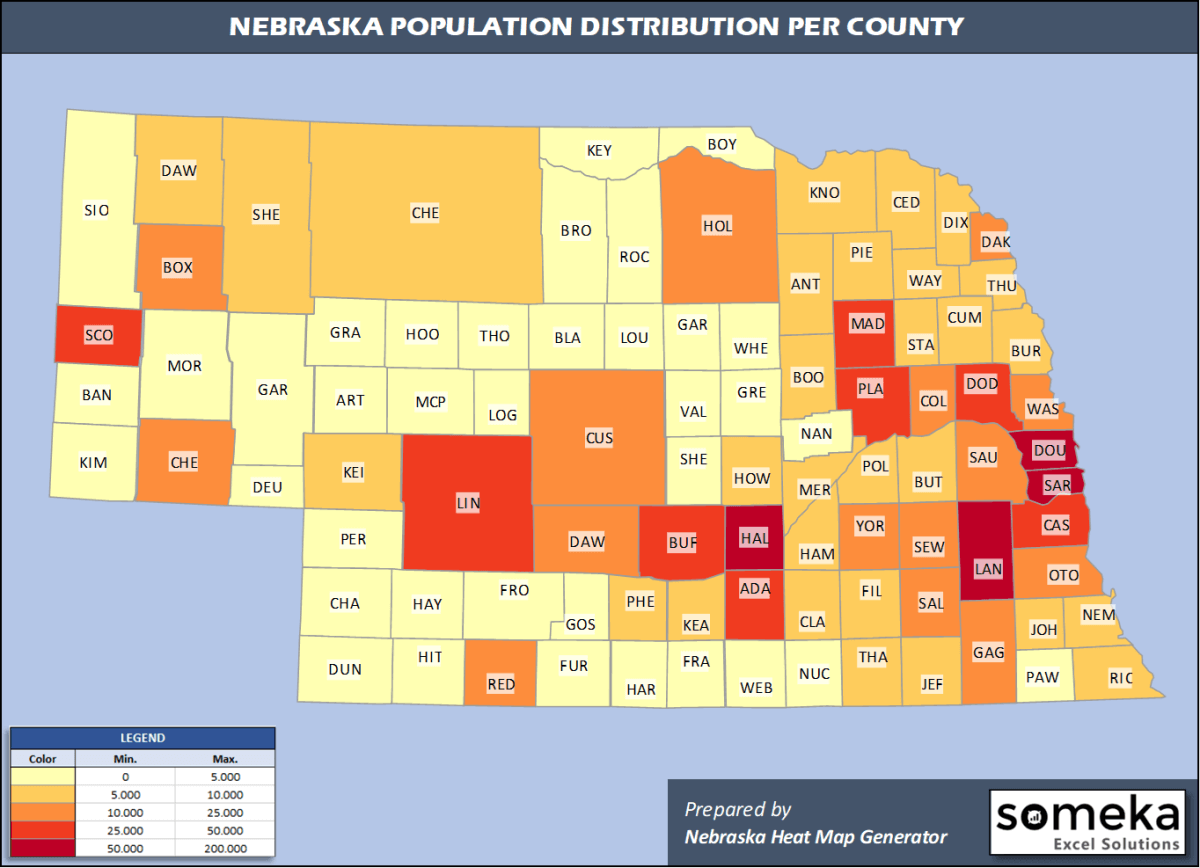
The population of Nebraska is not evenly distributed, which is a crucial detail for anyone planning an itinerary. The majority of the state’s residents are concentrated in the eastern portion, particularly within the Omaha and Lincoln corridors.
The Urban Centers
Omaha serves as the primary gateway for international and domestic travelers. As the largest city, it hosts a vibrant array of cultural amenities, museums, and historical districts. Visitors often find that the density of the population here supports a thriving culinary scene, providing an unexpected contrast to the pastoral imagery often associated with the state. Lincoln, the state capital, mirrors this urban energy with a youthful demographic largely influenced by the presence of major educational institutions.
The Western Frontier
As one travels westward across the state, the population density drops significantly. This transition is perhaps the most enticing aspect for those seeking a tranquil retreat. Towns such as Scottsbluff serve as vital hubs in the western region, offering access to the dramatic geological features that define the landscape. For the adventurous traveler, this sparse distribution of people means that you can explore the rugged terrain of the Pine Ridge Escarpment with a sense of solitude that is increasingly difficult to find elsewhere.
Tourism Impacts of Population Density
The relatively low population density of Nebraska is a cornerstone of its appeal as a tourist destination. Because the state is not densely packed with mega-cities, the tourism experience is personalized and deeply rooted in local traditions.
Emphasizing Local Culture and Heritage
In communities where the population is smaller, there is a stronger emphasis on maintaining local heritage. Whether you are exploring the historic sites in Brownville or attending a seasonal festival in Kearney, you will encounter a commitment to preserving the past. This demographic reality ensures that travelers interact with local residents who are passionate about their history, rather than navigating crowded tourist traps designed for mass consumption.
Sustainability and Nature Travel
The expansive land-to-person ratio has allowed Nebraska to maintain significant natural beauty. The Sandhills, a vast region of grass-stabilized sand dunes, remains one of the largest ecosystems of its kind in the world. Because the population here is small, the environmental impact on these fragile landscapes is minimized. Travelers who prioritize eco-conscious tourism will find that Nebraska provides a refreshing alternative to over-touristed parks in other parts of the United States.
Planning Your Visit Based on Regional Vibes
When choosing where to spend your time, it helps to match your expectations with the regional demographics and lifestyle of the state’s various hubs.
The Metropolitan Experience
For those who prefer a mix of urban excitement and comfort, focus your visit on the Old Market district in Omaha. The population density here is high enough to support high-end boutiques, galleries, and farm-to-table restaurants. It is an ideal starting point for international visitors who want to experience the American Midwest without sacrificing the amenities found in global travel hubs.
The Great Plains Adventure
If you are looking to disconnect from the modern world, head toward the Niobrara River. The population density in this northern part of the state is low, making it a prime location for canoeing, kayaking, and stargazing. The absence of heavy human activity ensures that the night skies are some of the darkest and most impressive in the country.
The Cultural Heartland
Travelers interested in the history of the American West should prioritize a visit to Fort Robinson State Park. This site offers a window into the past, where the interplay between the early settlers and the indigenous populations shaped the region’s current cultural identity.

Practical Tips for the Nebraska Traveler
Navigating a state with a sparse, yet welcoming, population requires a different approach than traveling through dense urban regions.
- Transportation Planning: While the cities have accessible transit, exploring the Platte River Valley or the western reaches of the state is best accomplished by car. The roads are well-maintained, and the light traffic makes for an enjoyable scenic drive.
- Embracing the Small-Town Pace: When visiting smaller towns like Valentine, adjust your expectations regarding service hours. The lifestyle is often slower and centered around community events, which provides a wonderful opportunity for travelers to slow down and appreciate the journey.
- Seasonal Considerations: The population remains stable year-round, but tourism spikes during events like the College World Series in Omaha. If you prefer a quieter experience, visit during the shoulder seasons when you can enjoy the Strategic Air Command and Aerospace Museum without the crowds.
Ultimately, asking “how many people are in Nebraska” leads to an even more important question: how can the space left by those missing millions enrich your own travel experience? The answer lies in the silence of the Sandhills, the community spirit found in the small cafes of the central plains, and the genuine, unhurried interactions you will have with the people you meet along the way. Whether you are navigating the historic trails of the Oregon Trail or seeking out the vibrant contemporary culture of the state’s capital, you will find that the population density—or lack thereof—is one of the state’s most compelling assets. It is a place where you are not just another face in the crowd, but a guest invited to witness the authentic rhythm of mid-continental life.
LifeOutOfTheBox is a participant in the Amazon Services LLC Associates Program, an affiliate advertising program designed to provide a means for sites to earn advertising fees by advertising and linking to Amazon.com. Amazon, the Amazon logo, AmazonSupply, and the AmazonSupply logo are trademarks of Amazon.com, Inc. or its affiliates. As an Amazon Associate we earn affiliate commissions from qualifying purchases.