
The question “How many people are in New York?” is far more complex than a simple numerical answer. It delves into the very essence of what makes this state, and particularly New York City, a global icon for travel, tourism, and lifestyle. From the bustling streets of Manhattan to the serene landscapes of upstate, the population figures tell a story of incredible density, unparalleled diversity, and a constant ebb and flow of residents and visitors alike. Understanding these numbers, and what they signify, is crucial for anyone planning a visit, considering a move, or simply curious about the human dynamic that defines the Big Apple and its surroundings.
At its core, New York is a mosaic of millions. It’s a place where cultures converge, dreams are chased, and innovation thrives. For travelers, this translates into an endless array of experiences, from world-class dining and vibrant nightlife to historic landmarks and cutting-edge art. For those in the accommodation sector, it means a dynamic market ranging from luxury suites to budget-friendly apartments. And for tourism, it highlights the rich tapestry of local culture, food, and activities that make every visit unique.

Unpacking the Numbers: A Glimpse into New York’s Population
To truly appreciate the scale of human life in New York, we must first look at the demographic data. The numbers not only provide a snapshot but also reveal trends that influence everything from urban planning to tourism development.
The Latest Census and Beyond: Understanding New York City’s Demographics
New York City stands as the most populous city in the United States. As of the most recent estimates (derived from the U.S. Census Bureau data, often referencing the 2020 Census and subsequent annual estimates), the population of New York City hovers around 8.5 million to 8.8 million residents. This figure encompasses all five boroughs: Manhattan, Brooklyn, Queens, The Bronx, and Staten Island. Each borough contributes its own unique character and demographic profile to the city’s overall identity. For instance, Brooklyn and Queens are incredibly diverse, with vast immigrant populations, while Manhattan is characterized by its high concentration of business professionals and luxury living.
Beyond the resident population, New York City also attracts a significant daily influx of commuters, students, and tourists. Millions travel into the city for work, study, or leisure, swelling the daytime population, especially in key business districts like Midtown Manhattan and the Financial District. This dynamic flow significantly impacts public transportation, restaurant capacity, and the overall vibrancy felt by visitors exploring attractions like Times Square or Central Park. The constant movement of people shapes the city’s infrastructure and the very experience of being there.
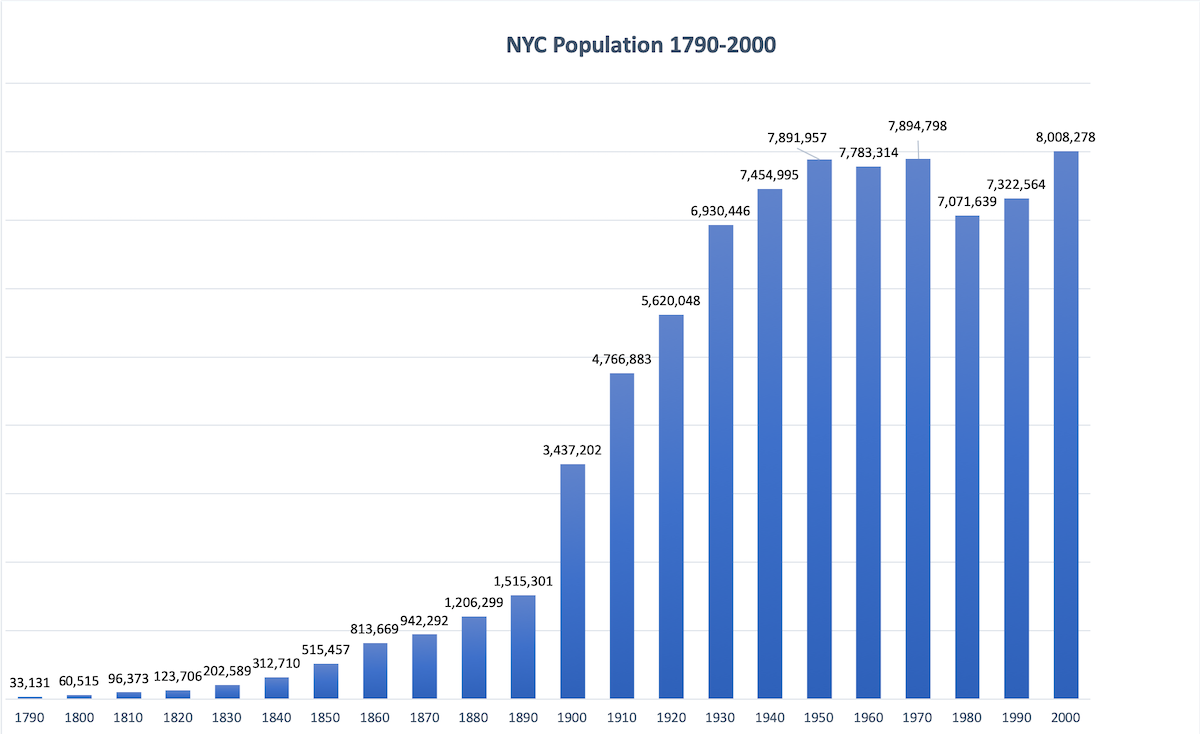
New York State vs. New York City: A Tale of Two Populations
It’s crucial to distinguish between New York City and New York State. While the city is the state’s largest urban center and its economic engine, New York State encompasses a vast and diverse geography, from the agricultural lands and natural beauty of upstate regions to the suburbs surrounding the metropolitan area. The total population of New York State typically hovers around 19 million to 20 million residents.
This distinction is vital for travelers. A trip to New York State might involve exploring the scenic Hudson River Valley, hiking in the Adirondacks, or visiting the Niagara Falls region, offering a stark contrast to the urban intensity of New York City. Each offers unique destinations and experiences, catering to different travel preferences – from nature lovers seeking tranquility to urban explorers craving cultural immersion. Understanding the difference helps in planning itineraries that truly match one’s desired travel experience.

Density and Diversity: The Human Tapestry of the Big Apple
What truly sets New York City apart is not just the sheer number of people, but their incredible density and diversity. Manhattan, in particular, is one of the most densely populated areas in the world. This density contributes to the city’s characteristic energy, where skyscrapers reach for the sky to accommodate the vertical expansion of life and business.
The diversity of New York City is legendary. Over 800 languages are spoken here, making it one of the most linguistically diverse places on Earth. This “melting pot” effect is evident in every facet of the city’s lifestyle and tourism offerings. From the vibrant ethnic enclaves of Chinatown, Little Italy, and Harlem to the myriad of international cuisines found on nearly every block, the city is a living museum of global cultures. This cultural richness provides endless opportunities for travelers to explore local culture, taste authentic international food, and engage in activities that reflect the city’s global character. It’s an immersive experience that goes beyond typical sightseeing, allowing visitors to feel the pulse of a truly global metropolis.
The Impact of Population on Travel and Tourism in New York
The vast population of New York has profound implications for travelers and the tourism industry. It shapes everything from the availability of accommodation to the overall ambiance of popular attractions.
Navigating the Crowds: Tips for a Seamless New York Experience
The sheer number of people in New York City means that crowds are an inherent part of the experience, particularly at major tourist destinations. Navigating these crowds effectively can significantly enhance a visitor’s trip. Planning ahead is paramount: booking popular attractions like Broadway shows, museum tickets for the Metropolitan Museum of Art or the American Museum of Natural History, and even restaurant reservations well in advance can save precious time and avoid disappointment.
Travelers should also consider visiting popular landmarks during off-peak hours, such as early mornings or late evenings, where feasible. Utilizing the city’s extensive public transportation system – the subway – is often the quickest and most efficient way to get around, though it too can be crowded during rush hour. Embracing the pace of the city, practicing patience, and being open to serendipitous discoveries are key aspects of a successful New York travel experience. This approach transforms potential frustrations into an appreciation for the city’s relentless energy.
Accommodation Challenges and Solutions in a Densely Populated Metropolis
With millions of residents and millions more annual visitors, accommodation in New York City is a competitive market. The high demand, coupled with limited space, translates into generally higher prices compared to many other global cities. Hotels, suites, resorts, and apartments are all available, catering to a wide range of budgets and preferences.
To secure the best rates and ideal locations, early booking is strongly recommended. Websites specializing in accommodation booking and comparison are invaluable resources. Travelers can choose from luxury hotels in Midtown Manhattan offering amenities like rooftop pools and concierge services, boutique hotels in charming neighborhoods like Greenwich Village or SoHo, or more budget-friendly options further from the central tourist hubs. Long-term stay apartments are also popular for those visiting for extended periods. Reviews and careful comparison are essential to finding the perfect base, ensuring comfort after a day exploring the city’s vibrant streets.
Culinary Delights and Cultural Experiences: A Reflection of Diversity
The diverse population of New York City is perhaps most deliciously evident in its food scene. It is a true global culinary capital, with options ranging from Michelin-starred fine dining to hole-in-the-wall ethnic eateries serving authentic dishes from every corner of the world. This richness makes food a central pillar of New York tourism. Visitors can embark on gastronomic journeys through different neighborhoods, sampling dim sum in Chinatown, pasta in Little Italy, or soul food in Harlem.
Beyond food, the city’s cultural calendar is packed year-round, reflecting its diverse population. From international film festivals and music concerts to art exhibitions at institutions like the MoMA and the Guggenheim Museum, there is always something happening. This dynamic cultural landscape provides endless opportunities for travelers to immerse themselves in local culture, engage with diverse communities, and discover unique experiences that go beyond the typical tourist itinerary.
Iconic Landmarks and the People Who Visit Them
New York City is home to some of the world’s most recognizable landmarks, each attracting millions of visitors annually. These sites are not just architectural marvels but also places where the city’s vast population and its global appeal converge.
Statue of Liberty and Ellis Island: Millions Through History
The Statue of Liberty and Ellis Island are powerful symbols of freedom and immigration, welcoming millions of new arrivals to the United States throughout history. Today, these landmarks continue to draw millions of tourists each year, eager to learn about their profound historical significance and take in breathtaking views of the Manhattan skyline.
The journey to these islands via ferry is an experience in itself, offering unique perspectives of the city. The sheer volume of visitors underscores the universal appeal of these symbols and necessitates booking tickets well in advance, especially during peak travel seasons. Standing before the Statue of Liberty or walking through the historic halls of Ellis Island provides a tangible connection to the millions of people who have passed through New York’s gates, enriching its population and culture.
Times Square and Broadway: The Epicenter of Energy
No discussion of New York City’s population and its impact on tourism is complete without mentioning Times Square. This dazzling intersection, bathed in the glow of massive digital billboards, is a magnet for tourists and a daily thoroughfare for thousands of residents. It is estimated that hundreds of thousands of people pass through Times Square daily, making it one of the busiest pedestrian areas in the world.
Adjacent to Times Square is the renowned Broadway Theater District, where millions annually flock to see world-class performances. The energy here is palpable, a direct result of the immense number of people congregating for entertainment, dining, and sightseeing. While exhilarating, the crowds in this area demand careful navigation and highlight the need for travelers to be mindful of their surroundings and plan their movements. The sheer concentration of people here embodies the vibrant, sometimes overwhelming, yet utterly captivating essence of New York City.
Central Park and Urban Green Spaces: A Respite for Millions
Amidst the concrete jungle and towering skyscrapers, Central Park offers a sprawling, verdant oasis. This iconic urban park, designed by Frederick Law Olmsted and Calvert Vaux, is visited by an estimated 42 million people annually, making it one of the most visited urban parks in the United States. It serves as a vital green lung for the city, providing a much-needed respite for both residents and tourists.
The park’s vastness allows millions to find their own space, whether for jogging, picnicking, rowing on the lake, or simply enjoying nature. Its sheer size and the variety of activities it offers – from the Central Park Zoo to the Strawberry Fields memorial – demonstrate how a densely populated city can still offer expansive natural beauty. Other notable green spaces, like Brooklyn Bridge Park, also provide residents and visitors with opportunities for relaxation and recreation, proving that even in a city of millions, moments of tranquility can be found.
Planning Your Visit: Making the Most of New York’s Vibrancy
Understanding the population dynamics of New York empowers travelers to plan a more informed and enjoyable trip. It’s about harnessing the city’s energy while navigating its challenges.
Best Times to Visit: Balancing Crowds and Experiences
Given the constant flow of people, choosing the right time to visit New York can significantly impact the experience. Spring (April to June) and fall (September to November) are generally considered the best times, offering pleasant weather and a vibrant atmosphere. While these periods still attract large crowds, the milder temperatures make exploring more comfortable. Summer months, particularly July and August, can be hot and humid, leading to intense crowds, especially around major holidays. Winter, especially leading up to Christmas and New Year’s Eve, sees a massive surge in visitors, drawn by festive decorations and events like the Rockefeller Center Christmas tree, but also intense cold and elevated prices.
If avoiding crowds is a priority, consider visiting in late January or February, after the holiday rush. While cold, you’ll find slightly fewer tourists and potentially better deals on flights and hotels. Regardless of the season, booking travel and accommodation in advance is a consistent recommendation for a seamless experience.
Choosing Your Base: Neighborhoods and Accommodation Options
The sheer number of people in New York City means a wide array of neighborhoods, each with its own character and accommodation options, catering to different lifestyles and budgets. For first-time visitors who want to be in the heart of the action, Midtown Manhattan offers unparalleled access to landmarks like the Empire State Building, Times Square, and Grand Central Terminal, albeit with higher prices and busier streets. Luxury hotels and upscale suites are abundant here.
Those seeking a more bohemian or artistic vibe might prefer Greenwich Village or SoHo, known for their charming streets, boutiques, and diverse dining scenes. Brooklyn neighborhoods like Williamsburg or Dumbo offer trendy alternatives with stunning skyline views and a thriving local culture, often with more affordable apartment rentals or boutique hotel options. For families, the Upper West Side provides a quieter, more residential feel with easy access to Central Park and museums. Researching neighborhoods based on your interests and budget is key to finding the perfect home base for your New York adventure.
Embracing the Local Lifestyle: Beyond the Tourist Trail
While the major landmarks are essential, truly experiencing New York means embracing the local lifestyle, which is shaped by its millions of residents. This involves venturing beyond the most congested tourist areas and exploring the city’s diverse neighborhoods. Attend a local street fair in Queens, catch a free concert in Central Park, or spend an afternoon browsing independent bookstores in the Lower East Side.
Engaging with the everyday rhythms of the city – grabbing a bagel from a local deli, riding the subway like a local, or simply people-watching from a park bench – offers a more authentic glimpse into the lives of the millions who call this incredible place home. This deeper immersion into the local culture and activities transforms a simple visit into a rich, memorable experience, allowing travelers to feel connected to the vibrant pulse of New York beyond its statistical population figures. Ultimately, the people are the city’s greatest asset, creating an atmosphere of unparalleled energy and endless discovery.
LifeOutOfTheBox is a participant in the Amazon Services LLC Associates Program, an affiliate advertising program designed to provide a means for sites to earn advertising fees by advertising and linking to Amazon.com. Amazon, the Amazon logo, AmazonSupply, and the AmazonSupply logo are trademarks of Amazon.com, Inc. or its affiliates. As an Amazon Associate we earn affiliate commissions from qualifying purchases.