
The Boston Marathon is not just a race; it’s a global phenomenon, a testament to human endurance, and a significant magnet for tourism in Boston, Massachusetts. Every year, on Patriots’ Day, the city transforms into a vibrant hub of athletic fervor, drawing tens of thousands of runners and hundreds of thousands of spectators from all corners of the world. Understanding the sheer scale of participation in this iconic event is key to appreciating its immense impact on local culture, hospitality, and the broader tourism landscape.
While the exact number of participants can fluctuate slightly from year to year due to various factors like registration limits, qualification standards, and deferrals, the Boston Marathon typically hosts a field size that hovers around 30,000 runners. This figure places it among the largest marathons globally, but its unique qualification standards also make it one of the most exclusive and coveted races to enter. The journey to the starting line in Hopkinton is often years in the making for many, reflecting a deep commitment that goes beyond just running a 26.2-mile course. For participants, it’s the culmination of rigorous training and dedication. For spectators and the city itself, it’s an immersive experience that redefines the essence of community and celebration, making it a pivotal event in the annual tourism calendar.
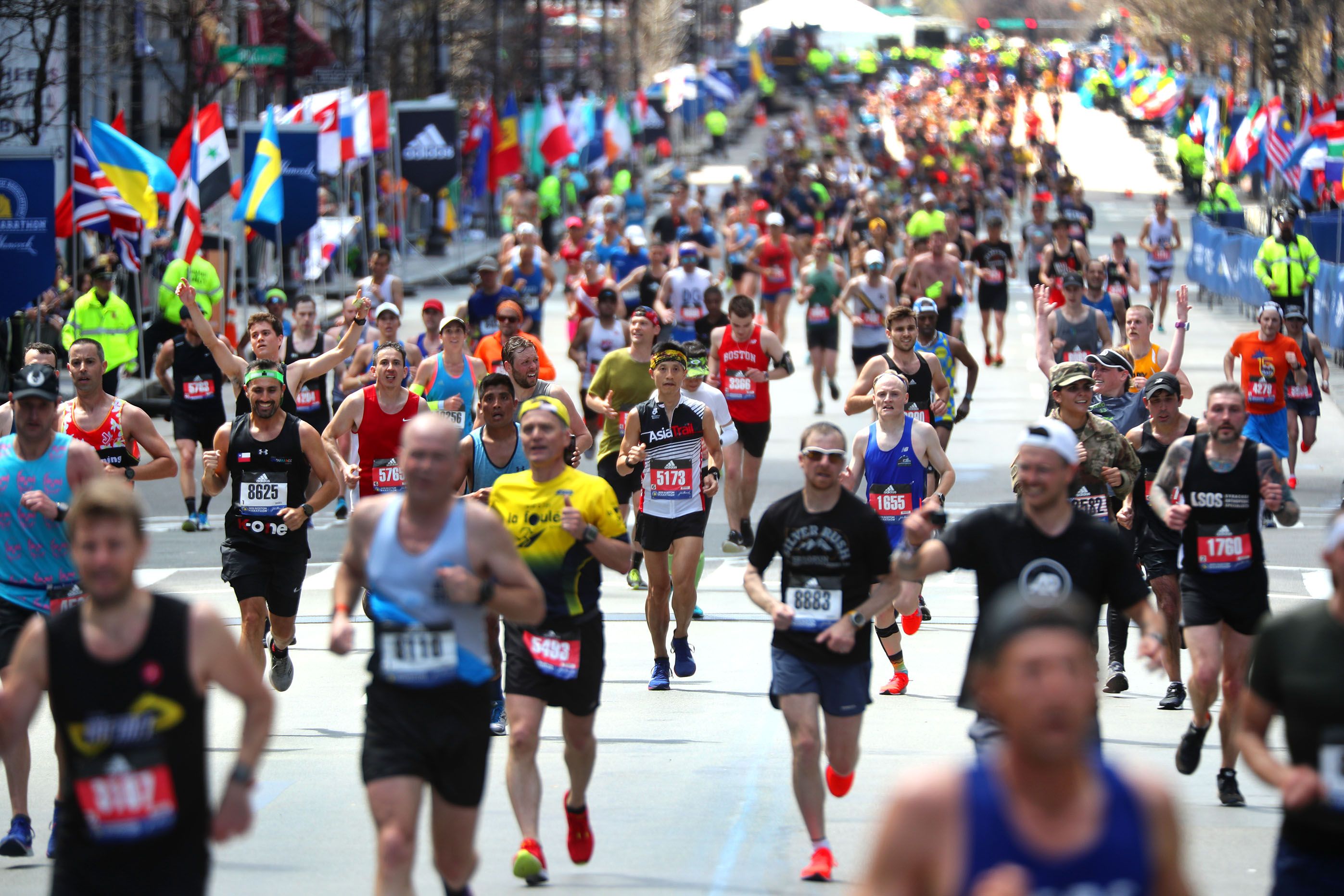
The Enduring Allure of the Boston Marathon as a Global Tourism Event
The allure of the Boston Marathon extends far beyond the finish line on Boylston Street. It represents a unique blend of historical significance, athletic challenge, and community spirit that makes it an unparalleled tourism draw. For many, participating in or even witnessing the Boston Marathon is a bucket-list item, prompting travel plans that incorporate not just the race day but also an exploration of Boston’s rich heritage and vibrant contemporary scene.
A Legacy of Athleticism and Community Spirit
Founded in 1897, the Boston Marathon is the world’s oldest annual marathon, steeped in a history that resonates with both athletic achievement and profound community resilience. Organized by the Boston Athletic Association (B.A.A.), the event has evolved from a relatively small regional race to an international spectacle. This long-standing tradition is a significant draw for runners seeking to be part of history and for tourists eager to witness an event that embodies the spirit of human endeavor. The communities along the challenging course, from Hopkinton through Framingham, Natick, Wellesley, Newton, and Brookline to Boston, embrace the marathon with unparalleled enthusiasm. Residents line the streets, offering water, encouragement, and even iconic kisses at Wellesley College. This collective energy and support transform the race into a shared experience, fostering a sense of camaraderie that is deeply attractive to visitors seeking authentic cultural engagement. The infamous Heartbreak Hill in Newton, a pivotal challenge on the course, is itself a landmark of endurance, drawing spectators to witness runners’ sheer determination.
Qualification Standards and Field Size Dynamics
What truly sets the Boston Marathon apart from other major marathons is its stringent qualification standards. Unlike many races that operate on a lottery system or open registration, the vast majority of Boston Marathon participants must achieve a specific qualifying time for their age and gender category at a certified marathon within a designated window. This “Boston Qualifying” (BQ) standard elevates the race to an elite status, making entry a significant personal achievement and a source of pride.
The B.A.A. carefully manages the field size to ensure runner safety and optimal logistical flow. While the target is typically around 30,000 runners, this number includes both qualified athletes and a significant contingent of charity runners. The qualification process, often described as an annual rite of passage for serious amateur runners, inadvertently cultivates a dedicated travel demographic. These runners, often accompanied by family and friends, plan their trips to Boston not just for the race but for the entire experience surrounding this monumental personal milestone. The competitive nature of entry means that those who make it to the starting line are highly motivated, contributing to the race’s professional yet accessible atmosphere that visitors find so appealing.
The Marathon’s Economic and Cultural Footprint on Boston
The Boston Marathon is more than just a sporting event; it’s a critical economic engine and a defining cultural moment for the city of Boston. The influx of tens of thousands of runners and hundreds of thousands of spectators translates into a significant boost for local businesses, from hotels and restaurants to retail and transportation.
Boosting Local Tourism and Hospitality
The week leading up to and including Marathon Monday sees a dramatic surge in tourism activity. Hotels across Boston and surrounding areas experience peak occupancy, often at premium rates. Restaurants, particularly those catering to carb-loading runners, see increased foot traffic. Retail stores, especially those selling athletic gear and official marathon merchandise, do brisk business. Beyond the immediate economic impact, the marathon provides an invaluable marketing opportunity for Boston. Live broadcasts and international media coverage showcase the city’s beauty, vibrant atmosphere, and unique character to a global audience, potentially inspiring future tourism visits. The logistical complexities of hosting such a massive event also necessitate robust public services, involving local police, medical personnel, and volunteers, all contributing to a safe and memorable experience for visitors.
Experiencing Marathon Week: Beyond the Race Day
For many visitors, the Boston Marathon experience begins long before the starter’s pistol fires. The official Marathon Expo, typically held at the John Hancock Sports & Fitness Expo, is a major attraction in itself. Runners pick up their bibs, explore the latest running innovations, and soak in the pre-race atmosphere. This multi-day event attracts not only participants but also their families, coaches, and general running enthusiasts, creating a buzzing environment.
Beyond the expo, Boston offers a plethora of activities for visitors. Organized shake-out runs, pasta dinners, and pre-race gatherings contribute to a festive, community-oriented atmosphere. For those not running, the opportunity to tour historical sites like the Freedom Trail, visit world-class museums, or explore charming neighborhoods, complements the marathon excitement. The entire week becomes a celebratory period, with the city’s parks, public spaces, and cultural institutions playing host to various related events and gatherings, ensuring that tourists have ample opportunities to engage with the city beyond the 26.2-mile course.

Participant Demographics: A Mosaic of Runners
The roughly 30,000 runners who toe the line in Hopkinton represent an incredibly diverse cross-section of humanity. Far from being a homogeneous group, the Boston Marathon draws individuals from vastly different backgrounds, ages, and nationalities, all united by a shared passion for running and the pursuit of a challenging goal.
International Representation and Domestic Diversity
A significant percentage of Boston Marathon participants hail from outside the United States. Runners from dozens of countries travel to Boston each year, bringing with them a global perspective and contributing to the event’s international flavor. This international contingent adds another layer to the tourism experience, as different cultures converge to celebrate athleticism. Domestically, every state is typically represented, showcasing the widespread appeal of the race across America. The age range of participants is also remarkably broad, from young adults in their early twenties to octogenarians proving that age is just a number. This diversity in the participant field underscores the marathon’s universal appeal and its capacity to bring together people from all walks of life, making the event a truly global tourism draw that enriches the local tapestry.
Charity Runners: Running for a Cause
While many runners qualify based on their speed, a substantial portion of the Boston Marathon field is comprised of charity runners. These individuals commit to raising significant funds for various non-profit organizations, often in exchange for a coveted bib number. For example, many runners raise money for the Dana-Farber Cancer Institute or other local and national charities. This altruistic component adds a profound layer of meaning to the race. Charity programs not only allow more people to experience the marathon but also channel millions of dollars into vital causes, benefiting Boston and beyond. For these runners, their journey to the starting line is often deeply personal, fueled by a desire to honor loved ones or support causes close to their hearts. This element of giving back further enhances the marathon’s reputation as a community-driven event, attracting participants and supporters who value philanthropy alongside athletic achievement, expanding the scope of its tourism impact.
The Spectator Experience: An Integral Part of the Tourism Fabric
The experience of the Boston Marathon is not limited to those running it. The hundreds of thousands of spectators who line the 26.2-mile course are an equally vital part of the event’s unique tourism fabric. They are not merely observers but active participants in creating the electrifying atmosphere that makes Marathon Monday so memorable.
Prime Viewing Spots and Community Engagement
Spectators strategically choose their viewing locations along the course, often planning their day around public transportation schedules and preferred vantage points. Popular spots include the start line in Hopkinton, the festive atmosphere near Wellesley College, the challenging ascent of Heartbreak Hill in Newton, and, of course, the thrilling finish line area on Boylston Street in Copley Square. Many neighborhoods along the route host impromptu block parties, with families setting up lawn chairs, barbecues, and cheering stations. This communal celebration is a powerful draw for tourists seeking an authentic local experience, allowing them to immerse themselves in the spirit of New England hospitality and resilience. The sheer volume of people gathering to support the runners creates an infectious energy, making spectating a truly engaging and unforgettable tourism activity.
Extending Your Stay: Exploring Boston’s Charms
For many spectators, attending the Boston Marathon is an ideal anchor for a longer visit to Boston. The long weekend surrounding Patriots’ Day offers ample time to explore the city’s numerous attractions. Tourists can walk the historic Freedom Trail, visit the beautiful Boston Common and Public Garden, or catch a baseball game at Fenway Park. The city’s world-class museums, diverse culinary scene, and vibrant cultural districts provide endless opportunities for enrichment and enjoyment. Combining the excitement of the marathon with the cultural and historical exploration of one of America’s oldest cities creates a holistic and deeply satisfying tourism experience, ensuring that visitors leave with lasting memories that extend far beyond the race itself.
Planning Your Boston Marathon Tourism Adventure
Whether you’re among the roughly 30,000 striving to conquer the course or one of the countless spectators cheering them on, planning is essential to maximize your Boston Marathon tourism adventure. The event’s immense scale requires careful consideration of logistics, accommodation, and local exploration to ensure a smooth and enjoyable visit.
Logistics for Runners and Supporters
For runners, securing accommodation well in advance is paramount, as hotels fill up quickly and prices surge during marathon week. Many participants opt to stay close to the finish line in Boston or near shuttle pickup points to Hopkinton. Understanding the B.A.A.’s transportation plans for race day is crucial, as roads are closed and public transit can be altered. Supporters also benefit from pre-planning, identifying preferred viewing locations, mapping out public transportation routes, and considering dining reservations, especially for post-race celebrations. Utilizing apps for real-time runner tracking enhances the spectator experience, allowing supporters to move between various points along the course and meet their runner at the finish.
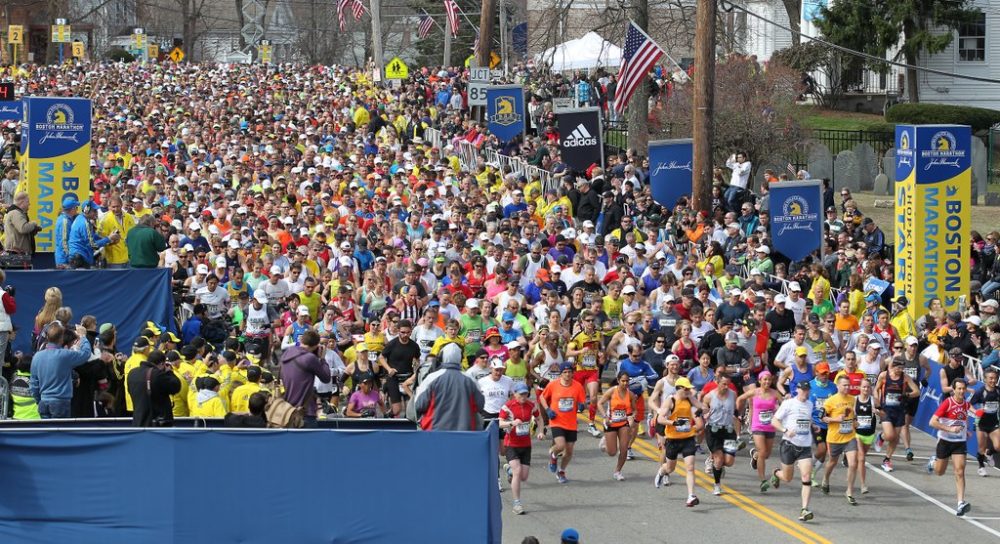
Making the Most of Your Visit
Beyond race-day logistics, enriching your trip involves embracing all that Boston has to offer. Consider arriving a few days early or staying a few days after Marathon Monday to fully explore the city. Purchase tickets for popular attractions like a Boston Duck Tour or museum entry in advance, as spring is a popular time for tourism. Engage with local culture by trying New England clam chowder, exploring the historic North End for Italian cuisine, or wandering through the boutiques on Newbury Street. The Boston Marathon provides a unique window into the heart and soul of Boston, and by planning thoughtfully, visitors can transform their trip from a mere event attendance into a comprehensive and unforgettable tourism experience. The city embraces the marathon, and visitors who do the same will find themselves immersed in a vibrant celebration of sport, community, and history.
LifeOutOfTheBox is a participant in the Amazon Services LLC Associates Program, an affiliate advertising program designed to provide a means for sites to earn advertising fees by advertising and linking to Amazon.com. Amazon, the Amazon logo, AmazonSupply, and the AmazonSupply logo are trademarks of Amazon.com, Inc. or its affiliates. As an Amazon Associate we earn affiliate commissions from qualifying purchases.