
Texas Hold’em, the most popular variant of poker, captivates players worldwide with its blend of strategy, psychology, and chance. While the thrill of a well-played hand is universal, the optimal number of participants for a truly engaging and competitive Texas Hold’em game is a subject of considerable discussion among both casual enthusiasts and seasoned professionals. Understanding the ideal player count is crucial for setting up a successful home game, navigating tournaments, or even appreciating the dynamics of televised professional matches. This exploration delves into the various player configurations for Texas Hold’em, examining the advantages and disadvantages of each to help you find the perfect fit for your poker sessions.

The Fundamentals of Texas Hold’em Player Counts
At its core, Texas Hold’em is a game played with a standard 52-card deck and involves betting rounds. The objective is to form the best five-card poker hand using a combination of two private “hole” cards and five community cards. The game is designed to accommodate a range of players, but the dynamics shift significantly with each addition. The fundamental constraint is the number of cards available and the need for sufficient player interaction to create meaningful betting situations and strategic depth.
The Absolute Minimum: Two Players (Heads-Up)
A Texas Hold’em game can technically be played with just two individuals, a format known as “heads-up” poker. This is the most intimate and direct form of the game, stripping away the complexities introduced by multiple opponents.
Advantages of Heads-Up Play:
- Intense Strategy: With only one opponent, every decision carries immense weight. Players must meticulously analyze their opponent’s tendencies, betting patterns, and perceived hand strength. This can lead to highly nuanced and complex strategic battles.
- Faster Pace: Games tend to move much quicker in heads-up play, as there are fewer players to act and fewer hands to be dealt in a given timeframe.
- Focus on Skill: Skill plays a more dominant role in heads-up poker. While luck is always a factor, the player with superior strategic understanding and adaptability is more likely to prevail over the long run.
- Excellent for Practice: Heads-up play is an ideal environment for honing specific poker skills, such as bluffing, semi-bluffing, and understanding pot odds in a direct confrontation. Many professional poker players hone their skills by playing countless heads-up matches.
Disadvantages of Heads-Up Play:
- Limited Table Dynamics: The psychological aspect of reading multiple opponents is absent. This can make the game feel less dynamic and engaging for some players who enjoy the social and observational elements of larger games.
- Higher Variance: Due to the direct confrontation, variance (the ups and downs of short-term results) can be more pronounced in heads-up play. A few unlucky hands can quickly decimate a stack.
- Less Room for Error: Mistakes are amplified when you are directly pitted against a single opponent.
The Casual Classic: 6-Max Play
A six-handed (6-max) game is a popular choice for many home games and online poker tables. This format strikes a good balance between strategic depth and the pace of play.
Advantages of 6-Max Play:
- Engaging but Not Overwhelming: Six players offer enough variety to create interesting betting situations and table dynamics without becoming too chaotic.
- Good Balance of Action and Strategy: You’ll see plenty of hands played, ensuring consistent action, but there’s still enough room for strategic maneuvering and exploiting opponent weaknesses.
- Faster than Full Ring: Compared to a full ring game (see below), 6-max is generally faster-paced as there are fewer players to act.
- Variety of Opponents: You encounter a wider range of playing styles than in heads-up, requiring adaptability.
Disadvantages of 6-Max Play:
- Less Pressure on Opponents: With fewer players, opponents might not feel as much pressure to play hands tightly, potentially leading to more loose-aggressive play.
- Requires More Aggression: To extract value and win pots, players often need to adopt a more aggressive strategy than they might in a larger game.
The Traditional Standard: Full Ring (9 or 10 Players)
The “full ring” game, typically featuring nine or ten players, is the classic setup for Texas Hold’em. This format offers the most traditional poker experience, characterized by deep strategic play and a strong emphasis on position.
Advantages of Full Ring Play:

- Rich Strategic Depth: With more players, the game becomes exponentially more complex. Positional play becomes paramount, and understanding how to navigate early, middle, and late positions is crucial.
- Strong Emphasis on Fundamentals: Players are forced to play tighter pre-flop and wait for stronger hands, developing disciplined poker habits. This is an excellent format for learning the foundational aspects of poker strategy.
- Psychological Warfare: The ability to read multiple players, understand table image, and employ subtle tells becomes a significant factor. The psychological dynamics are at their peak.
- Lower Variance (Potentially): While individual pots can be large, the increased number of players means that individual hands are less likely to result in a massive swing for any one player compared to heads-up or short-handed games.
Disadvantages of Full Ring Play:
- Slower Pace: With nine or ten players, each taking their turn, a full ring game can be quite slow. Waiting for your turn to act can be lengthy, especially in live games.
- Less Action Per Player: You will be dealt fewer playable hands in a full ring game compared to shorter-handed formats. This requires patience and discipline.
- Difficult to Exploit Weaknesses: With so many opponents, it’s harder to isolate and consistently exploit the weaknesses of a single player.
The Unofficial Maximum: 11-14 Players
While Texas Hold’em can technically be played with more than ten players, it is generally not recommended for optimal gameplay. The practical limits are often dictated by the physical space available for chips and cards, as well as the ease of dealing.
Considerations for Larger Games:
- Dealer Button Spreading: In games with more than 10 players, it becomes necessary to have the dealer button “spread” or move around the table in a less conventional manner to ensure everyone gets a turn in the blinds. This can complicate the game flow.
- Logistical Challenges: Managing chips, cards, and the flow of action for 11-14 players can become cumbersome, especially in a home setting.
- Diminished Individual Impact: The impact of any single player’s actions is diluted significantly. It becomes harder to apply pressure or exploit specific opponents.
- Increased Variance: Paradoxically, while full ring has lower variance than heads-up, extremely large games can see increased variance due to the sheer number of players and the potential for multiple players to hit strong hands simultaneously.
Factors Influencing the Ideal Player Count
The “best” number of players for Texas Hold’em is subjective and depends heavily on the context and goals of the game. Several factors come into play:
Game Type and Setting
- Home Games: For casual home games, 6-9 players are often ideal. This provides a good social atmosphere, enough action for most, and manageable logistics. If you have a larger group of friends, consider running multiple tables or a tournament format.
- Online Poker: Online platforms often offer tables with various player counts, from heads-up to 6-max and 9-handed. The software handles the dealing and pacing efficiently.
- Live Casino Play: Casino poker rooms typically feature 9-handed or 10-handed tables, offering the traditional full ring experience.
Player Experience and Skill Level
- Beginners: For those new to the game, a smaller game (e.g., 4-6 players) can be less intimidating. It allows them to focus on learning the hand rankings and basic betting without being overwhelmed by complex multi-way pots and advanced strategies.
- Experienced Players: Seasoned players often prefer 6-max or heads-up for the faster pace and more strategic challenges. However, many still enjoy the depth of a full ring game.
Desired Atmosphere
- Social Gathering: If the primary goal is a social event with some poker mixed in, a larger group (up to 10) can be more lively, even if the poker strategy is less intense.
- Competitive Play: For a more serious, competitive game, heads-up or 6-max might be preferred for the increased focus on individual skill and faster resolution.
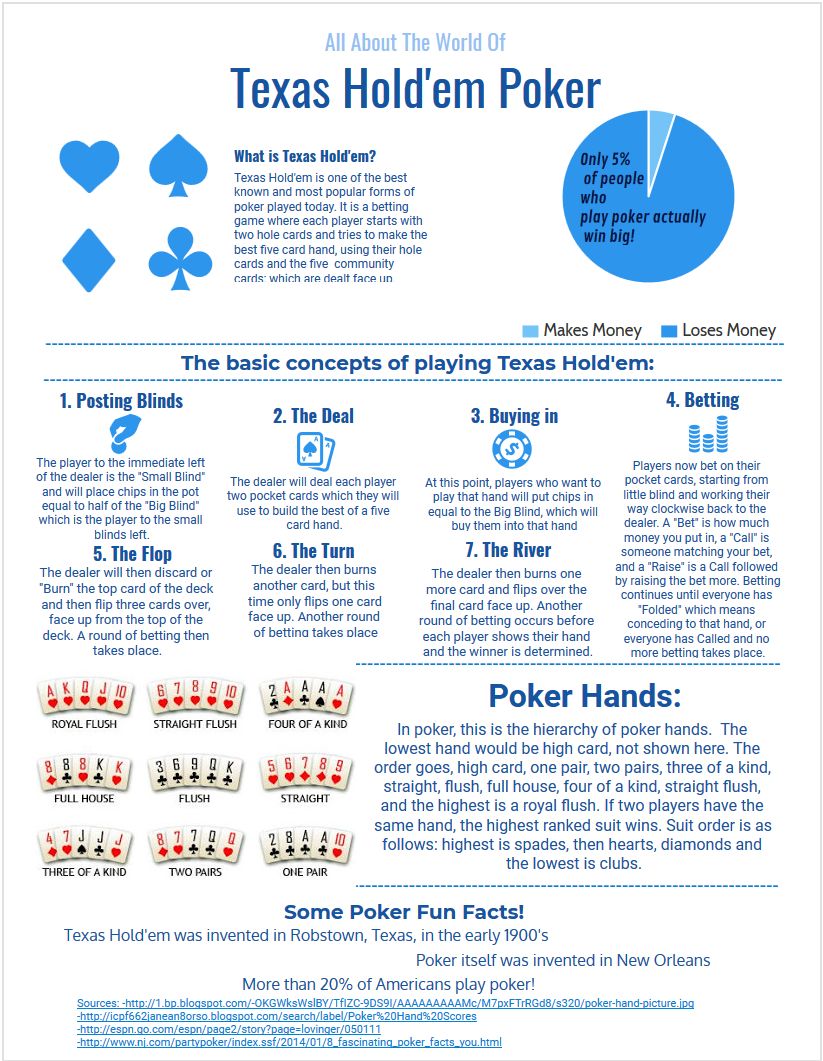
Conclusion: Finding Your Perfect Poker Table
While Texas Hold’em can be played with as few as two people, the most common and arguably the most engaging player counts fall within the range of 6 to 9 participants.
- Heads-Up (2 players): Offers intense, head-to-head strategic battles.
- 6-Max (6 players): Provides a dynamic balance of action, strategy, and manageable pace.
- Full Ring (9-10 players): Delivers the classic, deep strategic experience with a strong emphasis on position and fundamentals.
Ultimately, the ideal number of players for your Texas Hold’em game depends on your group’s preferences, the desired pace, and the level of strategic engagement you seek. Experimenting with different player counts can help you discover the sweet spot that makes your poker nights the most enjoyable and rewarding. Whether you’re playing for friendly bragging rights or climbing the ranks in a tournament, understanding player dynamics is key to mastering the game of Texas Hold’em.
LifeOutOfTheBox is a participant in the Amazon Services LLC Associates Program, an affiliate advertising program designed to provide a means for sites to earn advertising fees by advertising and linking to Amazon.com. Amazon, the Amazon logo, AmazonSupply, and the AmazonSupply logo are trademarks of Amazon.com, Inc. or its affiliates. As an Amazon Associate we earn affiliate commissions from qualifying purchases.