
The New Orleans Superdome, officially known today as the Caesars Superdome, stands as an iconic symbol of resilience, architectural prowess, and the vibrant spirit of New Orleans, Louisiana. Far more than just a sports arena, this colossal structure has etched itself into the annals of American culture, hosting everything from historic sporting events to monumental concerts and serving as a crucial refuge during natural disasters. For travelers planning a visit to the Crescent City, understanding the Superdome’s capacity isn’t just a matter of numbers; it’s an insight into the scale of experiences it offers and its profound impact on the city’s tourism and lifestyle.
When asking, “How many people can the New Orleans Superdome hold?”, the answer isn’t a single, static figure. Instead, it’s a dynamic range, meticulously engineered to adapt to the diverse spectrum of events it hosts. This adaptability makes the Superdome a marvel of modern stadium design, capable of transforming its interior to accommodate tens of thousands for a thrilling NFL game, an awe-inspiring concert, or even a critical humanitarian effort.
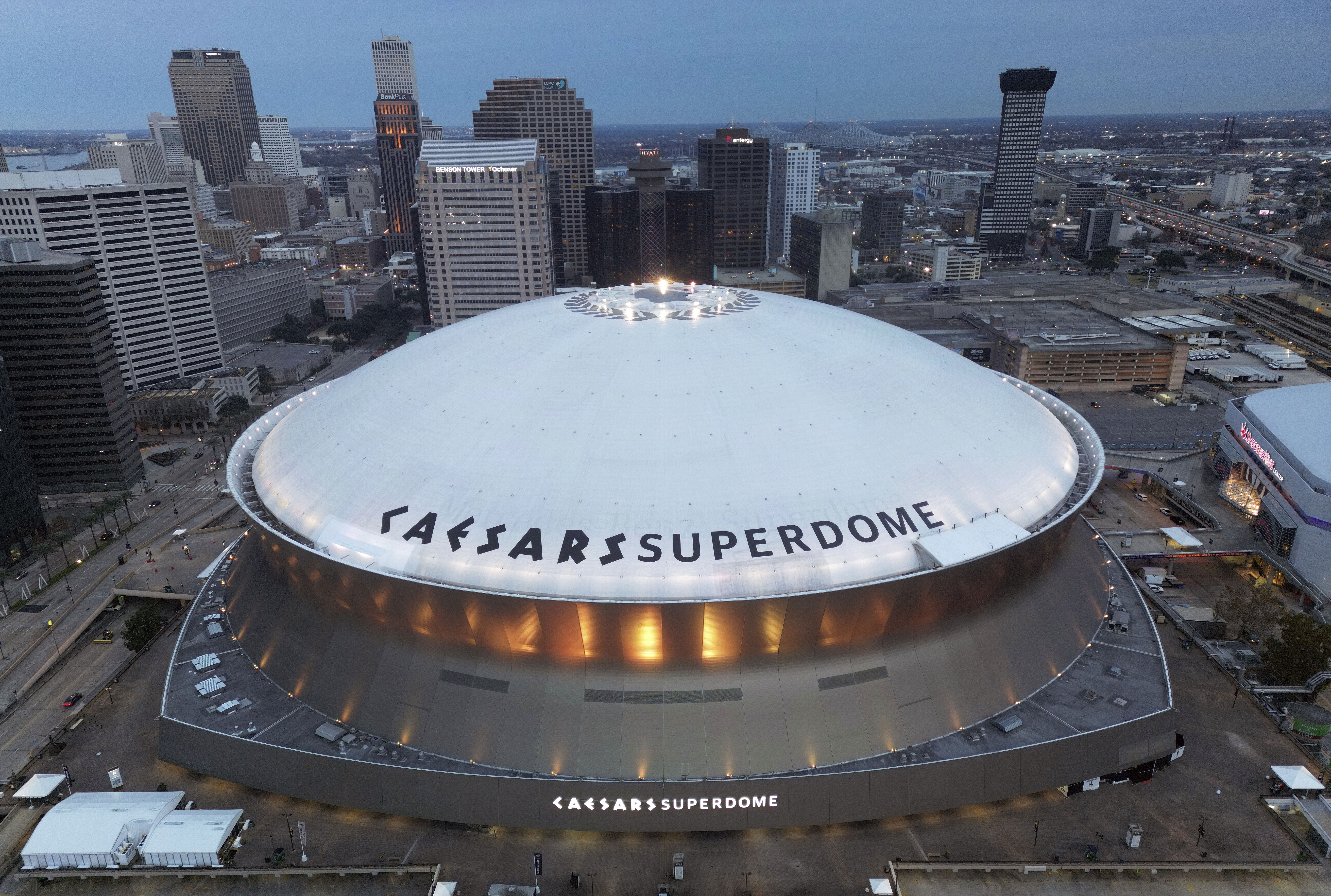
The Caesars Superdome’s Vast Capacity: More Than Just a Number
The Caesars Superdome is one of the largest domed stadiums in the world, renowned for its expansive capacity that can be reconfigured to suit various event requirements. Its primary purpose, and where its maximum capacity is most frequently showcased, is in hosting major sporting events and entertainment spectaculars.
Football Grandeur: Home of the New Orleans Saints
For football enthusiasts, the Superdome is hallowed ground, serving as the proud home of the NFL’s New Orleans Saints. When the black and gold faithful pack the stands, the stadium typically seats around 73,208 spectators for Saints games. This figure represents the standard seating configuration optimized for football, offering a fantastic view of the gridiron action from virtually every seat. The roar of the crowd inside the enclosed dome creates an electric atmosphere unmatched in many outdoor stadiums, making a Saints game an unforgettable experience for any sports traveler.
Beyond regular season matchups, the Superdome has a storied history of hosting championship events. It has been the site of seven Super Bowls, more than any other venue, a testament to its capacity, facilities, and the city’s ability to host such large-scale gatherings. For these marquee events, temporary seating and standing-room-only areas can sometimes push the attendance figure slightly higher, occasionally surpassing 75,000. These events not only fill the stadium but also bring hundreds of thousands of visitors to New Orleans, dramatically impacting local hotels, restaurants, and attractions. It transforms the city into a bustling hub of activity, making it a prime destination for event-driven tourism.
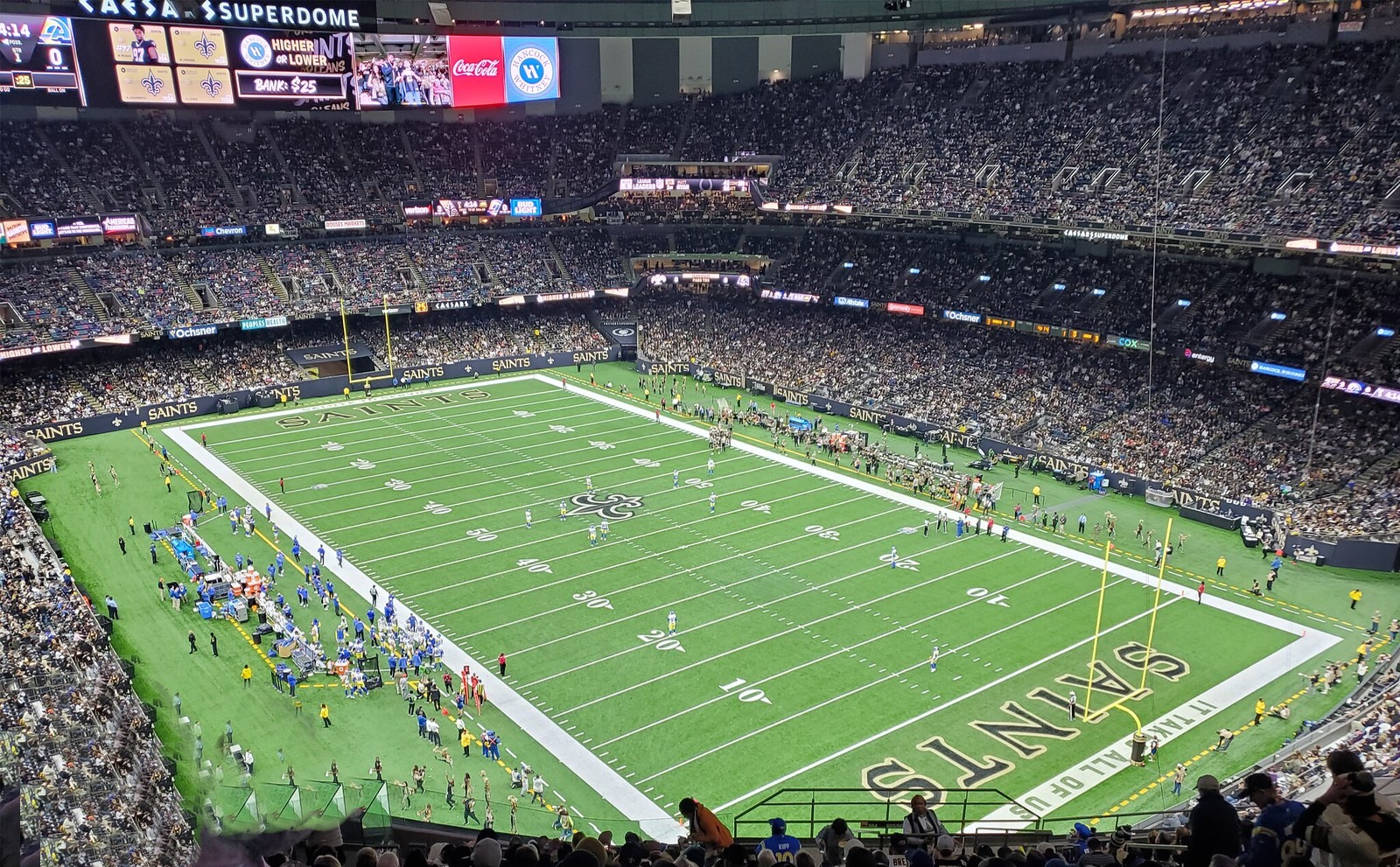
Basketball, Concerts, and Beyond: Flexible Seating Arrangements
The true genius of the Superdome’s design lies in its flexibility. While 73,000+ is the standard for football, its capacity can be significantly altered for other types of events:
- Basketball: When configured for basketball, particularly for major collegiate tournaments like the NCAA Final Four (which it has hosted multiple times) or the annual Sugar Bowl basketball classic, the capacity can reach upwards of 75,000 or even more, utilizing floor seating and all tiers of the stadium. The court is typically placed in the center, and the seating is arranged to maximize visibility for all attendees, creating an arena-like experience on a massive scale.
- Concerts: For major concerts and music festivals, the capacity is highly variable, depending on the stage setup and whether a portion of the stadium is blocked off. A typical large-scale concert might accommodate anywhere from 30,000 to 80,000+ people. For example, the annual Essence Festival, which is one of the largest African American cultural festivals in the United States, utilizes the Superdome for its evening concerts, drawing massive crowds that fill the stadium to near its maximum capacity, transforming it into an epicenter of music and celebration.
- Conventions and Exhibitions: For trade shows, conventions, and other non-seating events, the vast floor space of the Superdome offers immense potential. While not measured by “seating capacity,” these events can attract thousands of attendees daily, utilizing the entire 166,000 square feet of contiguous exhibition space, in conjunction with the adjacent New Orleans Ernest N. Morial Convention Center.
This versatility is crucial for New Orleans’s tourism industry, allowing the city to bid for and host a wide array of high-profile events that draw national and international visitors year-round.
The Maximum Occupancy: A Shelter in Times of Need
Beyond the glitz and glamour of sports and entertainment, the Superdome holds a unique and somber place in history for its role as a “shelter of last resort.” Most notably, during Hurricane Katrina in 2005, the stadium became a refuge for tens of thousands of New Orleans residents displaced by the catastrophic flooding. While the conditions were dire and widely criticized, the event underscored the Superdome’s sheer physical capacity to hold a massive number of people.
In such extreme circumstances, the concept of “capacity” shifts from comfortable seating to mere occupancy. During Hurricane Katrina, estimates suggest that over 25,000 people sought refuge inside the Superdome at its peak, with many more congregating outside. This capacity to house people, albeit under emergency conditions, highlights its robust construction and significant footprint, which remain invaluable assets to the community. While not a measure of “event capacity,” it speaks to the ultimate scale of human presence the structure can contain.
Beyond the Seating Chart: The Superdome as a New Orleans Landmark
The Superdome’s capacity is not just about the numbers of people it can hold for an event; it also represents its immense presence as a cultural and architectural landmark in New Orleans and the broader United States.
Architectural Marvel and Historical Significance
Opened in 1975 as the Louisiana Superdome, the structure was an engineering marvel for its time. Its enormous geodesic dome, spanning 680 feet in diameter and rising 27 stories tall, dominates the New Orleans skyline. Designed by Nathaniel Curtis, it remains one of the largest fixed-domed structures globally. Over the years, it has undergone significant renovations and name changes, transitioning from the Louisiana Superdome to the Mercedes-Benz Superdome, and now the Caesars Superdome. Each iteration has maintained its original grandeur while integrating modern amenities, technology, and sustainability features, ensuring its continued relevance as a world-class venue.
Its history is intertwined with the city’s identity. It stood as a symbol of aspiration and progress upon its completion, hosting not just sporting events but also significant political conventions and cultural gatherings. Its role in the aftermath of Hurricane Katrina, though controversial, cemented its place in the collective memory, representing both the city’s vulnerability and its indomitable spirit. This rich history makes a visit to the Superdome, whether for an event or just to admire its exterior, a journey through a significant piece of American heritage. As a landmark, it offers a glimpse into the architectural ambition and resilience that characterize New Orleans.

Economic Impact and Tourism Driver
The sheer capacity of the Superdome to host large numbers of people directly translates into a substantial economic impact for New Orleans. Major events, whether they are Super Bowls, Final Fours, or the Essence Festival, attract hundreds of thousands of out-of-town visitors annually. These visitors fill hotel rooms, dine in local restaurants, shop in boutiques, and explore other attractions like the French Quarter and the Garden District.
The influx of tourism revenue supports countless local businesses and creates employment opportunities, making the Superdome a vital component of the city’s economic ecosystem. It’s a prime example of how major sports and entertainment venues can be powerful drivers of urban tourism, enhancing the overall lifestyle and prosperity of a destination. For travelers, this means a more vibrant city with a wider array of services, dining experiences, and cultural offerings, all bolstered by the events held at this grand arena.
Planning Your Visit: Experiences Around the Superdome
For those looking to experience the Superdome’s impressive capacity firsthand, planning is key to maximizing your visit to New Orleans.
Attending an Event: Tips for a Seamless Experience
If you’re planning to attend a Saints game, concert, or other event, consider these tips for a seamless experience:
- Tickets: Purchase tickets well in advance, especially for popular games or concerts, as the substantial capacity often sells out quickly.
- Transportation: The Superdome is conveniently located in the Central Business District (CBD), making it accessible via various transportation options. Public transportation, ride-shares, and walking from nearby hotels are excellent choices. Parking can be challenging and expensive on event days.
- Arrival: Arrive early to soak in the atmosphere, navigate security, and find your seats. For Saints games, the pre-game festivities around Champions Square are an experience in themselves, often drawing thousands of fans.
- Inside the Dome: Be prepared for large crowds, especially during ingress and egress. The Superdome offers numerous concession stands, restrooms, and amenities to cater to its massive audiences. Modern digital signage and cellular connectivity have greatly improved the visitor experience in recent years.
Nearby Accommodation and Dining Options
The area surrounding the Caesars Superdome is rich with accommodation and dining options, catering to a diverse range of budgets and preferences.
- Hotels: Many premium hotels are within walking distance, making them ideal for event-goers. Options like the Hyatt Regency New Orleans, which is directly connected to the Superdome via the Benson Tower, or other establishments in the Central Business District such as the Loews New Orleans Hotel or The Roosevelt New Orleans, offer luxury and convenience. For those seeking a different vibe, the historic French Quarter is just a short streetcar or ride-share away, providing a plethora of boutique hotels and vibrant nightlife.
- Dining: From casual eateries to upscale restaurants, the CBD and surrounding neighborhoods offer diverse culinary experiences. You can enjoy classic Louisiana cuisine – think gumbo, jambalaya, and fresh seafood – at establishments ranging from lively sports bars to fine-dining institutions. Pre-game or post-concert meals are an integral part of the New Orleans event experience.
Exploring New Orleans Beyond the Game
While the Superdome is a major draw, New Orleans itself is a destination brimming with unique culture, history, and attractions. Make sure to allocate time to explore beyond the stadium:
- French Quarter: Wander through its historic streets, marvel at the Creole architecture, listen to live jazz on Bourbon Street, and savor beignets at Café Du Monde.
- Garden District: Take a streetcar ride to admire the stately mansions and lush gardens that define this elegant neighborhood.
- Museums and Attractions: Visit the world-class National WWII Museum, explore marine life at the Audubon Aquarium of the Americas along the Mississippi River, or immerse yourself in Mardi Gras history at the Mardi Gras World.
- Cuisine: Indulge in the city’s unparalleled food scene, from casual po’boys to sophisticated Creole and Cajun dishes.
Integrating these tourism experiences with your event attendance will provide a holistic view of what makes New Orleans a truly remarkable travel destination.
In conclusion, the New Orleans Superdome, or Caesars Superdome as it is known today, is a venue of impressive and adaptable capacity. While it primarily holds over 73,000 people for NFL games and can expand to 75,000+ for other major events like basketball tournaments and concerts, its true “capacity” extends beyond mere numbers. It represents the enormous human experiences it facilitates, the historical narratives it embodies, and its enduring role as a beacon of resilience and economic vitality for New Orleans. For any traveler, visiting this architectural icon is an encounter with the heart and soul of the Crescent City itself.
LifeOutOfTheBox is a participant in the Amazon Services LLC Associates Program, an affiliate advertising program designed to provide a means for sites to earn advertising fees by advertising and linking to Amazon.com. Amazon, the Amazon logo, AmazonSupply, and the AmazonSupply logo are trademarks of Amazon.com, Inc. or its affiliates. As an Amazon Associate we earn affiliate commissions from qualifying purchases.