
The Boston Marathon Bombing on April 15, 2013, stands as a profoundly tragic chapter in modern American history, forever altering the landscape of security at major public events and leaving an indelible mark on the city of Boston. Understanding the full scope of this historical event requires acknowledging not just the immediate impact but also the lasting legacy of remembrance and resilience that emerged. The question of how many lives were lost is central to grasping the gravity of that day and appreciating the subsequent efforts to honor the victims and rebuild a community shaken but not broken.

A Day That Shook Boston: The 2013 Attack
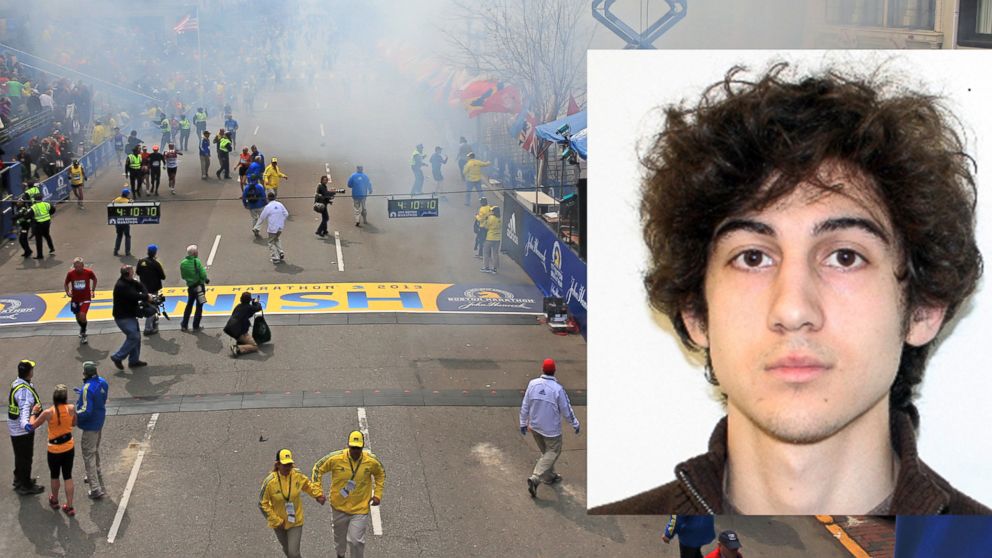
On a bright spring afternoon, as thousands of runners completed their grueling 26.2-mile journey and spectators cheered them on, two pressure-cooker bombs detonated near the finish line of the Boston Marathon on Boylston Street. The attacks occurred minutes apart, transforming a scene of triumph and celebration into one of chaos, terror, and profound grief. This deliberate act of violence aimed at a symbol of unity and athletic achievement sent shockwaves across the nation and the world. The historical significance of the event lies not only in the attack itself but also in the immediate, widespread outpouring of assistance and the subsequent determination to heal.
The Tragic Toll
The immediate impact of the Boston Marathon Bombing was devastating. Three individuals, who had gathered to celebrate or witness a cherished tradition, lost their lives directly due to the explosions. These victims were:
- Martin Richard: An 8-year-old boy from Dorchester, Massachusetts, who was watching the race with his family. His death became a poignant symbol of the innocence shattered by the attack.
- Krystle Campbell: A 29-year-old restaurant manager from Medford, Massachusetts, who was attending the marathon with a friend. She was known for her vibrant spirit and kindness.
- Lu Lingzi: A 23-year-old graduate student from China attending Boston University. She was at the finish line with a friend, embodying the international spirit of the marathon.
Beyond these immediate fatalities, the tragedy’s shadow extended to first responders and others in the days and years that followed. One additional life was lost during the manhunt for the perpetrators. Sean Collier, a 27-year-old police officer for the Massachusetts Institute of Technology (MIT) Police Department, was ambushed and fatally shot by the bombers several days after the attack, on April 18, 2013, as they attempted to flee. His death added another layer of sorrow to the unfolding events and underscored the bravery and sacrifice of law enforcement.
While not directly resulting from the bombs, the profound psychological and physical trauma inflicted by the bombing also led to another tragic loss years later. Dennis Simmonds, a Boston Police officer who responded to the Watertown shootout with the bombers, died in 2014 from a brain aneurysm that was determined to be related to the injuries he sustained in that confrontation. Though not a direct fatality of the initial explosions, his death is widely recognized as a consequence of the bombing’s extended chain of events.
In total, the Boston Marathon Bombing and its immediate aftermath claimed the lives of five individuals, each a profound loss to their families, friends, and the broader community. Hundreds more were injured, many severely, facing life-altering physical and emotional scars.
The Immediate Aftermath
The moments following the explosions were characterized by immense human courage and swift, coordinated action. Spectators, runners, and first responders immediately rushed to aid the injured, demonstrating an instinct for compassion amidst the chaos. Hospitals across Boston and the surrounding areas activated mass casualty protocols, providing critical care to the hundreds of victims, many of whom sustained shrapnel wounds, burns, and traumatic amputations. This period showcased the strength and efficiency of the city’s emergency services and the unwavering resolve of its citizens. The response itself became a historical moment, defining Boston’s spirit of unity in the face of adversity.
The Victims Remembered: A Lasting Legacy
The memory of those lost and the enduring spirit of survival became cornerstones of Boston’s recovery. The bombing spurred an outpouring of grief, solidarity, and a determination to ensure that the victims would never be forgotten. This collective resolve manifested in various forms, from grassroots community support to official civic endeavors, shaping how the city memorializes its past and looks to its future.
Honoring the Lost

In the wake of the attacks, various initiatives emerged to honor Martin Richard, Krystle Campbell, Lu Lingzi, Sean Collier, and Dennis Simmonds. Foundations were established in their names, scholarships created, and community projects launched, all aiming to embody the values and aspirations of those who perished. These memorials extend beyond physical markers, representing living legacies that continue to impact lives through education, community service, and promoting peace. Each initiative serves as a poignant reminder of the individual lives affected and the collective commitment to fostering a stronger, more compassionate society.
The Spirit of One Boston
The phrase “Boston Strong” quickly became a global rallying cry, symbolizing the city’s resilience and unity. This spirit was evident in the immediate response, the determined pursuit of justice, and the unwavering commitment to holding the Boston Marathon again the following year. The “One Boston” fund raised tens of millions of dollars to support victims and their families, showcasing an unprecedented level of philanthropic generosity and community solidarity. This collective effort not only provided crucial financial assistance but also created a powerful narrative of communal healing and shared purpose, embedding itself into the city’s historical fabric. The marathon, as a major landmark event, was imbued with new meaning, becoming an annual testament to perseverance.
The Boston Marathon Memorial: A Place of Reflection
To ensure that the events of April 15, 2013, and the lives lost are never forgotten, the City of Boston embarked on the creation of a permanent memorial. Dedicated in 2019, the Boston Marathon Memorial serves as a poignant landmark, offering a place for reflection, remembrance, and the acknowledgment of the profound impact of the bombing. Located near the sites of the two explosions, it transforms a once-tragic spot into a sacred space, deeply integrated into the historical narrative of Boylston Street and the city itself.
Designing for Remembrance
The memorial, designed by the landscape architecture firm Sasaki Associates, consists of two distinct areas, one for each bomb site. It features a series of vertical light poles, each adorned with a polished bronze ring, symbolizing the halos and strength of the victims. The rings bear the names of those who died, encircling granite stones that mark the precise locations of the explosions. These elements are set within a landscape of perennial flowers, particularly forget-me-nots, which bloom each spring, symbolizing eternal remembrance. The design carefully balances solemnity with a sense of growth and enduring life, creating a respectful and moving tribute that enhances the historical importance of the site.
Location and Symbolism
Strategically placed on Boylston Street, the memorial is integrated into the everyday life of the city, ensuring that the historical event remains a visible part of Boston’s urban fabric. Its proximity to the marathon finish line means that runners and spectators continue to interact with this sacred space, reinforcing the idea that the spirit of the marathon endures. The memorial is not just a static monument; it is a dynamic landmark, constantly interacting with the energy of the city and the ongoing tradition of the Boston Marathon. It serves as a powerful reminder of both human vulnerability and the remarkable capacity for resilience, teaching future generations about a pivotal moment in Boston’s history.
Historical Significance and Enduring Resilience
The Boston Marathon Bombing stands as a critical historical event, not only for the lives it tragically cut short but also for the way it redefined aspects of security, community response, and the enduring spirit of a city. The landmarks of remembrance—the memorial itself, the finish line forever altered by memory, and the countless acts of kindness—all contribute to a powerful narrative of resilience and the determination to overcome adversity.
Impact on a City’s Narrative
The bombing irrevocably changed Boston’s modern narrative. It brought into sharp focus the vulnerabilities of open, public events while simultaneously highlighting the extraordinary courage and unity of its citizens. The city’s response, characterized by unwavering support for victims and a collective defiance against terror, has become a defining aspect of its identity. This historical moment serves as a testament to how tragedy can, paradoxically, forge stronger bonds within a community, inspiring a legacy of empathy and mutual support that continues to resonate today. The memory of the event and its victims is deeply woven into the city’s historical sites and cultural identity.
The Marathon’s Unbroken Spirit
Each year, when thousands gather for the Boston Marathon, the memory of April 15, 2013, is palpable. The race itself has become a living memorial, a symbol of defiance and an affirmation of life. The finish line, once a scene of devastation, is now an annual landmark of triumph over tragedy. The runners, the spectators, and the city as a whole participate in an act of collective remembrance and celebration of the human spirit. The marathon continues to draw participants and visitors from around the globe, demonstrating that while the city bears its scars, its heart remains unbroken, and its historical landmarks continue to tell a story of enduring strength.
LifeOutOfTheBox is a participant in the Amazon Services LLC Associates Program, an affiliate advertising program designed to provide a means for sites to earn advertising fees by advertising and linking to Amazon.com. Amazon, the Amazon logo, AmazonSupply, and the AmazonSupply logo are trademarks of Amazon.com, Inc. or its affiliates. As an Amazon Associate we earn affiliate commissions from qualifying purchases.