
The question “How many people died in the Boston Marathon?” evokes a somber memory of a day that shook the city of Boston and the world. While the Boston Marathon is typically celebrated as a pinnacle of athletic achievement, community spirit, and historical tradition, the events of April 15, 2013, indelibly altered its narrative. That day, a terrorist attack near the finish line transformed a joyful celebration into a scene of tragedy, prompting a global outpouring of sympathy and a powerful demonstration of resilience encapsulated by the phrase “Boston Strong.” Understanding the human cost of this event is crucial for remembering the victims, acknowledging the enduring impact on survivors, and appreciating the remarkable spirit of a city that refused to be defined by fear.
This article delves into the specifics of the casualties, the immediate aftermath, and how Boston has healed and evolved, offering insights for visitors who wish to engage with this vibrant city, respect its history, and experience its unique culture and landmarks. For those planning a trip, understanding the local context, whether exploring historical sites or participating in future Marathon events, enriches the travel experience.
The Tragic Day: Understanding the Boston Marathon Bombing
The 2013 Boston Marathon bombing stands as a stark reminder of vulnerability in public spaces and the profound impact of senseless violence. On that Patriot’s Day, as thousands of runners completed their 26.2-mile journey and spectators cheered them on, two pressure-cooker bombs detonated just seconds apart near the finish line on Boylston Street. The joyous atmosphere instantly turned to one of chaos, fear, and heroism. This section explores the immediate impact and the cascade of events that followed, underscoring the gravity of the situation and the immediate response from a community united in the face of adversity.
The Immediate Impact and Casualties
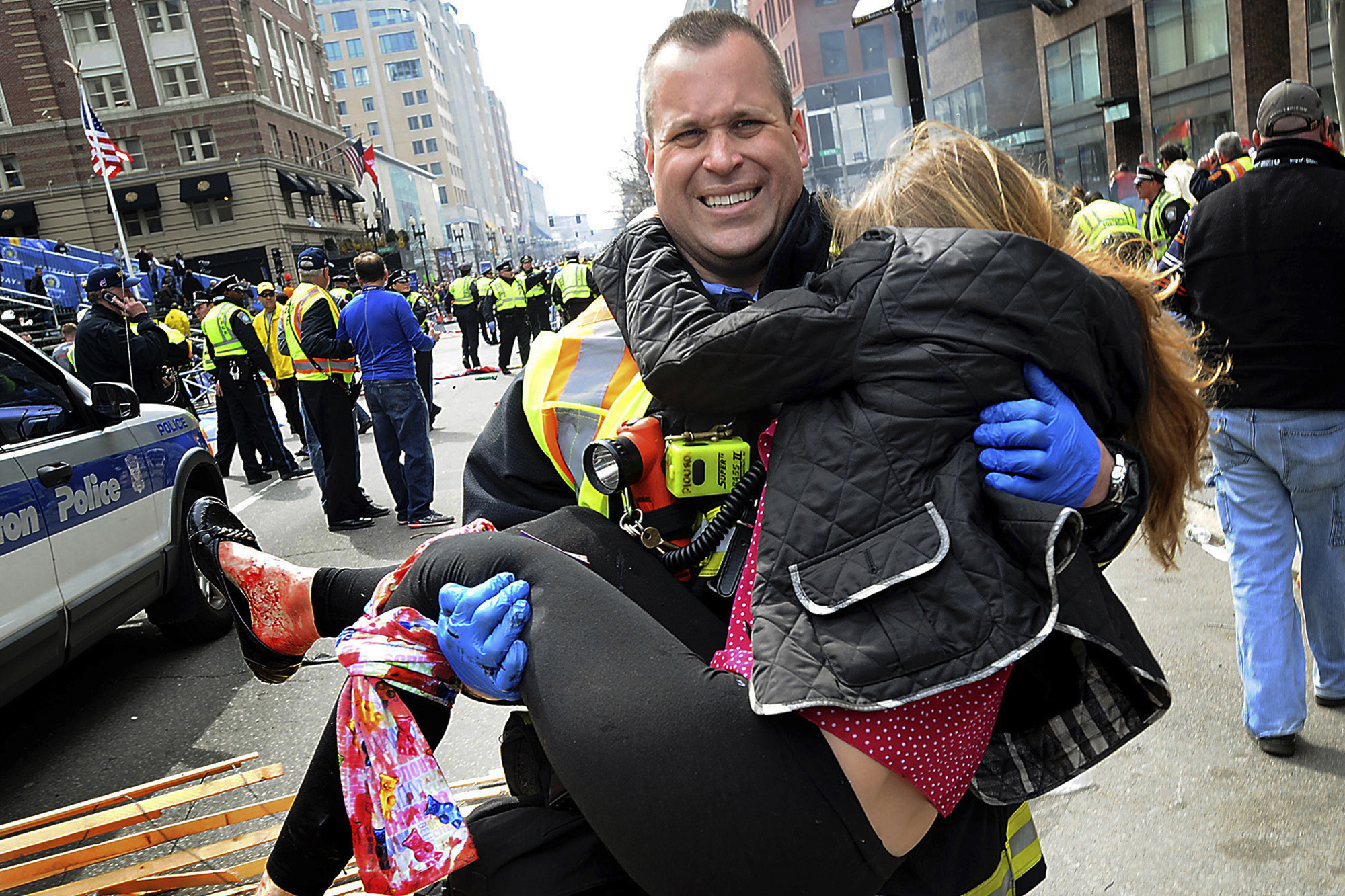
The bombings directly resulted in the deaths of three individuals at the scene and injured hundreds more, many critically. The victims, ranging in age and background, represented the diverse cross-section of humanity drawn to the Marathon. Krystle Campbell, a 29-year-old restaurant manager from Arlington, Massachusetts, was enjoying the race with a friend. Martin Richard, an 8-year-old boy from Dorchester, Massachusetts, was cheering on runners with his family. Lingzi Lu, a 23-year-old graduate student from China attending Boston University, was observing the race with friends. Their lives were tragically cut short, leaving an unfillable void for their families and communities. The sheer force of the explosions caused devastating injuries, including traumatic amputations, shrapnel wounds, and hearing loss, affecting over 260 people. The images of first responders, medical personnel, and even ordinary citizens rushing to aid the wounded became enduring symbols of courage and compassion amidst the terror.
Beyond these immediate casualties, the tragic events of the week profoundly impacted others. Days later, during the extensive manhunt for the perpetrators, Massachusetts Institute of Technology (MIT) Police Officer Sean Collier, 27, was ambushed and killed by the bombers in Cambridge. His death added another layer of sorrow to the unfolding tragedy, highlighting the risks faced by law enforcement. Furthermore, Boston Police Officer Dennis Simmonds, 35, who was injured during a subsequent shootout with the suspects in Watertown, succumbed to his injuries nearly a year later due to complications from a head injury sustained during the confrontation. When considering the full scope of lives lost directly and indirectly due to the 2013 Boston Marathon attack and its aftermath, the number stands at five: Krystle Campbell, Martin Richard, Lingzi Lu, Sean Collier, and Dennis Simmonds. This comprehensive view recognizes the interconnectedness of the week’s events and the broader human cost.

A City Shaken: The Days That Followed
The bombings plunged Boston into an unprecedented state of emergency. The bustling streets went silent, and the entire metropolitan area, including neighboring cities like Cambridge, was gripped by a city-wide lockdown as authorities launched a massive, coordinated search for the perpetrators. This period was marked by extraordinary tension and uncertainty, but also by incredible displays of unity and resolve. Residents heeded warnings, businesses closed, and public transportation halted, all to assist law enforcement in their pursuit. The search culminated in a dramatic chase and shootout in Watertown, leading to the death of one bomber and the capture of the other.
During these challenging days, the resilience of the Boston community shone brightly. From impromptu memorials adorned with flowers and messages of hope to organized fundraisers and vigils, people came together. Hospitals were overwhelmed but responded with extraordinary efficiency and care. Blood banks saw unprecedented donations, and support networks for victims and their families sprang up immediately. This period not only showcased the strength of Boston’s civic infrastructure but also the deep-seated compassion within its population. For visitors today, understanding this history provides context to the city’s unique character and the reverence with which the anniversary of the events is observed. Many hotels in the Back Bay area, such as the Fairmont Copley Plaza, which is directly across from the finish line, became impromptu hubs for responders and news crews during this period, playing an understated but vital role in the initial response.

Remembering the Victims and Honoring Resilience
The memory of those lost and the bravery of those who responded remain central to Boston’s narrative. The city has meticulously worked to ensure that the victims are not forgotten and that their legacy inspires a commitment to peace, community, and the enduring human spirit. This process of remembrance goes beyond mournful reflection; it actively fosters a culture of resilience and positive action, attracting visitors who wish to pay their respects and experience a city that has transformed adversity into strength.
Faces of Loss: The Lives Remembered
The three individuals who died at the finish line – Krystle Campbell, Martin Richard, and Lingzi Lu – are remembered through permanent memorials and ongoing initiatives. The Boston Marathon Memorials, located at the sites of the two bombings on Boylston Street near Copley Square, are places of quiet contemplation. These elegant tributes, featuring granite obelisks, serve as a solemn reminder of the lives lost and a testament to the city’s resolve. The Boston Public Library across the street, a historic Boston landmark, also serves as a point of reference for the events that unfolded.
The Martin Richard Foundation, established in memory of young Martin Richard, promotes peace, justice, and community service, embodying his message of “No more hurting people. Peace.” This foundation, along with others created in honor of Krystle Campbell and Lingzi Lu, ensures that their legacies inspire positive change. Officer Sean Collier is honored annually by MIT and his memory lives on through scholarship funds and various community programs. Officer Dennis Simmonds is remembered for his dedication to public service and the sacrifice he made. These memorials and foundations underscore a commitment to turning tragedy into enduring purpose, reflecting Boston’s deep-seated values of community and perseverance. For tourists interested in Boston’s history and culture, visiting these sites offers a poignant connection to its recent past and the indomitable spirit of its people.
The Spirit of Boston Strong: Community and Recovery
The phrase “Boston Strong” quickly became a rallying cry, symbolizing the city’s unity, determination, and resilience in the face of terror. This spirit permeated every aspect of recovery, from the immediate medical response to the long-term support for survivors. Charities like The One Fund Boston raised millions to aid victims and their families, demonstrating an unprecedented global solidarity. The outpouring of support from across the United States and around the world highlighted the universal desire to stand with Boston.
The annual Boston Marathon itself became a powerful symbol of this resilience. The year after the bombing, in 2014, the race saw a record number of participants and spectators, all united in a defiant display of strength and remembrance. The atmosphere was charged with emotion, not of fear, but of triumph and community. This commitment to reclaiming the Marathon as a celebration of endurance and spirit underscores the city’s refusal to let terrorism win. For visitors, experiencing the Marathon firsthand, whether as a runner or a spectator, offers a profound insight into this enduring spirit. Many travel to Boston specifically for this event, booking accommodations well in advance, from luxury suites in high-rise hotels overlooking Boylston Street to more budget-friendly options further afield, all keen to partake in this significant cultural experience.
Boston as a Destination: Beyond the Marathon’s Shadow
While the 2013 tragedy is an undeniable part of Boston’s modern history, it does not define the city. Boston remains a premier travel destination, rich in history, vibrant in culture, and dynamic in its contemporary offerings. Visitors come to explore its revolutionary past, indulge in its culinary scene, experience its world-class museums, and enjoy its unique neighborhoods. The city’s resilience only adds another layer of depth to its appeal, inviting travelers to connect with a place that gracefully balances its storied past with its lively present.
Experiencing Boston’s Landmarks and Culture
Boston offers an unparalleled blend of historical significance and modern urban charm. The iconic Freedom Trail guides visitors through revolutionary war sites, including Paul Revere’s House and Faneuil Hall Marketplace, providing a tangible link to the founding of the United States. Beyond history, the city boasts a thriving arts scene, with institutions like the Museum of Fine Arts and the Isabella Stewart Gardner Museum. For families, attractions like the New England Aquarium and the Boston Children’s Museum provide engaging experiences.
Culinary exploration is another highlight, from fresh seafood at the Seaport District to authentic Italian cuisine in the charming North End. The architecture, particularly in areas like Beacon Hill with its gas lamps and cobblestone streets, offers picturesque strolls. The green oasis of the Boston Common and Public Garden provides a serene escape in the heart of the city. These diverse attractions make Boston a destination for all types of travelers, from those seeking educational experiences to those simply looking for a relaxing urban getaway. The events of 2013, while tragic, are integrated into this rich tapestry, adding a dimension of contemporary history and human fortitude to the city’s enduring appeal.
Planning Your Visit: Accommodation and Travel Tips
When planning a trip to Boston, choosing the right accommodation is key to a fulfilling experience. The city offers a wide range of options, from luxury hotels in Back Bay near the Prudential Center and Copley Square to boutique hotels in the Theater District and more budget-friendly apartments and guesthouses in surrounding neighborhoods. Websites specializing in accommodation offer detailed reviews and comparison tools to help travelers find the perfect fit, whether it’s a high-end resort for a special occasion, a family-friendly hotel with amenities, or a long-term stay apartment for business travelers. Booking in advance is highly recommended, especially during peak seasons like autumn foliage or major events like the Boston Marathon.
Transportation within Boston is efficient, with the “T” (subway system) connecting most major attractions. Many areas, like the historic downtown and Beacon Hill, are best explored on foot. For international visitors, Logan International Airport serves as the primary gateway, offering numerous direct flights. Beyond the logistical aspects, travelers are encouraged to engage with local culture respectfully. Bostonians are proud of their city and its history, including its resilience. Participating in local events, visiting museums, and dining at local establishments all contribute to a richer, more authentic travel experience, fostering a deeper connection with a city that continues to thrive and inspire.
The Boston Marathon Today: A Symbol of Endurance
The Boston Marathon holds a unique place in the hearts of runners and spectators worldwide. As the world’s oldest annual marathon, it has always been a test of endurance, a celebration of athleticism, and a vibrant community event. In the years since the 2013 bombing, the race has transformed into an even more profound symbol – one of collective resilience, unwavering spirit, and a powerful refusal to yield to fear. Security measures have been enhanced, but the fundamental joy and community spirit of the event remain undimmed, making it a compelling experience for participants and visitors alike.
The Enduring Legacy of the Race
The Boston Marathon today carries with it the echoes of its past, but it runs forward with renewed purpose. Each year, the race serves as a powerful testament to the human spirit’s ability to overcome adversity. The finish line on Boylston Street, once a scene of devastation, is now a beacon of triumph, where thousands of runners achieve their dreams and are met with thunderous applause. The crowds lining the 26.2-mile course, from the start in Hopkinton to the streets of Newton and Brookline, are larger and more enthusiastic than ever, demonstrating a collective embrace of the Marathon’s enduring legacy.
The Marathon also continues its significant charitable impact, with many runners raising funds for various causes, including those related to the 2013 tragedy and local Boston charities. This philanthropic aspect further solidifies its role not just as a sporting event, but as a community cornerstone that actively gives back. For those interested in lifestyle travel, experiencing a major event like the Boston Marathon offers a unique perspective on a city’s culture and values, far beyond typical sightseeing. It highlights how communities can rally, heal, and continue to celebrate life even after experiencing profound challenges.
Participating as a Runner or Spectator
For many, participating in the Boston Marathon is a lifelong dream, requiring rigorous training and meeting stringent qualification standards. For others, being a spectator is an equally profound experience. The energy of the crowd, the inspiring stories of the runners, and the palpable sense of community make it an unforgettable day. If you’re planning to experience the Marathon, whether as a participant or a cheering fan, advance planning is essential. Hotels along the route and in downtown Boston book up months in advance. Many travel guides and tourism websites offer tips on the best spots to watch the race, how to navigate the city on Marathon Monday, and where to find local dining options that capture the festive atmosphere.
The race week itself is often filled with related events, including a large expo where runners pick up their bibs and visitors can immerse themselves in the running culture. This period offers a fantastic opportunity for travelers to engage with the city beyond its historical sites, experiencing a unique facet of Boston’s contemporary identity. From luxury travel experiences centered around the event to more budget-conscious trips focused on the race, the Boston Marathon offers a powerful and deeply moving experience that celebrates human potential and the unyielding spirit of a resilient city. It serves as a living memorial, demonstrating that even in the face of immense sorrow, life, celebration, and hope continue to triumph.
LifeOutOfTheBox is a participant in the Amazon Services LLC Associates Program, an affiliate advertising program designed to provide a means for sites to earn advertising fees by advertising and linking to Amazon.com. Amazon, the Amazon logo, AmazonSupply, and the AmazonSupply logo are trademarks of Amazon.com, Inc. or its affiliates. As an Amazon Associate we earn affiliate commissions from qualifying purchases.