
The devastating wildfires that have become an unfortunate hallmark of California’s recent history raise critical questions, not least of which is the human cost. While the dramatic images of burning forests and scorched landscapes dominate headlines, the true impact is measured in lives lost, communities displaced, and the enduring trauma inflicted upon those who survive. Understanding the number of fatalities in these infernos is not merely an academic exercise; it’s a crucial step in comprehending the scale of the disaster, informing future prevention and response strategies, and honoring the memory of those who perished.
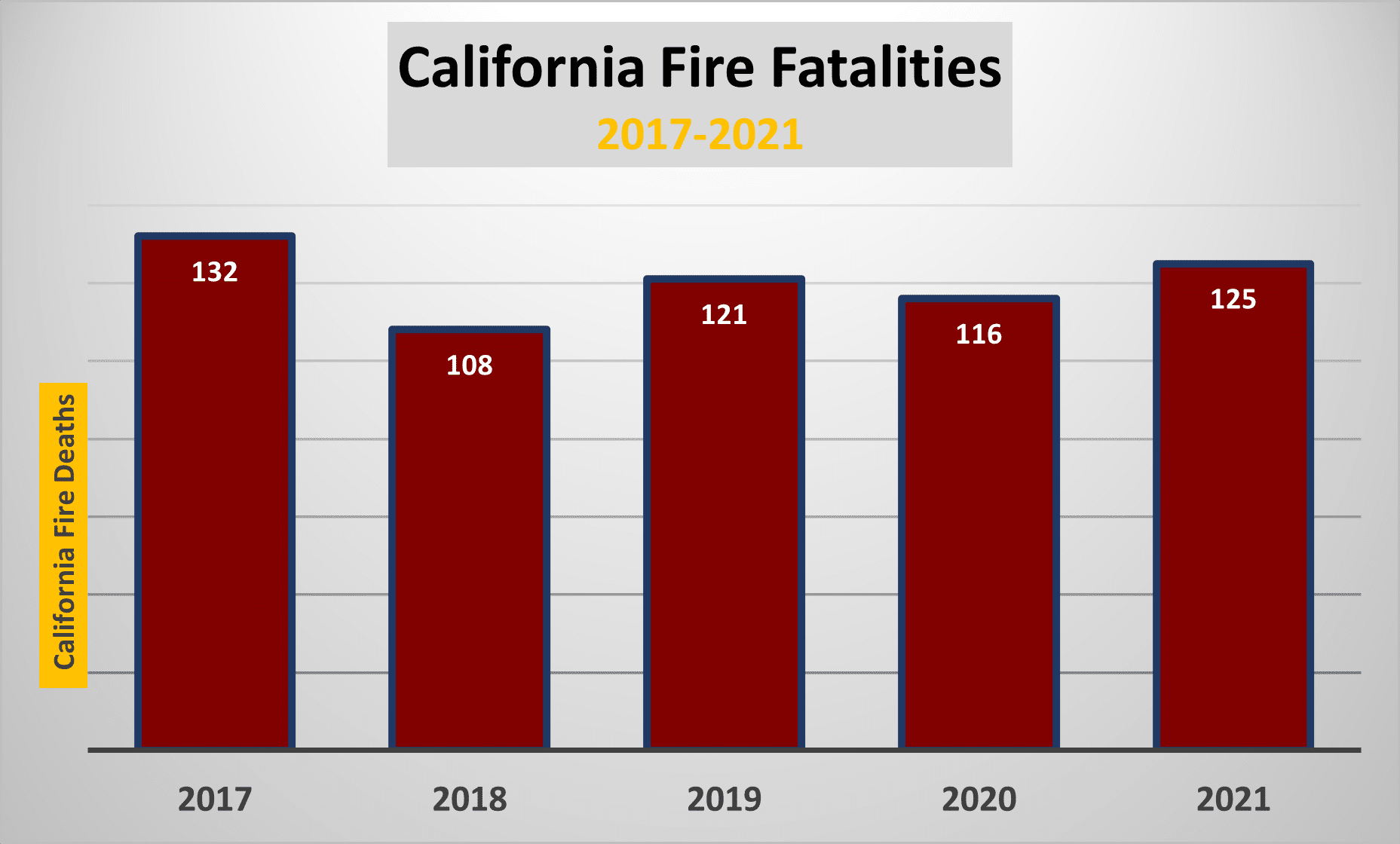
The Human Toll of California’s Wildfires
The question of “how many” is complex, as fire seasons can vary in intensity and the reporting of casualties can evolve as investigations proceed. However, by examining historical data and the most significant fire events, we can paint a clearer, albeit somber, picture of the human toll. The narrative of California’s wildfires is inextricably linked to its unique geography, climate, and increasing urbanization, all of which contribute to the heightened risk and the potential for tragic outcomes.
Understanding the Scope of Fatalities
The number of lives lost in California fires is not static. It fluctuates from year to year, influenced by factors such as weather patterns, land management practices, and the effectiveness of early warning and evacuation systems. While minor fires might not result in any casualties, larger, fast-moving conflagrations, often exacerbated by strong winds, can overwhelm communities, making escape impossible for some.
The most destructive fires in terms of fatalities often occur when flames engulf residential areas, catching people unaware or trapping them in their homes. Elderly individuals, those with mobility issues, and individuals in remote areas are particularly vulnerable. The psychological impact on survivors, who may have witnessed the loss of loved ones or their entire livelihoods, is profound and long-lasting, extending far beyond the immediate physical destruction.
Notable Fire Incidents and Their Fatality Counts
To grasp the magnitude of the problem, it’s essential to look at some of the most devastating wildfires in California‘s recent memory and the lives they claimed. These incidents serve as stark reminders of the inherent dangers and the urgent need for robust mitigation and preparedness efforts.
The Camp Fire: A Grim Benchmark
The Camp Fire of 2018 in Butte County, California, remains the deadliest wildfire in the state’s recorded history. This inferno, which swept through the town of Paradise, claimed an astonishing 85 lives. The speed and intensity with which the fire spread, fanned by powerful winds, left residents with little to no time to evacuate. The devastation was near-total, with thousands of homes and businesses reduced to ash. The Camp Fire not only highlighted the catastrophic potential of wildfires but also exposed critical shortcomings in emergency response and communication, prompting widespread reviews and reforms. The destruction of Paradise was a stark illustration of how quickly a community can be erased by fire.
The Tubbs Fire: A Shadow Over Wine Country
Another tragically significant event was the Tubbs Fire in 2017, which ravaged parts of Napa County and Sonoma County. While not reaching the death toll of the Camp Fire, the Tubbs Fire was responsible for 22 fatalities. This fire was particularly devastating to the picturesque California Wine Country, a region renowned for its vineyards and luxury resorts. The loss of life, coupled with the destruction of historic wineries and businesses, had a significant economic and cultural impact on the region. The fire’s erratic behavior and its rapid advance through densely populated areas underscored the vulnerability of even well-established communities to the fury of uncontrolled flames.
Other Significant Fires and Their Human Impact
Beyond these headline-grabbing events, numerous other wildfires have tragically claimed lives in California. The Woolsey Fire in 2018, which burned through parts of Los Angeles County and Ventura County, resulted in three fatalities. The Hill Fire, also in 2018, added to the death toll in Ventura County. Even less publicized fires can carry a devastating human cost, often affecting individuals in more isolated areas who may not have immediate access to emergency services. Each number represents a unique life, a family, and a story cut short by the relentless advance of fire.
Factors Contributing to Wildfire Fatalities
The increasing frequency and severity of wildfires in California are not solely due to climate change, though it is a significant contributing factor. A confluence of other elements plays a crucial role in shaping the landscape of danger and, consequently, the potential for loss of life. Understanding these interwoven factors is key to developing comprehensive strategies for prevention and mitigation.
The Role of Climate Change and Weather Patterns
California‘s climate is characterized by its Mediterranean pattern, with hot, dry summers and mild, wet winters. However, in recent decades, this pattern has been amplified by climate change, leading to prolonged drought conditions, higher average temperatures, and a longer wildfire season.
Extended Droughts and Fuel Accumulation
Extended periods of drought create ideal conditions for wildfires. Vegetation, deprived of moisture, becomes extremely dry and combustible. This dried-out fuel, including grasses, shrubs, and trees, acts like tinder, allowing fires to ignite easily and spread with alarming speed. The accumulation of dead vegetation over years of drought significantly increases the potential fuel load for any ignition.
High Temperatures and Low Humidity
When high temperatures combine with low humidity, the risk of ignition and rapid fire spread escalates dramatically. These conditions can turn a small spark into an uncontrollable inferno within minutes. The extreme heat also makes firefighting efforts more perilous for the brave men and women who battle these blazes.
Strong Winds and Fire Behavior
California is frequently subjected to strong, dry winds, particularly the Santa Ana winds in Southern California and the Diablo winds in Northern California. These winds act as powerful accelerants for wildfires, fanning flames, carrying embers for miles (leading to spot fires), and pushing fires into new areas with incredible speed. The erratic nature of these winds can make predicting fire behavior extremely challenging, posing a significant threat to both firefighters and residents.
Human Factors: Development and Behavior
While natural conditions set the stage for wildfires, human actions and patterns of development significantly influence where and how these fires impact communities, and subsequently, the number of lives lost.
Wildland-Urban Interface (WUI) Expansion
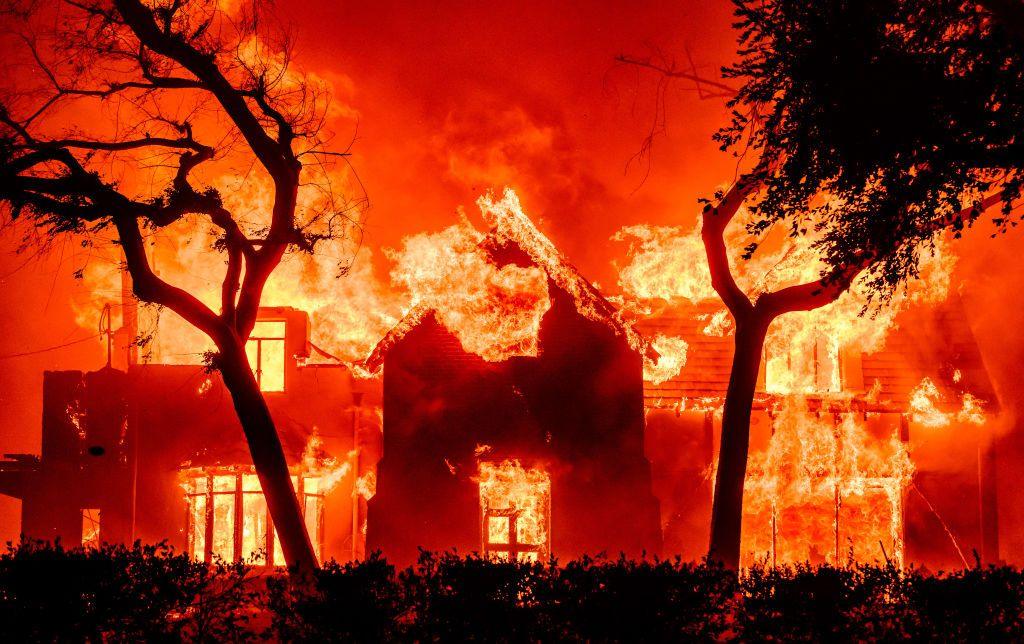
A critical factor in California‘s wildfire fatalities is the increasing encroachment of human development into wildland areas. This is commonly referred to as the Wildland-Urban Interface (WUI). As more homes and communities are built in or adjacent to areas prone to wildfires, the risk to human life and property escalates. These areas present a dual challenge: the increased likelihood of ignition due to human activity (campfires, discarded cigarettes, faulty power lines) and the greater danger to residents who may be less prepared or have fewer evacuation options. Developments in areas like Malibu, Santa Rosa, and the foothills of Los Angeles have repeatedly fallen victim to this interface.
Evacuation Challenges and Preparedness
The effectiveness of evacuation orders and the preparedness of residents are paramount in minimizing casualties. When fires move quickly, especially in WUI areas, evacuation can become a chaotic and dangerous undertaking. Traffic congestion, lack of clear communication, and residents’ reluctance or inability to leave their homes can lead to tragic outcomes. Insufficient preparedness, such as not having a go-bag or an evacuation plan, can turn a manageable situation into a life-threatening one. Public awareness campaigns and community-level preparedness initiatives are vital in mitigating these risks.
Infrastructure Vulnerability
Essential infrastructure, including power lines, communication networks, and transportation routes, can be compromised during wildfires. Damaged power lines are a frequent ignition source, and fallen lines can spark new fires. Disruptions to communication can hinder evacuation orders and emergency responses. Blocked or damaged roadways can trap residents, making escape impossible. The interconnectedness of these systems means that the failure of one can have cascading effects on the ability of communities to respond to and survive a fire.
Mitigation, Preparedness, and the Path Forward
Addressing the tragic loss of life in California‘s wildfires requires a multi-faceted approach that encompasses robust mitigation strategies, enhanced preparedness at all levels, and continued innovation in firefighting and response technologies. The goal is not simply to react to fires but to proactively reduce their risk and impact.
Enhancing Fire Prevention and Management
Preventing ignitions and managing the landscape to reduce fire intensity are crucial steps in safeguarding lives. This involves a combination of policy, technology, and community engagement.
Forest Management and Fuel Reduction
Decades of fire suppression have led to the accumulation of excessive vegetation in many California forests. This “fuel load” makes fires more intense and harder to control. Strategic forest management practices, including prescribed burns (controlled fires set under specific conditions) and mechanical thinning, are essential to reduce fuel density and create healthier, more resilient forests. These efforts aim to mimic natural fire cycles and reduce the risk of catastrophic wildfires.
Utility Infrastructure Hardening and Maintenance
Power lines have been identified as ignition sources for some of the state’s most destructive fires, including the Camp Fire. Utility companies are investing heavily in hardening their infrastructure – for example, by undergrounding power lines in high-risk areas or implementing Public Safety Power Shutoffs (PSPS) during extreme weather events. Regular maintenance, vegetation management around power lines, and the adoption of advanced technologies to detect and prevent ignitions are vital.
Improving Emergency Response and Evacuation Systems
When fires do occur, the speed and effectiveness of the emergency response and evacuation systems are critical in saving lives.
Advanced Warning Systems and Communication
Timely and clear communication is paramount. California is continually improving its early warning systems, utilizing technologies like Wireless Emergency Alerts (WEA) and advanced weather monitoring to provide residents with advance notice of potential threats. Public alert systems and clear evacuation routes need to be well-established and regularly communicated to the public. The role of social media and real-time information sharing is also increasingly important.
Coordinated Evacuation Strategies
Developing and practicing coordinated evacuation strategies is essential, particularly in the WUI. This includes establishing clear evacuation zones, ensuring adequate signage, and having well-rehearsed plans for traffic management and the evacuation of vulnerable populations. Collaboration between fire agencies, law enforcement, and local governments is key to a successful evacuation.
The Role of Communities and Individual Preparedness
Ultimately, the safety of individuals and communities during wildfires relies heavily on preparedness at the local level.
Community Education and Firewise Programs
Programs like “Firewise USA®” empower communities to take action to reduce wildfire risk around their homes and neighborhoods. This includes creating defensible space around properties, using fire-resistant building materials, and developing community-wide evacuation plans. Educating residents about fire behavior, evacuation routes, and emergency preparedness is a continuous effort.

Individual Preparedness and Evacuation Plans
Every resident living in or near wildfire-prone areas should have a personal evacuation plan. This includes knowing two ways out of their neighborhood, having a designated meeting place for family members, and preparing a “go-bag” with essential supplies that can be grabbed quickly. Understanding evacuation orders and acting decisively when they are issued can make the difference between life and death.
The question of “how many people died in California fires” is a somber one, with the numbers varying by incident. However, the underlying trend points to a growing and significant human cost. By understanding the complex interplay of environmental, climatic, and human factors, and by committing to comprehensive mitigation and preparedness strategies, California can strive to reduce future tragedies and protect the lives of its residents. The memory of those lost serves as a powerful impetus for continued action and unwavering vigilance.
LifeOutOfTheBox is a participant in the Amazon Services LLC Associates Program, an affiliate advertising program designed to provide a means for sites to earn advertising fees by advertising and linking to Amazon.com. Amazon, the Amazon logo, AmazonSupply, and the AmazonSupply logo are trademarks of Amazon.com, Inc. or its affiliates. As an Amazon Associate we earn affiliate commissions from qualifying purchases.