
The Boston Marathon, one of the world’s most prestigious and historic road races, is a vibrant annual celebration of athleticism, endurance, and community spirit. Yet, for many, the mention of the event inevitably evokes memories of a dark day in its long history. On April 15, 2013, the festive atmosphere surrounding the finish line was shattered by an act of terror, forever altering how the world would view this iconic race and the resilient city that hosts it. This tragic event resulted in the loss of precious lives and inflicted profound physical and emotional scars on countless others.
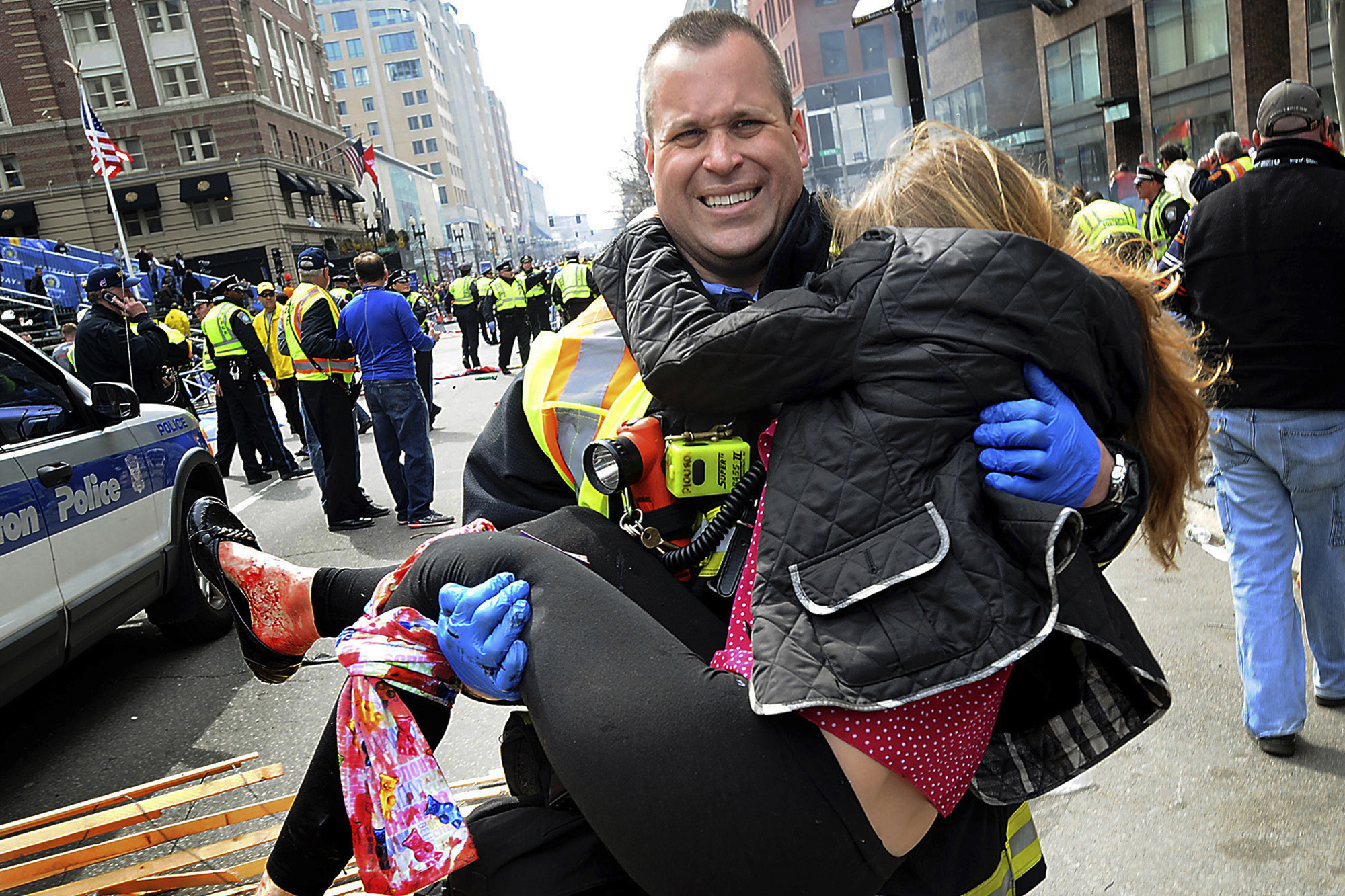
Understanding the full scope of this tragedy requires more than a simple numerical answer; it necessitates a respectful acknowledgment of those who perished, those who were injured, and the enduring impact on the city of Boston and its global community. While the immediate question concerns fatalities, the story of the Boston Marathon bombing is also one of extraordinary human resilience, the unwavering spirit of a city, and its continued journey as a beacon of history, culture, and vibrant life. It serves as a stark reminder of vulnerability, but also of the remarkable capacity for healing, unity, and hope. This article delves into the details of that fateful day, explores the aftermath, and reflects on how Boston has not only recovered but also reinforced its identity as a resilient and welcoming destination.
The Tragic Day and its Immediate Aftermath: April 15, 2013
The 117th Boston Marathon was underway, a glorious spring day in Massachusetts. Thousands of runners, ranging from elite athletes to recreational enthusiasts, were pushing their limits, while hundreds of thousands of spectators lined the streets, cheering them on. The finish line on Boylston Street in Copley Square was a hub of excitement, anticipation, and triumph as runners completed their grueling 26.2-mile journey. Then, at 2:49 PM EDT, two homemade pressure-cooker bombs detonated just seconds apart, approximately 210 yards from the official finish line. The explosions instantly transformed a scene of celebration into one of chaos, terror, and unimaginable suffering.
The Immediate Casualties and Profound Loss
In the immediate aftermath of the explosions, the focus was on the most critical question: how many people died? Tragically, three innocent lives were lost directly due to the blasts near the finish line. These victims included:
- Krystle Campbell: A 29-year-old restaurant manager from Medford, Massachusetts, who was watching the race with a friend.
- Lingzi Lu: A 23-year-old graduate student from China, studying at Boston University, who was watching the race with friends.
- Martin Richard: An 8-year-old boy from Dorchester, Massachusetts, who was cheering for the runners with his family.
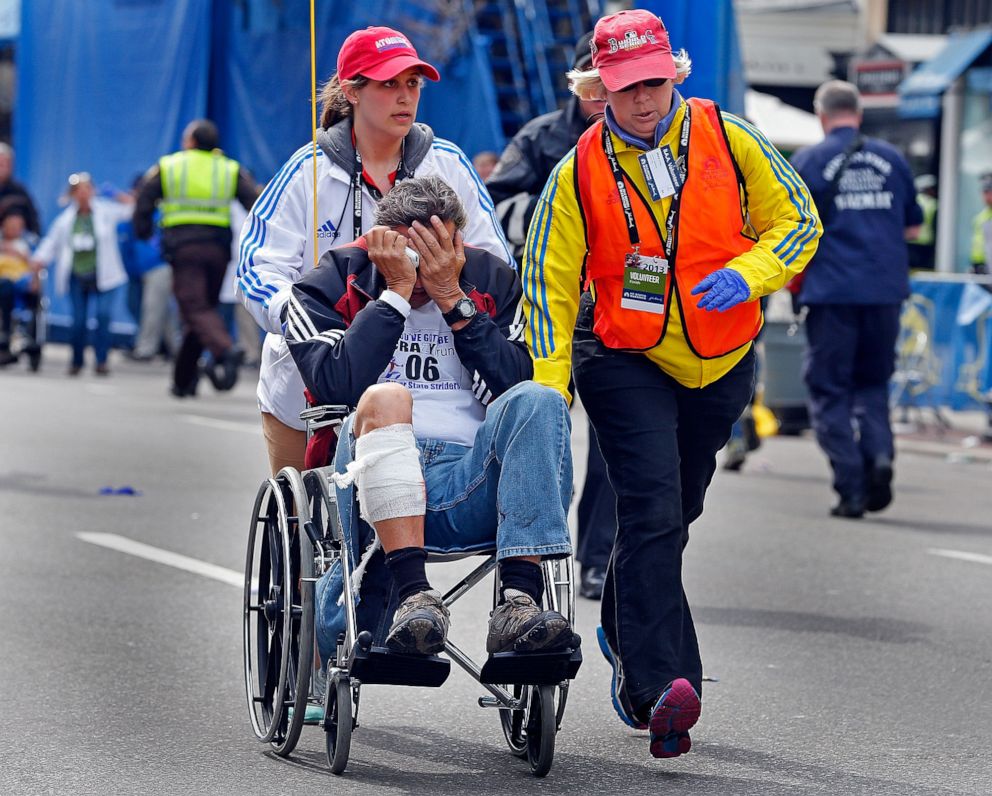
Beyond these tragic fatalities, the bombings caused catastrophic injuries to more than 260 people. Many victims suffered traumatic amputations, shrapnel wounds, and severe burns, forever changing their lives. First responders, medical personnel, and even ordinary citizens rushed into the chaos, demonstrating incredible bravery and compassion in providing aid and evacuating the injured. Hospitals like Boston Medical Center and Massachusetts General Hospital were overwhelmed but rose to the challenge, performing life-saving surgeries and providing critical care to hundreds.
The direct fatalities at the finish line were devastating, but the ripple effect of the bombings extended further. Days later, during the intense manhunt for the perpetrators, a fourth life was tragically lost: MIT Police Officer Sean Collier, a 27-year-old officer from the Massachusetts Institute of Technology (MIT) campus in nearby Cambridge, was ambushed and murdered by the bombing suspects. His death underscored the broader human cost of the terrorist act and the heroism of those who stand on the front lines of public safety. In total, four lives were directly claimed by the events stemming from the Boston Marathon bombing.
The Spirit of “Boston Strong”
In the face of unimaginable horror, the immediate response from the city of Boston and its surrounding communities was one of remarkable solidarity and courage. The phrase “Boston Strong” quickly emerged as a rallying cry, symbolizing the city’s unwavering spirit and determination not to be defined by terror. Medical professionals, emergency services, law enforcement, and ordinary citizens worked tirelessly together, demonstrating profound heroism. Runners who had just finished the marathon, instead of seeking rest, offered their blood at local donation centers. Strangers helped strangers, and a palpable sense of community united everyone against fear and despair.
This collective response not only aided in the immediate crisis but also laid the groundwork for a long-term healing process. The resilience shown by residents, businesses, and institutions alike sent a clear message: Boston would not be broken. This spirit is an integral part of Boston’s identity, a testament to its deep historical roots of independence and tenacity, qualities that continue to attract visitors from around the globe interested in experiencing a city with such a rich and powerful narrative.
The Pursuit of Justice and a City’s Resolve
Following the bombings, the priority shifted from immediate rescue to identifying and apprehending those responsible. What followed was an unprecedented four-day investigation and manhunt that captivated the nation and demonstrated the collaborative power of law enforcement agencies.
A City Under Siege: The Manhunt for the Tsarnaev Brothers
The investigation quickly identified two suspects, brothers Dzhokhar and Tamerlan Tsarnaev, through surveillance footage. The ensuing pursuit plunged parts of Boston and its suburbs, particularly Watertown and Cambridge, into an extraordinary lockdown. Public transportation was halted, businesses were closed, and residents were advised to shelter in place as thousands of law enforcement officers conducted a meticulous search. This period, from the night of April 18 to the evening of April 19, was one of high tension and uncertainty.
It was during this manhunt that MIT Police Officer Sean Collier was tragically killed. The pursuit culminated in a violent confrontation in Watertown, where Tamerlan Tsarnaev was killed, and his younger brother, Dzhokhar Tsarnaev, eventually found hiding in a boat in a backyard. The capture of the second suspect brought a collective sigh of relief and a sense of closure to a city that had been living under the shadow of terror. The successful resolution of the manhunt highlighted the effectiveness of coordinated law enforcement efforts and the unwavering support of the public.
Long-Term Legal Proceedings and Healing
In the years following the bombings, the legal system worked to bring justice to the victims and their families. Dzhokhar Tsarnaev was charged with 30 federal crimes, including use of a weapon of mass destruction. His trial, held in Boston, was a lengthy and emotionally arduous process, forcing survivors and the community to relive the horrific events. In 2015, Tsarnaev was convicted on all counts and subsequently sentenced to death. While the appeals process has continued, the legal proceedings provided a measure of accountability for the heinous acts committed.
These legal battles, though painful, were part of a broader healing process for Boston. They allowed the city to channel its grief into a pursuit of justice, reinforcing its commitment to its values and its strength in the face of adversity. For a city steeped in revolutionary history, the ability to overcome such a modern challenge with dignity and resolve became another chapter in its enduring narrative. This resilience is palpable even today, making Boston a destination where visitors can appreciate not only its historical landmarks but also the powerful spirit of its people.
The Boston Marathon: A Symbol of Enduring Spirit and Legacy
The immediate aftermath of the 2013 bombings prompted questions about the future of the Boston Marathon. Would such a beloved public event, drawing hundreds of thousands of spectators, ever feel safe again? The answer from the city, the race organizers, and the running community was a resounding yes.
Returning Stronger: The Marathon’s Enduring Legacy
The very next year, on April 21, 2014, the Boston Marathon returned with renewed vigor and an even stronger sense of purpose. The city mobilized an unprecedented security effort, employing thousands of law enforcement officers and implementing strict new protocols, including bag restrictions and checkpoint screenings. The number of participants was significantly increased to honor those who could not finish the previous year, and spectators returned in droves, forming a human tunnel of cheers and support along the entire route. The message was clear: the Boston Marathon would not only continue but thrive as a testament to human resilience.
Since then, the Boston Marathon has continued annually, each year a powerful symbol of remembrance, unity, and triumph over adversity. It draws runners and visitors from every corner of the globe, not just for the challenge of the race itself but also for the unique atmosphere it generates. The marathon embodies the spirit of Boston – tenacious, community-focused, and eternally forward-looking. For travelers, experiencing the marathon, whether as a runner or a spectator, offers a profound insight into the heart of the city and its people. It’s a vivid demonstration of how a shared experience, even one born from tragedy, can forge unbreakable bonds and create a legacy of strength.
Boston’s Enduring Appeal as a Destination
Despite the horrific events of 2013, Boston’s appeal as a premier travel destination has only deepened, perhaps due to the very resilience it demonstrated. The city continues to captivate visitors with its rich tapestry of history, world-class attractions, vibrant culture, and charming neighborhoods.
Travelers flock to walk the historic Freedom Trail, exploring sites like Faneuil Hall and the Old North Church, which tell the story of America’s birth. They cheer on the Boston Red Sox at iconic Fenway Park, stroll through the picturesque Boston Common and Public Garden, or wander the charming cobblestone streets of Beacon Hill. Cultural institutions like the Museum of Fine Arts and the New England Aquarium offer diverse experiences, while the city’s renowned culinary scene provides endless gastronomic delights, from fresh seafood to innovative farm-to-table cuisine.
The city’s enduring appeal lies not just in its landmarks and attractions, but in its very character—a blend of historic charm and modern innovation, academic excellence, and a strong sense of community. The tragic event of 2013, while undeniably painful, ultimately reinforced these qualities, showcasing Boston’s unbreakable spirit to the world. It’s a place where history feels alive, where innovation thrives, and where human connection is deeply valued, making it an incredibly rewarding place for any traveler to explore.
Remembering and Honoring: Sites of Reflection in Boston
While Boston has moved forward with remarkable strength, the memory of those lost and injured on April 15, 2013, remains a profound part of the city’s consciousness. Memorials and tributes serve as important places for reflection, ensuring that the tragedy is never forgotten and the lessons learned endure.
Memorials and Tributes
To honor the victims and survivors, and to commemorate the spirit of resilience, the city of Boston has created lasting memorials. The most prominent is the official Boston Marathon Memorial, located at the finish line on Boylston Street. Dedicated in 2019, this memorial features four bronze spires, each representing one of the four lives lost, surrounded by a tranquil grove of trees and stone markers. It serves as a permanent place for quiet contemplation, offering solace to families of victims and survivors, and a poignant reminder to all visitors of the human cost of the attacks and the strength of those affected.
Beyond the official memorial, countless informal tributes, acts of kindness, and community projects continue to honor the legacy of “Boston Strong.” The annual one-mile “Tribute Run” held before the marathon allows survivors and first responders to complete the final stretch of the race together. Local organizations and charities continue to support victims and promote peace, demonstrating that remembrance is an active, ongoing process woven into the fabric of daily life in Boston. These sites and initiatives are not just about grief; they are about honoring life, celebrating resilience, and affirming a commitment to peace and community.

Engaging with History and Hope
For travelers visiting Boston, encountering these sites of reflection offers a unique dimension to their experience. It allows them to connect with a modern chapter of the city’s history, understanding how a community responds to adversity and builds a stronger future. Walking along Boylston Street, whether during the marathon or on any other day, provides an opportunity for quiet reflection on the events of 2013, but also to witness the vibrant life that continues to flourish. The cafes are bustling, shops are open, and people gather, reminding everyone that life, hope, and joy persist.
Visiting Boston is to engage with a city that has faced profound challenges and emerged with an even deeper sense of identity and purpose. It is a city that remembers its past, learns from its struggles, and continually reinvents itself while holding steadfast to its core values. Whether you are interested in historical landmarks, cultural experiences, academic institutions, or simply soaking in the atmosphere of a truly remarkable American city, Boston offers a compelling journey that resonates with resilience, strength, and an enduring spirit of community.
In conclusion, while the Boston Marathon bombing tragically claimed the lives of four individuals—Krystle Campbell, Lingzi Lu, Martin Richard, and MIT Police Officer Sean Collier—its legacy extends far beyond these devastating numbers. It is a story of a city that refused to succumb to fear, that rallied together with extraordinary courage, and that continues to honor its fallen while embracing its vibrant future. Boston stands as a powerful testament to the enduring strength of the human spirit, making it an inspiring and essential destination for travelers seeking both historical depth and a profound connection to resilience.
LifeOutOfTheBox is a participant in the Amazon Services LLC Associates Program, an affiliate advertising program designed to provide a means for sites to earn advertising fees by advertising and linking to Amazon.com. Amazon, the Amazon logo, AmazonSupply, and the AmazonSupply logo are trademarks of Amazon.com, Inc. or its affiliates. As an Amazon Associate we earn affiliate commissions from qualifying purchases.