
The tragic events of October 1, 2017, in Las Vegas marked one of the darkest days in modern American history, forever etching a somber memory into the heart of the “Entertainment Capital of the World.” For those planning a visit, or simply seeking to understand the scale of this profound incident, the immediate question often revolves around the human cost. On that devastating night, 60 people lost their lives directly due to the shooting, including the perpetrator. The official count often cites 58 victims initially, with two more succumbing to their injuries in the years that followed, highlighting the long-term impact of such a horrific event. Beyond these immediate fatalities, over 800 individuals sustained injuries, with more than 400 of those being gunshot wounds, underscoring the immense physical and emotional toll taken on countless lives.
This horrific act, which unfolded during the Route 91 Harvest Festival, sent shockwaves across the United States and the globe. While the sorrow associated with this event is immense, it also spurred an unparalleled outpouring of bravery, compassion, and resilience from the Las Vegas community and beyond. Today, as a premier global destination, Las Vegas stands as a testament to this resilience, having implemented significant enhancements to safety and security measures to protect its millions of visitors each year. This article delves into the details of that night, honors the lives affected, and explores how the city has evolved, maintaining its vibrant spirit while prioritizing the well-being of every traveler.
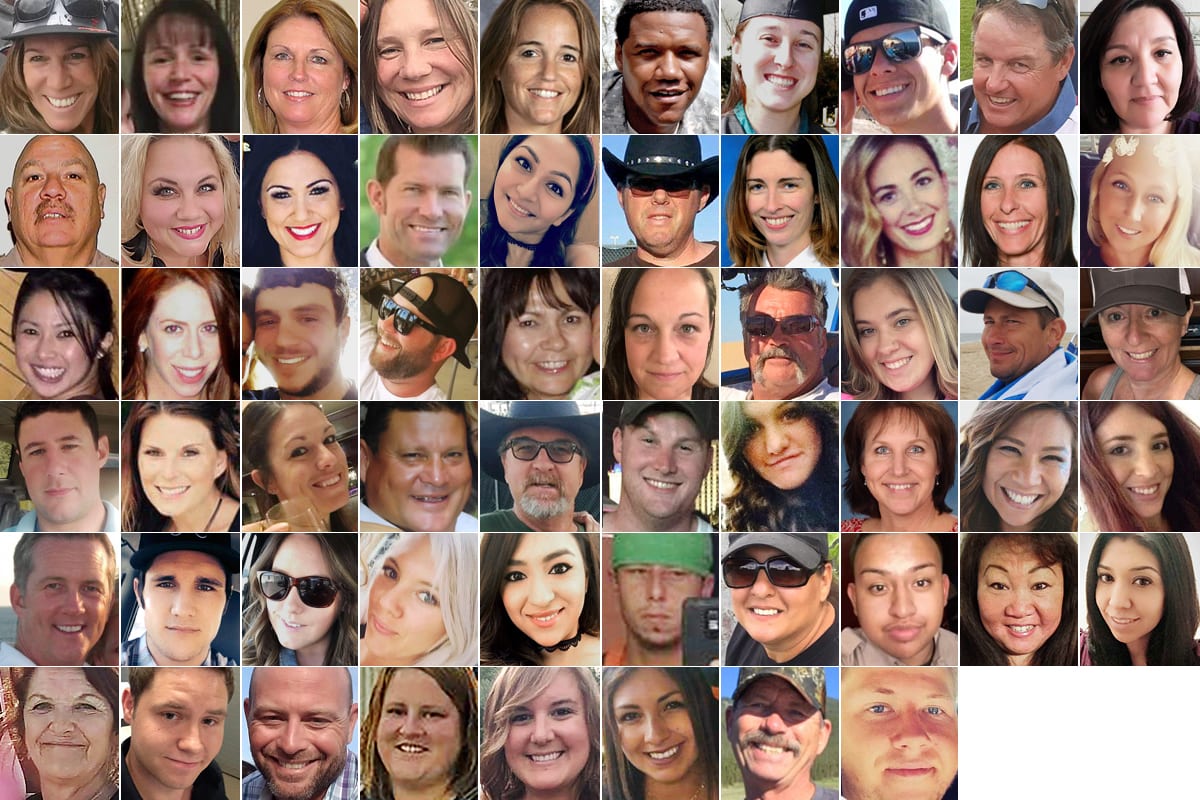
The Tragic Evening of October 1, 2017: Understanding the Event
The night of October 1, 2017, was set to be a joyful conclusion to the three-day Route 91 Harvest Festival, a country music event held on a 15-acre open-air lot across from the Mandalay Bay Resort and Casino on the iconic Las Vegas Strip. Thousands of fans had gathered, enjoying the final performances under the desert sky. What began as an evening of celebration quickly transformed into an unthinkable nightmare.
A Timeline of Unfolding Events
Around 10:05 PM local time, a lone gunman, positioned on the 32nd floor of the Mandalay Bay Resort and Casino, opened fire on the unsuspecting crowd below. From his vantage point, he unleashed a torrent of bullets, turning a festive atmosphere into one of chaos and terror. The initial sounds were mistaken by many for fireworks, a common occurrence at large events. However, as the barrage continued, punctuated by pauses, the horrifying reality began to sink in.
The shooter, identified as Stephen Paddock, meticulously planned his attack, bringing multiple firearms and ammunition into his suite over several days. He used various high-powered rifles, some modified to fire like automatic weapons, maximizing the lethality of his assault. The sustained gunfire lasted for approximately 10-15 minutes, a period that felt like an eternity to those caught in the open. During the attack, law enforcement, including the Las Vegas Metropolitan Police Department, swiftly responded, attempting to pinpoint the source of the gunfire amidst the confusion. Their brave actions, alongside numerous civilians, were instrumental in saving lives, guiding people to safety, and providing immediate aid. By the time officers breached the shooter’s room, he had already taken his own life, bringing an end to the active threat but leaving behind a scene of unimaginable devastation and grief.
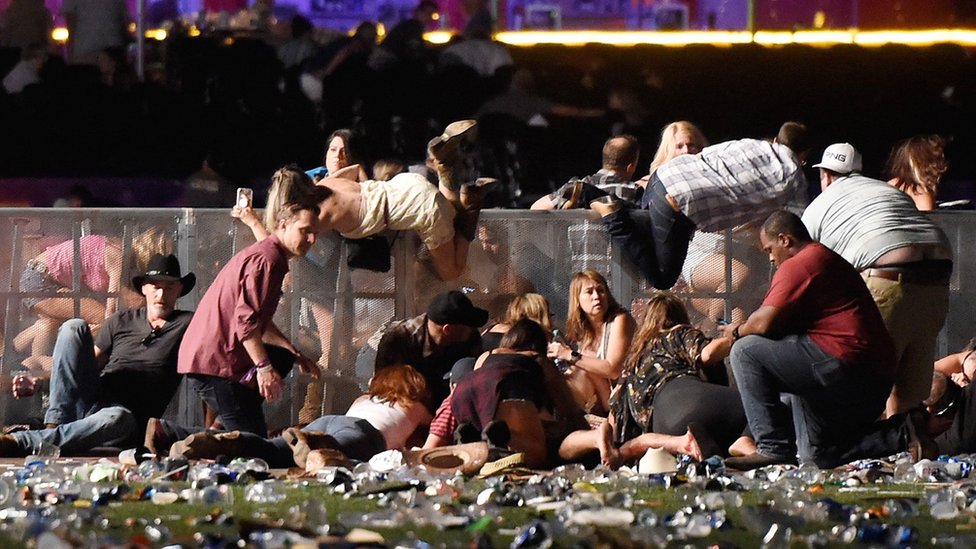
The Scene at the Route 91 Harvest Festival
The festival grounds became a scene of profound human crisis. Concertgoers, initially disoriented, soon scrambled for cover, attempting to escape the relentless gunfire. Many instinctively dropped to the ground, while others desperately sought refuge behind vendor stalls, vehicles, or tried to breach the perimeter fences. The immediate aftermath saw civilians turning into heroes, using their own vehicles to transport the wounded to hospitals, administering first aid, and comforting strangers. Off-duty medical personnel and military veterans who were attending the concert also sprang into action, providing critical assistance.
The scale of the attack overwhelmed local emergency services, necessitating a massive coordinated response from various agencies across Clark County and surrounding areas in Nevada. Hospitals, particularly the Trauma Center at University Medical Center, rapidly activated mass casualty protocols, preparing to receive hundreds of patients with severe injuries. The sheer volume of casualties placed an enormous strain on medical resources, yet the dedication and professionalism of first responders and healthcare workers ensured that many lives were saved that night and in the critical hours and days that followed. The chaos and horror of the event were met with an equally powerful display of human courage, solidarity, and a fundamental drive to help others.
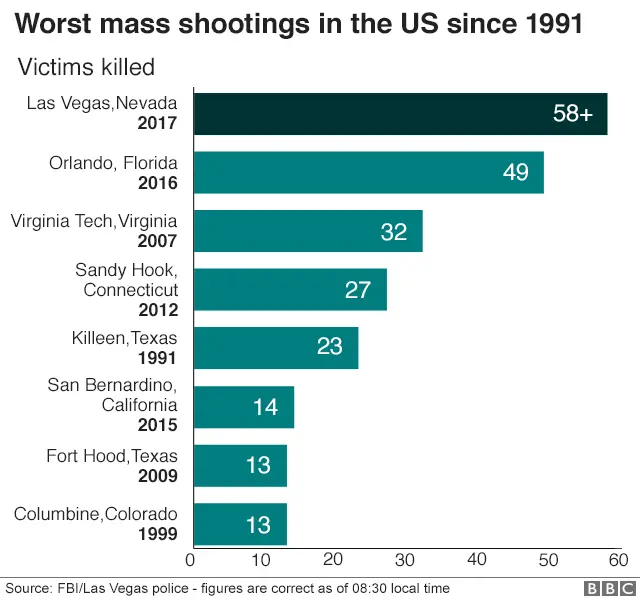
The Profound Human Cost and Collective Grief
The statistics of the Las Vegas shooting tell only part of the story. Behind every number is a life, a family, a community forever altered. The reverberations of that night extended far beyond the immediate victims, impacting survivors, first responders, and the entire city.
The Numbers: Lives Lost and Lives Forever Changed
As previously mentioned, 60 individuals tragically died as a direct result of the attack. These victims represented a cross-section of America: mothers, fathers, sons, daughters, friends, and colleagues from various walks of life and professions, many of whom had simply come to Las Vegas to enjoy a weekend of music and camaraderie. Their stories, often highlighted in subsequent memorials, speak to the vibrant lives cut short and the immense void left behind. Beyond those who perished, over 800 people were injured, either by gunfire, stampedes, or other trauma sustained during their escape. Many survivors still live with visible and invisible wounds – chronic pain, mobility issues, and profound psychological trauma such as PTSD, anxiety, and depression. The long-term medical and psychological care required for these individuals continues to be a significant challenge, reminding us that the impact of such events far outlasts the initial news cycle.
The event also had a profound effect on the thousands of concertgoers who escaped physically unharmed but witnessed unspeakable horrors. The trauma they experienced, the fear, the helplessness, and the grief for strangers and friends alike, are enduring scars. First responders, medical personnel, and volunteers who tirelessly worked through the night and in the days that followed also carry the burden of what they encountered, requiring ongoing support and recognition for their critical service.
Honoring the Victims: Memorials and Remembrance
In the wake of the tragedy, Las Vegas and communities nationwide rallied to honor the victims. The immediate response saw makeshift memorials spontaneously appearing across the city, adorned with flowers, candles, photos, and messages of love and solidarity. These temporary tributes provided a crucial space for collective grief and healing.
A more permanent symbol of remembrance is the Las Vegas Community Healing Garden. Created just days after the shooting, this serene space in downtown Las Vegas features trees planted in honor of each victim, along with a Wall of Remembrance. It serves as a tranquil place for reflection, solace, and a reminder of the strength of the community. Additionally, the planned permanent memorial on a portion of the Route 91 Harvest Festival site will ensure that the lives lost are never forgotten. These memorials are not merely static monuments; they are living testaments to the enduring spirit of “Vegas Strong,” a rallying cry that emerged in the aftermath, signifying unity, resilience, and a commitment to remembrance. They offer visitors and locals alike a place to pay their respects and reflect on the profound impact of the events of October 1, 2017.
Las Vegas’s Enduring Spirit: Resilience and Enhanced Safety
In the face of unprecedented tragedy, Las Vegas demonstrated remarkable resilience. The city, known globally for its entertainment and hospitality, quickly united to support victims, comfort survivors, and reinforce its commitment to visitor safety. This response has transformed the landscape of security in the city without diminishing its vibrant appeal.
Reinforcing Security Across the Las Vegas Strip
Following the shooting, the hospitality industry in Las Vegas, particularly major operators like MGM Resorts International (which owns Mandalay Bay Resort and Casino), initiated comprehensive reviews and upgrades to security protocols. These enhancements were designed to address the specific vulnerabilities exposed by the attack, focusing on preventative measures and rapid response capabilities.
Key security upgrades include:
- Enhanced Surveillance: Significant investments have been made in state-of-the-art surveillance systems, including advanced facial recognition technology and artificial intelligence analytics, capable of monitoring public spaces and identifying suspicious activity in real-time.
- Controlled Access Points: Hotels and venues have implemented stricter controls over entry points, including increased bag checks and the deployment of advanced screening technologies, particularly for large events or high-traffic areas.
- Vertical Security Measures: Recognizing the unique nature of the attack, hotels have reinforced security measures relating to upper floors and windows, including heightened guest awareness campaigns regarding suspicious items, more frequent security patrols of hallways, and technological solutions to detect unusual activities in guest rooms.
- Increased Security Personnel: A greater visible and plainclothes security presence has been deployed across resorts, casinos, and entertainment venues, often augmented with specialized K9 units.
- Collaboration with Law Enforcement: There is an even tighter integration and information sharing between private security teams and the Las Vegas Metropolitan Police Department and other federal agencies. Joint training exercises and communication protocols have been refined to ensure a rapid and coordinated response to any potential threat.
- Active Shooter Training: Staff across the tourism sector receive regular and comprehensive active shooter training, equipping them with the knowledge and skills to react effectively during a crisis, protect guests, and assist first responders.
These measures, while discreetly implemented to maintain the guest experience, collectively create a more secure environment for residents and visitors alike, demonstrating Las Vegas’s proactive approach to safety.
Community Unity and Support for Recovery
The “Vegas Strong” motto became a powerful symbol of the city’s unity. In the immediate aftermath, an outpouring of support emerged. Blood drives saw thousands lining up for hours; financial donations poured into funds like the Las Vegas Victims’ Fund, which distributed over $31 million to victims and their families; and volunteers offered countless hours of assistance, from counseling services to logistical support. This collective effort highlighted the compassionate heart of Las Vegas, a community often perceived only through its bright lights.
Ongoing support includes initiatives focused on mental health and long-term recovery. Organizations like the Cleveland Clinic Lou Ruvo Center for Brain Health offered free counseling and support groups for survivors and first responders. This sustained commitment to healing underscores a recognition that recovery is a marathon, not a sprint, and that the community’s strength lies in its ability to care for its own.
What Travelers Can Expect Today in Las Vegas
For travelers considering a trip to Las Vegas today, the city remains a vibrant and welcoming destination. While security measures are undeniably more robust, they are largely integrated into the existing infrastructure and daily operations, designed to be effective without being overly intrusive. Visitors will notice a visible, yet discreet, security presence in major hotels, casinos, and event venues. Bag checks might be more common, and there might be metal detectors at certain entrances, particularly for large-scale concerts or conventions. However, these are now standard procedures in many high-traffic tourist destinations globally and are generally accepted as necessary for public safety.
The fundamental spirit of Las Vegas – its unparalleled entertainment, world-class dining, luxurious accommodations, and electrifying atmosphere – remains intact and thrives. The city continues to host major events, drawing millions of visitors annually. The focus on safety has not deterred its growth; rather, it has fortified its position as a destination that prioritizes the well-being of its guests, ensuring they can enjoy everything Las Vegas has to offer with peace of mind.
Beyond the Tragedy: Las Vegas as a Premier Travel Destination
Despite the indelible mark left by the 2017 tragedy, Las Vegas has not only recovered but has continued to evolve and flourish as a leading global travel and tourism hub. The city’s resilience is a testament to its dynamic spirit, the unwavering dedication of its hospitality industry, and the strength of its community.
Continued Appeal: Attractions, Entertainment, and Hospitality
Las Vegas’s appeal as a travel destination remains as strong as ever, drawing approximately 40 million visitors annually. Its unique blend of attractions caters to virtually every taste and preference. From the dazzling shows featuring international superstars and resident headliners to the opulent casinos offering thrilling gaming experiences, entertainment is at the core of the Las Vegas experience. World-renowned chefs have established Michelin-starred restaurants here, creating a culinary landscape that rivals major food capitals. The city boasts an incredible array of hotels, from budget-friendly options to ultra-luxury resorts, each offering distinctive themes, amenities, and unparalleled service. Beyond the Strip, visitors can explore vibrant downtown areas, cultural institutions, and the stunning natural beauty of the surrounding Nevada landscape, including opportunities for hiking, sightseeing, and adventure sports.
New developments continually enhance the city’s offerings, from innovative entertainment venues and immersive experiences to state-of-the-art convention facilities. The Las Vegas Convention and Visitors Authority (LVCVA) consistently works to diversify the city’s attractions, ensuring it remains relevant and exciting for repeat visitors and first-timers alike. This commitment to innovation, coupled with the inherent allure of its iconic landmarks and experiences, ensures Las Vegas maintains its position as a top-tier destination for leisure, business, and events.
Planning Your Visit to a Resilient City
For those planning a trip, Las Vegas offers a comprehensive travel experience. Arriving at McCarran International Airport (now Harry Reid International Airport) connects you directly to the heart of the action. Accommodation options are extensive, ranging from suites in luxury resorts like the Mandalay Bay Resort and Casino to boutique hotels and vacation rentals, catering to all budgets and styles. When booking, consider factors like proximity to desired attractions, amenities, and reviews. Tourism tips often include planning itineraries in advance to make the most of your time, booking shows and popular restaurants well ahead, and utilizing the efficient public transportation or ride-sharing services available.
Embracing the local culture, which extends beyond the glitz and glamour to a strong community spirit, can enrich your visit. While acknowledging the past, travelers can confidently enjoy the present, knowing that the city has taken profound steps to ensure their safety. The spirit of Las Vegas is one of perseverance, innovation, and an unwavering commitment to hospitality. It’s a city that has faced profound adversity and emerged stronger, continuing to invite the world to experience its unique magic with renewed confidence and an even greater emphasis on the well-being of its guests. A visit to Las Vegas today is not just about entertainment; it’s an experience in a city that embodies resilience and hope.
LifeOutOfTheBox is a participant in the Amazon Services LLC Associates Program, an affiliate advertising program designed to provide a means for sites to earn advertising fees by advertising and linking to Amazon.com. Amazon, the Amazon logo, AmazonSupply, and the AmazonSupply logo are trademarks of Amazon.com, Inc. or its affiliates. As an Amazon Associate we earn affiliate commissions from qualifying purchases.