
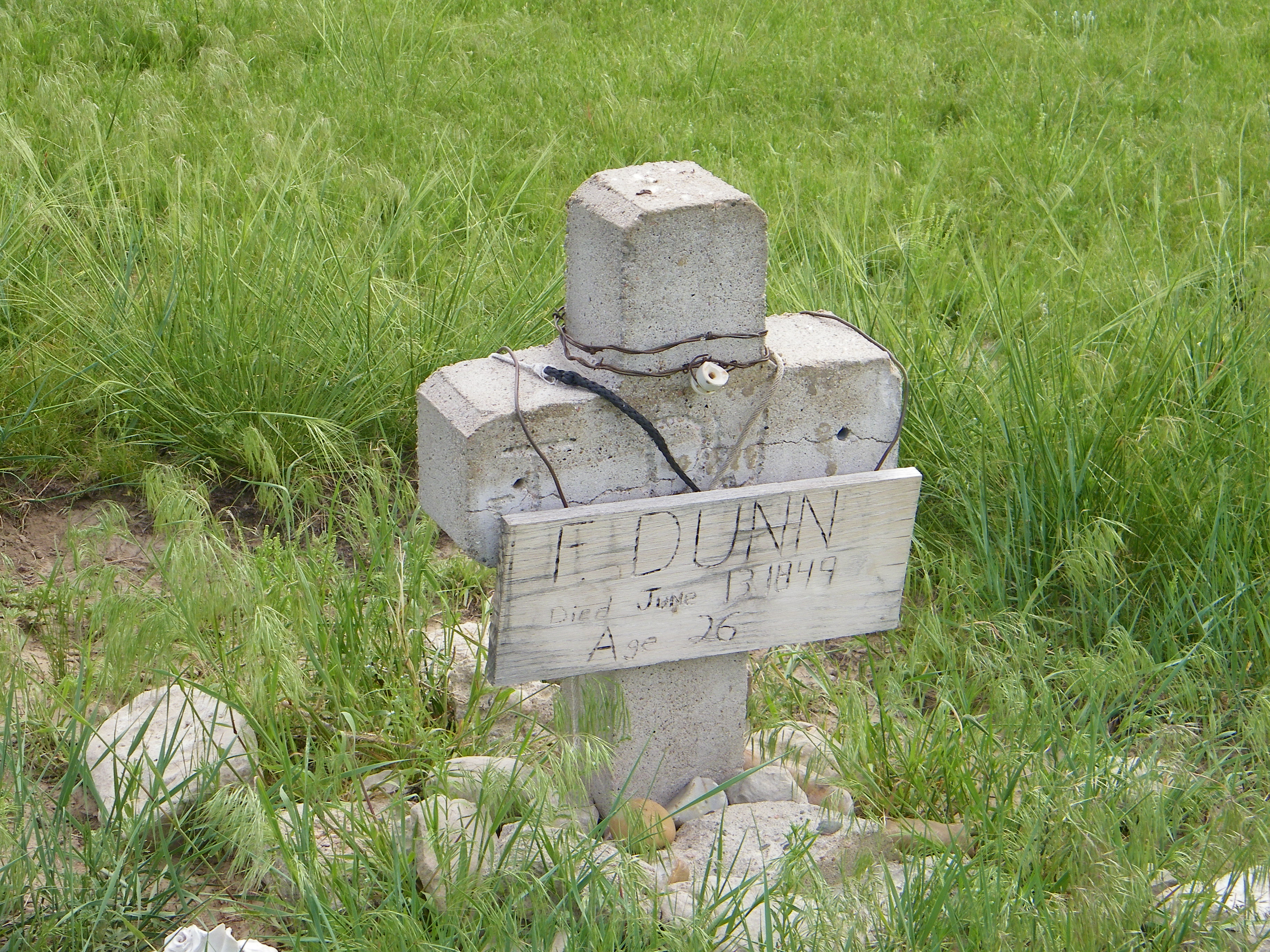
The dream of a new life in the American West beckoned hundreds of thousands of pioneers during the mid-19th century. From the 1840s through the 1860s, the Oregon Trail became a legendary, yet brutally unforgiving, pathway to opportunity. Stretching over 2,000 miles from the heart of the United States to the fertile lands of the Willamette Valley in what would become Oregon, this epic journey was a testament to human resilience, but also a stark reminder of mortality. The question of how many lives were lost along this arduous route is not merely a statistical inquiry; it’s a poignant reflection on the sacrifices made in the pursuit of a better future. While exact figures remain elusive, historical research paints a somber picture, revealing a death toll that underscores the trail’s infamous moniker: “the longest graveyard in North America.”
The Perilous Journey West: Unpacking the Human Cost
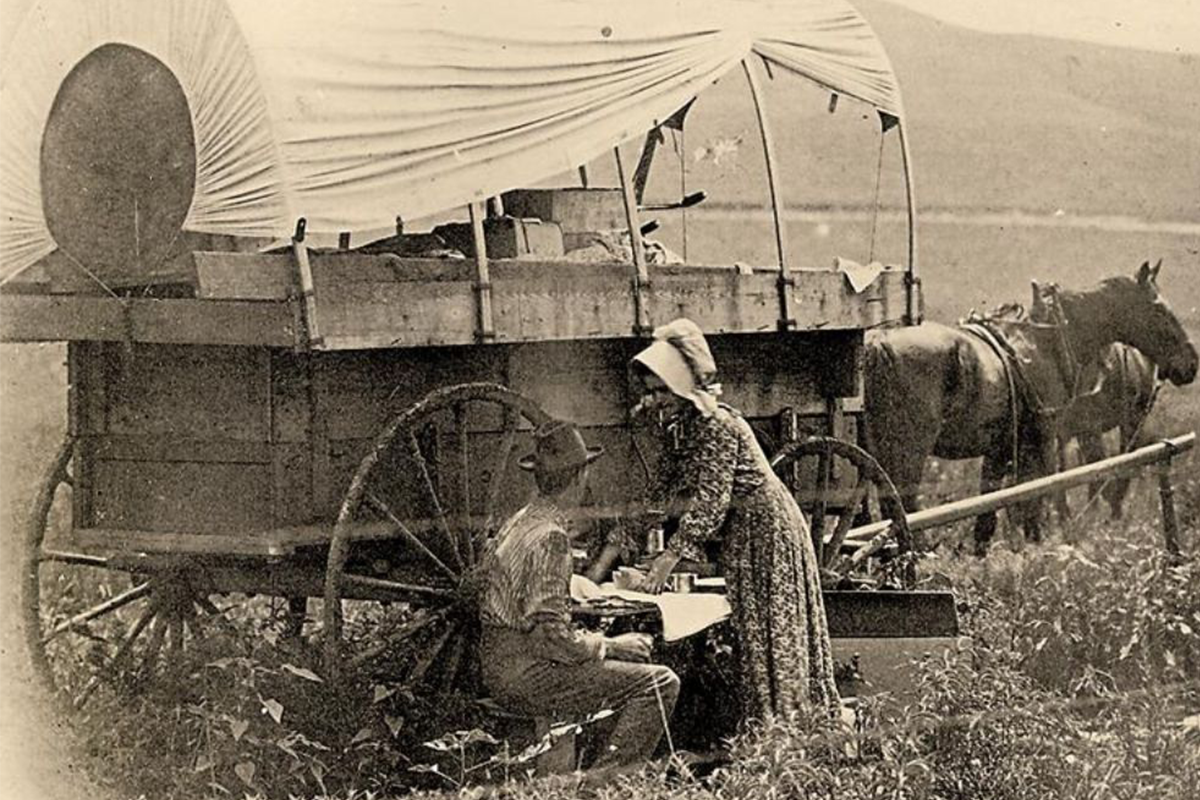
Embarking on the Oregon Trail was not a casual decision; it was a commitment to an extreme form of historical travel, a lifestyle choice that promised freedom but demanded extraordinary endurance. Families packed their lives into covered wagons, leaving behind the familiar comforts of home for an uncertain future. The journey, typically lasting four to six months, exposed travelers to a relentless gauntlet of natural dangers, disease, and the sheer physical toll of constant movement. Understanding the death toll requires delving into the nature of this formidable undertaking.
The Elusive Count: Why Exact Numbers Remain a Mystery
Pinpointing an exact number of deaths on the Oregon Trail is a challenge that has vexed historians for generations. Unlike modern journeys with meticulously documented passenger lists and incident reports, the 19th-century migration was largely unstructured. Diaries, letters, and scattered official records provide invaluable glimpses, but they are incomplete and often localized. Many deaths went unrecorded, particularly those of children, enslaved people, or individuals without immediate family members to keep detailed accounts. Graves were often shallow, unmarked, or quickly lost to the elements, leaving little trace.
Furthermore, the term “Oregon Trail” itself refers to a network of routes, not a single, unchanging path. It also frequently overlapped with the California Trail and the Mormon Trail for significant portions, especially in the initial segments. Differentiating deaths strictly attributable to the Oregon Trail from those on other westward routes adds another layer of complexity to the statistical challenge. The migratory period, primarily between 1840 and 1869, saw hundreds of thousands of people move west, but tracking individual fates among such a vast, dispersed population was nearly impossible at the time.
“The 400-Mile Graveyard”: Early Estimates and Vivid Descriptions
Even in its own time, the trail earned a grim reputation. Early accounts, often sensationalized but rooted in harsh reality, described the route as a “400-mile graveyard” or a continuous cemetery. These vivid descriptions, though perhaps not literal, accurately conveyed the pervasive presence of death along the path. The sight of freshly dug graves, discarded possessions, and animal carcasses was a constant, stark reminder of the dangers.
The pioneering historian Merrill J. Mattes, through extensive research, estimated that around 20,000 people died on the Oregon Trail and related routes during its peak years. This figure quickly became widely accepted, based on decades of sifting through diaries, journals, and government reports. Mattes’ work provided a crucial baseline for understanding the scale of loss, solidifying the trail’s image as a site of immense human sacrifice. This initial estimate helped to crystallize the popular understanding of the trail’s dangers, transforming abstract dangers into a quantifiable, albeit sobering, reality.
A Grim Tally: Scholarly Insights into Mortality Rates
More contemporary research has built upon Mattes’ foundational work, striving for greater precision while acknowledging the inherent limitations. These scholarly efforts delve into the specific causes of death, providing a more nuanced understanding of the risks faced by overland emigrants.
Unraveling the Numbers: Pioneers in Historical Research
Another influential historian, John D. Unruh, Jr., in his seminal work The Plains Across, offered a broader estimate of 30,000 deaths across all the major overland trails (including the California Trail and Mormon Trail). While not solely focused on the Oregon Trail, Unruh’s meticulous research highlighted the overall mortality rate, often calculated as a percentage of the total emigrants. He estimated that roughly 4% of all overland travelers died during the journey. Given that approximately 400,000 to 500,000 people traveled the trails, this translates to a significant loss of life.
More recent scholarship by figures like Susan Badger Doyle and organizations such as the Oregon-California Trails Association has refined these numbers further. Doyle, focusing specifically on the Oregon Trail, suggested a figure closer to 10,000 to 12,000 deaths, perhaps slightly lower than Mattes’ initial broader estimate for all routes but still a colossal number for a single migratory path. Her work emphasized the careful distinction between different trails and specific time periods, demonstrating that death rates fluctuated based on year and route segment. Regardless of the exact number, the consensus among historians is clear: the Oregon Trail was an extremely dangerous undertaking.

The Silent Killers: Disease as the Primary Threat
Without a doubt, disease was the most prolific killer on the Oregon Trail. Historians estimate that anywhere from 60% to 90% of all deaths were due to illness. Among these, cholera was by far the deadliest, peaking during the large migrations of 1849, 1850, and 1852. This highly contagious bacterial infection, spread through contaminated water and food, could kill within hours or days. Dehydration, vomiting, and diarrhea quickly overwhelmed even the strongest individuals. The unsanitary conditions of wagon trains, coupled with limited medical knowledge and supplies, created ideal breeding grounds for outbreaks. Rivers and wells, vital for survival, often became vectors for disease as thousands of people and their livestock passed through, inadvertently contaminating water sources.
Beyond cholera, a host of other diseases preyed upon the vulnerable pioneers. Measles, dysentery, smallpox, influenza, and typhoid fever were common, particularly among children, who lacked immunity to many common diseases. The close quarters of wagon camps, the stress of travel, poor nutrition, and lack of hygiene made wagon trains susceptible to rapid disease transmission. For those considering modern-day historical travel or exploring the landmarks of the trail, understanding these hidden dangers adds a profound layer of respect for the sheer tenacity of the pioneers.
Beyond Sickness: Other Dangers of the Overland Route
While disease claimed the majority of lives, the Oregon Trail presented a litany of other dangers that contributed significantly to the death toll. These were the more visible, often traumatic, events that etched themselves into the memories of survivors and the landscape itself.
Accidents, Elements, and Encounters: A Multifaceted Peril
Accidents accounted for approximately 15% to 25% of all deaths. These ranged from the mundane to the catastrophic:
- Wagon Accidents: Wagons, though essential, were inherently dangerous. People were crushed beneath wheels, trampled by stampeding oxen, or fell from moving vehicles. Children, in particular, were vulnerable to being run over. Crossing rough terrain often led to wagons overturning, injuring or killing passengers.
- Drownings: Rivers like the Platte River, Snake River, and Columbia River posed formidable obstacles. Fast currents, hidden rocks, and treacherous crossings claimed many lives, both human and animal. Often, pioneers had to construct makeshift ferries or raft wagons across deep channels, a process fraught with peril.
- Firearms Accidents: Hunting was crucial for sustenance, but firearms were rudimentary and often handled by inexperienced individuals. Accidental discharges, misfires, and careless handling led to numerous self-inflicted injuries or fatalities.
- Animal-Related Incidents: Kicks from horses or mules, stampedes of cattle, or even encounters with wild animals could prove fatal.
- Weather and Environmental Exposure: The elements were relentless. Blistering summer heat led to sunstroke and dehydration, while early winter snows in the mountains trapped late-season travelers, leading to deaths from hypothermia and starvation. Flash floods could sweep away camps, and violent thunderstorms added to the misery.
Conflicts with Native American tribes, while often dramatized in popular culture, constituted a smaller percentage of deaths—estimated at 3% to 5%. While encounters could be hostile, particularly as emigrants encroached on tribal lands and depleted resources, many interactions were peaceful, involving trade and assistance. However, when conflicts did arise, they were often brutal and resulted in fatalities on both sides. It’s important to remember that Native Americans also faced severe consequences from the trail, including the introduction of diseases and the disruption of their traditional ways of life.
Geographic Gauntlets: Key Landmarks and Their Challenges
The Oregon Trail was punctuated by a series of iconic landmarks, each marking progress but also presenting unique dangers. The journey typically began in Independence, Missouri, a bustling frontier town that served as the primary jumping-off point. From there, the trail followed the Missouri River before striking out across the vast plains.
- The Platte River Road: For hundreds of miles, pioneers followed the Platte River, a wide, shallow, and often deceptive waterway. This section, while relatively flat, was monotonous and provided little in terms of wood or clean water, making disease rampant. Iconic landmarks like Chimney Rock and Scotts Bluff served as crucial navigational markers and morale boosters, signaling progress through the vast Nebraska Territory.
- Fort Laramie: A critical outpost, this landmark was often the first major resupply point and a place where pioneers could rest, repair wagons, and interact with military personnel and Native Americans. It also marked the transition from the relatively flat plains to more challenging mountain terrain.
- Independence Rock and South Pass: These sites in Wyoming represented psychological milestones. Independence Rock, so named because travelers hoped to reach it by Independence Day to ensure they crossed the mountains before winter, bears thousands of pioneer signatures. South Pass, a relatively gentle saddle in the Rocky Mountains, was the continental divide and a major relief, signifying that the hardest mountain crossings were ahead but not as steep as many feared.
- The Snake River Plain: The journey through what is now Idaho along the Snake River was notoriously difficult. It was arid, dusty, and offered sparse resources. The river itself presented numerous dangerous crossings.
- The Blue Mountains and Columbia River Gorge: The final stretch into Oregon was perhaps the most challenging. The Blue Mountains were steep and rugged, followed by the formidable Columbia River Gorge. Pioneers either rafted down the dangerous Columbia River from The Dalles or took the notoriously difficult Barlow Road, a toll road built around Mount Hood, known for its steep inclines, deep ruts, and slow, torturous progress. Many people, exhausted and weakened, met their end in these final stages of the journey.
Each of these segments, with its specific geographical challenges, contributed to the overall danger and the grim death toll, making the Oregon Trail a journey of constant peril.
The Enduring Legacy of the Oregon Trail Migrants
The story of the Oregon Trail is a foundational narrative in American history, embodying the spirit of westward expansion and the pursuit of opportunity. The high death toll, far from being a mere statistic, serves as a powerful testament to the extraordinary sacrifices made by the pioneers. Their arduous journey and the lives lost paved the way for the development of the American West, shaping the demographics, economy, and culture of the region.
A Testament to Resilience: The Spirit of the Pioneers
Despite the incredible dangers and the ever-present shadow of death, the vast majority of emigrants completed their journey. This speaks volumes about their resilience, determination, and the deep-seated hope for a better life that drove them westward. They faced unimaginable hardships—disease, starvation, extreme weather, grueling physical labor—and yet they pressed on, day after day, for months on end. The experience forged strong bonds within families and wagon trains, but also tested individuals to their absolute limits. The lifestyle they chose, though fraught with danger, was one of profound courage and pioneering spirit. For many, reaching the Willamette Valley or other western destinations was a triumph over adversity, a testament to human will against the unforgiving wilderness.
The children who survived the trail grew up with memories of its hardships, shaping a generation steeped in the values of self-reliance and perseverance. Their stories, passed down through generations, became integral to the identity of the American West, highlighting not just the tragedy but also the enduring strength of the human spirit.
Modern Connections: Tracing the Path of History
Today, portions of the Oregon Trail are preserved as National Historic Trails, offering a unique opportunity for modern travelers to connect with this profound chapter in history. Visiting landmarks like Chimney Rock, Scotts Bluff, Fort Laramie, or Independence Rock allows for a tangible experience of the pioneers’ journey. These sites, often accompanied by interpretive centers and museums, provide rich context to the historical travel experience. Travelers can walk in the ruts left by countless wagons, stand on the very ground where countless lives were lost, and gain a deeper appreciation for the scale of the migration and its human cost.
Accommodation options range from modern hotels in nearby cities to camping along trail segments, allowing visitors to tailor their experience. Understanding the challenges faced by pioneers—from securing safe accommodation to navigating treacherous landscapes—provides invaluable context for those interested in the history of travel and tourism. The Oregon Trail serves as a powerful reminder of how far travel has come, transforming an odyssey of survival into a journey of historical reflection and cultural understanding. The estimated 10,000 to 20,000 lives lost on the Oregon Trail represent a solemn sacrifice, a stark reminder that the promise of the West was bought at an immense human price.
LifeOutOfTheBox is a participant in the Amazon Services LLC Associates Program, an affiliate advertising program designed to provide a means for sites to earn advertising fees by advertising and linking to Amazon.com. Amazon, the Amazon logo, AmazonSupply, and the AmazonSupply logo are trademarks of Amazon.com, Inc. or its affiliates. As an Amazon Associate we earn affiliate commissions from qualifying purchases.