
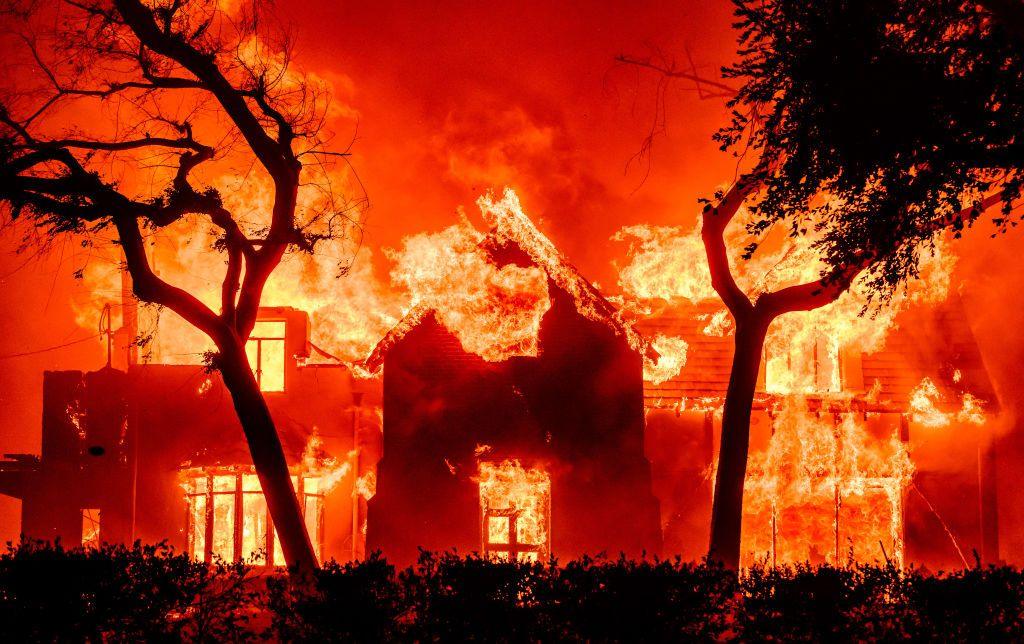
The devastating California fires, a recurring and often tragic phenomenon, bring with them a wave of destruction that extends far beyond the immediate flames. While the loss of natural landscapes and property is visually striking, the most profound and irreversible impact is the loss of human life. Understanding the human cost of these infernos is crucial to grasping their full severity and to informing future prevention and response efforts. This article aims to shed light on this critical aspect of the California wildfires, exploring the figures, the contributing factors, and the lasting consequences.
The Grim Toll: Quantifying Lives Lost
The question of “How Many People Have Died In The California Fires?” is not a static one. The number fluctuates significantly depending on the specific fire event, its scale, duration, and the densely populated areas it impacts. California has experienced some of the deadliest wildfires in modern U.S. history, and each major fire season leaves a somber tally.
The most significant loss of life in recent California history occurred during the 2018 Camp Fire, which devastated the town of Paradise. This single fire accounted for 85 confirmed civilian fatalities, making it the deadliest wildfire in California‘s history and one of the deadliest in the United States. The speed and ferocity with which the Camp Fire spread overwhelmed escape routes, trapping residents in their homes and vehicles.
Beyond the Camp Fire, other major wildfires have also resulted in fatalities. The 2017 fire season, for instance, saw the Tubbs Fire in Sonoma County claim 22 lives, and the Atlas Fire in Napa County claim six. The Thomas Fire in 2017, one of the largest in California history, resulted in two civilian deaths directly attributed to the fire and one indirect fatality. More recent fires, while perhaps not reaching the catastrophic numbers of 2018, have continued to claim lives, underscoring the persistent danger.
It is important to note that the reported figures often represent confirmed fatalities directly linked to the fires or their immediate aftermath. The true toll can be higher when indirect deaths are considered, such as those resulting from smoke inhalation, pre-existing health conditions exacerbated by air quality, or the stress and trauma associated with displacement and loss. Furthermore, there can be a lag in identifying all victims, particularly in cases where the fire has completely destroyed residences and their occupants.
The reporting of these figures is a meticulous and often heart-wrenching process. Emergency responders, law enforcement, and coroners work tirelessly to identify victims, often under incredibly difficult circumstances. The California Department of Forestry and Fire Protection (CalFire) and local county sheriffs’ departments are typically the primary sources for official fatality counts, releasing updates as investigations and identifications progress.
Factors Contributing to Fatalities
The high number of fatalities in California wildfires is a complex issue with multiple contributing factors. These can be broadly categorized into environmental, human, and infrastructural elements.
Environmental Factors Amplifying Danger
The California landscape, particularly during drier seasons, is inherently susceptible to fire. Factors that exacerbate the risk and contribute to rapid fire spread include:

- Drought Conditions: Prolonged periods of low rainfall lead to extremely dry vegetation, which acts as highly flammable fuel. Years of drought create vast expanses of tinderbox-like conditions, allowing fires to ignite easily and spread with unprecedented speed.
- High Temperatures and Low Humidity: Extreme heat dries out vegetation even further, while low humidity allows fires to consume fuel more rapidly. These atmospheric conditions create a perfect storm for aggressive fire behavior.
- Strong Winds: Santa Ana winds and Diablo winds, hot, dry, and gusty offshore winds, are notorious for fanning the flames of California wildfires. They can cause fires to grow exponentially in a matter of hours, pushing them into communities with terrifying speed. These winds can also create embers that are carried miles ahead of the main fire front, igniting new fires and making containment incredibly difficult.
- Fuel Accumulation: Decades of fire suppression policies have led to an accumulation of dead vegetation, underbrush, and dense forests in many areas. This overabundance of fuel provides more material for fires to burn, increasing their intensity and the likelihood of severe damage.
- Topography: Steep canyons and mountainous terrain can accelerate fire spread as flames move uphill rapidly. This can also make it difficult for firefighters to access and control fires, and for residents to evacuate safely.
Human Factors and Vulnerability
Human behavior and the characteristics of the communities affected also play a significant role in the number of lives lost:
- Proximity to Wildfire-Prone Areas: Many Californians choose to live in areas adjacent to or within wildland-urban interface (WUI) zones. These are areas where human development meets or intermingles with wildland areas, significantly increasing the risk of wildfires impacting homes and lives. Towns like Paradise are prime examples of communities built in such high-risk environments.
- Delayed Evacuations: In the face of rapidly advancing fires and often with little warning, residents may delay their evacuation decisions. This can be due to disbelief, underestimation of the threat, attachment to property, or simply being caught off guard by the speed of the fire. When evacuation orders are issued, the resulting traffic can create immense bottlenecks, trapping individuals in perilous situations.
- Vulnerable Populations: Elderly individuals, those with disabilities, and individuals with chronic health conditions may face greater challenges in evacuating quickly and independently. Access to reliable transportation, clear communication of evacuation orders, and community support systems are critical for these populations.
- Inadequate Preparedness: Many residents in WUI zones may not have adequate defensible space around their homes, or their homes may not be built with fire-resistant materials. While this primarily impacts property loss, it can also indirectly contribute to fatalities if individuals are forced to shelter in place in unsafe structures.
- Power Outages and Communication Failures: Widespread power outages during fires can disrupt communication networks, making it harder for residents to receive evacuation orders or contact emergency services. This was a significant issue during the Camp Fire, where downed power lines were suspected as a cause of the ignition, and the subsequent power outages hampered evacuation efforts.
The Impact on Tourism and Lifestyle in California
The California fires, while primarily a tragedy of human and environmental loss, also have a profound impact on the state’s vital tourism industry and the lifestyle of its residents and visitors. California is a global tourism powerhouse, attracting millions of visitors annually to its diverse attractions, from the beaches of Southern California to the majestic Yosemite National Park and the renowned wine regions of Napa Valley and Sonoma County.
Disruptions to Travel and Tourism Destinations
Wildfires directly impact travel plans in several ways:
- Road Closures and Travel Disruptions: Major roadways, including interstates like the I-5 and state highways, are frequently closed due to fire activity, smoke, or the need for emergency vehicle access. This can lead to significant delays, rerouting, and cancellations for travelers. Airports in affected regions may also experience disruptions.
- Evacuation Orders and Safety Concerns: When fires threaten populated areas or tourist destinations, mandatory evacuation orders are issued. This forces the closure of hotels, resorts, and attractions, and makes travel to and through these areas unsafe. Even when fires are not directly impacting a specific destination, the presence of smoke and the general sense of danger can deter visitors.
- Damage to Attractions and Infrastructure: While the immediate focus is on human life, wildfires can cause extensive damage to natural landmarks and man-made attractions. National and state parks, historic sites, and even parts of charming towns can be scarred or destroyed, impacting their appeal for years to come. The infrastructure supporting tourism, such as hiking trails, visitor centers, and scenic overlooks, can also be severely damaged.
- Economic Impact on Local Businesses: The tourism sector is a significant economic driver for many Californian communities. When fires lead to cancellations and reduced visitor numbers, local businesses—including hotels, restaurants, shops, and tour operators—suffer substantial financial losses. This can have a ripple effect, impacting employment and the overall economic health of the region. For example, the wine industry in Napa Valley and Sonoma County, a major draw for tourists, has faced significant challenges due to fires, impacting harvests, vineyard operations, and the visitor experience.
- **Perception of *California* as a Destination:** Repeated and severe wildfire seasons can unfortunately shape the public perception of California as a travel destination. Potential visitors may become hesitant to book trips, fearing potential disruptions, unhealthy air quality, or the risk of encountering fire-affected areas. This is a long-term challenge that the state’s tourism boards work to mitigate through clear communication and showcasing the resilience of its communities and attractions.

The Lifestyle of Resilience and Adaptation
The California fires have also reshaped the lifestyle of residents and the expectations of visitors, fostering a culture of resilience and adaptation.
- Increased Awareness and Preparedness: Residents in fire-prone areas are increasingly aware of the risks and are taking steps to prepare their homes and families. This includes creating defensible space, using fire-resistant building materials, developing evacuation plans, and staying informed about fire weather. This heightened awareness is a direct consequence of experiencing or witnessing the devastating impacts of these events.
- Focus on Fire-Resistant Landscapes: Landscaping practices are evolving, with an emphasis on fire-resistant plants and reducing the amount of flammable material around homes. This is not only a safety measure but also influences the aesthetic of many Californian neighborhoods.
- Air Quality Concerns: Poor air quality due to wildfire smoke has become a recurring concern during fire seasons. Residents and visitors alike must contend with the health implications of smoke, leading to the increased use of air purifiers, N95 masks, and a greater reliance on indoor activities. This can significantly alter outdoor lifestyle pursuits, from hiking and camping to attending outdoor events.
- Community Support and Volunteerism: In the aftermath of fires, California communities have demonstrated remarkable resilience and a strong sense of mutual aid. Volunteer efforts to support displaced residents, assist with cleanup, and rebuild are common. This communal spirit is a vital part of the California lifestyle in the face of adversity.
- Shifting Housing and Development Patterns: The increasing risk and impact of wildfires are prompting discussions and, in some cases, shifts in housing development patterns. There is a growing consideration of where and how new communities are built, with a greater emphasis on fire safety and land-use planning in WUI zones. This could lead to a long-term re-evaluation of the traditional California lifestyle of living close to nature.
- Luxury and Budget Considerations: For those planning travel, the fires necessitate a more flexible approach. Luxury travelers might seek out resorts in unaffected coastal areas or mountain retreats that are less susceptible to fire, while budget travelers might need to adjust their expectations regarding availability and pricing in unaffected regions. Travel insurance has become an even more critical consideration for all types of travelers to California.
In conclusion, the question of “How Many People Have Died In The California Fires?” opens a dialogue about a multifaceted crisis. It is a stark reminder of the vulnerability of communities situated in fire-prone landscapes, the power of natural forces, and the critical importance of preparedness, effective emergency response, and long-term land management strategies. The human cost is immeasurable, and the impact on California’s renowned lifestyle and its vital tourism industry serves as a constant reminder of the need for continued vigilance and adaptation in the face of a changing climate.
LifeOutOfTheBox is a participant in the Amazon Services LLC Associates Program, an affiliate advertising program designed to provide a means for sites to earn advertising fees by advertising and linking to Amazon.com. Amazon, the Amazon logo, AmazonSupply, and the AmazonSupply logo are trademarks of Amazon.com, Inc. or its affiliates. As an Amazon Associate we earn affiliate commissions from qualifying purchases.