
The question “How many people in Chicago?” might seem straightforward, but its answer reveals much more than just a number. It unveils the pulsating heart of one of the United States‘ most vibrant metropolises, a city whose demographic makeup profoundly influences its identity as a premier travel destination, a thriving economic hub, and a cultural beacon. For travelers, understanding Chicago’s population dynamics isn’t just about statistics; it’s about appreciating the city’s diverse character, its bustling attractions, its rich culinary scene, and the sheer scale of experiences it offers.
As of the most recent estimates, the city of Chicago itself is home to over 2.7 million residents, making it the most populous city in Illinois and the third-largest city in the United States. However, this number only tells part of the story. The broader Chicago metropolitan area, often referred to as Chicagoland, encompasses several counties in Illinois, Indiana, and Wisconsin, boasting a population exceeding 9.5 million people. This vast urban sprawl creates a dynamic environment, influencing everything from daily commutes to the availability of world-class hotels and diverse tourism opportunities.
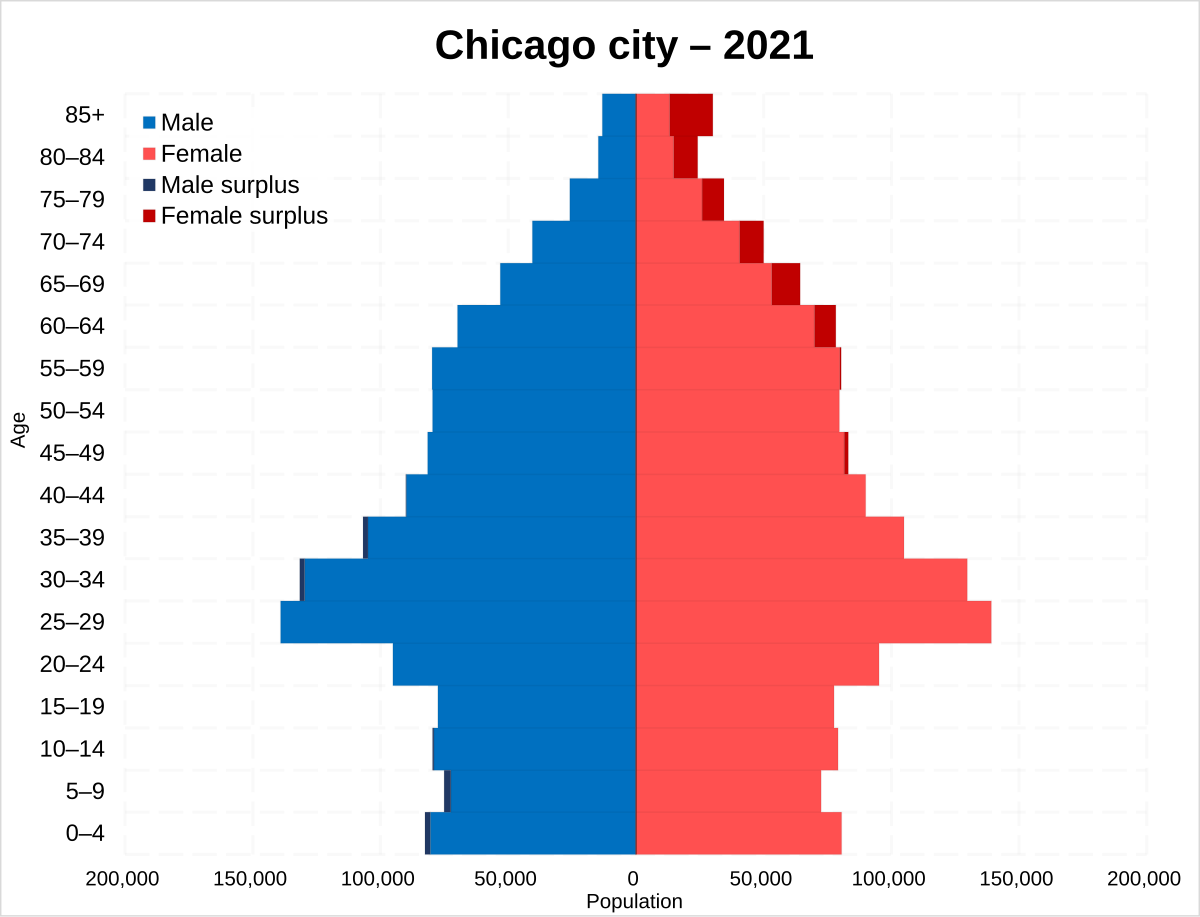
The Urban Tapestry: Demographics of the Windy City
The sheer volume of people residing in and around Chicago is a testament to its enduring appeal and economic strength. This substantial population base is not monolithic; rather, it’s a vibrant mosaic of cultures, ethnicities, and backgrounds that contribute to the city’s unique charm and energy.
Chicago’s Core Population: A Snapshot
At its heart, Chicago’s population is incredibly diverse. Generations of immigrants have shaped its neighborhoods, leaving indelible marks on its food, music, art, and traditions. This melting pot of cultures is evident in districts like Chinatown, Pilsen (Mexican-American heritage), and Andersonville (Swedish roots), each offering a distinct flavor of Chicago’s global appeal. Such diversity enriches the local culture, providing visitors with an authentic glimpse into myriad traditions and an unparalleled variety of culinary experiences – from world-renowned Deep Dish Pizza and Chicago-style Hot Dog to authentic ethnic cuisines from every corner of the globe.
The city’s youthful demographic, coupled with a significant professional workforce, fuels a dynamic lifestyle. This translates into a city that is constantly innovating, hosting myriad events, and offering endless activities for both residents and visitors. From bustling nightlife districts in River North and Logan Square to family-friendly attractions and extensive public parks, Chicago caters to a broad spectrum of interests, largely because its diverse population demands it.
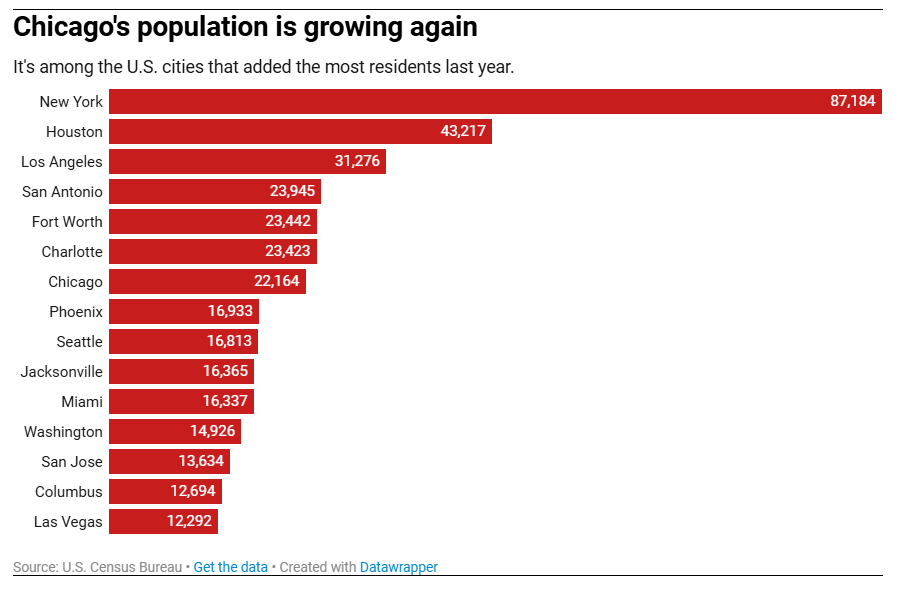
Beyond the City Limits: The Metropolitan Influence
When considering “how many people in Chicago,” it’s crucial to acknowledge the metropolitan statistical area. The Chicagoland region’s over 9.5 million inhabitants create a vast economic engine and a complex web of suburban communities, each contributing to the region’s overall character. Many people commute into the city for work, leisure, or special events, swelling the daily population of downtown Chicago. This daily influx affects public transportation, restaurant reservations, and the overall atmosphere of popular landmarks and attractions.
The metropolitan reach also means a broader array of regional experiences are within easy reach for tourists, from charming towns along the North Shore of Lake Michigan to historical sites like Frank Lloyd Wright’s architectural masterpieces in Oak Park. This extensive population base ensures that Chicago remains a major hub for travel and commerce in the Midwest and across the Great Lakes region.

A City Built for Millions: How Population Shapes Travel Experiences
The large population of Chicago isn’t just a number; it’s a foundational element that shapes every aspect of the visitor experience, from the architecture that defines its skyline to the vast array of accommodation options available.
Navigating Chicago’s Bustling Attractions
A city of millions requires robust infrastructure and a wide variety of public spaces and attractions to serve its residents and draw in visitors. Chicago excels in this regard, offering an astonishing array of destinations that can accommodate large crowds while still providing intimate experiences.
- Millennium Park: Home to the iconic Cloud Gate (The Bean), this park is a prime example of urban planning designed for public enjoyment, drawing millions annually for art, music, and relaxation. Its vast open spaces and numerous art installations handle large volumes of people with ease.
- Art Institute of Chicago: One of the oldest and largest art museums in the United States, its extensive collections and grand halls cater to countless art enthusiasts.
- Navy Pier: Stretching out into Lake Michigan, Navy Pier is a testament to Chicago’s capacity for large-scale entertainment, offering everything from rides and restaurants to boat tours and cultural events. It is a major draw for families and groups.
- Magnificent Mile: This stretch of Michigan Avenue is a shopping paradise, featuring luxury boutiques, department stores, and flagship brands. Its wide sidewalks and numerous shops are built to handle a constant flow of shoppers and sightseers.
- Museum Campus: This sprawling lakeside complex houses three of Chicago’s most renowned institutions: the Field Museum, the Shedd Aquarium, and the Adler Planetarium. Their proximity allows visitors to experience multiple world-class facilities in one location, catering to a continuous stream of curious minds.
- Willis Tower (formerly Sears Tower) and 875 North Michigan Avenue (formerly John Hancock Center): These towering landmarks offer breathtaking panoramic views of the cityscape and Lake Michigan, handling thousands of visitors daily eager to experience Chicago from above.
The sheer volume of people in the city also necessitates efficient public transportation, making it easy for tourists to navigate between these popular spots. Comprehensive guides on getting around Chicago are invaluable for optimizing your travel time.
Culinary Delights and Cultural Vibrancy
A large, diverse population naturally gives rise to an incredibly rich and varied culinary landscape. From Michelin-starred restaurants in the West Loop and Fulton Market to casual neighborhood eateries in Wicker Park or Logan Square, Chicago’s food scene is a direct reflection of its vibrant populace. This means travelers can explore a different cuisine every night, sampling authentic dishes from across the globe without ever leaving the city.
Beyond food, Chicago’s large population supports a thriving arts and culture scene. It’s the birthplace of modern improvisational comedy (Second City), a global capital for Blues and Jazz music, and home to world-class institutions like the Symphony Center, Lyric Opera of Chicago, and numerous Broadway in Chicago productions. Major festivals like Lollapalooza, Taste of Chicago, and the Chicago Marathon draw hundreds of thousands of participants and spectators, showcasing the city’s ability to host massive public experiences with efficiency and flair. Even events like dyeing the Chicago River green for St. Patrick’s Day become grand spectacles, thanks to the massive public turnout.
Accommodation for Every Traveler
With millions of residents and a steady stream of tourists and business travelers, Chicago’s accommodation market is extensive and competitive. This is excellent news for visitors, as it means a vast selection of hotels, resorts, suites, and apartments caters to every preference and budget.
From ultra-luxury establishments on the Magnificent Mile like The Langham, The Peninsula, Four Seasons, and Park Hyatt, to globally recognized chains such as Hyatt, Hilton, and Marriott offering various price points, the options are virtually endless. Boutique hotels like Nobu Hotel, The Hoxton, and Thompson Chicago offer unique stays, while extended-stay apartments provide practical solutions for longer visits.
The sheer number of people demanding lodging ensures that properties are consistently updating amenities, offering competitive rates, and providing excellent service. Websites offering booking platforms, reviews, and comparison tools are essential for navigating this extensive market. Whether you’re seeking luxury travel amenities like spa services and fine dining or searching for budget travel options that don’t compromise on comfort, Chicago’s hotel landscape is designed to meet the demands of its millions of annual visitors.
The Economic and Lifestyle Impact on Visitors
The large population density and metropolitan scale of Chicago have profound economic and lifestyle implications that directly benefit visitors.
Understanding Chicago’s Economic Engine
With millions of residents and an extensive metropolitan area, Chicago is a powerhouse of commerce and industry. It serves as a major global financial center, a hub for technology, healthcare, manufacturing, and logistics. This robust economic activity translates into a vibrant urban environment with substantial investments in infrastructure, public services, and cultural institutions. For tourists, this means well-maintained streets, efficient transportation networks (including two major international airports, O’Hare International Airport and Midway International Airport), and a wide array of high-quality services.
The presence of major convention centers like McCormick Place underscores Chicago’s capacity to host large-scale events, drawing millions of business stays annually. These visitors, in turn, contribute to the local economy, supporting countless restaurants, shops, and entertainment venues that also cater to leisure travelers. The economic stability afforded by such a large population means a consistently high standard of services and amenities available throughout the city.
Tailoring Your Chicago Lifestyle Experience
The diversity and sheer number of people in Chicago allow for a highly personalized travel experience. Whether you’re planning a family trip with visits to Lincoln Park Zoo and Grant Park, a romantic luxury travel getaway with stays at the Waldorf Astoria Chicago or Ritz-Carlton, Chicago and fine dining, or a solo budget travel adventure exploring vibrant neighborhoods, Chicago has options to fit every preference.
The different districts of Chicago each possess a distinct character shaped by their residents. The Gold Coast exudes sophistication, while Wrigleyville pulses with sports enthusiasm. The Loop is the bustling commercial and cultural heart, and areas like Pilsen and Logan Square offer bohemian charm and artistic flair. This geographical and demographic segmentation means travelers can choose their ideal ‘vibe’ for their visit, enhancing their experiences immensely.
For those considering a more extended stay, perhaps for work or a sabbatical, the city’s vast population supports a robust market for long-term stay accommodation and a welcoming community that makes settling in relatively smooth. The density of services, from healthcare to education and leisure, makes Chicago a practical and enjoyable city for extended visits or even relocation.
In conclusion, “how many people in Chicago?” is more than a simple demographic query. It’s a key to understanding the city’s immense scale, its incredible diversity, its economic prowess, and its unparalleled capacity to offer a myriad of unforgettable travel experiences. The millions who call Chicago home, whether within its city limits or in the broader metropolitan area, are the driving force behind its vibrant culture, its iconic landmarks, its world-class hotels, and its enduring allure as a global destination. For any traveler planning a visit, recognizing the human element at the core of the Windy City will undoubtedly enrich their journey.