
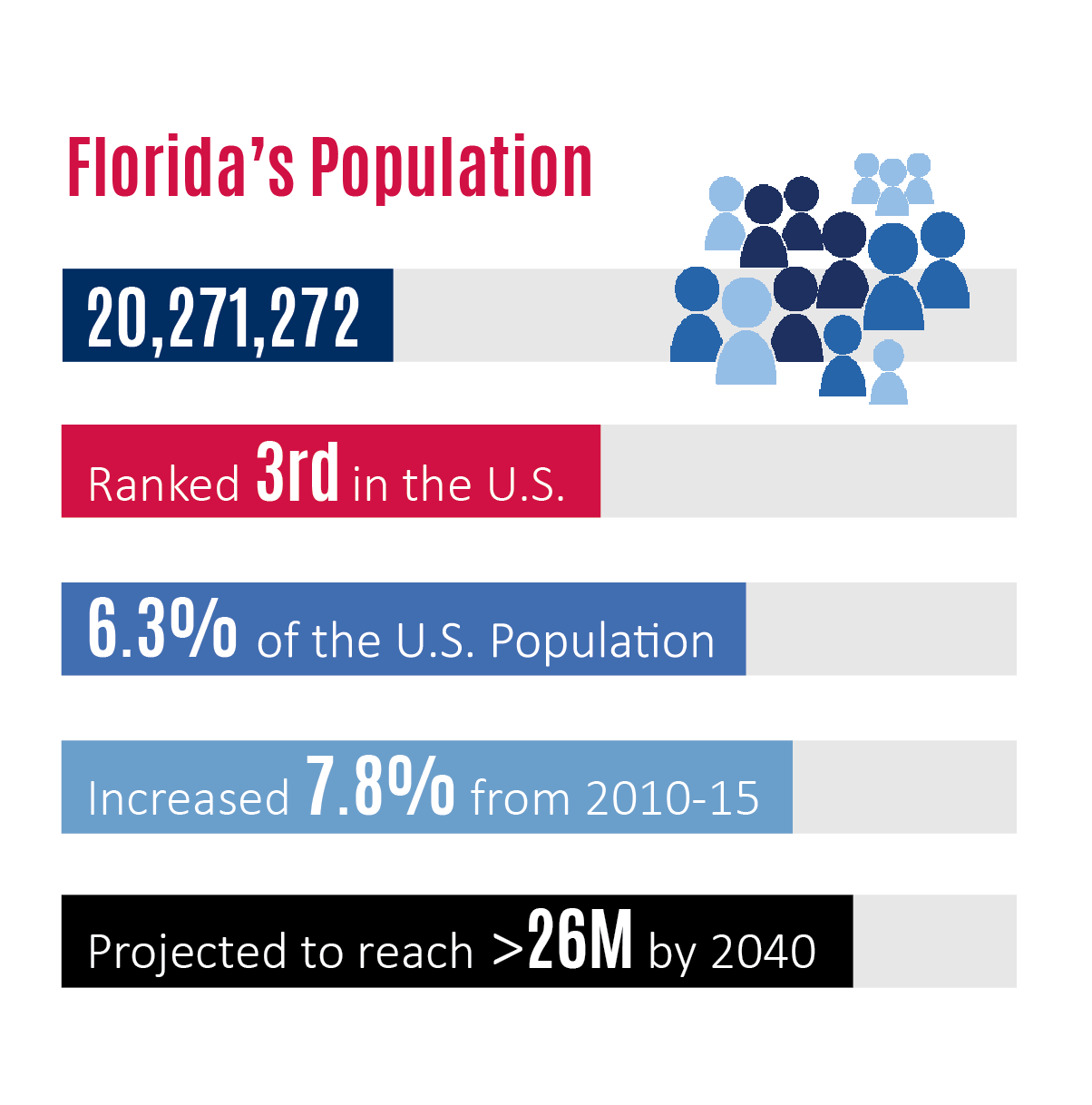
Florida, often dubbed the Sunshine State, is far more than just a popular tourist destination; it’s a dynamic, ever-growing hub of life, culture, and opportunity. A question frequently asked, whether by prospective residents, curious travelers, or business investors, is “How many people in Florida?” The answer is a testament to the state’s enduring appeal, revealing a vibrant tapestry woven from diverse populations and economic prosperity. As of recent estimates, Florida is home to well over 22 million residents, making it the third most populous state in the United States. This impressive figure is not static; it’s a constantly expanding number, driven by an influx of new residents seeking the unique blend of lifestyle, economic prospects, and natural beauty that defines this southeastern gem.
This remarkable growth has profound implications, shaping everything from the state’s sprawling urban centers and serene coastal communities to its bustling tourism industry and diverse accommodation options. Understanding the demographics and the drivers behind this population boom offers invaluable insights into the future of travel, hospitality, and living in Florida.

Florida’s Population: A Snapshot of Growth and Diversity
The story of Florida’s population is one of relentless expansion. For decades, the state has been a magnet for people from across the United States and around the globe, drawn by its warm climate, tax advantages, and abundant opportunities. This continuous migration has transformed Florida into a demographic melting pot, rich in cultural diversity and vibrant communities.
The Ever-Growing Sunshine State
The sheer volume of people choosing to call Florida home is staggering. Each year, hundreds of thousands of individuals and families relocate to the state, significantly contributing to its escalating population figures. This growth isn’t just about sheer numbers; it reflects a deep-seated appeal rooted in a variety of factors. From those escaping colder climates in search of year-round warmth to professionals seeking new career paths in burgeoning industries, the reasons for moving to Florida are as varied as its new residents themselves.
This consistent population increase puts considerable pressure on existing infrastructure, but it also fuels innovation and development. New communities spring up, older ones are revitalized, and the landscape is continuously reshaped to accommodate the burgeoning populace. For the tourism and hospitality sectors, this means a constant demand for new hotels, resorts, and attractions, ensuring that Florida remains at the forefront of global travel and tourism.
A Mosaic of Demographics
Beyond the impressive overall numbers, the demographic makeup of Florida paints an even more intricate picture. The state is renowned for its diverse population, influenced heavily by its geographical location, historical ties, and economic drivers. Florida’s proximity to Latin America and the Caribbean has fostered a rich Hispanic and Latino heritage, particularly evident in cities like Miami, often considered the unofficial capital of Latin America. This cultural influence permeates the state’s cuisine, music, art, and daily lifestyle, offering a unique flavor that distinguishes it from other U.S. states.
The state also boasts a significant population of retirees, often referred to as “snowbirds,” who flock to its sunny shores seeking a relaxed pace of life and excellent healthcare facilities. This has led to the development of numerous age-restricted communities, particularly in South Florida and along the Gulf Coast. However, Florida is far from being solely a retirement haven; it’s also attracting a younger demographic, including families and young professionals, drawn by job opportunities, vibrant urban centers like Orlando and Tampa, and world-class educational institutions. This blend of ages and backgrounds creates a dynamic and multicultural environment, fostering a rich array of experiences for residents and visitors alike, from bustling cityscapes to tranquil natural landmarks.
The Magnetic Pull: Why People Choose Florida
The reasons behind Florida’s continuous population surge are multifaceted, reflecting a powerful combination of economic incentives, lifestyle aspirations, and an undeniable appeal that few other places can match. Understanding these drivers is key to appreciating the state’s unique character and its ongoing evolution.
Economic Opportunities and Business Boom
One of the primary magnets drawing people to Florida is its robust and diversifying economy. Beyond the traditional pillars of tourism and agriculture, the state has emerged as a hub for various industries, including aerospace (often called the Space Coast around the Kennedy Space Center), technology (with areas like Miami’s “Silicon Beach”), finance, and healthcare. Cities like Jacksonville, Orlando, and Tampa are experiencing significant job growth, attracting skilled professionals and entrepreneurs.
The state’s favorable tax policies, including no state income tax, provide a significant financial incentive for individuals and businesses alike. This environment fosters a pro-business climate, encouraging startups and established companies to relocate or expand within the state. This economic dynamism not only creates jobs but also contributes to a sense of optimism and opportunity that resonates deeply with prospective residents, solidifying Florida’s reputation as a place where dreams can be built.
Lifestyle and Leisure: More Than Just Beaches
While the economic prospects are undeniable, for many, the allure of Florida lies in its unparalleled lifestyle and leisure opportunities. The state is synonymous with pristine beaches, world-renowned theme parks, and an abundance of outdoor activities. Whether it’s basking on the white sands of South Beach, exploring the magical realms of Walt Disney World Resort or Universal Orlando Resort, or kayaking through the serene mangroves of Everglades National Park, there’s an endless array of experiences to be had.
This vibrant lifestyle appeals to a wide demographic. Families are drawn to the family-friendly attractions and excellent schools, while young professionals appreciate the lively nightlife, cultural events, and diverse culinary scenes found in cities like Fort Lauderdale and St. Petersburg. The temperate climate allows for year-round engagement in activities like golf, fishing, boating, and hiking, making outdoor living an integral part of the Florida experience. This rich tapestry of leisure options firmly places Florida as a top destination for both permanent residents and temporary visitors.
Retirement Dreams and Snowbird Sanctuaries
For generations, Florida has been the quintessential retirement haven. The promise of sunny skies, a relaxed pace, and a strong sense of community for seniors continues to draw a substantial number of retirees, significantly contributing to the state’s population. The term “snowbirds” aptly describes the seasonal residents who migrate south for the winter months, escaping the harsh northern winters. Many of these seasonal visitors eventually decide to make Florida their permanent home.
The state caters extensively to this demographic with a wide range of accommodation options, from active adult communities offering extensive amenities like golf courses, clubhouses, and social programs, to independent living villas and apartments. Healthcare infrastructure in Florida is also robust, with numerous specialized medical facilities and services tailored to the needs of an aging population. This focus on senior living has created unique communities and a distinct segment of the tourism and hospitality industry, further solidifying Florida’s reputation as the ultimate place for a golden retirement.
Implications for Florida’s Landscape: Tourism, Infrastructure, and Accommodation
The rapid and sustained population growth in Florida brings with it a complex set of implications, profoundly impacting the state’s physical and social landscape. From the demands placed on its world-leading tourism sector to the continuous need for expanded infrastructure and diverse accommodation solutions, understanding these effects is crucial for anyone engaging with the Sunshine State.
The Tourism Juggernaut and its Demands
Florida’s status as a top global travel destination is deeply intertwined with its growing population. More residents mean more people who are potentially visitors to the state’s many attractions, or who have family and friends visiting them, thereby bolstering the overall tourism numbers. This resident-driven tourism complements the millions of international and domestic visitors who flock to Florida each year. The cumulative effect is an immense demand for services, experiences, and hospitality offerings.
This demand translates into a thriving industry of hotels, resorts, vacation rentals, and attractions. Cities like Orlando, often called the “Theme Park Capital of the World”, and Miami, a global gateway, are constantly innovating and expanding their offerings to cater to both residents and tourists. From new rides at Walt Disney World Resort to luxury suites in South Florida and bespoke tourist guides for exploring local culture, the state’s growing population ensures a continuous evolution of its tourism product. This symbiotic relationship ensures that Florida remains a vibrant and competitive player in the global travel market.
Expanding Infrastructure to Meet Demand
A growing population necessitates a corresponding expansion of infrastructure. Florida’s major metropolitan areas – including Miami-Dade County, Broward County, Palm Beach County, and Orange County – are continually investing in roads, public transportation, utilities, and public services to keep pace. This includes the expansion of airports like Orlando International Airport and Miami International Airport, improvements to major highways, and the development of new public transit systems.
While these projects are essential for maintaining quality of life and facilitating tourism, they also present challenges related to urban planning, environmental impact, and financing. The state government, along with local municipalities, is engaged in ongoing efforts to balance growth with sustainability, ensuring that Florida’s natural beauty and resources are preserved for future generations, even as its population continues to soar. The planning for new landmarks, both architectural and natural, is a constant consideration.
The Accommodation Puzzle: From Resorts to Residences
One of the most immediate impacts of population growth is on accommodation. The demand for housing, across all segments, is exceptionally high. This encompasses everything from luxury single-family homes and urban apartments to affordable housing options and retirement communities. The real estate market in Florida is notoriously competitive, with new developments constantly emerging to meet the needs of incoming residents.
Simultaneously, the tourism sector sees a parallel demand for diverse lodging. From five-star resorts offering unparalleled amenities and experiences in places like the Florida Keys to budget-friendly hotels near attractions and charming boutique villas in historic districts, options for visitors are vast and continually expanding. The rise of long-term stay options and vacation rentals further illustrates the blend between residential and transient accommodation needs, presenting both opportunities and challenges for urban planners and developers. The ability to find suitable accommodation, whether for a brief vacation or a permanent move, is a critical component of the Florida experience, influencing booking trends and necessitating careful comparison and reviews for optimal choices.
Navigating the Future: Challenges and Opportunities
As Florida’s population continues its upward trajectory, the state faces both significant challenges and unparalleled opportunities. The way these are addressed will shape the future of its lifestyle, economy, and environment.
Urbanization, Sustainability, and Preservation
The rapid urbanization accompanying population growth places immense pressure on Florida’s delicate ecosystems. Balancing development with environmental preservation is a constant tightrope walk. Issues such as water management, conservation of natural habitats (like the Everglades), and managing coastal erosion become increasingly critical. Sustainable urban planning, green architecture, and investing in renewable energy sources are crucial steps toward ensuring that the Sunshine State can sustain its growth without compromising its natural heritage, which includes many of its most cherished landmarks.
The influx of people also means an increasing need for diverse community planning. Cities are evolving to incorporate more mixed-use developments, walkable neighborhoods, and efficient public transport systems to reduce reliance on personal vehicles and mitigate traffic congestion. Creating livable, resilient communities that can adapt to future environmental changes, such as rising sea levels, is at the forefront of policy discussions in cities like Miami, Tampa, and Fort Lauderdale.
A Dynamic Future for the Sunshine State
The question of “How many people in Florida?” extends beyond a simple numerical answer; it delves into the essence of what makes this state so captivating. It’s about the vibrant communities, the diverse cultures, the booming economy, and the unique lifestyle that continues to attract millions. As Florida moves forward, its dynamic population will continue to drive innovation in tourism, hospitality, and urban development.
From new destinations emerging in North Florida and Central Florida to cutting-edge resorts along the Atlantic Coast and Gulf Coast, the state is constantly reinventing itself. For travelers, this means an ever-expanding array of choices for experiences, accommodation, and activities. For residents, it means a bustling, opportunity-rich environment, albeit one that requires thoughtful planning and management. Florida’s story is one of continuous growth, adaptation, and an unwavering promise of sunshine and adventure, making it an endlessly fascinating subject for anyone interested in the future of travel, lifestyle, and human migration. The Sunshine State remains, without a doubt, a place of profound allure and boundless potential.