
California, the Golden State, conjures images of endless sunshine, pristine beaches, majestic redwoods, and the vibrant energy of diverse cities. It’s a land of dreams, innovation, and unparalleled natural beauty, attracting millions of visitors each year eager to explore its myriad attractions. But beyond the glitz and glamour, or the serene calm of its natural wonders, lies a fundamental aspect that impacts every traveler and resident: time. Understanding “what time is time” in California is more than just knowing the current hour; it’s about grasping the rhythm of the state, managing travel logistics, and ultimately, maximizing your precious moments in this extraordinary destination.
From scheduling flights and hotel check-ins to planning your daily adventures or simply communicating with loved ones across different continents, California’s time zone plays a crucial role. This comprehensive guide will unravel the intricacies of California’s time, offering insights into its practical implications for travel and tourism, and helping you synchronize your internal clock with the laid-back yet dynamic pace of the Pacific Coast.
Understanding California’s Time Zone: Pacific Standard Time Explained
At its core, California operates on Pacific Standard Time (PST) during the winter months and Pacific Daylight Time (PDT) during the summer. This distinction is vital for anyone planning a visit or conducting business with the state. PST is observed from the first Sunday in November until the second Sunday in March, while PDT takes over for the remainder of the year.
Specifically, Pacific Standard Time is UTC-8, meaning it is eight hours behind Coordinated Universal Time (UTC). When Daylight Saving Time kicks in, the clock springs forward by one hour, making it Pacific Daylight Time, which is UTC-7. This shift effectively “steals” an hour in spring but “returns” it in the fall, aiming to make better use of natural daylight. While the concept of Daylight Saving Time has faced debates and legislative challenges, for now, it remains an integral part of California’s annual time cycle.
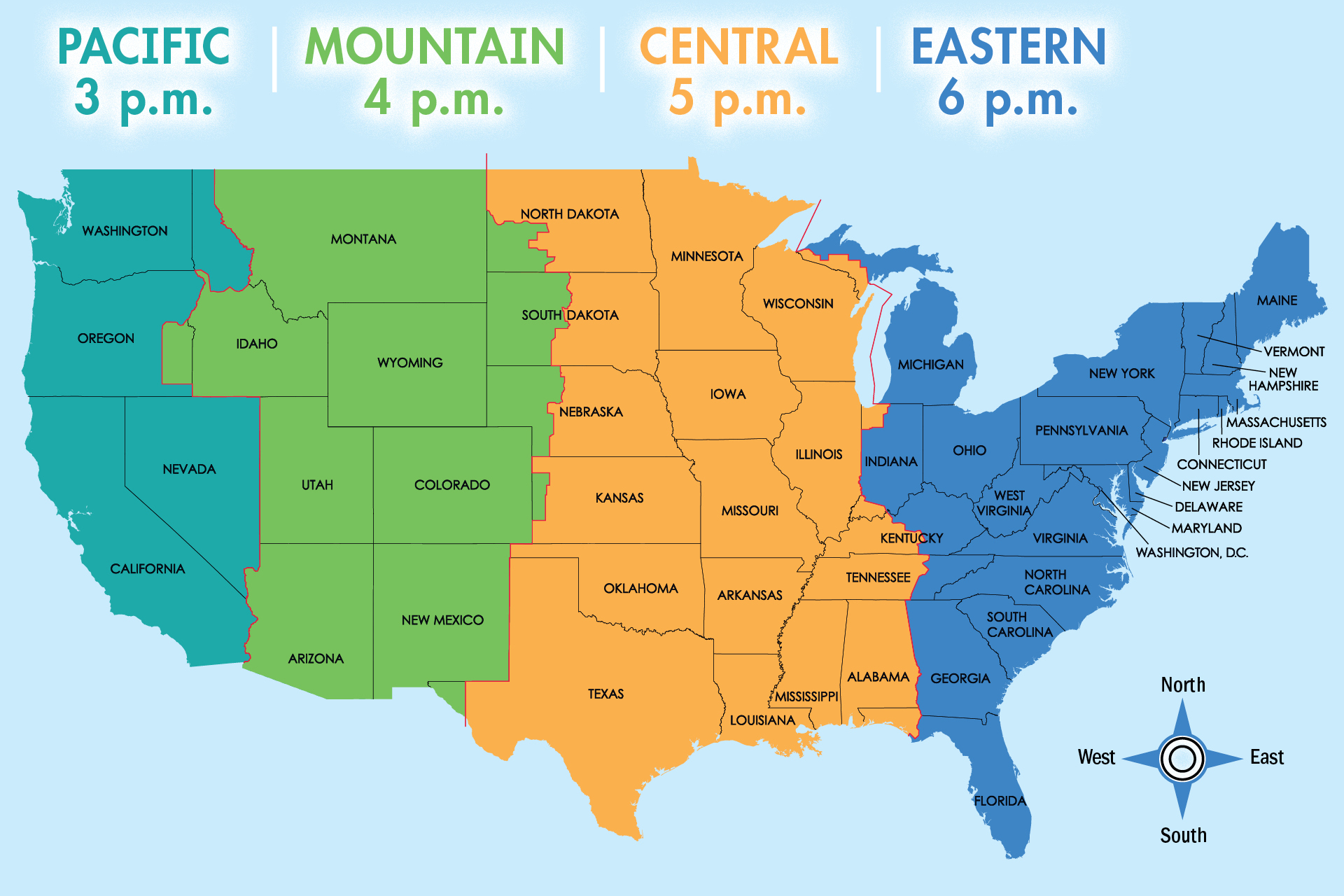
The entire state of California, from the northern borders near Oregon down to the southern tip bordering Mexico, observes this single time zone. This simplifies matters greatly compared to states or countries with multiple time zones, ensuring that whether you’re in Los Angeles, San Francisco, or a remote town in the Sierra Nevada Mountains, the clock reads the same.
PST vs. PDT: Navigating Daylight Saving
The transition between PST and PDT is a critical consideration for travelers. When planning a trip during the spring or fall, it’s essential to confirm whether your dates fall before or after the time change. This can impact everything from flight departure and arrival times to pre-booked tours and restaurant reservations. For instance, an early morning flight scheduled for the Sunday Daylight Saving begins might effectively be an hour later than anticipated if you forget to adjust your clock, potentially leading to missed connections or appointments.
Conversely, the extra hour of daylight in the evenings during PDT can be a significant advantage for tourism. Imagine enjoying the sunset from the Santa Monica Pier or lingering longer at an outdoor café in Napa Valley without feeling rushed. This extended evening light allows for more outdoor activities and a leisurely pace, truly enhancing the California experience.
The Global Perspective: California’s Time Relative to the World
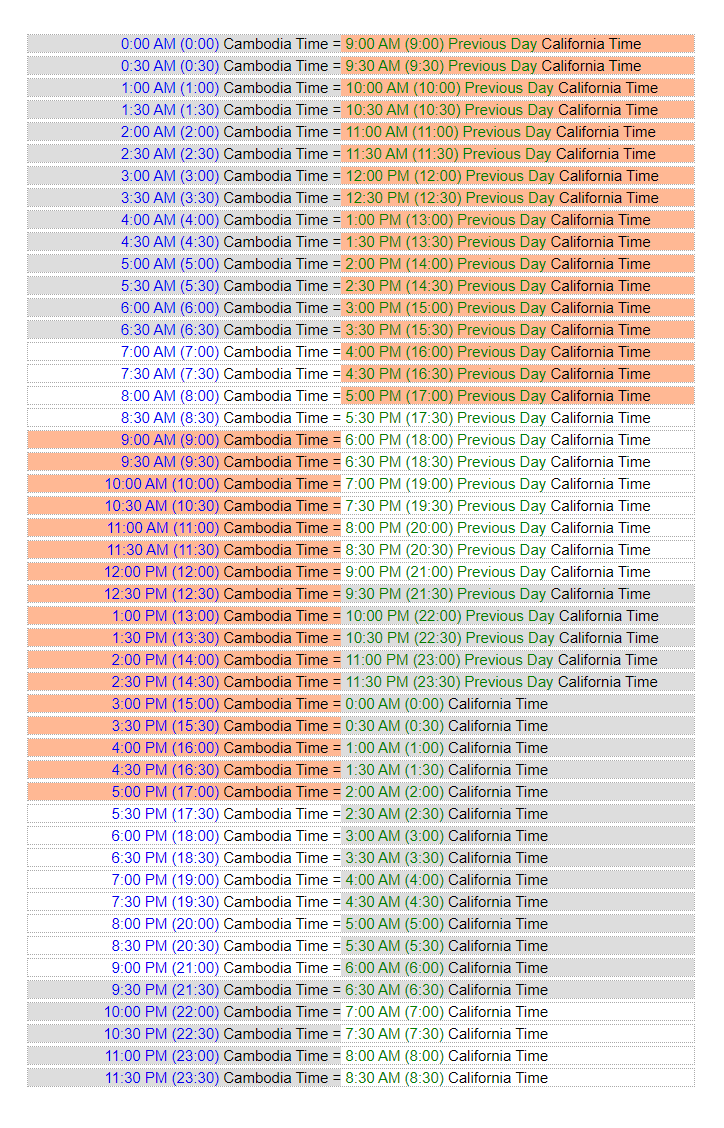
Understanding California’s time zone in relation to other major global regions is crucial for international travelers and those connecting across the US.
- Within the US: California is three hours behind the East Coast (Eastern Standard Time / Eastern Daylight Time), two hours behind the Central Time Zone, and one hour behind the Mountain Time Zone. This means if it’s 3 PM in New York City, it’s 12 PM in Los Angeles.
- Canada and Mexico: Neighboring regions in Canada (like British Columbia) and Mexico (like Baja California) also observe Pacific Time, simplifying cross-border interactions.
- Europe: Most of Europe is 8 to 9 hours ahead of California during PST and 9 to 10 hours during PDT. For example, when it’s 9 AM on a Monday in London, it’s typically 1 AM in Los Angeles.
- Asia and Australia: The time difference becomes even more significant when looking westward. Tokyo is 16 hours ahead of California during PST (17 hours during PDT), essentially putting California a day behind. Sydney can be 19 hours ahead.
These significant time differences highlight the importance of careful planning for international calls, virtual meetings, or simply updating family back home.
The Traveler’s Conundrum: Adapting to California Time
For many travelers, particularly those arriving from distant time zones, the most immediate challenge is adapting to California’s time. Jet lag is a real phenomenon that can significantly impact your initial days, potentially dampening the excitement of your trip. However, with a few strategic approaches, you can mitigate its effects and quickly immerse yourself in the Golden State’s rhythm.
Beyond jet lag, aligning your personal schedule with the local clock is crucial for seamless travel experiences. This involves everything from understanding when attractions open and close to coordinating airport transfers and dining reservations.
Conquering Jet Lag: Tips for a Smooth Transition
Jet lag, characterized by fatigue, disorientation, and sleep disturbances, occurs when your body’s internal clock (circadian rhythm) is out of sync with the new local time. Traveling westward to California from the East Coast or Europe can feel like gaining hours, which is often easier to adjust to than losing them, but it still requires effort.
Here are some tips to help you conquer jet lag and embrace California time:
- Adjust Before You Arrive: If possible, start shifting your sleep schedule a few days before your trip. Go to bed an hour or two later if traveling west.
- Stay Hydrated: Drink plenty of water before, during, and after your flight. Dehydration can exacerbate jet lag symptoms.
- Avoid Alcohol and Excessive Caffeine: While tempting, these can disrupt your sleep patterns and worsen fatigue.
- Seek Sunlight: Upon arrival, expose yourself to natural light, especially in the morning. Sunlight helps reset your circadian rhythm. Take a walk along the beach in San Diego or explore a park in San Francisco.
- Power Naps, Not Long Sleeps: If you need to rest, keep naps short (20-30 minutes) to avoid falling into deep sleep, which can make it harder to sleep at night.
- Eat According to Local Time: Even if you’re not hungry, try to eat meals at the local breakfast, lunch, and dinner times. This cues your body to the new schedule.
- Stay Active: Light exercise, like a walk or gentle stretching, can help your body adjust and improve sleep quality.
- Prioritize Sleep on Arrival Night: Try to stay awake until a reasonable local bedtime and then aim for a full night’s sleep in your comfortable accommodation.
Synchronizing Your Schedule: Flights, Bookings, and Beyond
Beyond personal adjustment, the time difference dictates much of your travel logistics. When booking flights to Los Angeles International Airport or San Francisco International Airport, always double-check departure and arrival times in local time zones. A flight departing at 9 AM from New York and arriving at 12 PM in Los Angeles might seem like a quick three-hour journey, but it’s actually a six-hour flight when accounting for the three-hour time difference.
Similarly, consider how time impacts your hotel check-in and check-out. Most hotels in California adhere to standard times, with check-in typically in the afternoon (e.g., 3 PM or 4 PM) and check-out in the late morning (e.g., 11 AM or 12 PM). If you arrive on an early morning flight, you might need to arrange for early check-in (if available) or plan activities to fill the gap until your room is ready.
Pre-booking tours, museum visits, or special dining experiences requires careful attention to California time. What might seem like a convenient 10 AM slot from your home time zone could be a struggle if you’re still battling jet lag. Factor in travel time between attractions, especially in sprawling cities like Los Angeles where traffic can add significant delays.
Making Every Moment Count: Maximizing Your California Experience
Once you’ve adjusted to California time, the real fun begins. The state offers an incredible array of destinations and attractions, and understanding how to optimize your day, from sunrise to sunset, will allow you to soak in as much as possible.
California’s diverse geography means you can experience vastly different environments within a relatively short travel time. From the surf culture of Southern California to the wine regions of Northern California and the majestic national parks, each region has its own temporal nuances.
From Sunrise to Sunset: Iconic California Activities
The ample daylight hours, especially during PDT, are a huge asset for exploring.
- Early Mornings: Embrace the quiet beauty of a California morning. Witness the sunrise over the Pacific from a scenic point along the Pacific Coast Highway, take an invigorating hike in Griffith Park with panoramic views of Los Angeles, or hit the waves at Huntington Beach before the crowds gather. Many popular attractions like Disneyland Resort or Universal Studios Hollywood open early, and arriving right at opening can save you significant time in lines.
- Daytime Adventures: The bulk of your day can be spent exploring. Wander through the historic streets of San Francisco and visit Alcatraz Island, delve into the natural wonders of Yosemite National Park, or drive through the vineyards of Napa Valley for wine tastings. For those interested in lifestyle and culture, a stroll down the Hollywood Walk of Fame or exploring the vibrant neighborhoods of San Diego offers endless opportunities.
- Evenings and Sunsets: California is renowned for its spectacular sunsets. Find a spot on the Laguna Beach cliffs, overlook the Golden Gate Bridge from Sausalito, or enjoy a sophisticated dinner in Beverly Hills as the city lights up. The vibrant nightlife of cities like Los Angeles and San Francisco truly comes alive after dark, offering everything from live music to world-class theater.
Planning Your Days: Optimizing Itineraries
Effective itinerary planning hinges on understanding travel times and the operating hours of attractions. Use online maps and traffic apps to estimate transit times between locations, especially in metropolitan areas.
- Cluster Activities Geographically: Grouping nearby landmarks or activities together saves travel time. For example, if you’re visiting San Francisco, combine a trip to Fisherman’s Wharf with a cable car ride and a visit to Ghirardelli Square.
- Check Operating Hours: Always verify the opening and closing times of specific attractions, as these can vary by season, day of the week, or even during special events. This is particularly true for museums, theme parks, and national parks.
- Factor in Downtime: Don’t overschedule. Build in breaks for meals, relaxation, and spontaneous discoveries. Remember, you’re on vacation!
- Consider Peak Times: Visiting popular spots during off-peak hours (early morning or late afternoon) can help you avoid crowds and make the most of your time. This is especially useful for places like the Hollywood Walk of Fame or the observation decks.
Time and Travel Logistics: Accommodation, Dining, and Exploration
The pragmatic side of travel in California is heavily influenced by time. From ensuring a smooth hotel stay to savoring the diverse culinary scene, being mindful of the clock is essential for a stress-free experience.
Seamless Stays: Check-ins, Check-outs, and Hotel Amenities
Your choice of accommodation and how you interact with its services are often dictated by time. Whether you opt for a luxurious resort in Laguna Niguel like The Ritz-Carlton, a boutique hotel in San Francisco, or a charming villa in Carmel-by-the-Sea, understanding the timing of services is key.
- Check-in/Check-out Times: As mentioned, these are standard across most properties. If you have an early arrival or late departure, inquire about luggage storage, lounge access, or late check-out options. Many hotels are accommodating, especially if you communicate your needs in advance.
- Breakfast Hours: If your hotel includes breakfast, make a note of its serving times. This is particularly important for early risers or those with tight morning schedules.
- Pool and Gym Access: Hotel amenities like pools, fitness centers, and spas often have specific operating hours. Plan your relaxation or workout sessions accordingly.
- Concierge Services: The concierge desk is your best friend for last-minute bookings or questions about local timing for events and attractions. Don’t hesitate to utilize their expertise.
Culinary Clocks: Dining Reservations and Local Flavors
California’s culinary scene is a world-renowned delight, from Michelin-starred restaurants to casual food trucks. Dining is often a highlight of any trip, and timing plays a significant role in securing your preferred experience.
- Peak Dining Hours: Dinner in California cities typically peaks between 7 PM and 9 PM. For popular restaurants, especially those in Los Angeles, San Francisco, or Napa Valley, making reservations weeks, or even months, in advance is highly recommended.
- Brunch Culture: Weekends in California are synonymous with brunch. Many establishments offer extensive brunch menus, usually from 10 AM to 2 PM. Expect popular spots to have waits, so plan accordingly.
- Happy Hour: For budget-conscious travelers or those looking for a lighter meal, happy hour is a great option. Typically from 3 PM to 6 PM, many bars and restaurants offer discounted drinks and appetizers.
- Food Trucks and Markets: Explore California’s vibrant food truck scene or visit farmers’ markets for fresh, local produce. These often operate on specific schedules, so check their times before heading out. The Ferry Building Marketplace in San Francisco, for example, has varying vendor hours.
Embracing the California Lifestyle: Time as a State of Mind
Beyond the practicalities, “what time is time in California” also delves into the cultural perception of time within the state. California is often associated with a relaxed, laid-back lifestyle, particularly compared to the fast-paced East Coast. This translates into a different approach to punctuality and leisure, which visitors might find refreshing.
The concept of “California time” often implies a more fluid schedule, where being a few minutes late is more commonly accepted, especially in social settings. This isn’t an excuse for outright tardiness, but it speaks to a less rigid adherence to the clock in daily life, emphasizing enjoyment and presence.
The Rhythm of Relaxation: Beach Life and Beyond
The proximity to the Pacific Ocean heavily influences California’s rhythm. Beach towns, from Malibu to La Jolla, embody a specific temporal sensibility. Days often revolve around the ebb and flow of the tides, the changing light, and the simple pleasures of sun, sand, and surf. Time slows down here, encouraging visitors to relax, unwind, and truly be in the moment.
Whether you’re practicing yoga on the sand at sunrise, catching waves in the afternoon, or enjoying a bonfire as the stars emerge, the clock becomes less of a tyrant and more of a gentle guide. This relaxed pace is part of the allure of a California vacation, allowing for spontaneous adventures and a deeper connection with the natural environment.
Business and Pleasure: Time Management in the Golden State
While leisure often dictates a relaxed approach to time, California is also a global hub for business and innovation, particularly in areas like Silicon Valley. Here, time is money, and efficiency is paramount. Meetings are scheduled precisely, and deadlines are firm. This duality reflects the state’s diverse character.
For business travelers, understanding this distinction is crucial. While a leisurely brunch on a Sunday might tolerate a slight delay, a Monday morning meeting in San Jose demands punctuality. The key is to adapt your time management strategies based on the context of your activities.
Ultimately, “what time is time in California” is about more than just reading a clock. It’s about understanding the practicalities of its time zone, adapting to its rhythm, and leveraging its generous daylight hours to create unforgettable travel experiences. By being mindful of time, both literally and culturally, you can ensure your journey through the Golden State is as seamless, enriching, and enjoyable as possible, leaving you with cherished memories that transcend the ticking hands of a clock.
LifeOutOfTheBox is a participant in the Amazon Services LLC Associates Program, an affiliate advertising program designed to provide a means for sites to earn advertising fees by advertising and linking to Amazon.com. Amazon, the Amazon logo, AmazonSupply, and the AmazonSupply logo are trademarks of Amazon.com, Inc. or its affiliates. As an Amazon Associate we earn affiliate commissions from qualifying purchases.