
Understanding Population Dynamics for Tourism and Travel Planning
The question “How many people in [North Dakota]?” is more than just a demographic curiosity; it’s a foundational element for anyone planning travel, exploring potential destinations, or delving into the unique fabric of this Midwestern state. Understanding the population not only provides a snapshot of current residency but also offers insights into growth trends, settlement patterns, and the overall vibrancy of its communities. For the discerning traveler, this knowledge can illuminate the accessibility of popular attractions, the availability of services, and the potential for experiencing authentic local life. It helps paint a picture of a state that, while sparsely populated compared to its national counterparts, possesses a rich cultural tapestry and a welcoming spirit that draws visitors from near and far.
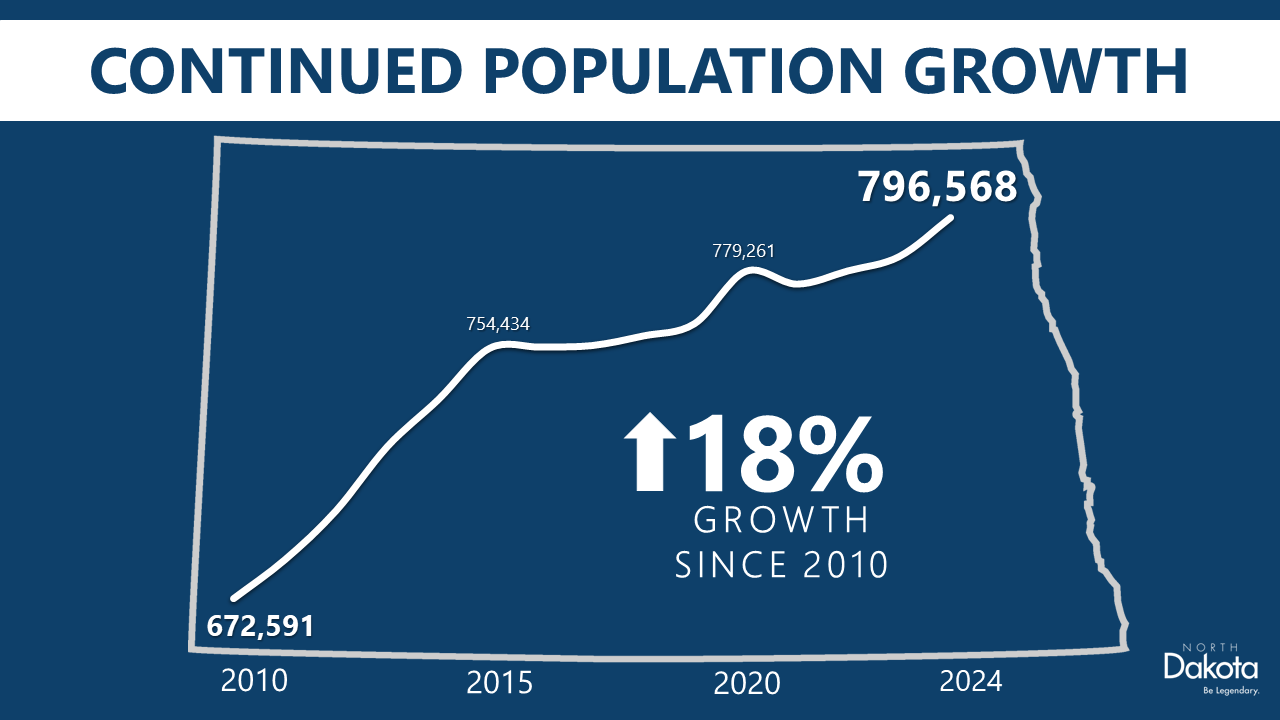
This exploration into the population of [North Dakota] will delve into official figures, demographic shifts, and the implications these have for those seeking to explore its diverse landscapes and charming towns. We will consider how population density influences the visitor experience, from the ease of navigating cities like [Bismarck] and [Fargo] to the serene solitude found in its vast natural expanses. By examining the numbers, we can better appreciate the strategic planning that goes into maintaining and enhancing the tourism infrastructure, ensuring that both residents and visitors benefit from the state’s development and unique appeal.
Unpacking the Numbers: Current Population and Trends
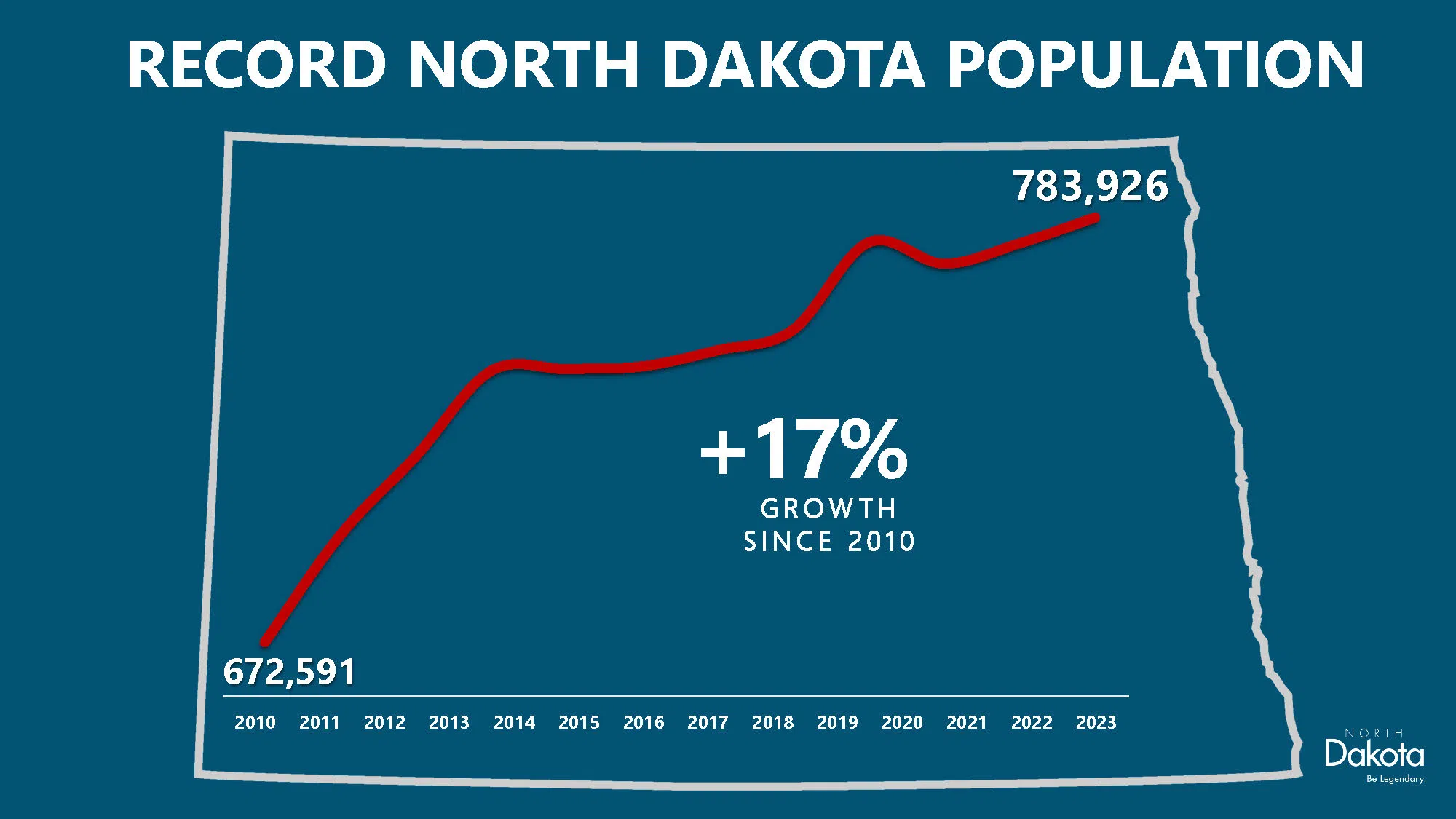
As of recent estimates, the population of [North Dakota] hovers around the 780,000 mark. This figure, while modest on a national scale, represents a significant concentration of people within a state known for its expansive prairies and abundant natural resources. It’s a number that has seen fluctuations over the years, influenced by economic cycles, particularly those tied to the oil and gas industry, and a general trend of urbanization within the state itself.
The distribution of this population is key to understanding [North Dakota]’s character. The majority of residents are concentrated in its urban centers, with [Fargo] and [Bismarck] being the most populous cities. [Fargo], situated in the eastern part of the state, often leads in population, driven by its robust economy, educational institutions like [North Dakota State University], and a burgeoning arts and cultural scene. [Bismarck], the state capital, is another significant hub, serving as the political and administrative heart of [North Dakota]. Beyond these primary centers, smaller cities and towns dot the landscape, each contributing to the state’s unique mosaic of communities.
Examining population trends reveals an interesting narrative. While [North Dakota] has historically experienced periods of out-migration, particularly in its rural areas, recent decades have shown a resilience and, in some periods, even growth. This is partly attributed to economic diversification and targeted efforts to attract new residents and businesses. For travelers, this evolving demographic means a dynamic state with developing amenities and a growing appreciation for its own heritage and potential. It suggests that [North Dakota] is not a static destination but one that is actively shaping its future, making it an engaging place to visit and explore.
Population Growth and Its Impact on Travel
The ebb and flow of [North Dakota]’s population have direct implications for the tourism sector. Periods of growth can signal increased investment in infrastructure, leading to improved roads, more lodging options, and enhanced visitor services. Conversely, a declining population in certain regions might present challenges in maintaining services but can also offer a more untouched and authentic experience for intrepid travelers seeking off-the-beaten-path adventures.
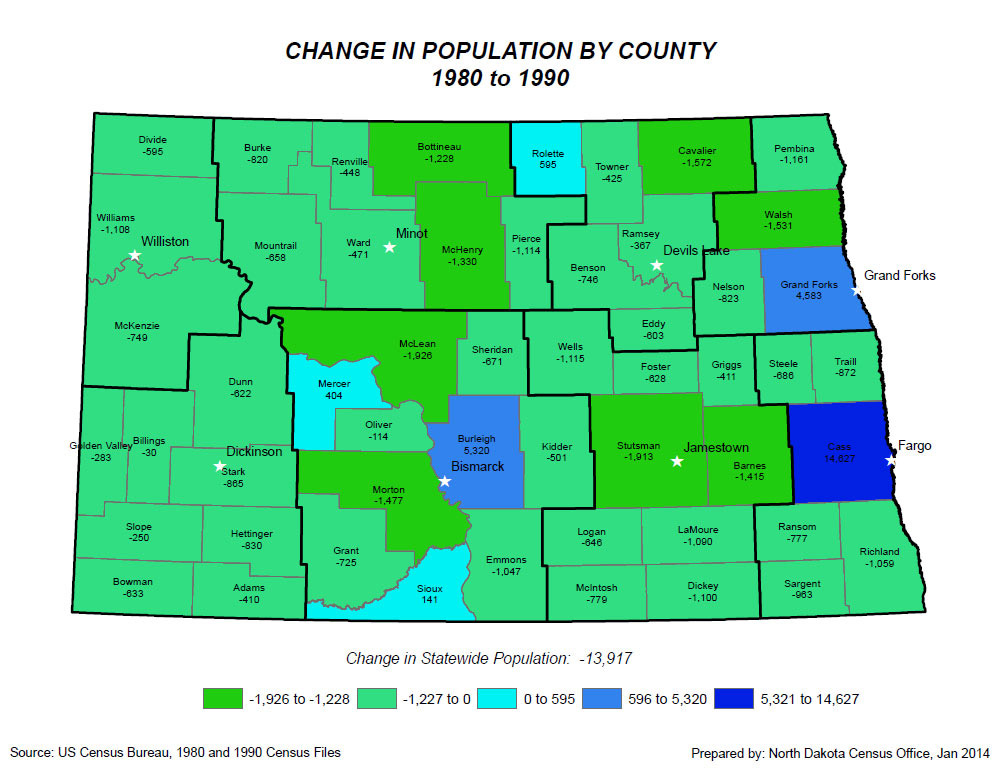
The state’s largest metropolitan areas, such as [Fargo], [Bismarck], and [Grand Forks], naturally attract the lion’s share of the population and, consequently, a significant portion of tourist activity. These cities offer a concentrated array of hotels, restaurants, cultural institutions, and entertainment venues. As their populations grow, so does their capacity to cater to a wider range of visitor needs and interests. This includes the development of new attractions, the expansion of existing ones, and the enhancement of the overall visitor experience.
However, the allure of [North Dakota] extends far beyond its urban cores. The sparsely populated rural areas, characterized by vast open spaces and natural beauty, offer a different kind of travel experience. The lower population density in these regions contributes to their appeal for those seeking tranquility, outdoor recreation, and a connection with nature. Think of the [Theodore Roosevelt National Park], a stunning testament to the state’s rugged western landscape, or the serene shores of [Lake Sakakawea]. While these areas may have fewer residents, their appeal to tourists is immense, offering a respite from the hustle and bustle of more densely populated destinations. The state’s ability to balance the needs and growth of its urban centers with the preservation and promotion of its natural and rural attractions is a testament to its thoughtful approach to development and tourism.
Regional Population Distribution: Cities and Rural Areas
The geographical distribution of [North Dakota]’s population provides crucial context for understanding its tourism landscape. The state’s two largest cities, [Fargo] and [Bismarck], anchor the population centers and serve as primary gateways for many visitors. [Fargo], with its position in the Red River Valley, is often the first point of entry for those traveling from the east and is known for its lively downtown, diverse culinary scene, and numerous shopping opportunities. Its population, consistently the largest in the state, supports a wide array of hotels, from boutique options to large chains, and a vibrant event calendar that attracts regional and national visitors.
[Bismarck], located centrally along the [Missouri River], functions as the state capital and a significant economic engine. Its population, though typically smaller than [Fargo]’s, is substantial and drives a demand for accommodation and services geared towards both business and leisure travelers. Key attractions in [Bismarck] include the [North Dakota Heritage Center & State Museum], offering a deep dive into the state’s history, and the [Heritage Center] itself, a landmark of civic importance.Beyond these two major cities, [Grand Forks] in the northeast and [Minot] in the north central region are other population centers that offer unique travel experiences. [Grand Forks] is home to the [University of North Dakota], contributing to a youthful and energetic atmosphere, and boasts attractions like the [Columbia Roadhouse] and the [North Dakota Museum of Art]. [Minot] is recognized for its Scandinavian heritage, particularly evident during the annual [Norsk Høstfest], a major cultural festival that draws thousands of visitors.
The vast rural areas of [North Dakota] present a stark contrast to its urban hubs. These regions, characterized by rolling plains, agricultural landscapes, and natural wonders like the [Badlands], have a significantly lower population density. This lower density is precisely what draws many travelers seeking solitude, outdoor adventures such as hunting and fishing, and an authentic glimpse into the state’s agricultural roots. Destinations like [Medora], the gateway to [Theodore Roosevelt National Park], exemplify the charm of these less populated areas. Here, visitors can experience a more intimate connection with nature and history, often finding unique, smaller-scale accommodation options and a slower pace of life that is increasingly sought after by modern travelers. The state’s ability to offer both the amenities of its cities and the untamed beauty of its rural expanses is a significant part of its appeal.
Implications for Travelers: Planning and Experience
Understanding the population figures for [North Dakota] offers tangible benefits for travelers, influencing everything from booking accommodations to anticipating the atmosphere of different destinations. The concentration of population in areas like [Fargo], [Bismarck], and [Grand Forks] means that these cities generally offer a broader spectrum of hotels, restaurants, and entertainment options. Booking in advance is often advisable, particularly during peak seasons or major events held in these urban centers, to secure preferred lodging and dining. The availability of diverse accommodation, from budget-friendly motels to upscale hotels, caters to a wide range of traveler needs and budgets.
Conversely, venturing into the more sparsely populated regions of [North Dakota] requires a different approach to planning. While the tranquility and natural beauty of areas like the [Badlands] or the shores of [Lake Sakakawea] are immense draws, the availability of services can be more limited. Travelers exploring these areas may find fewer hotel options, with a greater emphasis on charming bed and breakfasts, vacation rentals, or rustic lodges. It is essential to research accommodation thoroughly and book well in advance, especially for popular natural attractions like [Theodore Roosevelt National Park]. Similarly, dining options in these rural locales might be more traditional and perhaps less varied than in the cities, offering a chance to savor local cuisine and experience genuine hospitality.
The population density also plays a role in the overall visitor experience. In the larger cities, travelers can expect a more dynamic and bustling environment, with ample opportunities for shopping, cultural exploration, and social interaction. The presence of a larger population often translates to a more developed arts and entertainment scene, with theaters, museums, and live music venues. In contrast, the lower population density of the rural areas fosters a sense of peace and solitude. This can be incredibly appealing for those seeking a retreat, a chance to reconnect with nature, or simply an escape from the fast pace of modern life. The vast open spaces and the quietude of the prairies offer a unique form of relaxation and rejuvenation. By considering the population distribution, travelers can tailor their itineraries to match their desired experience, whether they seek the amenities and vibrancy of urban centers or the serene beauty and authentic charm of [North Dakota]’s wide-open spaces. This awareness ensures a more fulfilling and seamless journey through the Peace Garden State.
LifeOutOfTheBox is a participant in the Amazon Services LLC Associates Program, an affiliate advertising program designed to provide a means for sites to earn advertising fees by advertising and linking to Amazon.com. Amazon, the Amazon logo, AmazonSupply, and the AmazonSupply logo are trademarks of Amazon.com, Inc. or its affiliates. As an Amazon Associate we earn affiliate commissions from qualifying purchases.