
San Francisco, a city synonymous with innovation, iconic landmarks, and breathtaking vistas, captivates millions each year. From its rolling hills to its vibrant cultural tapestry, the allure of the “Golden City” is undeniable. While many are drawn to its famed attractions, a fundamental question for any traveler, resident, or urban planner is: precisely how many people call San Francisco home, and how does this dynamic population shape the city’s experience? Understanding the population figures of San Francisco offers crucial insights into its housing market, public transportation, local culture, and the very essence of its daily life.

The population of a city is not a static number; it’s a living, breathing entity influenced by economic tides, migration patterns, and evolving lifestyle choices. For San Francisco, this dynamic is particularly pronounced. As a global hub for technology and a desirable destination for those seeking a unique urban lifestyle, its population has experienced significant fluctuations over time. Beyond the official census counts, the transient nature of tourism and business travel adds another layer to the number of people present in the city on any given day. This article delves into the population of San Francisco, exploring its growth, the factors influencing it, and what this means for your visit or long-term stay.
The Shifting Sands of San Francisco’s Population
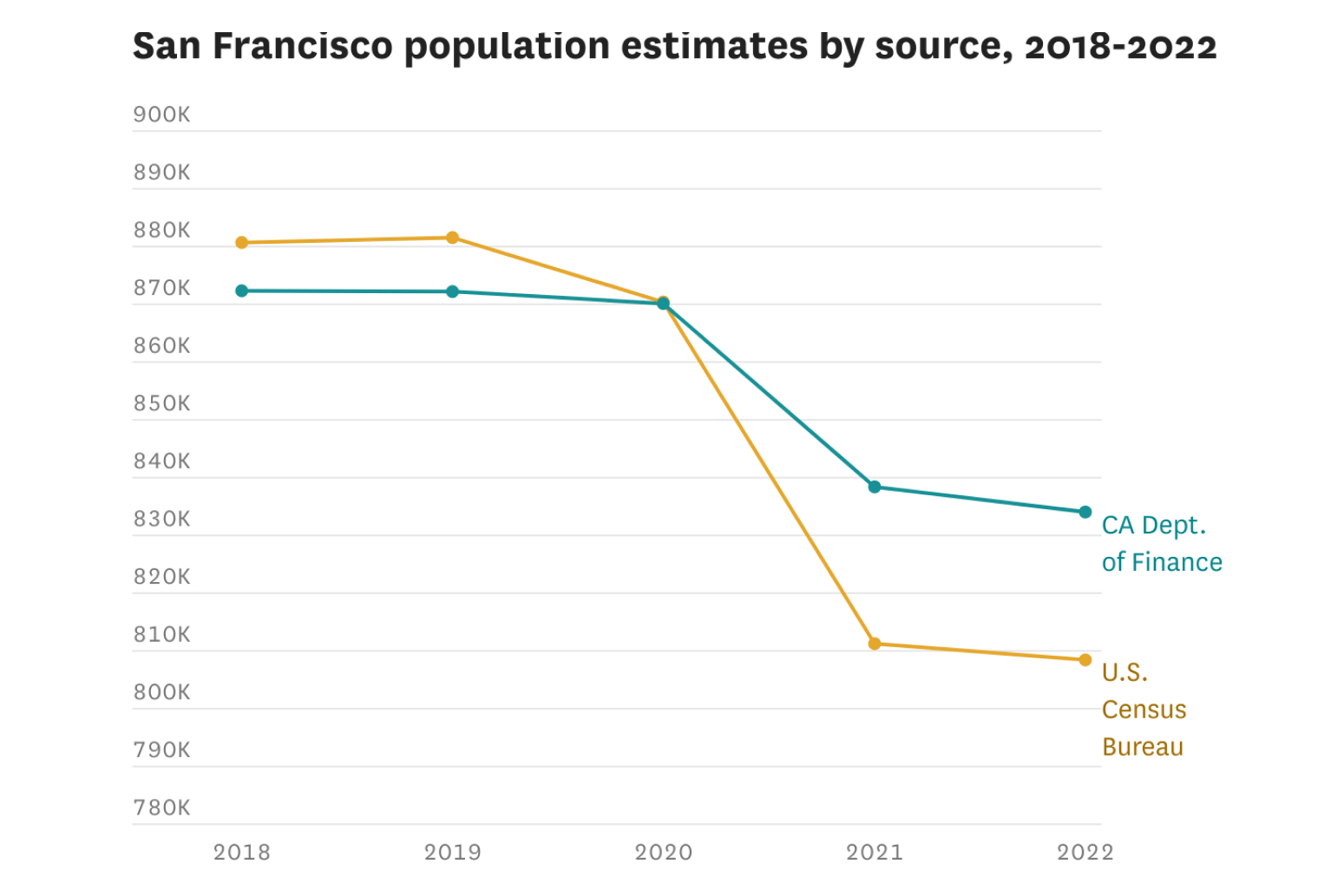
San Francisco’s demographic story is one of consistent growth, punctuated by periods of rapid expansion and occasional contraction. The official United States Census Bureau provides the most authoritative data on population figures. According to the most recent census data, the population of San Francisco has hovered around the 800,000 to 900,000 mark. However, it’s vital to understand that this number represents permanent residents, the individuals who identify San Francisco as their primary domicile.
Historical Population Trends
The city’s population has a rich history of growth, largely fueled by periods of economic opportunity. The Gold Rush of the mid-19th century was a catalyst, transforming San Francisco from a small settlement into a bustling metropolis. Subsequent waves of immigration, industrial booms, and more recently, the rise of the tech industry have all contributed to its demographic evolution. Each boom brought new faces and a growing demand for housing, infrastructure, and services, shaping the very fabric of the city.
For instance, the post-World War II era saw a significant increase in population as the United States experienced a baby boom and economic prosperity. The mid-to-late 20th century also witnessed a surge in migration driven by diverse industries and a reputation for progressive ideals. More recently, the digital revolution and the emergence of Silicon Valley as a global technology epicenter have been major drivers of population growth, attracting skilled workers and entrepreneurs from around the world. This influx has had a profound impact on the city’s housing market, leading to increased demand and, consequently, rising costs of living.
The Impact of the Tech Boom
The pervasive influence of the tech industry on San Francisco’s population cannot be overstated. Companies like Google, Apple, and Meta have not only created numerous high-paying jobs but have also attracted a highly educated and mobile workforce. This has led to a younger demographic profile in certain neighborhoods and a significant increase in the number of affluent residents. The demand for housing in desirable areas has skyrocketed, pushing many long-time residents and lower-income individuals further afield. This economic disparity is a significant aspect of San Francisco’s contemporary social landscape.
The growth fueled by the tech sector also presents unique challenges. The infrastructure, from public transportation like the Muni system to road networks, often struggles to keep pace with the increasing number of commuters and residents. This can lead to congestion, longer travel times, and a strain on public services. Understanding these trends is crucial for anyone considering a visit, as it influences everything from hotel availability to the general ambiance of the city.
The Transient Population: Visitors and Business Travelers
Beyond the permanent residents, San Francisco is a major global destination for tourism and business. Millions of visitors flock to the city annually, drawn by its iconic attractions, vibrant culinary scene, and cultural offerings. This transient population significantly swells the number of people present in the city on any given day, particularly during peak tourist seasons.
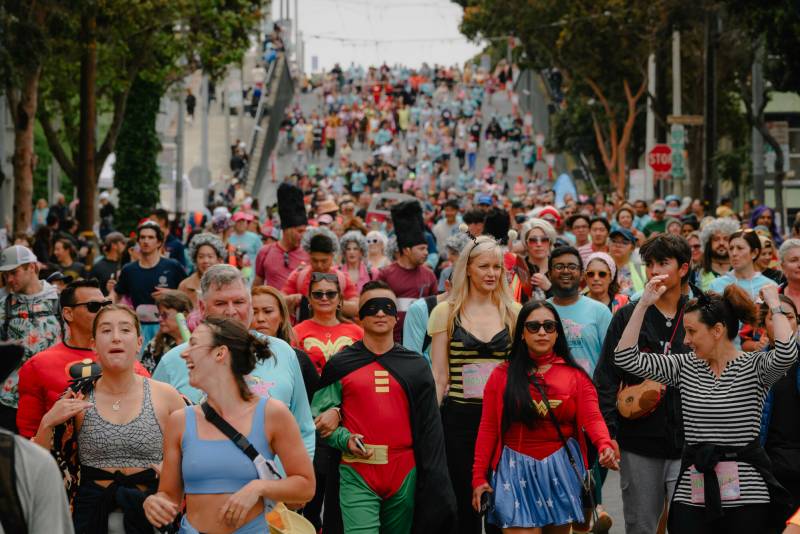
Estimates for the annual number of tourists vary, but they consistently number in the tens of millions. These visitors, whether they are exploring the historic streets of North Beach, marveling at the Golden Gate Bridge, or enjoying the vibrant atmosphere of Fisherman’s Wharf, contribute to the city’s economic vitality. Their presence also impacts the demand for accommodation, from luxury hotels like the Fairmont San Francisco to boutique apartments and budget-friendly hostels.
Furthermore, San Francisco’s status as a hub for international business and conferences means a constant influx of business travelers. These individuals are often seeking comfortable and convenient accommodation, ranging from serviced apartments for longer stays to hotels close to major convention centers. The presence of these diverse groups means that while the resident population might be around 800,000 to 900,000, the actual number of people actively engaging with the city on a daily basis can be considerably higher.
Understanding San Francisco’s Demographics for Travelers and Residents
The population figures of San Francisco are not just abstract numbers; they have tangible implications for anyone experiencing the city. Whether you are planning a leisurely trip, a business stay, or considering a move, understanding these demographics can enhance your experience and inform your decisions.
Accommodation Choices and Availability
The sheer volume of people, both residents and visitors, directly influences the availability and cost of accommodation in San Francisco. The demand for hotels, apartments, and other lodging options is consistently high. This is particularly true in popular tourist areas and business districts. Travelers looking for a place to stay, whether it’s a lavish suite at the Ritz-Carlton, San Francisco, a charming villa in Pacific Heights, or a convenient hotel near the Moscone Center, will find that booking in advance is often essential, especially during peak seasons and major events.
For those considering a longer-term stay, the housing market is notoriously competitive. The high cost of living and limited housing stock mean that finding suitable accommodation can be a significant challenge. Understanding the local housing trends, rental prices, and available neighborhoods is crucial for anyone contemplating a permanent move to San Francisco. The presence of numerous apartment complexes and serviced apartments caters to different needs, from short business trips to extended family stays.
Navigating the City: Transportation and Infrastructure
A city with a dense and growing population like San Francisco faces unique challenges in managing its transportation and infrastructure. The city’s compact geography and hilly terrain, combined with a large number of residents and visitors, can lead to traffic congestion. Public transportation systems, such as BART (Bay Area Rapid Transit) and the Muni bus and streetcar network, are vital for moving people around.
For travelers, understanding these transit options is key to efficiently exploring the city. Utilizing public transport can be a more enjoyable and less stressful way to reach attractions like Alcatraz Island or Chinatown. However, during peak hours, these systems can also become crowded, reflecting the sheer number of people utilizing them daily. Planning your journeys to avoid rush hour can significantly improve your travel experience.
Experiencing Local Culture and Lifestyle
The diverse population of San Francisco, comprising long-time residents, recent immigrants, tech professionals, artists, and a constant stream of visitors, creates a vibrant and dynamic cultural landscape. This diversity is reflected in its culinary scene, its arts and entertainment venues, and its unique neighborhoods. From the historic charm of the Ferry Building Marketplace to the trendy shops in Hayes Valley, the city offers a wide array of experiences.
The lifestyle in San Francisco is often characterized by its progressive outlook, a strong emphasis on innovation, and a deep appreciation for its natural surroundings. Whether you’re enjoying a leisurely bike ride across the Golden Gate Bridge or exploring the lush landscapes of Golden Gate Park, you’ll encounter people from all walks of life. This rich demographic mix contributes to the city’s unique character and makes it a fascinating place to explore, whether for a short visit or a more extended exploration of its many facets.
In conclusion, while the precise number of people in San Francisco fluctuates daily due to tourism and business travel, the resident population provides a foundational understanding of the city’s scale. This dynamic demographic is a driving force behind San Francisco’s character, influencing its economy, its infrastructure, and the vibrant tapestry of life that makes it such a compelling destination. Understanding these population dynamics is essential for anyone seeking to truly grasp the essence of this iconic American city.
LifeOutOfTheBox is a participant in the Amazon Services LLC Associates Program, an affiliate advertising program designed to provide a means for sites to earn advertising fees by advertising and linking to Amazon.com. Amazon, the Amazon logo, AmazonSupply, and the AmazonSupply logo are trademarks of Amazon.com, Inc. or its affiliates. As an Amazon Associate we earn affiliate commissions from qualifying purchases.