
Texas, often associated with its vast landscapes, iconic cowboy culture, and sprawling metropolises, is not just immense in size but also in its human footprint. The question “How many people in Texas?” isn’t merely a demographic query; it’s an inquiry into the very fabric of what makes the Lone Star State a dynamic and captivating destination for travelers, a booming market for hotels and accommodation, and a diverse landscape for tourism and lifestyle experiences. The sheer volume of its population profoundly shapes every aspect of visiting, living, and doing business within its borders, from the bustling energy of its cities to the tranquil charm of its smaller towns. As one of the fastest-growing states in the United States, Texas offers a fascinating case study in how population dynamics directly influence travel infrastructure, cultural offerings, and the overall visitor experience.
Texas’s Booming Population: A Demographic Overview
Understanding the scale of Texas’s population is the first step in appreciating its multifaceted appeal as a travel destination. This demographic might offers insights into everything from the variety of local cultures to the density of available accommodations and the types of attractions that thrive within the state.
Understanding the Numbers
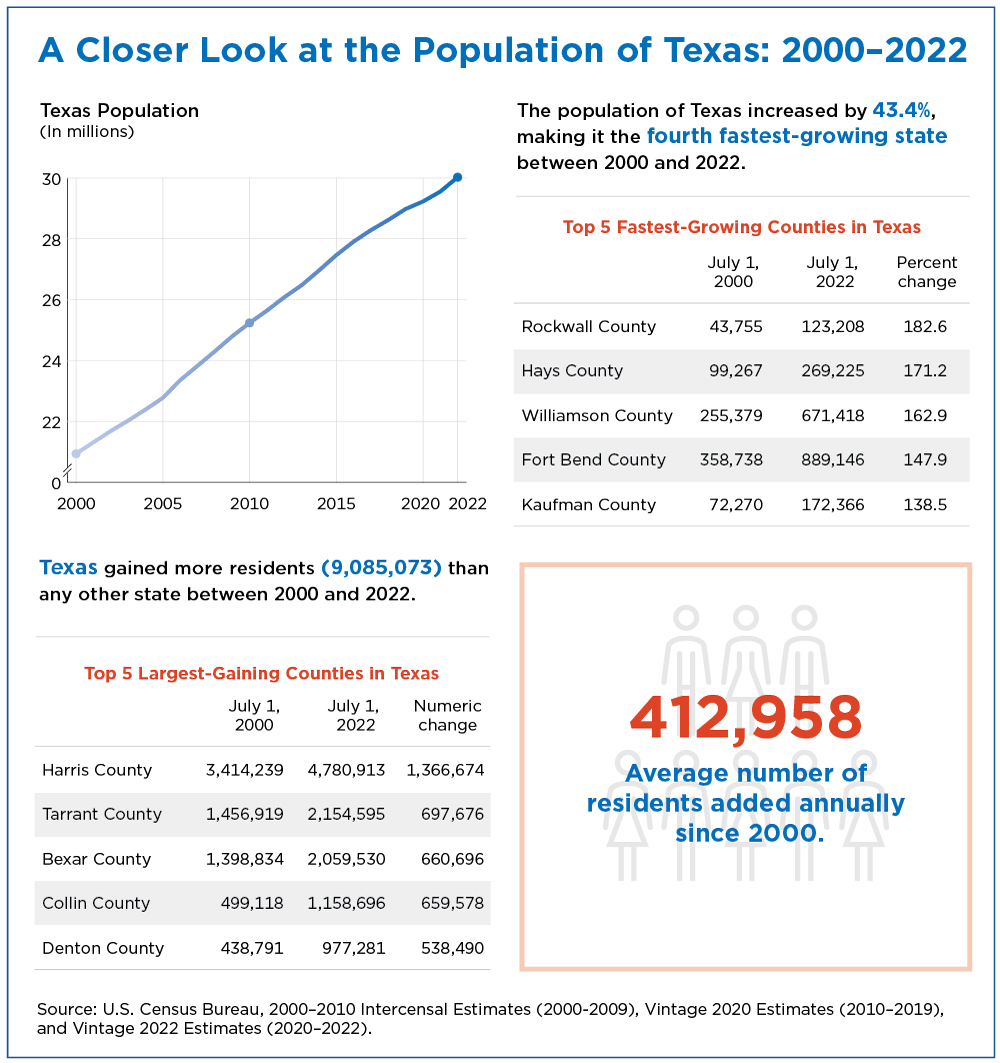
As of recent estimates, the population of Texas has soared past the 30 million mark, solidifying its position as the second most populous state in the United States, trailing only California. This isn’t a static figure; Texas has experienced relentless growth for decades, driven by a combination of high birth rates and significant in-migration from other states and countries. People are drawn to Texas by its robust economy, diverse job opportunities, lower cost of living compared to coastal states, and a perceived quality of life. This constant influx of new residents translates directly into a vibrant, evolving cultural tapestry that enriches the tourism landscape. For travelers, this means encountering a wide array of perspectives, culinary traditions, and community events that reflect a truly global influence within a distinctively Texan setting. The scale of the population also means that services, including tourism-related businesses, are constantly expanding and diversifying to meet demand, ensuring a wide selection for visitors.
Population Density and Distribution
While Texas is massive, its population isn’t evenly distributed across its nearly 269,000 square miles. The vast majority of Texans reside in its major metropolitan areas, creating dense urban centers that act as powerful magnets for both residents and visitors. The “Texas Triangle,” formed by Dallas-Fort Worth, Houston, and San Antonio-Austin corridors, is home to a significant portion of the state’s inhabitants.
- Houston, the most populous city in Texas and the fourth largest in the United States, is a global city renowned for its energy industry, medical center, and highly diverse population. Its sheer size means a boundless array of dining, cultural institutions, and entertainment options.
- Dallas, another economic powerhouse, is a hub for business, fashion, and arts, offering a sophisticated urban experience.
- Austin, the state capital, is celebrated for its live music scene, technological innovation, and vibrant outdoor lifestyle, attracting a younger, more liberal demographic.
- San Antonio, rich in history and culture, offers a more laid-back charm with its iconic River Walk and historical missions.
Beyond these bustling cities, the population thins out dramatically, giving way to vast ranchlands, the rugged beauty of West Texas, the pine forests of East Texas, and the coastal plains. This uneven distribution means that travelers can choose between high-energy urban adventures and serene natural escapes, often within a few hours’ drive of each other. The contrast between densely packed cities and wide-open spaces defines the diverse travel experiences available, ensuring something for every type of lifestyle and preference.
The Interplay of Population and Texas Tourism
The sheer number of people living in Texas isn’t just a statistical point; it’s a driving force behind the state’s vibrant tourism industry, shaping everything from the types of attractions available to the density of accommodation options and the richness of its cultural tapestry.
A Diverse Tourist Base
Texas’s large and diverse population itself creates a dynamic internal tourism market. Texans love to explore their own state, fueling demand for weekend getaways, family trips, and unique experiences. This internal demand is complemented by a steady stream of national and international visitors drawn by the state’s distinct allure. The diversity of the population translates into a broad range of traveler profiles:
- Family travelers are drawn to theme parks like Six Flags Over Texas in Arlington or beach vacations in Galveston.
- Business travelers frequent the convention centers and corporate headquarters of Houston and Dallas.
- Luxury travelers seek out high-end resorts, gourmet dining, and exclusive shopping experiences in the major cities.
- Budget travelers find ample opportunities through state parks, free cultural events, and a wide selection of affordable accommodation.
- Adventure seekers head to Big Bend National Park or the numerous state parks.
This broad appeal ensures that the tourism industry is robust and constantly evolving to cater to varied tastes and preferences, reflecting the lifestyle choices of both residents and visitors.
Infrastructure and Accommodation Growth
To support its burgeoning population and the millions of visitors it attracts, Texas has witnessed an explosion in travel-related infrastructure, particularly in hotels and various forms of accommodation. From luxury high-rise hotels in downtown areas to sprawling resorts, boutique inns, and extended-stay apartments, the options are as varied as the state itself.
In cities like Dallas and Houston, you’ll find an abundance of upscale properties catering to business and luxury travelers, such as the Omni Dallas Hotel or the Marriott Marquis Houston, offering state-of-the-art amenities and prime locations. Austin, with its tech boom and vibrant cultural scene, has seen a proliferation of trendy boutique hotels and upscale offerings like the JW Marriott Austin and the historic The Driskill. Beyond the urban cores, the Texas Hill Country boasts charming bed and breakfasts, vacation rentals, and wine country resorts, while coastal towns like Galveston offer family-friendly resorts and beach houses. The sheer volume of demand created by the population ensures continuous investment in new hotels, renovations, and diverse lodging solutions, making comparison and booking an exciting part of trip planning. This growth also extends to transportation networks, including expanded airports and improved roadways, facilitating easier access for travelers across the expansive state.

Cultural and Culinary Richness
A large and diverse population is the bedrock of a rich cultural and culinary scene, and Texas is a prime example. The convergence of various ethnic groups, including strong Hispanic, African American, and Asian communities, alongside its deeply ingrained Southern and Western heritage, has created a unique Texan identity that is both distinctive and welcoming.
The culinary landscape is perhaps the most immediate beneficiary. From world-renowned Tex-Mex cuisine and authentic Central Texas barbecue joints (like those in Lockhart, often called the “Barbecue Capital of Texas”)) to international fine dining, the food scene is a major draw. Cities like Houston are celebrated for their incredible diversity of restaurants, reflecting the city’s status as one of the most multicultural in the United States.
Culturally, the state hosts numerous festivals, art exhibitions, and live music events throughout the year. Austin proudly holds the title of “Live Music Capital of the World,” home to iconic festivals like SXSW (South by Southwest) and the Austin City Limits Music Festival. Houston hosts the Houston Livestock Show and Rodeo, one of the largest such events in the world, embodying the state’s Western heritage. These vibrant cultural expressions provide endless activities and experiences for tourists looking to immerse themselves in local traditions and contemporary arts.
Navigating Texas: Travel, Landmarks, and Lifestyle for Visitors
With its enormous population spread across a vast land, Texas offers an unparalleled range of travel experiences. The state is a mosaic of vibrant urban centers, historical landmarks, stunning natural landscapes, and distinct regional lifestyles, all catering to a diverse visitor base.
Major Urban Hubs: Destinations and Attractions
The major cities, where most of the population resides, are natural starting points for many Texas adventures, offering concentrated bundles of attractions, culture, and amenities.
- Houston: A powerhouse of innovation and diversity. Visitors can explore the wonders of space at Space Center Houston, delve into art and science at the extensive Museum District, or enjoy the lively atmosphere of its many ethnic neighborhoods. The city’s massive size means a hotel for every budget and preference, from luxurious downtown suites to family-friendly options near major attractions.
- Dallas: Known for its sophisticated urban charm and significant historical sites. The Sixth Floor Museum at Dealey Plaza offers a poignant look at President Kennedy’s assassination, while the Dallas Arts District boasts world-class museums and performance venues. Upscale shopping, fine dining, and lively nightlife contribute to a luxurious travel lifestyle here. Hotels like Hotel ZaZa Dallas offer unique, boutique experiences.
- Austin: The “Live Music Capital of the World” blends a laid-back, quirky vibe with impressive governmental and natural landmarks. Travelers can catch live music on Sixth Street or South Congress Avenue, cool off at Barton Springs Pool, or tour the majestic Texas State Capitol. Its booming tech scene and outdoor-focused lifestyle attract a young, energetic crowd.
- San Antonio: A city steeped in history and Spanish colonial heritage. The iconic Alamo stands as a symbol of Texan independence, while the picturesque River Walk offers charming boat tours, riverside dining, and vibrant nightlife. The UNESCO World Heritage San Antonio Missions National Historical Park provides deeper insights into the region’s past.
Beyond the Cities: Natural Wonders and Unique Experiences
While the cities buzz with activity, the less populated regions of Texas offer a different kind of allure – vast natural beauty and distinctive cultural experiences. These areas emphasize a lifestyle of outdoor adventure, tranquility, and authentic regional charm.
- Big Bend National Park: In the remote reaches of West Texas, this park offers dramatic mountain scenery, desert landscapes, and the majestic Rio Grande. It’s a paradise for hikers, campers, and stargazers, offering an escape from the crowds.
- Padre Island National Seashore: Stretching for miles along the Gulf Coast, this untouched barrier island is the longest undeveloped barrier island in the world, providing pristine beaches, dune ecosystems, and a haven for birdwatchers and marine life enthusiasts.
- Texas Hill Country: A picturesque region known for its rolling hills, clear spring-fed rivers (perfect for tubing), charming small towns like Fredericksburg, and a rapidly expanding wine industry. It’s an ideal destination for scenic drives, winery tours, and enjoying a slower pace of life in cozy cabins or boutique hotels.
- East Texas Forests: Dominated by pine forests, lakes, and reservoirs, this region offers ample opportunities for fishing, boating, and enjoying nature, often with a distinct Southern flair.
Accommodation Choices Reflecting Texas’s Scale
The sheer number of people living in and visiting Texas has led to an incredibly diverse and competitive accommodation market. Travelers can find anything from ultra-luxury hotels to budget-friendly motels, catering to every need and preference.
In the major cities, you’ll find a full spectrum:
- Luxury Hotels: Chains like [Four Seasons Hotel Austin](https://lifeoutofthebox.com/four- Seasons-hotel-austin), The Ritz-Carlton, Dallas, and St. Regis Houston offer unparalleled service, amenities, and often breathtaking views, catering to the luxury traveler lifestyle.
- Boutique Hotels: Unique properties such as Hotel Emma in San Antonio or Hotel Ella in Austin provide distinctive character, personalized service, and a deep connection to local culture.
- Family-Friendly Resorts: Destinations like Great Wolf Lodge Grapevine near Dallas or resorts on South Padre Island are designed with family activities and comfort in mind.
- Extended Stay Apartments: For business travelers or those planning long-term stays, properties offering apartment-style living with kitchens and separate living areas are abundant, particularly in business hubs.
Outside the cities, the options shift:
- Ranch Stays: Experience authentic Texan lifestyle by staying on a working ranch in the Hill Country or West Texas.
- Charming B&Bs: In quaint towns like Fredericksburg or Granbury, bed and breakfasts offer a personal touch and local insights.
- Campsites and RV Parks: For the budget-conscious or nature lovers, state parks and private grounds offer numerous camping and RV options.
The sheer volume of choices means travelers can easily find accommodation that fits their specific needs, budget, and desired lifestyle, whether it’s a bustling resort or a secluded villa.
Planning Your Texas Trip in a Populous State
Traveling through a state as populous and expansive as Texas requires a bit of strategic planning to make the most of your visit. Understanding the impact of its population on travel logistics can significantly enhance your experience.
Tips for Navigating Crowds and Peak Seasons
With over 30 million residents and millions more visitors each year, certain popular attractions and times of year can get very crowded.
- Book in Advance: Especially for popular hotels, resorts, and flights, booking well in advance is crucial, particularly during peak travel seasons like spring break, summer holidays, or major events (e.g., SXSW in Austin, the Houston Livestock Show and Rodeo).
- Consider Off-Peak Travel: If flexibility allows, traveling during the shoulder seasons (spring or fall, excluding major holidays) can offer milder weather, fewer crowds, and potentially better deals on accommodation and flights.
- Weekdays vs. Weekends: Visiting popular landmarks and attractions on weekdays often means shorter lines and a more relaxed experience.
- Utilize Technology: Use navigation apps for real-time traffic updates, especially when traveling between major cities. Restaurant reservation apps are also highly recommended for popular dining spots.
- Explore Beyond the Obvious: While iconic landmarks are a must-see, Texas has countless hidden gems. Consulting local guides or the website’s destination guides can uncover less-crowded, equally rewarding experiences.
By being mindful of the state’s popularity, you can tailor your itinerary to minimize hassle and maximize enjoyment, ensuring a seamless journey through this vast and welcoming state.
Leveraging the Lifestyle
The diverse population of Texas translates into a multitude of lifestyle options for travelers. Whether you’re seeking luxury, budget-friendly adventures, family-centric fun, or a productive business stay, Texas delivers.
- Luxury Travel: Dallas and Houston excel in offering high-end shopping, gourmet dining, and opulent hotel suites, perfectly suiting those who seek premium experiences.
- Budget Travel: With numerous state parks, free museums (like the Menil Collection in Houston), and a wide range of affordable lodging, Texas can be explored on a budget without sacrificing rich experiences.
- Family Trips: From coastal beaches to sprawling theme parks and interactive museums, the state is incredibly family-friendly, offering activities for all ages.
- Business Stays: The major cities are global economic centers, with hotels and accommodation options well-equipped for business travelers, including conference facilities, high-speed internet, and convenient airport access.
The large population ensures that there’s always a market for these varied lifestyles, meaning you’ll find specialized services and amenities tailored to your specific travel needs, making Texas an adaptable destination for any kind of journey.
In conclusion, the answer to “How many people in Texas?” is more than just a number exceeding 30 million; it’s a profound statement about the state’s unparalleled dynamism. This immense and ever-growing population is the lifeblood of Texas’s vibrant tourism sector, shaping its diverse cultural landscape, fueling the expansion of world-class hotels and accommodations, and creating an endless array of landmarks and experiences. From the bustling energy of its metropolitan giants like Houston, Dallas, Austin, and San Antonio to the serene beauty of its natural parks and charming rural communities, the human element amplifies every aspect of a visit. Texas truly offers a world within a state, where the collective spirit of its millions of residents creates an unforgettable journey for every traveler.
LifeOutOfTheBox is a participant in the Amazon Services LLC Associates Program, an affiliate advertising program designed to provide a means for sites to earn advertising fees by advertising and linking to Amazon.com. Amazon, the Amazon logo, AmazonSupply, and the AmazonSupply logo are trademarks of Amazon.com, Inc. or its affiliates. As an Amazon Associate we earn affiliate commissions from qualifying purchases.