
Alaska, often referred to as “The Last Frontier,” is a land of unparalleled natural beauty, immense wilderness, and a strikingly sparse population. For many contemplating a visit, one of the first curiosities is understanding the human footprint in this vast state. How many people truly call this rugged paradise home? The answer profoundly shapes the travel experience, influencing everything from the availability of accommodation to the types of adventures one can embark on.
As of recent estimates, the population of Alaska hovers around 733,583 residents. To put that into perspective, Alaska is the largest state in the United States by land area, encompassing over 663,000 square miles. This means that if you were to distribute its population evenly across the state, each resident would have over a square mile to themselves. This extraordinary low population density, roughly 1.28 people per square mile, is a defining characteristic of Alaska and plays a pivotal role in its allure as a premier travel destination, especially for those seeking solitude, adventure, and a genuine connection with nature.

Alaska’s Population Snapshot: A Land of Vastness and Solitude
Understanding the demographics of Alaska goes far beyond a mere number; it’s about grasping the unique challenges and charms of life in a frontier environment. The state’s immense size and extreme climatic conditions have historically dictated where and how communities have formed, influencing everything from infrastructure development to the very nature of tourism.
The Numbers Game: Understanding Alaska’s Demographics
At approximately 733,583 people, Alaska ranks as one of the least populous states in the United States, only surpassing Wyoming, Vermont, and Washington D.C.. This low count is particularly remarkable when considering its geographic expanse. For comparison, the state of Rhode Island could fit into Alaska hundreds of times over, yet Rhode Island has a denser population. This demographic reality isn’t just a statistical anomaly; it’s the very foundation of the Alaskan experience.
The population is a diverse mix, reflecting a rich tapestry of cultures, including a significant Alaska Native population comprising various Indigenous groups such as the Inupiat, Yup’ik, Athabascan, Tlingit, Haida, and Aleut peoples. These communities have sustained vibrant cultures in some of the world’s most challenging environments for thousands of years, contributing profoundly to the state’s unique character and cultural tourism offerings. The influx of non-Native settlers, particularly during the gold rushes and later with the oil industry and military presence, added further layers to the state’s demographic profile. This blend of heritage creates a fascinating social landscape that visitors can explore through museums, cultural centers, and local festivals.
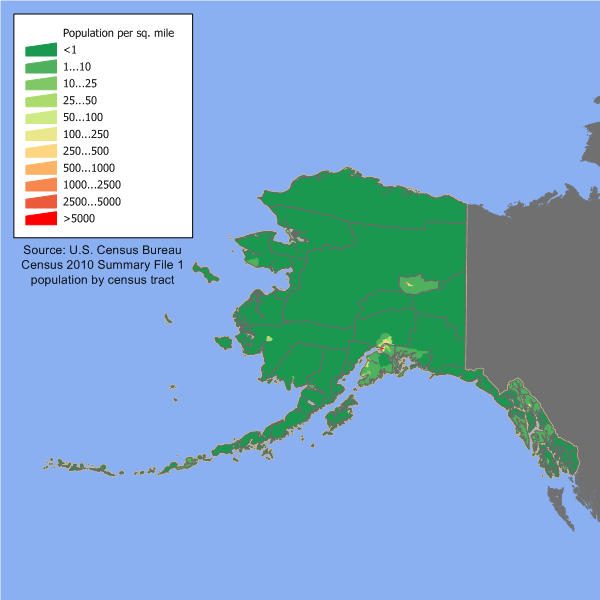
Where Alaskans Live: Urban Hubs and Remote Outposts
Despite its vastness, Alaska’s population is not evenly spread. The majority of residents are concentrated in a few key urban areas, leaving immense stretches of the state virtually uninhabited. This distribution dictates much of the travel infrastructure and the types of experiences available across different regions.
- Southcentral Alaska: This region is home to the largest share of the state’s population. Anchorage, the state’s largest city, is the bustling heart of this area, housing over 280,000 residents – nearly 40% of the entire state’s population. Its strategic location and status as a major transportation hub make it the gateway for most visitors flying into Alaska. Surrounding Anchorage are smaller communities like Palmer and Wasilla in the Matanuska-Susitna Valley, which are popular for their agricultural heritage and access to outdoor activities.
- Interior Alaska: Centered around Fairbanks, the second-largest city, this region has a population of around 32,000 within the city limits and significantly more in the wider borough. Fairbanks serves as a vital service center for the northern half of the state, known for its strategic military bases, the University of Alaska Fairbanks, and as a prime location for aurora borealis viewing.
- Southeast Alaska: This panhandle region, characterized by its stunning fjords and islands, is home to the state capital, Juneau. With approximately 32,000 residents, Juneau is unique as it is only accessible by air or sea. Other significant communities in this region include Ketchikan and Sitka, both popular cruise ship destinations with rich Alaska Native and Russian history.
- Rural and Bush Alaska: Beyond these urban centers lies what is often referred to as “Bush Alaska” – hundreds of remote villages, many accessible only by small aircraft or boat. These communities, often populated predominantly by Alaska Native peoples, maintain traditional lifestyles and offer a glimpse into a way of life deeply connected to the land. While challenging to visit, these areas offer truly authentic cultural experiences for the adventurous traveler.
This distinct population distribution means that while cities provide modern conveniences, extensive travel in Alaska quickly leads one into expansive, undeveloped territories, which is precisely where much of its unique travel appeal lies.
The Influence of Population on Alaskan Travel and Tourism
The low population of Alaska is not a deterrent to tourism; rather, it’s one of its greatest assets. It shapes the very nature of travel and the types of experiences visitors seek, offering a stark contrast to densely populated tourist hotspots around the globe. This demographic reality directly impacts travel planning, accommodation choices, and the overall rhythm of an Alaskan adventure.
Embracing the Wilderness: Low Density, High Adventure
The vast, unspoiled wilderness of Alaska is a direct consequence of its low population. With fewer people, there are fewer roads, less development, and more protected lands dedicated to national parks, forests, and wildlife refuges. This translates into unparalleled opportunities for outdoor adventures and wildlife viewing that are rare anywhere else in the world.
- National Parks and Wilderness Areas: Alaska boasts eight national parks, including the iconic Denali National Park and Preserve, home to North America’s highest peak, Denali. Other magnificent areas like Kenai Fjords National Park, Wrangell-St. Elias National Park and Preserve, and Gates of the Arctic National Park and Preserve offer vast landscapes for hiking, kayaking, fishing, and backcountry exploration. The low population ensures that many of these areas remain pristine, offering visitors a true sense of discovery and solitude.
- Wildlife Encounters: The abundance of wildlife is directly linked to the expansive, undeveloped habitats. Visitors frequently encounter grizzly bears, black bears, moose, caribou, wolves, and eagles in their natural environments. Marine life, including whales, seals, and otters, thrives along the extensive coastline. The relative absence of human disturbance allows these animal populations to flourish, making Alaska a top destination for wildlife photography and safaris.
- Adventure Tourism: From glacier trekking and heli-skiing to world-class fishing and kayaking through ice-filled fjords, Alaska’s low population ensures that adventure experiences are authentic and often exclusive. Tour operators can offer intimate, small-group expeditions that delve deep into the wilderness, providing a level of immersion that mass tourism often cannot.
The overarching theme for tourism in Alaska is immersion in nature. The lack of extensive human development means that visitors must often be prepared for rugged conditions, but the rewards are profound: untouched landscapes, abundant wildlife, and a sense of profound peace found only in truly wild places.
Accommodation in the Last Frontier: From City Hotels to Remote Lodges
The distribution and size of Alaska’s population significantly influence the availability and types of accommodation. Unlike many popular travel destinations where large hotel chains are ubiquitous, Alaska’s accommodation landscape is diverse and often tailored to its unique environment.
- Urban Centers: In cities like Anchorage, Fairbanks, and Juneau, travelers will find a range of hotels, from familiar international brands to locally owned boutique hotels and apartment-style accommodations. These cities serve as crucial bases for exploration, offering amenities, dining, and transportation connections. Booking in advance, especially during the peak summer season, is highly recommended due to finite options relative to demand.
- Wilderness Lodges and Remote Cabins: For those seeking a deeper dive into the Alaskan wilderness, remote lodges and cabins are a quintessential experience. These accommodations are often situated in stunning natural settings, accessible by bush plane, boat, or sometimes a challenging hike. They range from rustic, self-catering cabins perfect for budget travelers to luxurious, all-inclusive wilderness resorts that offer guided excursions, gourmet meals, and unparalleled access to nature. Examples might include fly-fishing lodges on remote rivers or eco-lodges overlooking glaciers. These options truly embody the “lifestyle” aspect of Alaskan travel, offering an escape from the ordinary.
- Unique Stays: Alaska also offers unique accommodation experiences such as glamping tents, yurts, and even historic roadhouses that once served prospectors and pioneers. These types of stays often provide a more immersive and memorable experience, connecting travelers directly with the state’s rugged charm and history.
- Cruises: For many, particularly those visiting Southeast Alaska, cruise ships serve as a floating hotel, providing accommodation, dining, and transportation between picturesque port towns like Ketchikan, Juneau, and Skagway. This method of travel is extremely popular and provides a comfortable way to see the coastal wonders without needing to navigate the limited road system.
Due to the relatively small population and vast distances, planning accommodation in Alaska requires foresight. Options can be limited outside major hubs, especially for specific dates or in highly sought-after wilderness areas. Comparison and booking well in advance are critical steps for a smooth Alaskan adventure.
Exploring Alaska’s Major Population Centers
While the allure of Alaska often lies in its untamed wilderness, its population centers are vital hubs that serve as gateways to adventure, offering cultural experiences, essential services, and a taste of local life. These cities, though small by global standards, are bustling microcosms of Alaskan identity.
Anchorage: The Heartbeat of Alaska
Anchorage stands as Alaska’s largest city, home to well over a quarter-million residents. It’s the primary entry point for most air travelers and serves as a logistical nexus for both commerce and tourism in Southcentral Alaska. Far from a concrete jungle, Anchorage seamlessly blends urban amenities with immediate access to stunning natural landscapes.
- Attractions and Landmarks: Visitors to Anchorage can explore the Anchorage Museum, which offers fascinating insights into Alaska’s art, history, and Alaska Native cultures. The Alaska Native Heritage Center provides an immersive experience into the state’s diverse Indigenous groups. For outdoor enthusiasts, the Tony Knowles Coastal Trail offers scenic views, while the nearby Chugach National Forest and Chugach State Park provide endless opportunities for hiking, biking, and wildlife viewing, often within city limits.
- Accommodation and Lifestyle: As the largest city, Anchorage offers the broadest range of accommodation options, from luxury hotels to budget-friendly motels and extended-stay apartments. It’s a convenient base for day trips to places like the Alaska Wildlife Conservation Center or the coastal town of Seward, gateway to Kenai Fjords National Park. The city also hosts significant events like the start of the Iditarod Trail Sled Dog Race in March, drawing crowds and adding to its vibrant lifestyle.
Juneau: A Capital Surrounded by Wilderness
Accessible only by air or sea, Juneau is the capital city of Alaska, nestled amidst the breathtaking fjords and rainforests of Southeast Alaska. With a population of approximately 32,000, it offers a unique blend of urban charm and rugged wilderness.
- Attractions and Activities: The most famous landmark is undoubtedly the Mendenhall Glacier, just a short drive from downtown, offering visitor centers, hiking trails, and stunning photographic opportunities. Other popular activities include whale watching tours, exploring the historic downtown with its colorful buildings and unique shops, and taking a tram up Mount Roberts for panoramic views.
- Tourism and Local Culture: Juneau is a major port of call for cruise ships, which significantly boost its population seasonally and create a vibrant, albeit often bustling, atmosphere. The city’s local culture is deeply tied to its maritime history, gold rush heritage, and the enduring presence of Tlingit culture. Accommodation options cater to both cruise passengers and independent travelers, with various hotels and guesthouses.
Fairbanks: Gateway to the Interior
Located in the heart of Interior Alaska, Fairbanks is the second-largest city and serves as the primary hub for the vast northern reaches of the state. With a population around 32,000 within city limits, it’s a city of extremes, known for its cold winters, long summer days, and spectacular aurora displays.
- Attractions and Experiences: Fairbanks is often called the “Golden Heart City” due to its gold rush history. Visitors can pan for gold, learn about the Alaska Pipeline, or visit the University of Alaska Fairbanks’ Museum of the North. In winter, it transforms into a world-class destination for viewing the Northern Lights, dog mushing, and ice carving festivals.
- Accommodation and Lifestyle: Fairbanks offers a range of hotels and lodges, including those specially designed for aurora viewing, some with glass ceilings or remote cabin access. Its lifestyle is rugged, resilient, and deeply connected to the seasons, appealing to travelers who embrace the extremes of nature and seek authentic Alaskan experiences. It’s a crucial stepping stone for adventures further north into the Arctic Circle.
These cities, though small in number of residents, are powerful magnets for tourism, each offering a distinct flavor of Alaskan life and acting as critical springboards for exploring the wilderness that surrounds them.
Beyond the Numbers: Culture, Lifestyle, and the Alaskan Experience
While the low population density of Alaska is a quantifiable fact, its true impact extends far beyond mere statistics. It deeply influences the state’s culture, shapes the lifestyle of its residents, and ultimately defines the unique experience visitors can expect. Traveling through Alaska isn’t just about seeing landmarks; it’s about connecting with a distinct way of life forged in the wild.
Indigenous Heritage and Cultural Immersion
The Alaska Native peoples represent a significant portion of Alaska’s population, especially in rural areas. Their history, traditions, and deep connection to the land are integral to the state’s identity and offer profound opportunities for cultural immersion.
- Rich Cultural Tapestry: From the totem poles of the Tlingit and Haida in Southeast Alaska to the reindeer herding traditions of the Inupiat in the Arctic, Alaska is a mosaic of Indigenous cultures. Travelers can explore this rich heritage at cultural centers, museums, and through guided tours that often include traditional dances, storytelling, and art demonstrations.
- Sustainable Tourism: Many Alaska Native communities are actively involved in promoting sustainable tourism, offering authentic experiences that support local economies while preserving their cultural practices and natural environments. These unique travel opportunities allow visitors to learn directly from the stewards of the land, fostering a deeper appreciation for the Alaskan wilderness and its people. This engagement enriches the travel experience far beyond a typical tourist itinerary, making it a truly unforgettable journey into local culture and tradition.
The Unique Alaskan Lifestyle and Its Appeal
The small population fosters a distinct Alaskan lifestyle characterized by resilience, resourcefulness, community spirit, and an intimate relationship with nature. This lifestyle is a significant draw for both residents and visitors.
- Adventure and Self-Reliance: Life in Alaska often requires a degree of self-sufficiency. This ethos of adventure and independence permeates the tourism sector, too. Many visitors come to test their limits, whether embarking on a remote backpacking trip, learning to dog sled, or navigating challenging fishing waters. This sense of personal challenge and connection to a rugged lifestyle is a core element of the Alaskan experience.
- Community and Connection: Despite vast distances, Alaskan communities are often tightly knit, driven by shared experiences of living in a challenging yet rewarding environment. For travelers, this often translates into genuine hospitality and opportunities to connect with locals who are passionate about their home. Whether sharing a meal in a small-town diner or getting tips from a local guide, these interactions enrich the “experiences” aspect of travel.
- Luxury and Budget Travel: The Alaskan lifestyle can accommodate both luxury travel and budget travel. From high-end wilderness lodges offering unparalleled service and amenities in remote locations to rustic cabins and campsites for those seeking an affordable adventure, Alaska’s diverse accommodation options reflect the varied ways people choose to experience the Last Frontier. The common thread is the spectacular natural backdrop that elevates any trip.
In conclusion, the number of people living in Alaska is remarkably low, especially when juxtaposed with its immense size. This demographic reality is not merely a statistic; it is the fundamental characteristic that defines Alaska as a travel destination. It ensures that the state remains a haven for wilderness, wildlife, and profound solitude, offering a unique blend of adventure, cultural immersion, and breathtaking natural beauty. For those planning a trip, understanding Alaska’s sparse population helps frame expectations for accommodation, travel logistics, and the unparalleled experiences that await in the Last Frontier. It is precisely this emptiness that makes Alaska so full of wonder.
LifeOutOfTheBox is a participant in the Amazon Services LLC Associates Program, an affiliate advertising program designed to provide a means for sites to earn advertising fees by advertising and linking to Amazon.com. Amazon, the Amazon logo, AmazonSupply, and the AmazonSupply logo are trademarks of Amazon.com, Inc. or its affiliates. As an Amazon Associate we earn affiliate commissions from qualifying purchases.